.svg)


Introduction
One of the biggest barriers to adopting self-service infrastructure is not technology—it is trust.
Platform teams and leadership often hesitate to give developers more control over infrastructure. Concerns about security, cost, compliance, and consistency create resistance, even when the benefits of self-service are clear.
At the same time, developers want autonomy. They want to move faster, reduce dependencies, and take ownership of their workflows.
The challenge is bridging this gap.
A self-service trust checklist helps organizations evaluate whether they have the right systems, controls, and processes in place to enable autonomy safely. It ensures that trust is not assumed—it is built intentionally.
How do you build trust in self-service infrastructure?
Trust in self-service infrastructure is built by combining governance, visibility, standardized workflows, and clear ownership. When developers operate within policy-driven guardrails and platform teams maintain oversight, organizations can enable autonomy without increasing risk.
Why Trust Is the Key to Self-Service Adoption
Self-service infrastructure changes how organizations operate.
Instead of centralized control, responsibility is distributed. Developers gain the ability to provision and manage resources independently, while platform teams shift from gatekeepers to enablers.
Without trust, this transition fails.
If platform teams do not trust developers, they will add excessive controls, slowing down workflows. If developers do not trust the platform, they will bypass it, leading to inconsistent infrastructure and governance gaps.
Trust is what allows self-service systems to function effectively at scale.
Governance Foundation: Are Guardrails Clearly Defined?
Trust begins with governance.
Platform teams must define clear guardrails that outline what is allowed, restricted, and conditional. These policies should cover security, cost management, access control, and compliance.
More importantly, governance must be automated. Manual enforcement introduces inconsistency and reduces trust in the system.
When developers know that self-service with guardrails are consistently applied, they can operate confidently within defined boundaries.
Template Reliability: Are Workflows Standardized and Tested?
Developers are more likely to trust self-service systems when they are reliable.
Templates and workflows must be validated, consistent, and aligned with best practices. Every deployment should produce predictable results.
If templates are inconsistent or outdated, developers will lose confidence and look for alternatives.
Standardization ensures that self-service becomes a dependable way to provision infrastructure.
Approval Clarity: Are Decisions Predictable and Transparent?
Approval workflows play a key role in building trust.
Developers need to understand when approvals are required, how decisions are made, and what factors influence outcomes.
Clear and predictable approval processes eliminate uncertainty. Automated approvals for routine actions and defined escalation paths for high-risk actions create a balanced system.
Transparency in decision-making builds confidence and reduces frustration.
Visibility and Monitoring: Can Teams See What Is Happening?
Trust requires visibility.
Platform teams must have real-time insights into infrastructure activity, including provisioning, usage, and policy compliance. Developers also need visibility into their own actions and system behavior.
Monitoring systems should provide clear feedback, audit trails, and reporting capabilities.
When everyone can see what is happening, trust increases and issues can be addressed quickly.
Ownership and Accountability: Is Responsibility Clearly Defined?
Clear ownership is essential for trust.
Every aspect of the self-service system—templates, policies, workflows, and runtime operations—must have defined ownership.
This ensures that issues are resolved quickly and that the system is continuously maintained and improved.
Without accountability, trust erodes as problems go unresolved and systems degrade over time.
Developer Experience: Is the System Easy to Use?
Trust is closely tied to usability.
If self-service workflows are complex or difficult to navigate, developers will avoid them. This reduces adoption and creates fragmentation.
The system must be intuitive, with clear interfaces and minimal friction. Developers should be able to provision resources quickly and understand the process without confusion.
A positive developer experience reinforces trust and encourages consistent usage.
Feedback Loops: Can the System Improve Over Time?
Trust is not static—it must be maintained.
Organizations need mechanisms for gathering feedback from developers and platform teams. This feedback should be used to refine templates, workflows, and policies.
Continuous improvement ensures that the system remains aligned with user needs and evolving requirements.
When developers see that their feedback leads to improvements, trust increases.
Gradual Rollout: Is Self-Service Introduced in Phases?
Rolling out self-service infrastructure all at once can create risk and resistance.
A phased approach allows organizations to test workflows, validate governance, and build confidence gradually.
Starting with low-risk environments and expanding over time helps ensure that the system is stable and effective before scaling.
This approach reduces risk and increases trust across the organization.
Security Confidence: Are Risks Controlled Without Blocking Progress?
Security is one of the primary concerns in self-service adoption.
Organizations must ensure that security controls are embedded into workflows rather than applied externally. This includes enforcing policies through templates and automation.
At the same time, security should not create unnecessary friction. The goal is to protect the system without slowing down development.
Balancing security and usability is essential for building trust.
How env zero Helps Build Trust in Self-Service Infrastructure
Building trust requires a platform that integrates governance, automation, visibility, and usability into a single system.
env zero enables platform teams to define templates, enforce policies through policy-as-code, and automate workflows while maintaining full visibility into infrastructure activity.
Developers can provision resources confidently, knowing that governance is built into the system. Platform teams retain control without relying on manual processes.
This combination of autonomy and oversight is what makes self-service infrastructure trustworthy at scale.
Conclusion
Trust is the foundation of successful self-service infrastructure.
By ensuring that governance, visibility, workflows, and ownership are clearly defined and consistently applied, organizations can enable developers to operate independently without increasing risk.
A structured checklist approach helps platform teams build trust step by step, creating a system that is both scalable and reliable.
If you’re preparing to roll out self-service infrastructure, start by building trust. With env0, you can create a system where developers move fast and governance stays strong—without compromise.
FAQs
Why is trust important in self-service infrastructure?
Trust ensures that platform teams are confident in governance and developers are confident in the system. Without it, adoption and effectiveness are limited.
How can organizations build trust in self-service systems?
By implementing clear guardrails, standardized templates, transparent workflows, and strong visibility into infrastructure activity.
What role does governance play in trust?
Governance ensures that all actions follow defined rules, providing consistency and reducing risk, which builds confidence in the system.
How do templates impact trust?
Reliable and standardized templates ensure predictable outcomes, making developers more likely to trust and use the system.
Why is visibility important for trust?
Visibility allows teams to monitor activity, understand system behavior, and identify issues, increasing confidence and accountability.
What is the impact of poor developer experience on trust?
A complex or difficult system reduces trust and adoption, leading developers to bypass official workflows.
How does phased rollout help build trust?
Gradual implementation allows organizations to validate systems, reduce risk, and build confidence before scaling.
What are common trust issues in self-service infrastructure?
Common issues include lack of governance, unclear workflows, limited visibility, and inconsistent templates.
How does automation support trust?
Automation ensures consistency and reduces human error, making workflows more reliable and predictable.
How does env zero help organizations build trust?
env zero provides governance, automation, and visibility in a unified platform, enabling secure and scalable self-service infrastructure.
Related Content
IaC Self-Service Enablement Guide: Templates, Guardrails, and Golden Paths for Developer Teams
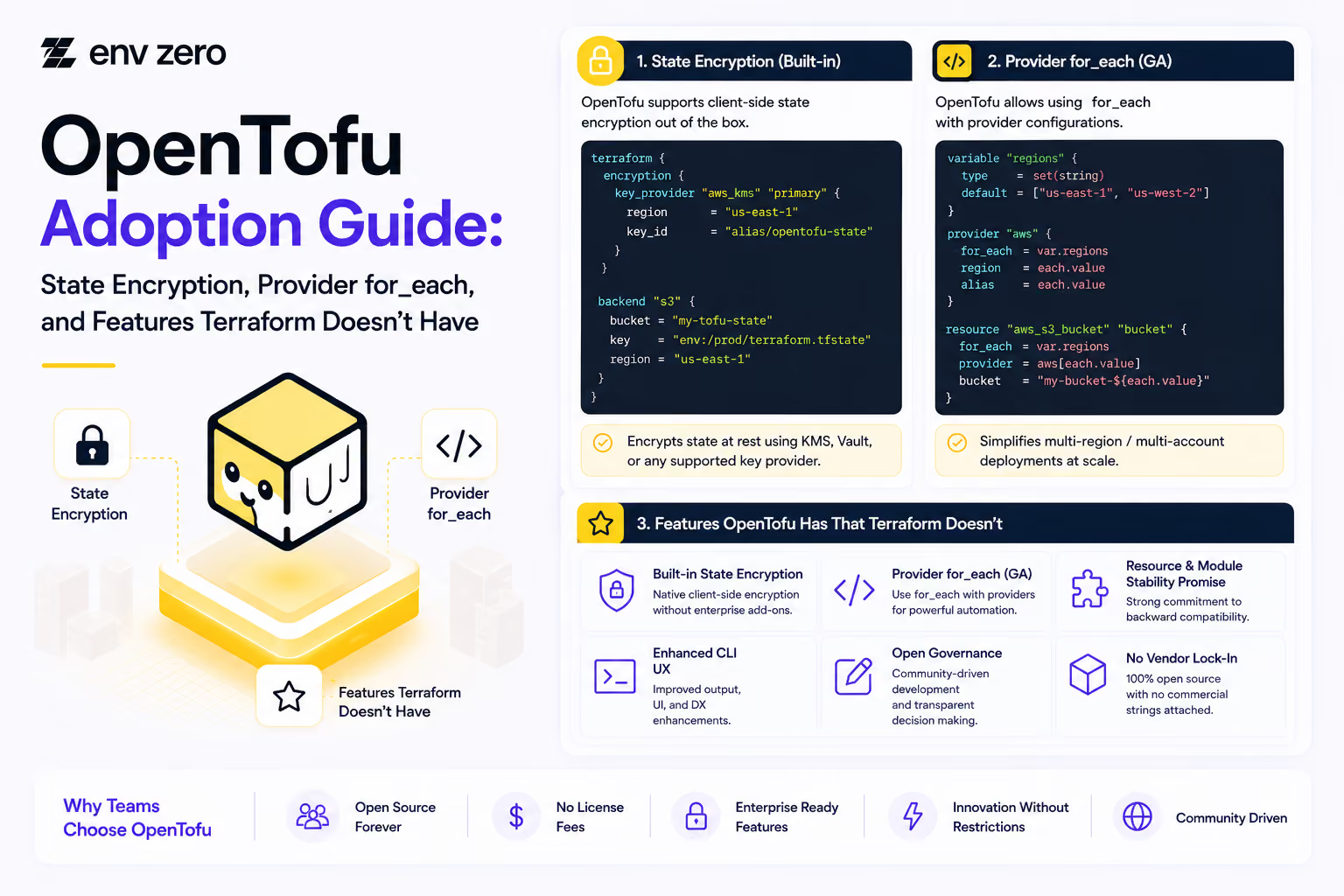
OpenTofu Adoption Guide: State Encryption, Provider for_each, and Features Terraform Doesn't Have
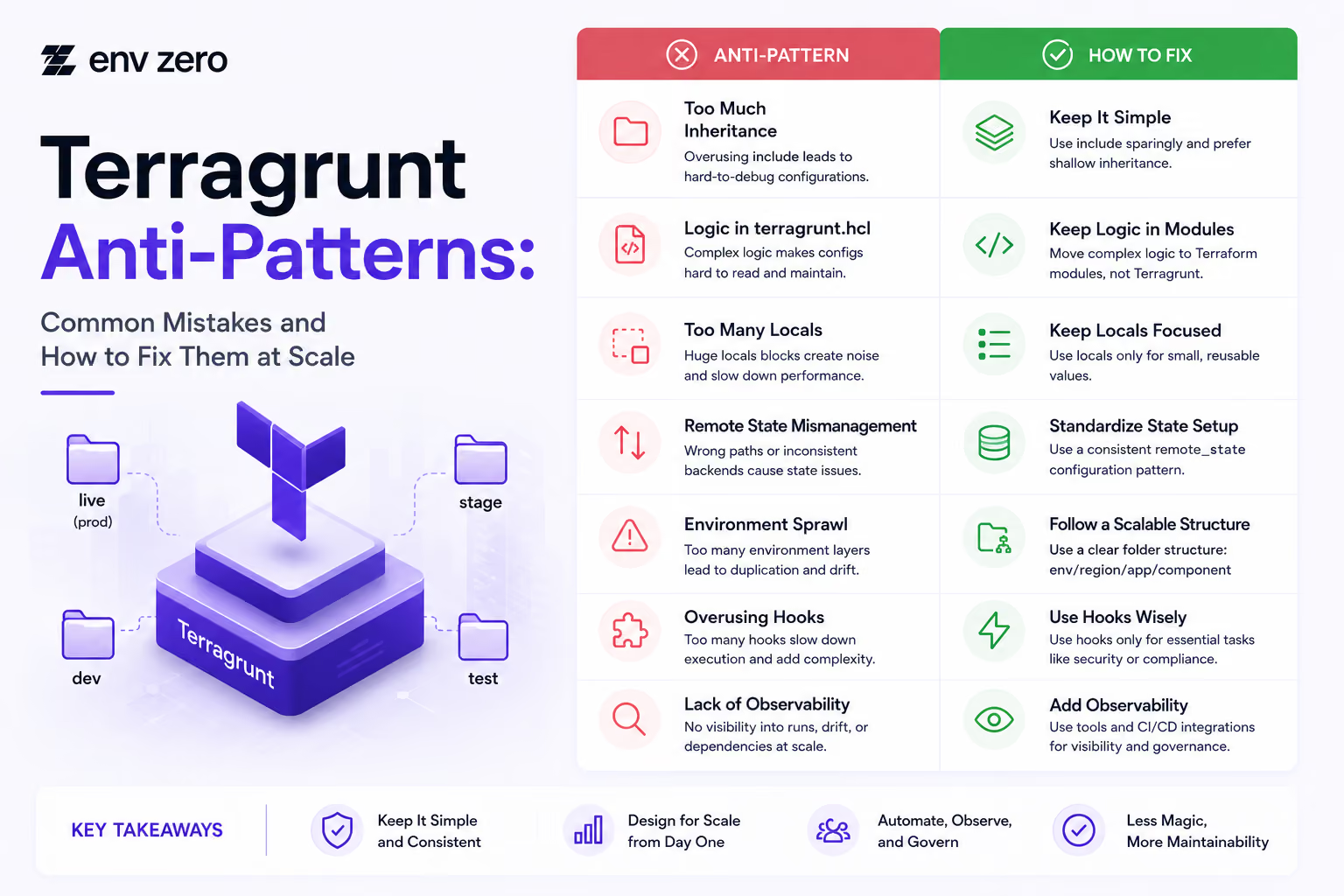

How to Install Terragrunt and Set Up Your First Multi-Environment Project (2026 Edition)
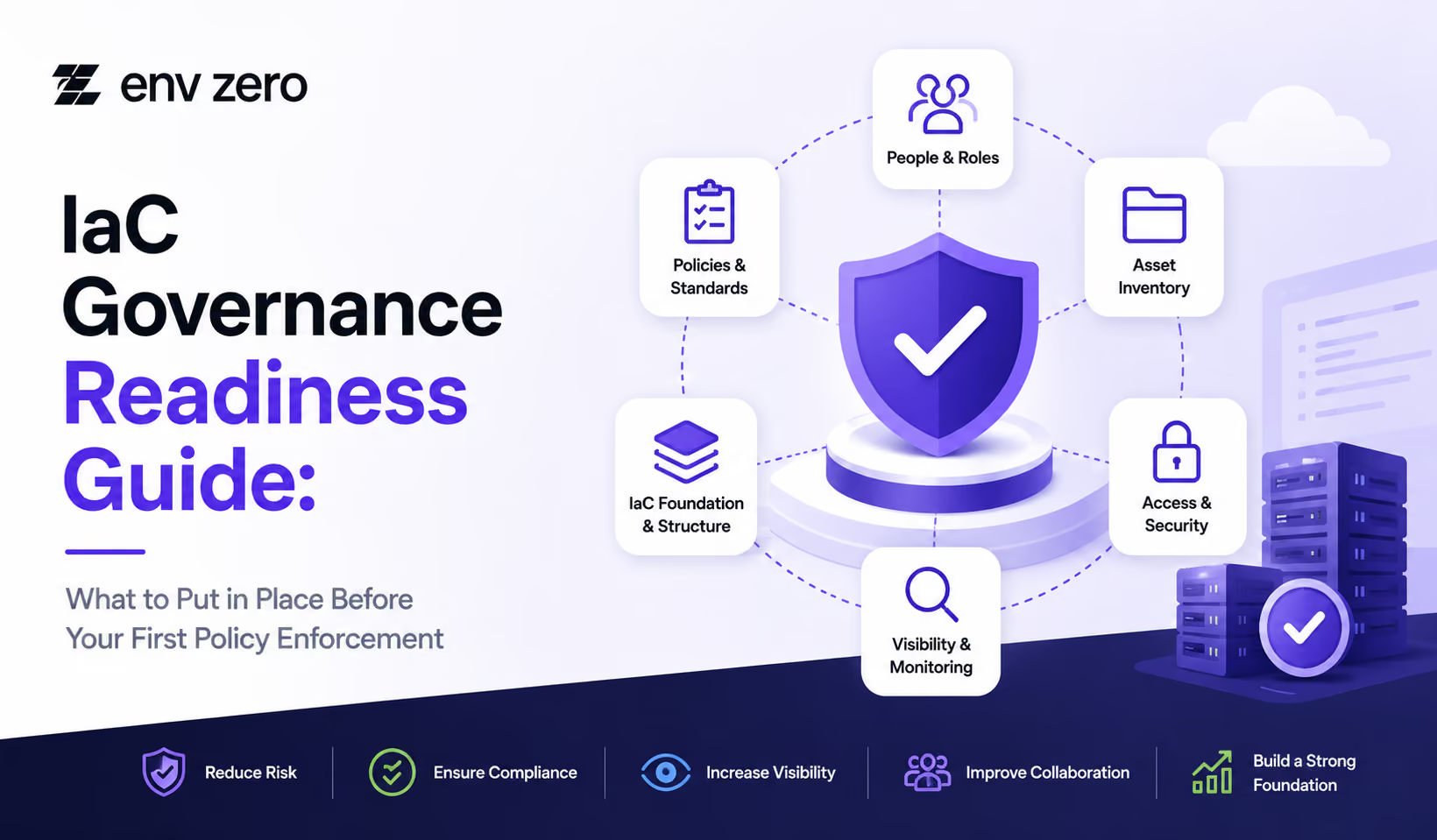
IaC Governance Readiness Guide: What to Put in Place Before Your First Policy Enforcement
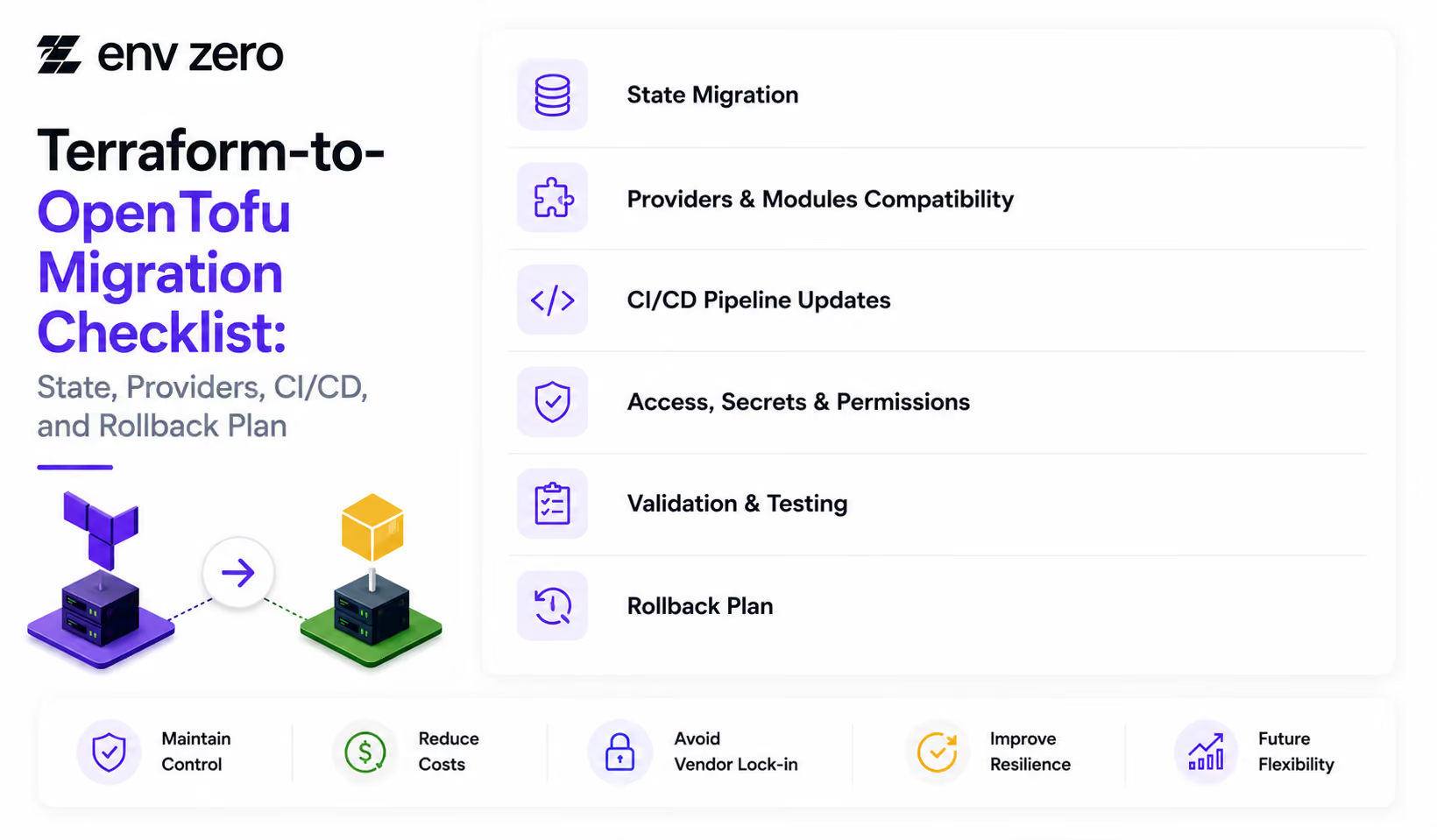
Terraform-to-OpenTofu Migration Checklist: State, Providers, CI/CD, and Rollback Plan










Audit Trail Setup Guide: Maintaining Compliance and Security Across Your Infrastructure


Pipeline Visibility Checklist: Ensuring Full Transparency Across Deployment Workflows

Rollback Readiness Checklist: Ensuring Fast and Reliable Recovery Across Environments
Deployment Automation Checklist: Ensuring Consistent and Reliable Infrastructure Delivery