.svg)


Introduction
Infrastructure templates are the foundation of self-service systems and platform engineering. They define how resources are provisioned, enforce best practices, and ensure consistency across environments.
But templates are only as effective as their quality.
Without a structured review process, templates can introduce security risks, increase costs, and create inconsistent environments. Over time, this leads to reduced trust in the platform and lower adoption of self-service workflows.
An infrastructure template review checklist helps platform teams validate templates before they are released or updated. It ensures that every template meets organizational standards and supports scalable, reliable infrastructure delivery.
Why Template Reviews Are Critical for Scale
As organizations grow, the number of templates increases. Without a review process, this can lead to duplication, inconsistency, and outdated configurations.
Templates may include incorrect defaults, missing security controls, or inefficient resource configurations. These issues are often difficult to detect after deployment.
A structured review process ensures that templates are validated upfront. It reduces risk, improves reliability, and creates a consistent foundation for self-service infrastructure.
This is especially important in enterprise environments where governance and compliance are critical.
Security Validation: Are Templates Safe by Default?
Security should be the first priority in any template review.
Templates must enforce secure configurations by default. This includes encryption settings, access restrictions, and network configurations.
Any potential vulnerabilities should be identified and addressed before the template is made available. Open access points, weak permissions, or missing controls can create significant risks.
A strong template ensures that developers do not need to think about security—it is already built into the system.
Cost Optimization: Are Resources Efficiently Configured?
Templates have a direct impact on infrastructure costs.
If resource configurations are not optimized, organizations may end up overprovisioning or wasting resources. This can lead to unnecessary spending at scale.
Templates should include cost-aware defaults, such as appropriate instance sizes, usage limits, and lifecycle policies.
Reviewing templates for cost efficiency ensures that infrastructure remains sustainable and aligned with organizational budgets.
Compliance Alignment: Do Templates Meet Policy Requirements?
Templates must align with organizational and regulatory requirements.
This includes enforcing policies related to data protection, access control, and operational standards. Compliance requirements may vary based on industry and environment.
A review process ensures that templates incorporate these requirements and that all deployments meet the necessary standards — forming a critical part of an organization's broader cloud governance and risk management strategy.
This reduces the risk of compliance violations and simplifies auditing processes.
Parameter Validation: Are Inputs Controlled and Safe?
Templates often include parameters that allow developers to customize deployments.
While flexibility is important, parameters must be controlled. Unrestricted inputs can lead to misconfigurations, security issues, or cost overruns.
Templates should validate inputs and restrict them to approved values. This ensures that customization remains within defined boundaries.
Effective parameter validation balances flexibility with governance — a core principle of self-service with guardrails that allows developers to customize deployments without compromising organizational standards.
Version Control and Lifecycle Management
Templates are not static—they evolve over time.
A review checklist should include version control practices to ensure that updates are tracked and managed properly. Each version should be documented, and changes should be communicated clearly.
Lifecycle management is also important. Outdated templates should be deprecated and replaced with updated versions.
This ensures that developers are always using the most reliable and compliant templates.
Usability and Developer Experience
A template may be technically sound but still fail if it is difficult to use.
Templates should be easy to understand, with clear naming, minimal required inputs, and intuitive workflows. Documentation should be concise and accessible.
Developer experience plays a key role in adoption. If templates are easy to use, developers are more likely to rely on them consistently.
A usability review ensures that templates support both technical and user requirements.
Consistency Across Templates
Consistency is essential for scalable infrastructure.
Templates should follow standardized naming conventions, structures, and configurations. This makes it easier for developers to understand and use them.
Inconsistent templates create confusion and increase the risk of errors. A review process ensures that all templates align with a common framework.
This improves both usability and governance.
Integration with Workflows and Automation
Templates should not exist in isolation. They must be integrated into infrastructure workflows and automation systems.
This includes compatibility with CI/CD pipelines, approval workflows, and policy enforcement systems.
A review should ensure that templates function correctly within these workflows and support seamless automation.
This integration is critical for enabling efficient self-service infrastructure.
Common Issues Identified During Template Reviews
Template reviews often reveal recurring issues.
Security misconfigurations, inefficient resource usage, and lack of parameter validation are common problems. Inconsistent naming and outdated configurations are also frequently identified.
Addressing these issues early prevents larger problems later and ensures that templates remain reliable and effective.
How env zero Supports Template Review and Governance
Managing template quality at scale requires a platform that supports validation, versioning, and policy enforcement.
env zero enables platform teams to define templates, enforce policies through policy-as-code, and integrate templates into automated workflows.
It also provides visibility into template usage and performance, allowing teams to identify issues and improve templates over time.
With env0, organizations can maintain high-quality templates and ensure consistent infrastructure delivery.
Conclusion
Infrastructure templates are a critical component of platform engineering, but they require careful validation to ensure effectiveness.
A structured review checklist helps platform teams identify issues, enforce standards, and improve reliability. It ensures that templates support both governance and developer experience.
By implementing a consistent review process, organizations can build a strong foundation for scalable self-service infrastructure.
If your templates are inconsistent or difficult to manage, it’s time to implement a review process. With env0, you can standardize templates, enforce policies, and ensure reliable infrastructure at scale.
FAQs
What is an infrastructure template review checklist?
An infrastructure template review checklist is a structured process used by platform teams to evaluate whether a template is secure, efficient, and aligned with organizational standards. It helps ensure that templates are not only functional but also optimized for governance, cost control, and scalability before being used in production environments.
Why are template reviews important in platform engineering?
Template reviews are critical because they prevent issues before deployment rather than fixing them later. By validating templates for security, compliance, and performance, organizations can reduce operational risks, avoid costly mistakes, and maintain consistent infrastructure across all environments.
What should be included in a template review process?
A comprehensive review process should cover security configurations, cost optimization, compliance requirements, parameter validation, and usability. It should also ensure that templates follow naming conventions, integrate with workflows, and align with policy guardrails used across the platform.
How do infrastructure templates impact governance?
Templates play a direct role in governance because they define how infrastructure is provisioned. When templates include built-in policies and best practices, they enforce compliance automatically, reducing the need for manual oversight and ensuring consistent behavior across all deployments.
What is parameter validation in infrastructure templates?
Parameter validation ensures that users can only input approved values when customizing templates. This prevents misconfigurations, limits security risks, and ensures that infrastructure remains within defined operational and cost boundaries while still allowing flexibility.
How often should infrastructure templates be reviewed?
Templates should be reviewed regularly, especially when infrastructure requirements, security standards, or policies change. In most organizations, reviews happen during updates, but periodic audits are also recommended to ensure ongoing alignment with best practices.
What are the most common issues found in template reviews?
Common issues include missing security controls, inefficient resource configurations, lack of parameter restrictions, and outdated settings. These problems can lead to vulnerabilities, increased costs, and inconsistent infrastructure if not addressed early.
How does version control improve template management?
Version control allows platform teams to track changes, manage updates, and maintain consistency across templates. It ensures that developers use approved versions and provides a clear history of modifications for auditing and troubleshooting purposes.
How do templates support scalable self-service infrastructure?
Templates enable scalability by providing standardized configurations that developers can use repeatedly. This reduces manual work, improves consistency, and ensures that infrastructure provisioning aligns with organizational policies and workflows.
How does env zero help with template review and governance?
env zero supports template governance by enabling policy enforcement, version control, and workflow integration within a single platform. It allows teams to validate templates automatically, monitor usage, and ensure that all infrastructure provisioning follows defined standards.
Related Content
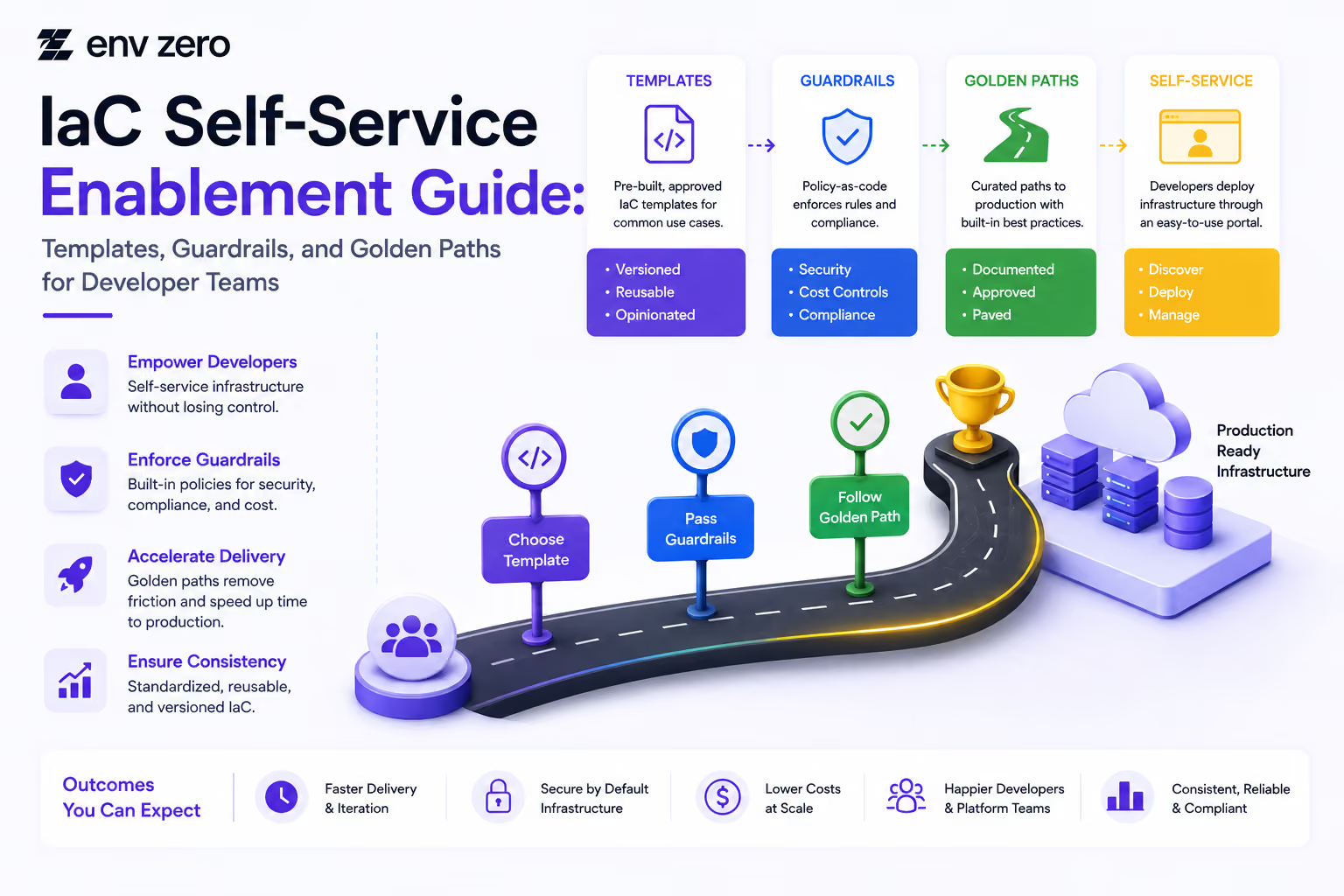
IaC Self-Service Enablement Guide: Templates, Guardrails, and Golden Paths for Developer Teams
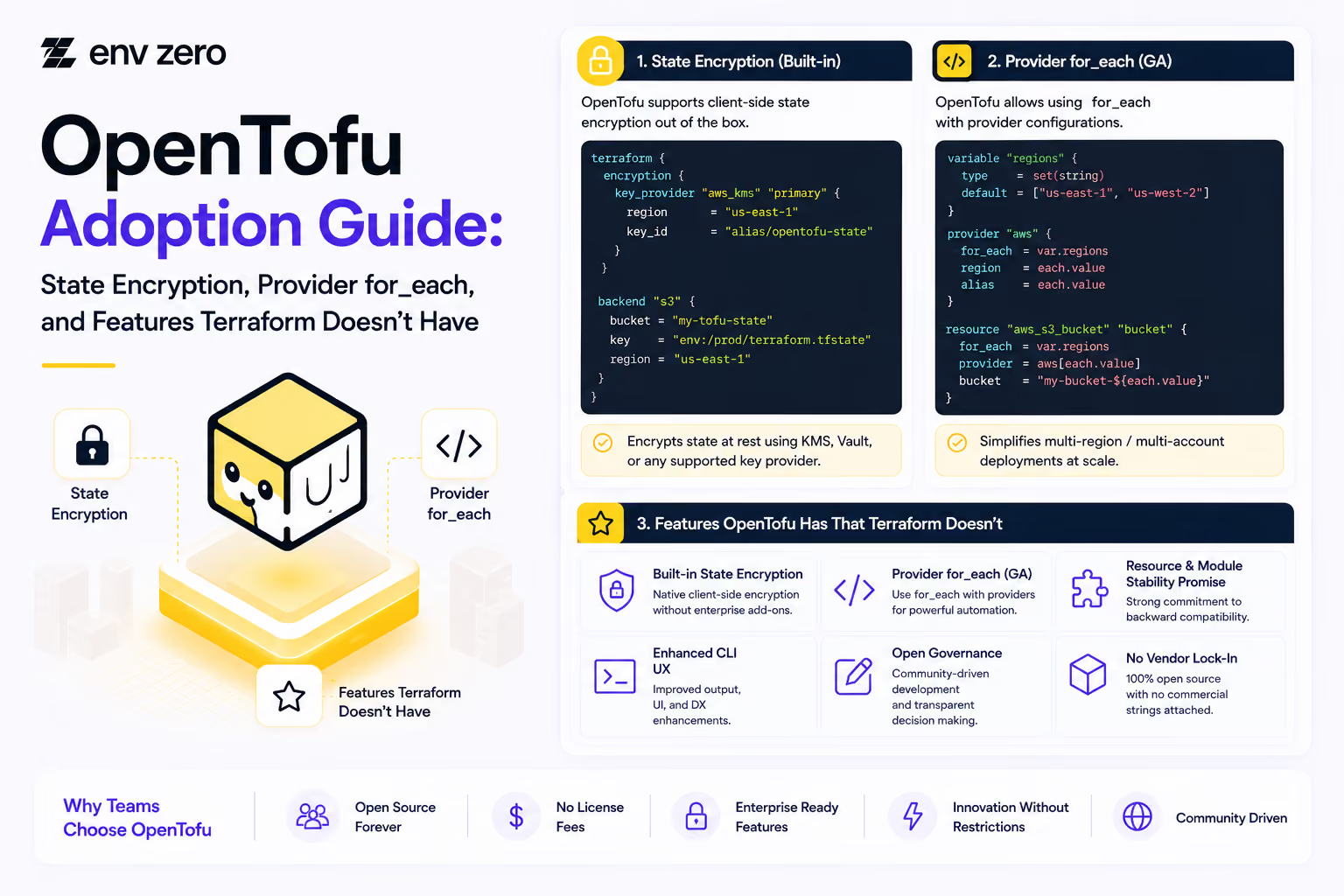
OpenTofu Adoption Guide: State Encryption, Provider for_each, and Features Terraform Doesn't Have
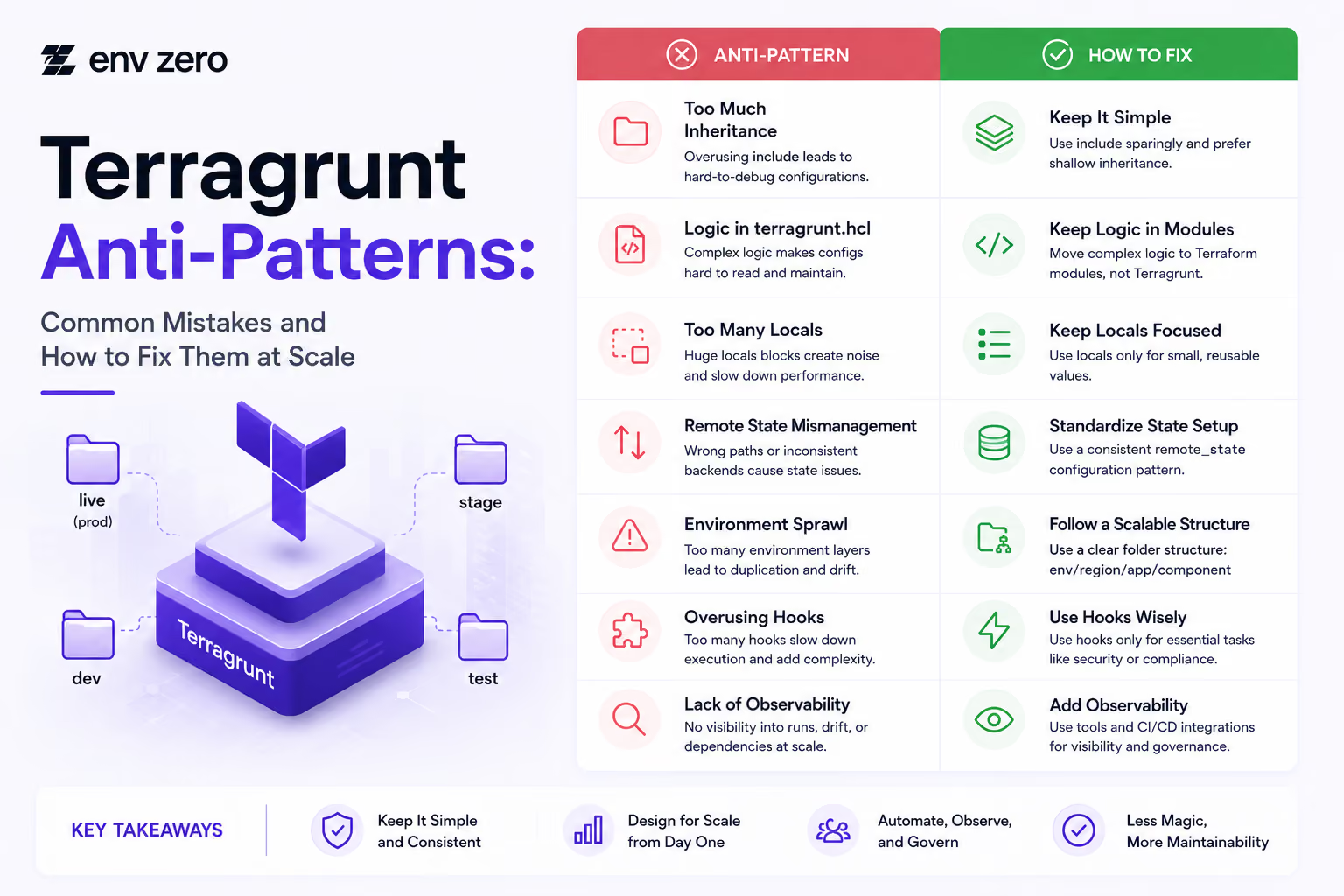
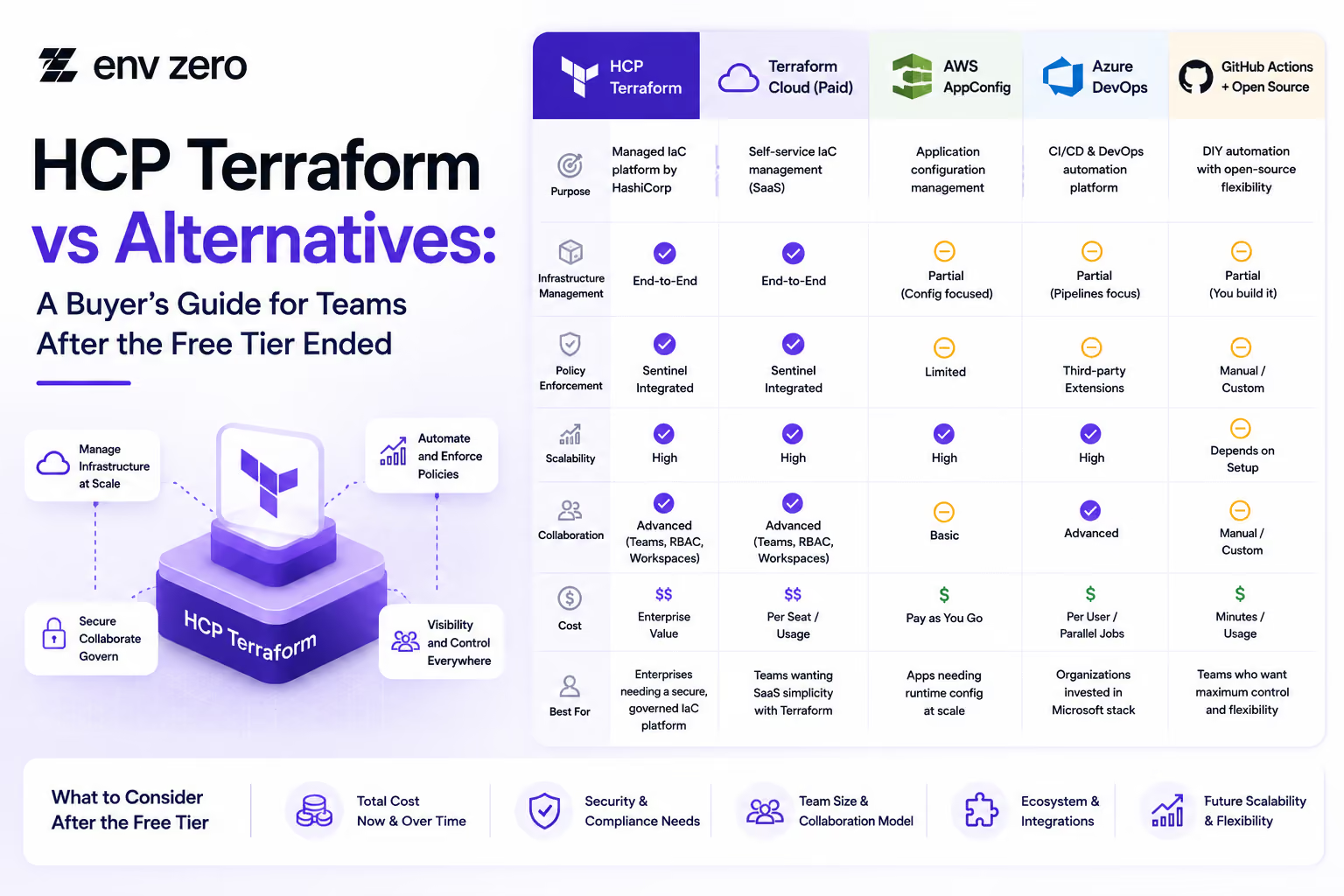

How to Install Terragrunt and Set Up Your First Multi-Environment Project (2026 Edition)
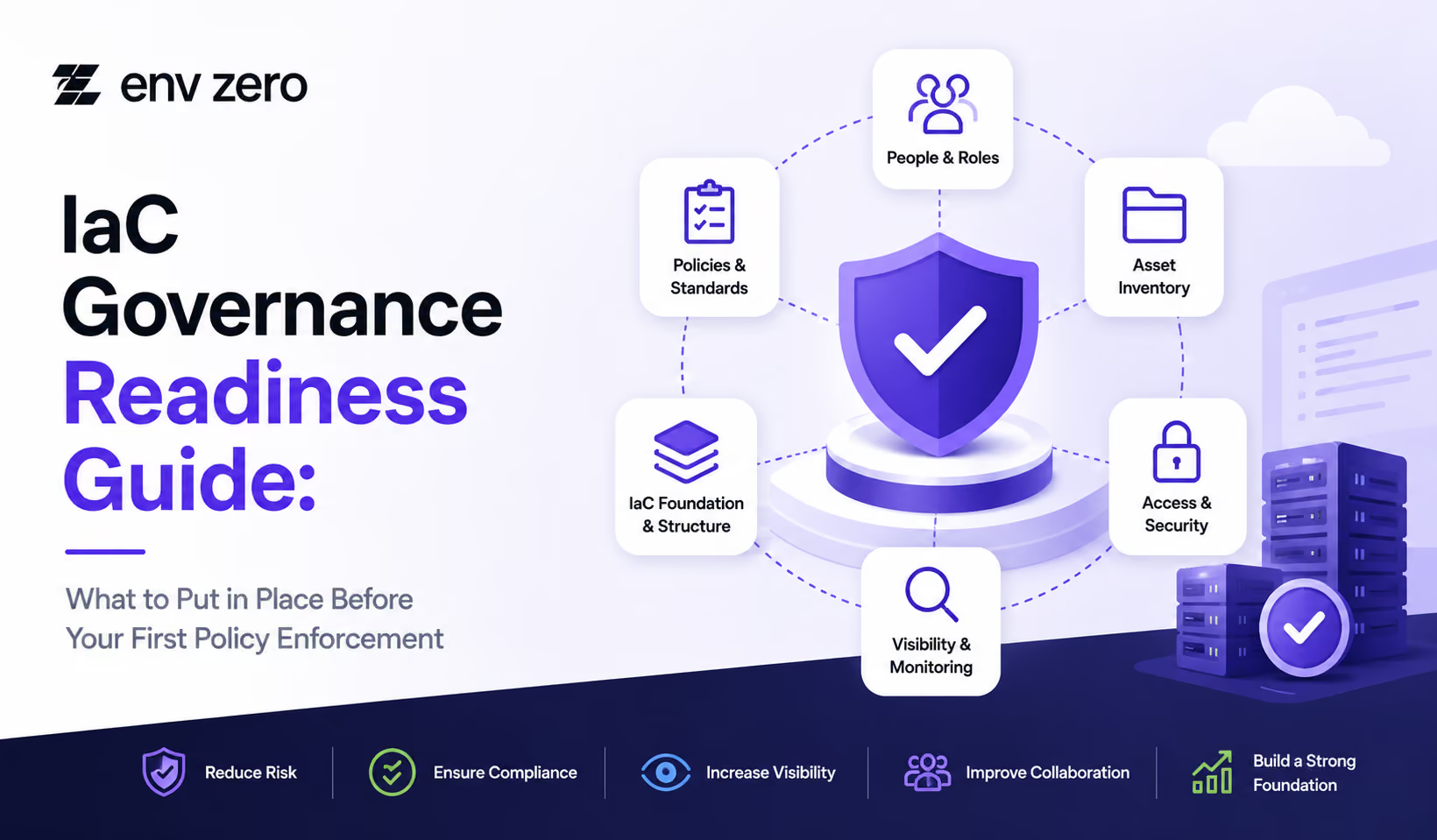
IaC Governance Readiness Guide: What to Put in Place Before Your First Policy Enforcement
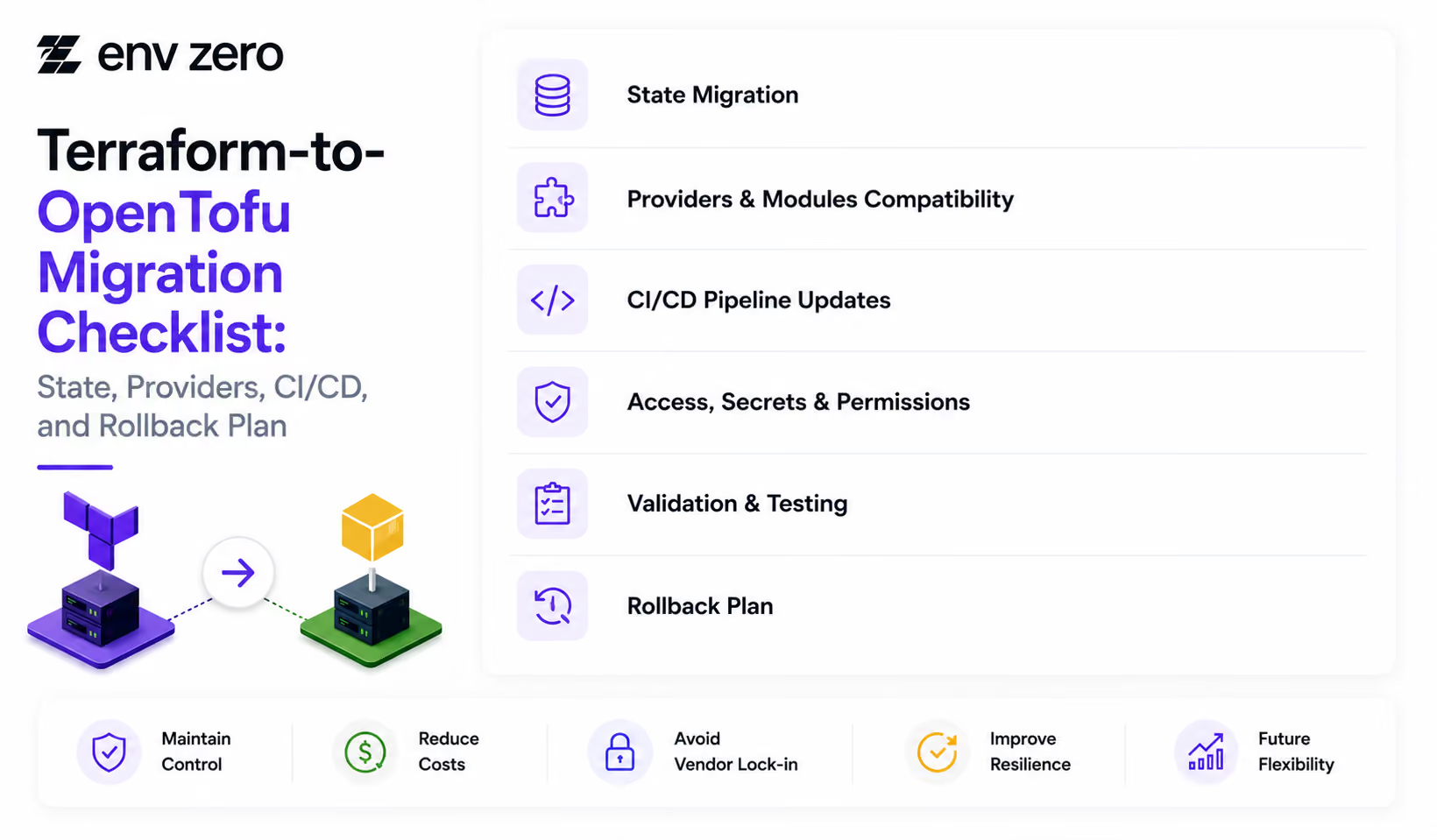
Terraform-to-OpenTofu Migration Checklist: State, Providers, CI/CD, and Rollback Plan
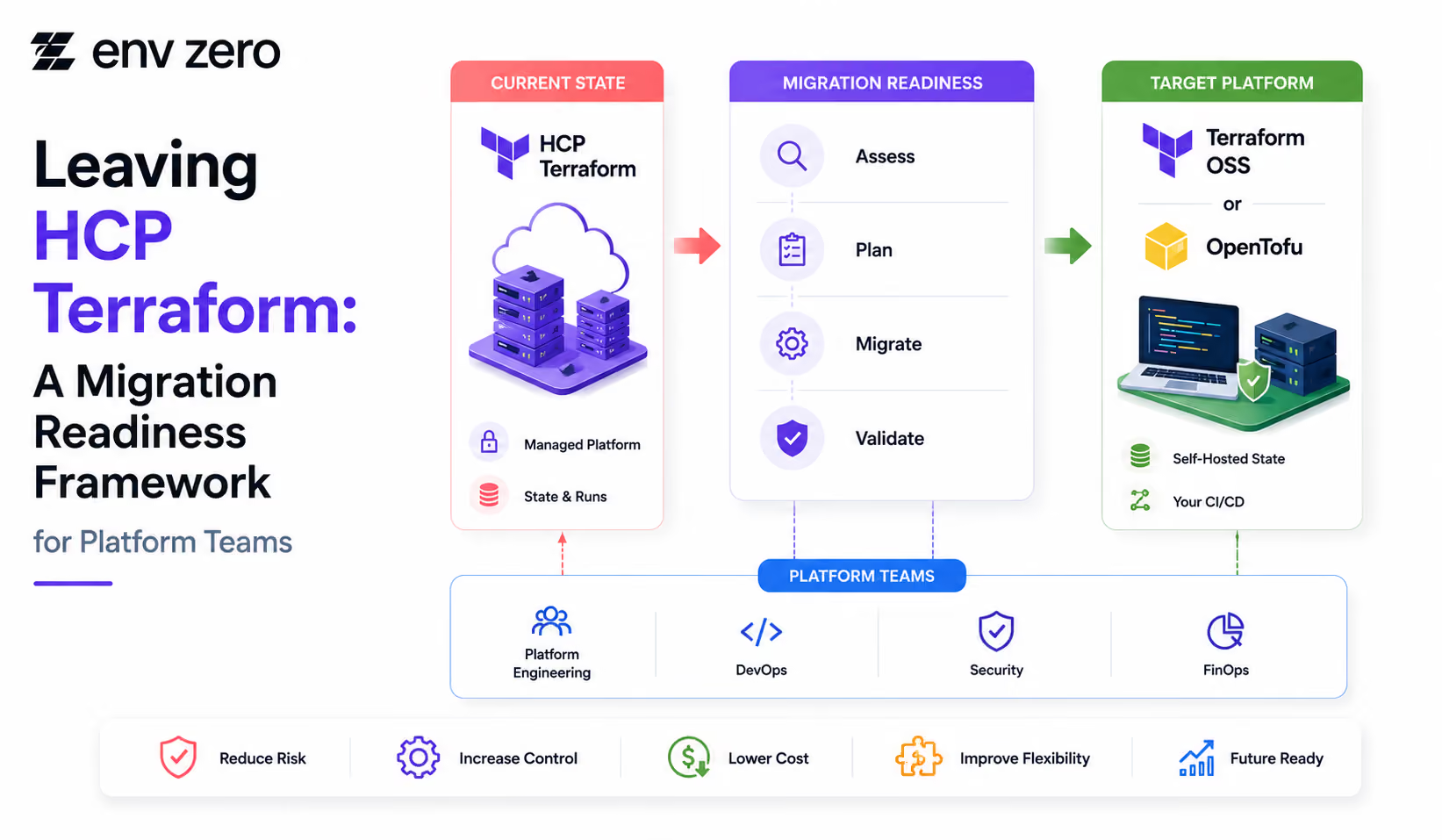
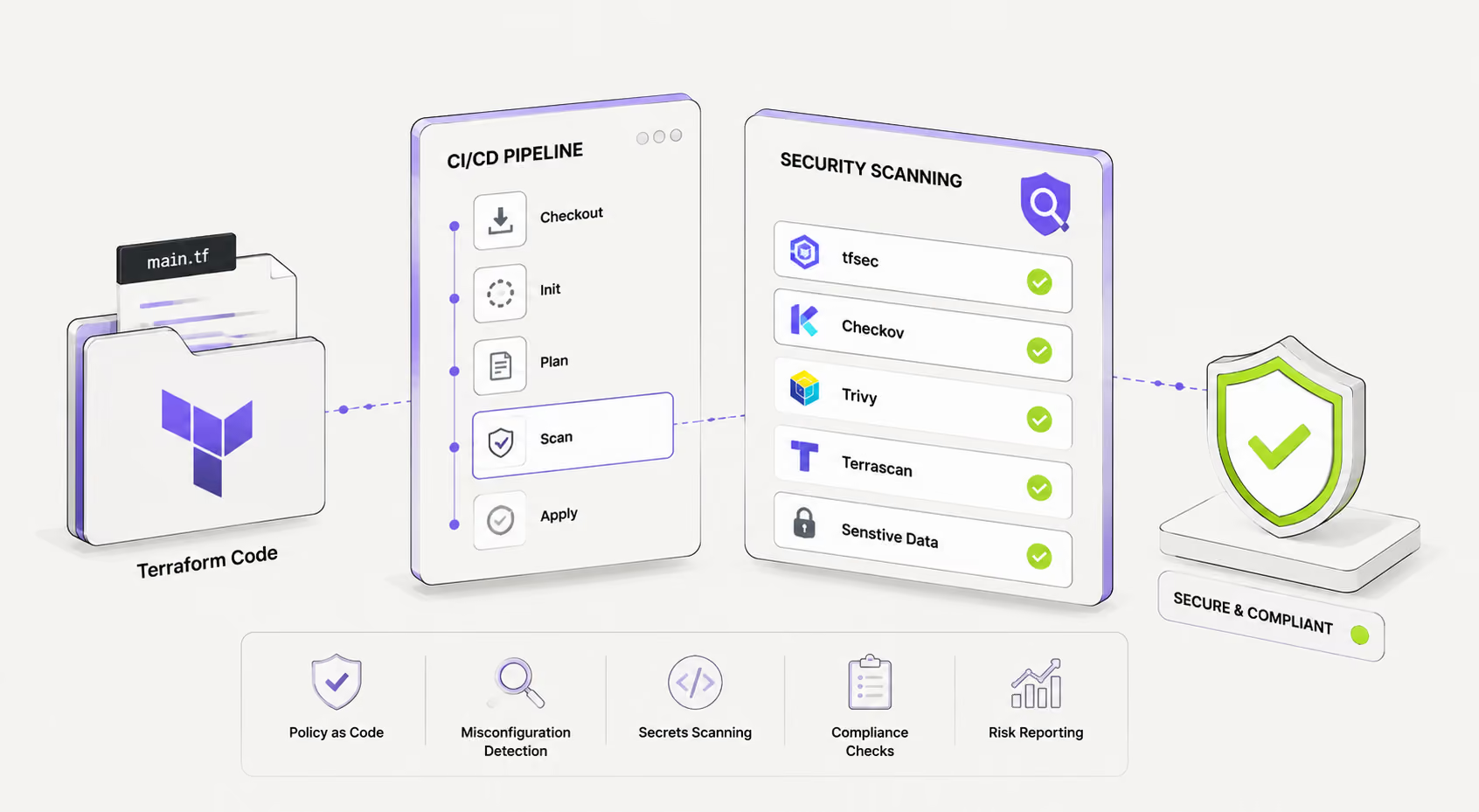











Audit Trail Setup Guide: Maintaining Compliance and Security Across Your Infrastructure


Pipeline Visibility Checklist: Ensuring Full Transparency Across Deployment Workflows
Rollback Readiness Checklist: Ensuring Fast and Reliable Recovery Across Environments
Deployment Automation Checklist: Ensuring Consistent and Reliable Infrastructure Delivery