.svg)


Introduction
Policy guardrails are the backbone of scalable platform engineering. They allow organizations to enforce governance automatically while enabling developers to move quickly within defined boundaries.
However, many platform teams struggle with where to start.
Attempting to implement too many policies at once can slow down adoption and introduce unnecessary complexity. On the other hand, starting without clear priorities can leave critical gaps in governance.
The key is to begin with a focused set of high-impact guardrails.
By implementing a few essential policies first, platform teams can establish control, reduce risk, and build a foundation for scalable self-service infrastructure.
Why Starting Small with Guardrails Matters
Governance systems are most effective when they are introduced gradually.
Starting with a limited number of high-value guardrails allows teams to validate their approach, refine workflows, and build trust with developers. It also reduces resistance, as developers can adapt to new systems without feeling overwhelmed.
Early success with a few well-designed policies creates momentum. It demonstrates the value of guardrails and provides a foundation for expanding governance over time.
Guardrail 1: Cost Control Policies
Cost control is one of the most immediate and measurable areas of impact.
Without guardrails, developers may provision oversized resources, leave environments running unnecessarily, or create duplicate infrastructure. Over time, this leads to significant cloud waste and unpredictable spending.
Cost control policies address this by defining limits and guidelines for resource usage. These policies can restrict instance sizes, enforce quotas, and require approvals for high-cost deployments.
By implementing cost guardrails early, organizations can prevent unnecessary spending while maintaining flexibility for developers.
Guardrail 2: Security and Configuration Standards
Security is a critical concern in any infrastructure environment.
Misconfigured resources, open access points, and inconsistent security settings can introduce vulnerabilities that are difficult to detect and resolve.
Security guardrails ensure that all infrastructure follows predefined standards. This includes enforcing encryption, restricting public access, and validating configurations against security policies.
By embedding these controls into templates and workflows, organizations can ensure that every deployment is secure by default.
Guardrail 3: Environment-Based Access Control
Not all environments carry the same level of risk.
Development environments are typically more flexible, allowing experimentation and rapid iteration. Production environments, however, require stricter controls to ensure stability and reliability.
Environment-based access control ensures that governance is applied appropriately across different environments. Developers may have broader permissions in development, while production changes require additional validation or approvals.
This approach balances autonomy and control, allowing teams to move quickly while protecting critical systems.
How These Guardrails Work Together
Each of these guardrails addresses a different aspect of infrastructure governance, but they are most effective when combined.
Cost control ensures efficient resource usage. Security guardrails protect against vulnerabilities. Environment-based controls align governance with risk levels.
Together, they create a balanced system that supports both scalability and reliability.
By starting with these three areas, platform teams can establish a strong foundation for more advanced governance models.
Avoiding Common Mistakes When Implementing Guardrails
A common mistake is overloading the system with too many policies at once. This can create friction and reduce adoption.
Another issue is applying overly restrictive rules that limit developer flexibility. Guardrails should guide behavior, not block productivity.
Lack of visibility is also a challenge. Developers need to understand why policies are applied and how they impact their workflows.
Clear communication and gradual implementation are key to avoiding these pitfalls.
Expanding Guardrails Over Time
Once foundational guardrails are in place, platform teams can expand their governance model — incorporating cost governance and FinOps enablement alongside approval automation and advanced compliance controls to build a more mature and financially accountable infrastructure system.
Additional policies may include approval automation, policy layering, and advanced compliance controls. These can be introduced gradually as the organization gains confidence and maturity.
The goal is to build a scalable system that evolves with the organization, rather than implementing everything at once.
How env zero Helps Implement Policy Guardrails
Implementing policy guardrails requires a platform that can enforce rules consistently across infrastructure workflows.
env zero enables platform teams to define policies using policy-as-code, apply them automatically during provisioning, and monitor compliance in real time.
This allows organizations to implement guardrails without introducing manual overhead, ensuring that governance is both scalable and efficient.
Conclusion
Policy guardrails are essential for building scalable and secure infrastructure systems.
By starting with cost control, security standards, and environment-based access, platform teams can establish a strong governance foundation without slowing down development.
This approach allows organizations to balance speed and control, enabling self-service infrastructure while maintaining consistency and compliance.
If you’re just getting started with policy guardrails, focus on what matters most. With env0, you can implement foundational policies quickly, enforce governance automatically, and scale your infrastructure with confidence.
FAQs
What are policy guardrails in platform engineering?
Policy guardrails are automated rules that ensure infrastructure actions comply with security, cost, and operational standards while allowing developers to work independently.
Why should platform teams start with a few guardrails?
Starting small allows teams to validate their approach, reduce complexity, and build trust with developers before expanding governance.
What is the most important guardrail to implement first?
Cost control is often the first priority, as it provides immediate visibility and impact on infrastructure spending.
How do security guardrails work?
They enforce predefined configurations, such as encryption and access restrictions, ensuring that all deployments meet security standards.
What is environment-based access control?
It applies different levels of governance based on environment type, with stricter controls for production and more flexibility for development.
Do guardrails limit developer autonomy?
No, they provide boundaries within which developers can operate freely, balancing autonomy with governance.
How can organizations expand guardrails over time?
They can gradually introduce additional policies, such as approval automation and compliance controls, as their systems mature.
What are common mistakes in guardrail implementation?
Common mistakes include over-restricting workflows, adding too many policies at once, and failing to provide transparency.
How do guardrails improve platform engineering?
They ensure consistency, reduce risk, and enable scalable infrastructure management without manual oversight.
How does env zero support policy guardrails?
env zero provides policy-as-code, automated enforcement, and real-time monitoring, enabling scalable and consistent governance.
Related Content
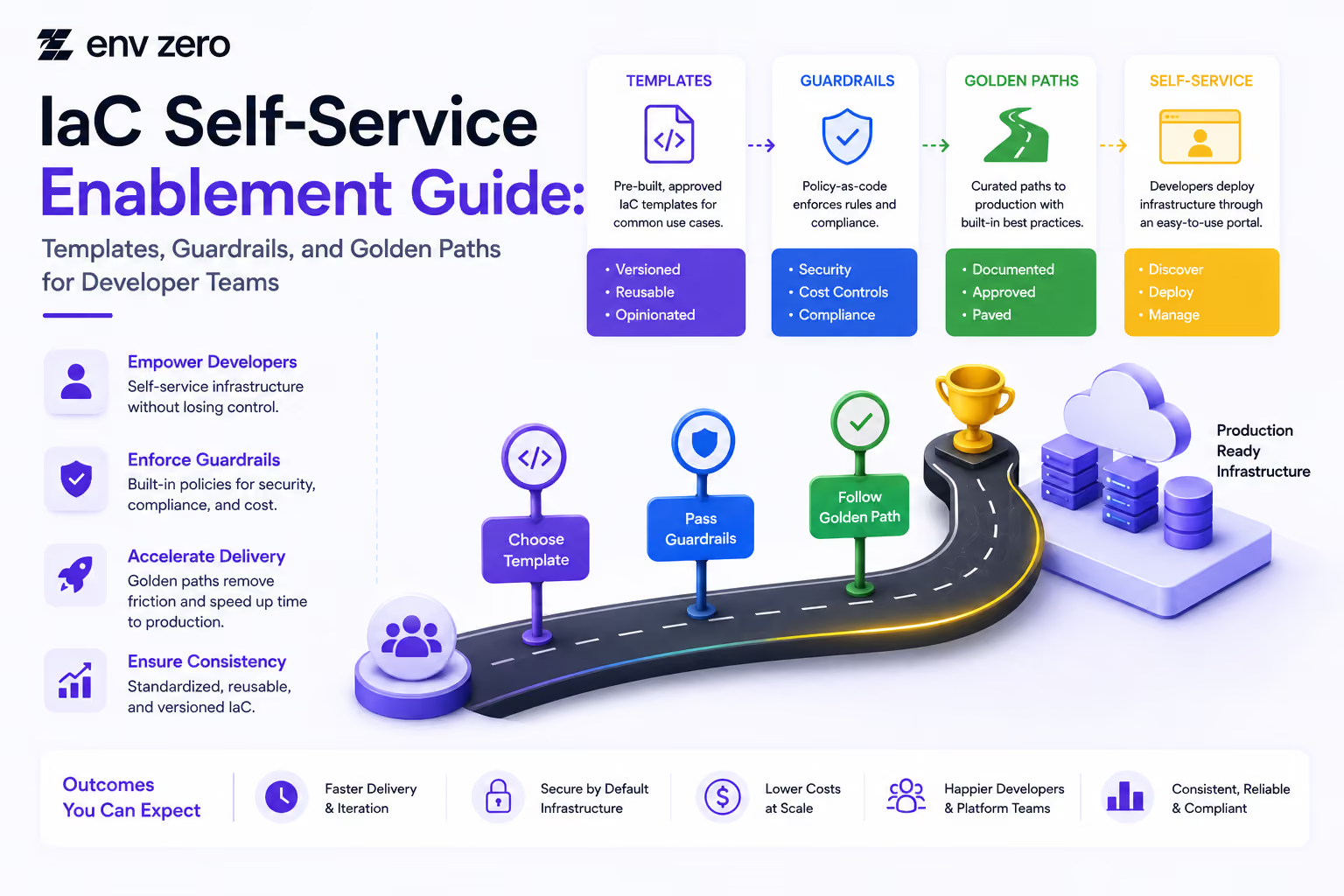
IaC Self-Service Enablement Guide: Templates, Guardrails, and Golden Paths for Developer Teams
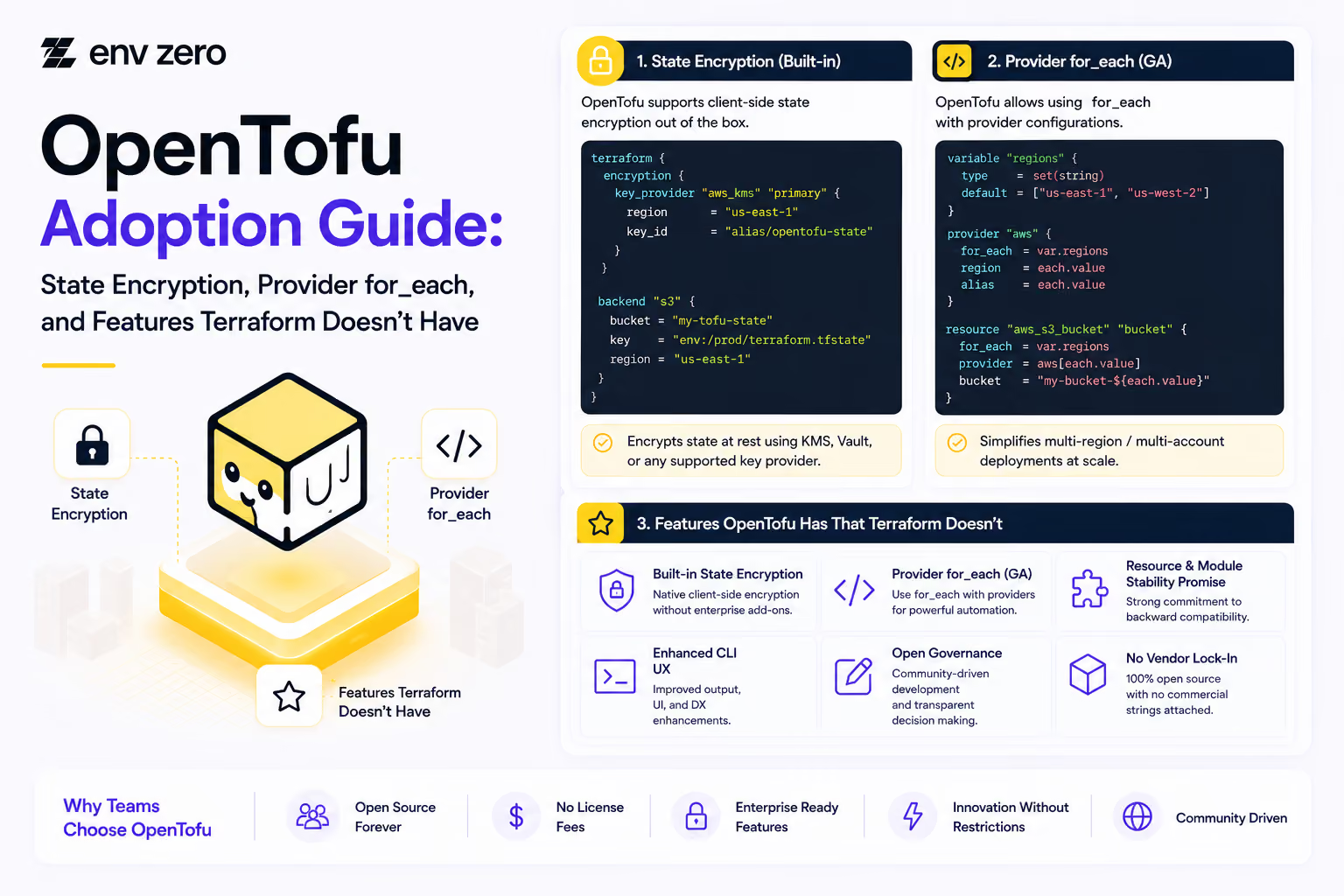
OpenTofu Adoption Guide: State Encryption, Provider for_each, and Features Terraform Doesn't Have
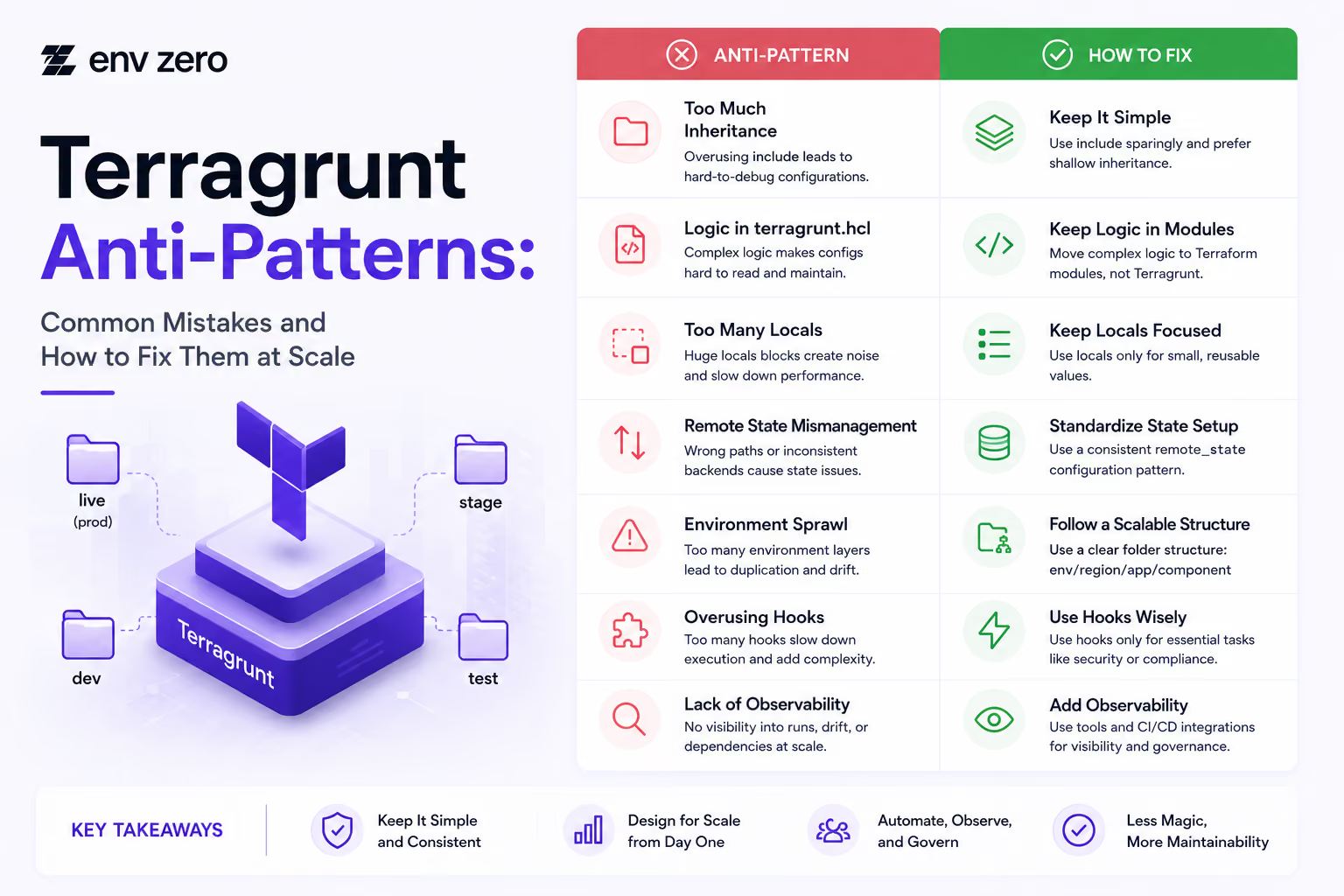

How to Install Terragrunt and Set Up Your First Multi-Environment Project (2026 Edition)
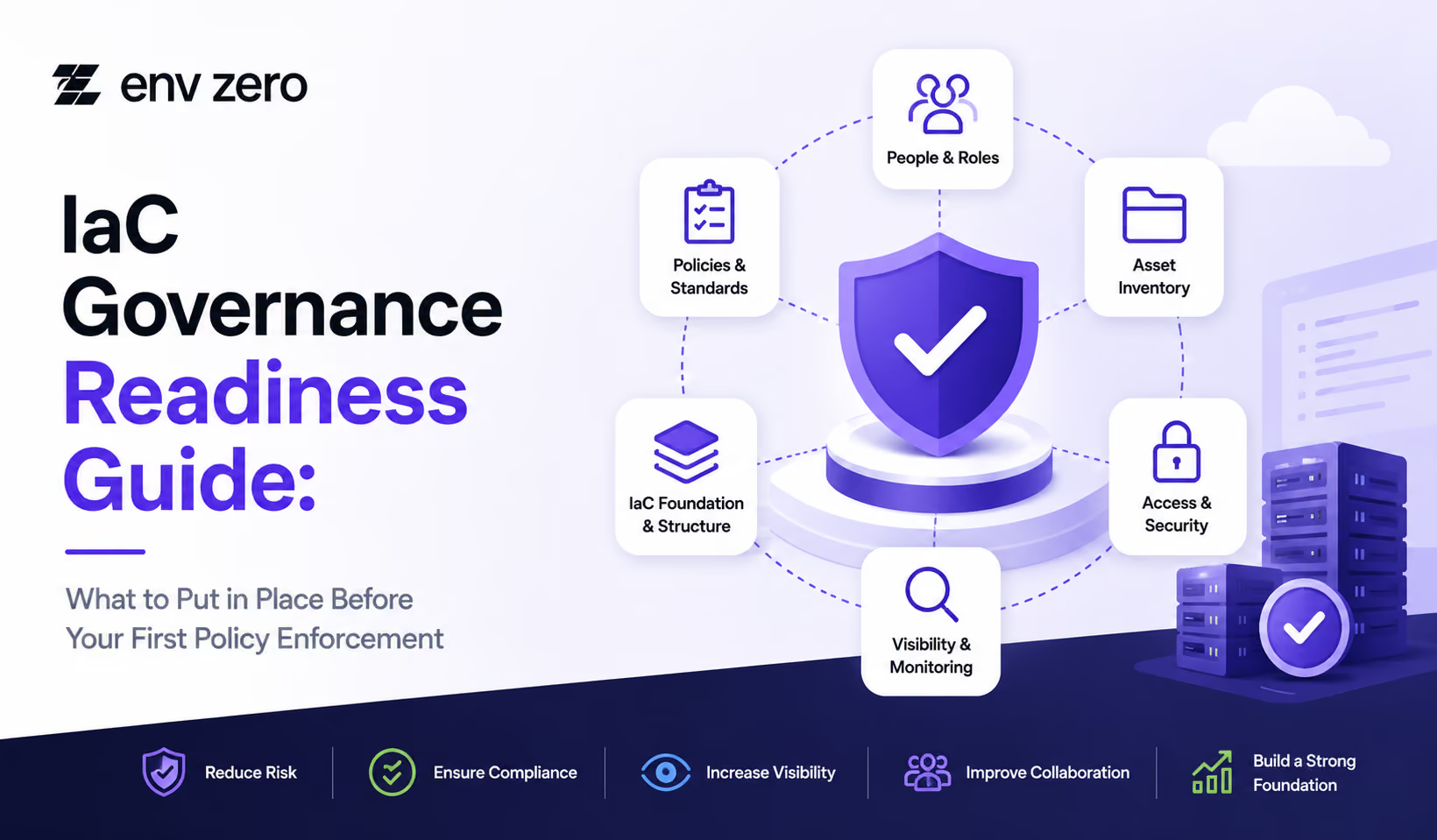
IaC Governance Readiness Guide: What to Put in Place Before Your First Policy Enforcement
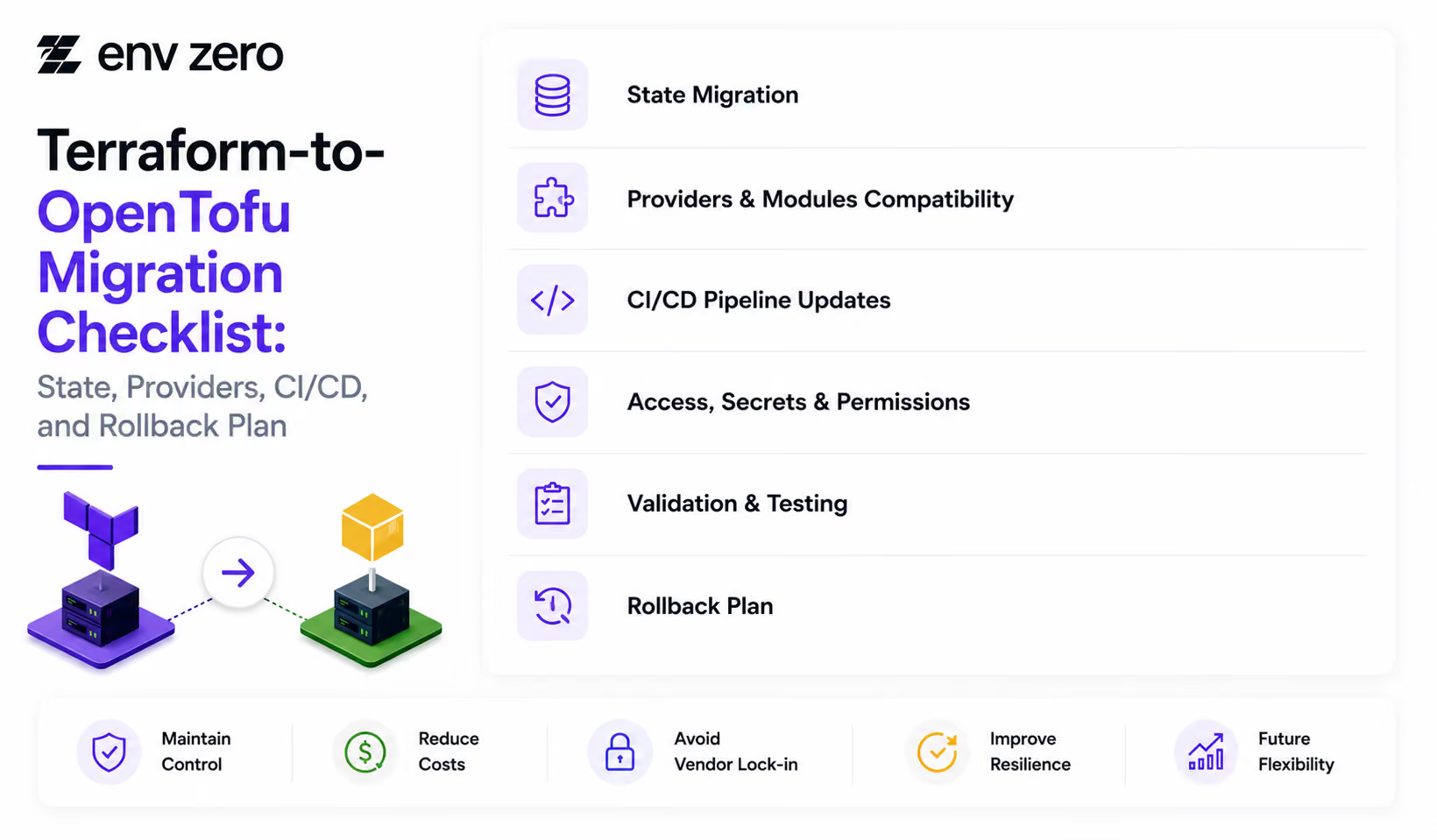
Terraform-to-OpenTofu Migration Checklist: State, Providers, CI/CD, and Rollback Plan








Audit Trail Setup Guide: Maintaining Compliance and Security Across Your Infrastructure


Pipeline Visibility Checklist: Ensuring Full Transparency Across Deployment Workflows

Rollback Readiness Checklist: Ensuring Fast and Reliable Recovery Across Environments
Deployment Automation Checklist: Ensuring Consistent and Reliable Infrastructure Delivery