.svg)
One Policy Surface. Every Source. Always Enforced.
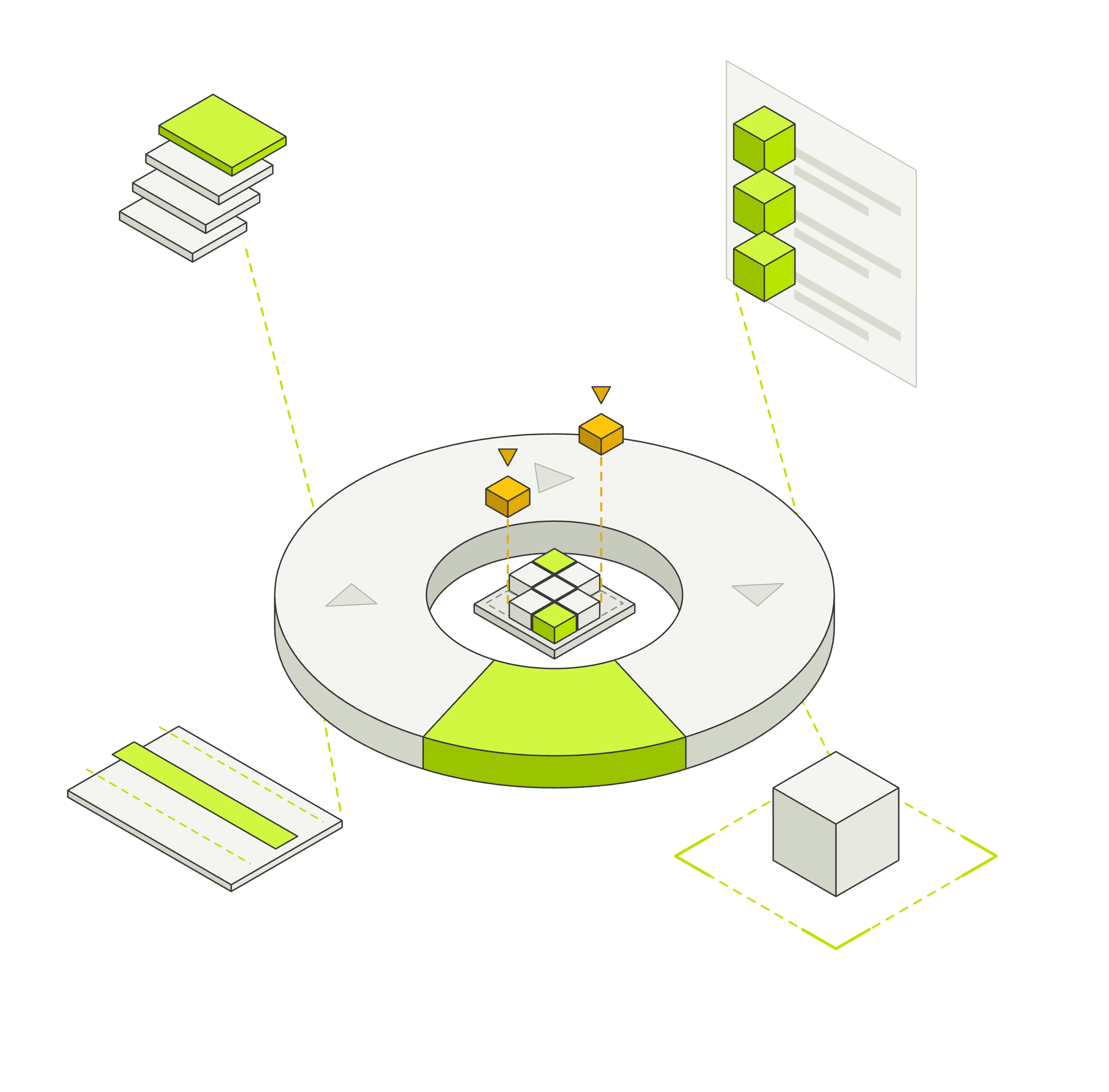
Policy-as-Code, CSPM, IAM, FinOps: env zero brings every policy source onto one surface, continuously compares declared state against discovered state, and enforces the fix at the IaC source.




%25201.svg)







Why It Matters
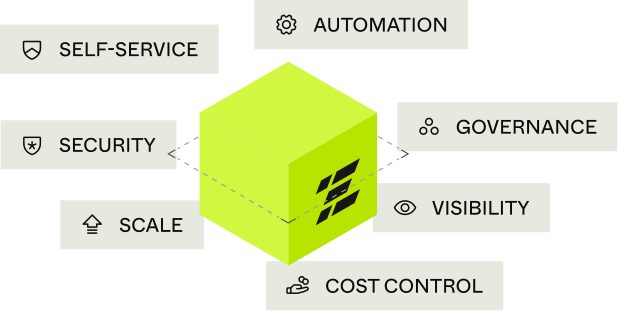
Your policies live in a dozen places: Policy-as-Code in the pipeline, FinOps rules, CSPM findings in a security console, IAM and security-group rules inside each cloud. Every source checks its own slice, flags what it finds, and stops. The checks are point-in-time, the findings pile up on a human, and between runs your live infrastructure quietly drifts out of policy.
env zero unifies them. One surface continuously compares declared state against discovered state across every source, contextualizes each finding against the knowledge graph (owner, code, dependencies, blast radius), and enforces the fix at the IaC source, then re-scans to confirm it. Policy is not just checked, but enforced so coverage holds and the same violations stop coming back.

Every Tool Checks Policy. Nothing Holds It.
Policy-as-Code, CSPM, IAM, security groups: each source checks its own slice at its own moment, hands you a finding, and stops. Three gaps open up.
Policy-as-Code runs in the pipeline, CSPM findings sit in a security console, IAM and security-group rules live inside each cloud. No single surface sees them together, so a rule enforced in one place is quietly violated in another and nobody notices until it matters.
A policy gate fires at deploy and a scanner runs on a schedule, but live infrastructure keeps changing between runs. Declared state and discovered state drift apart, and the window where you are silently out of policy keeps growing.
Every source flags the violation and stops. The fix lands on a human with no owner, no blast radius, and no path back to the code that defines the resource. Nothing brings it back to policy or holds it there, so the same violation returns next week.
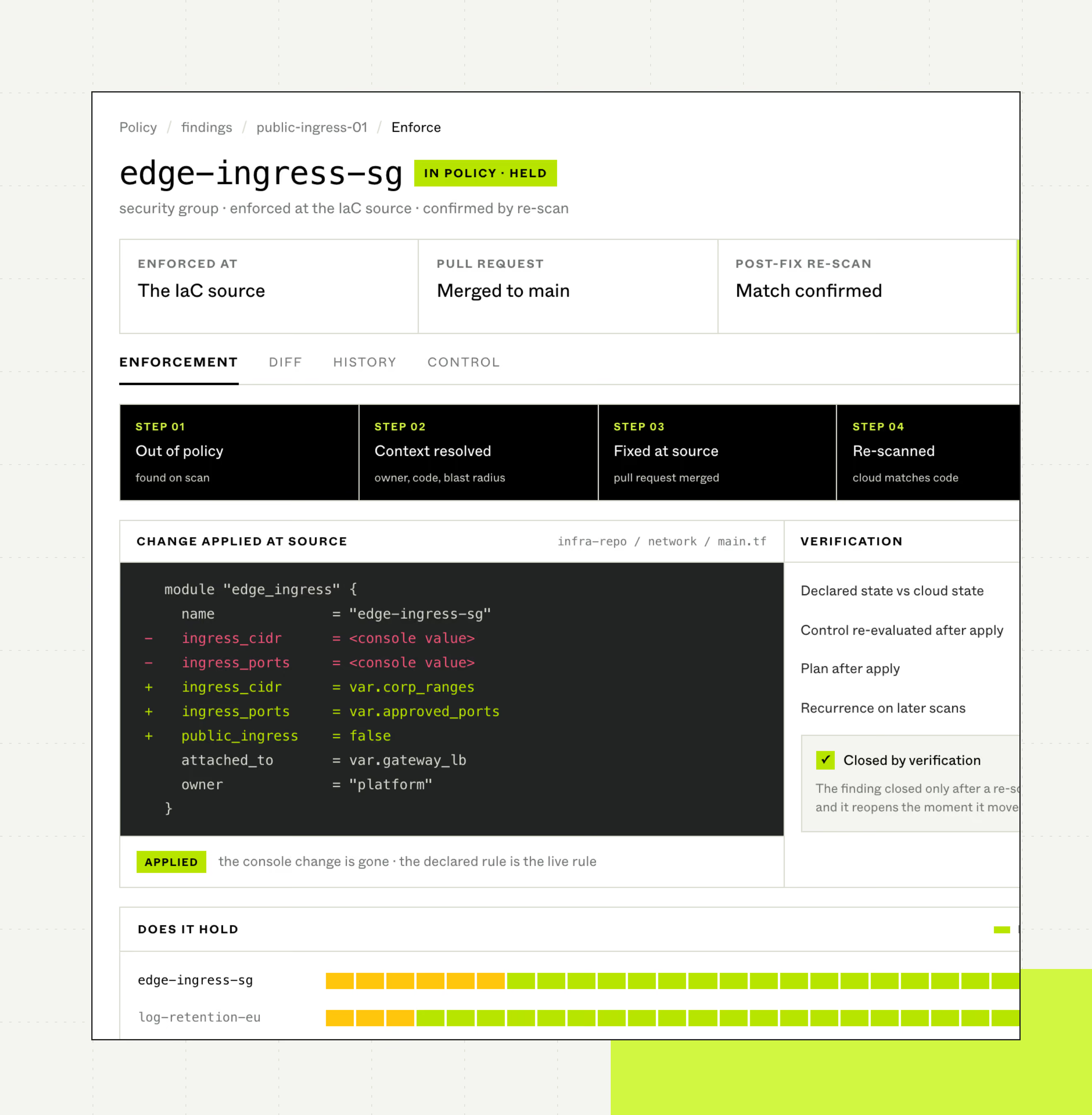

Scan Every Source. Contextualize. Enforce.
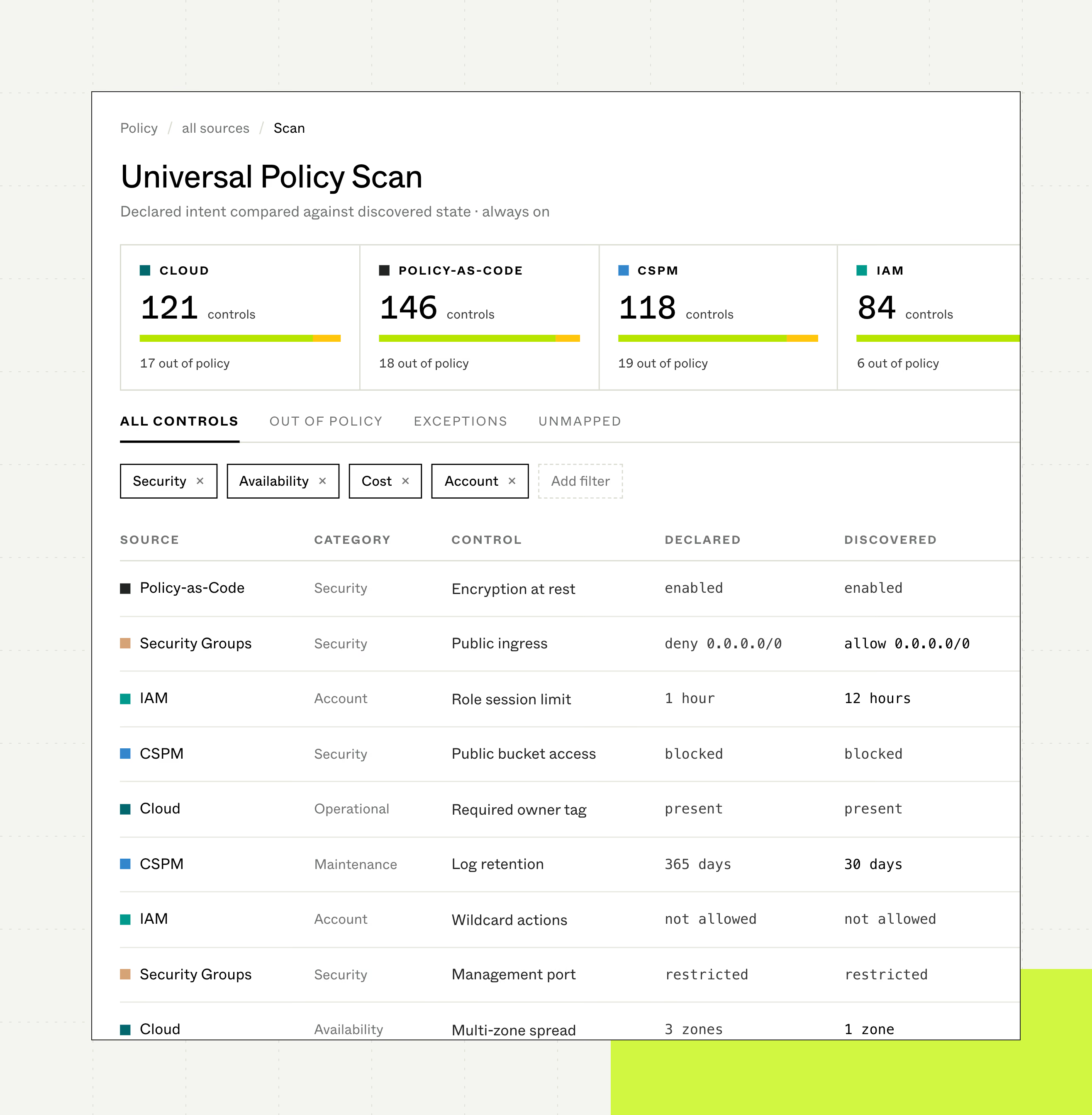
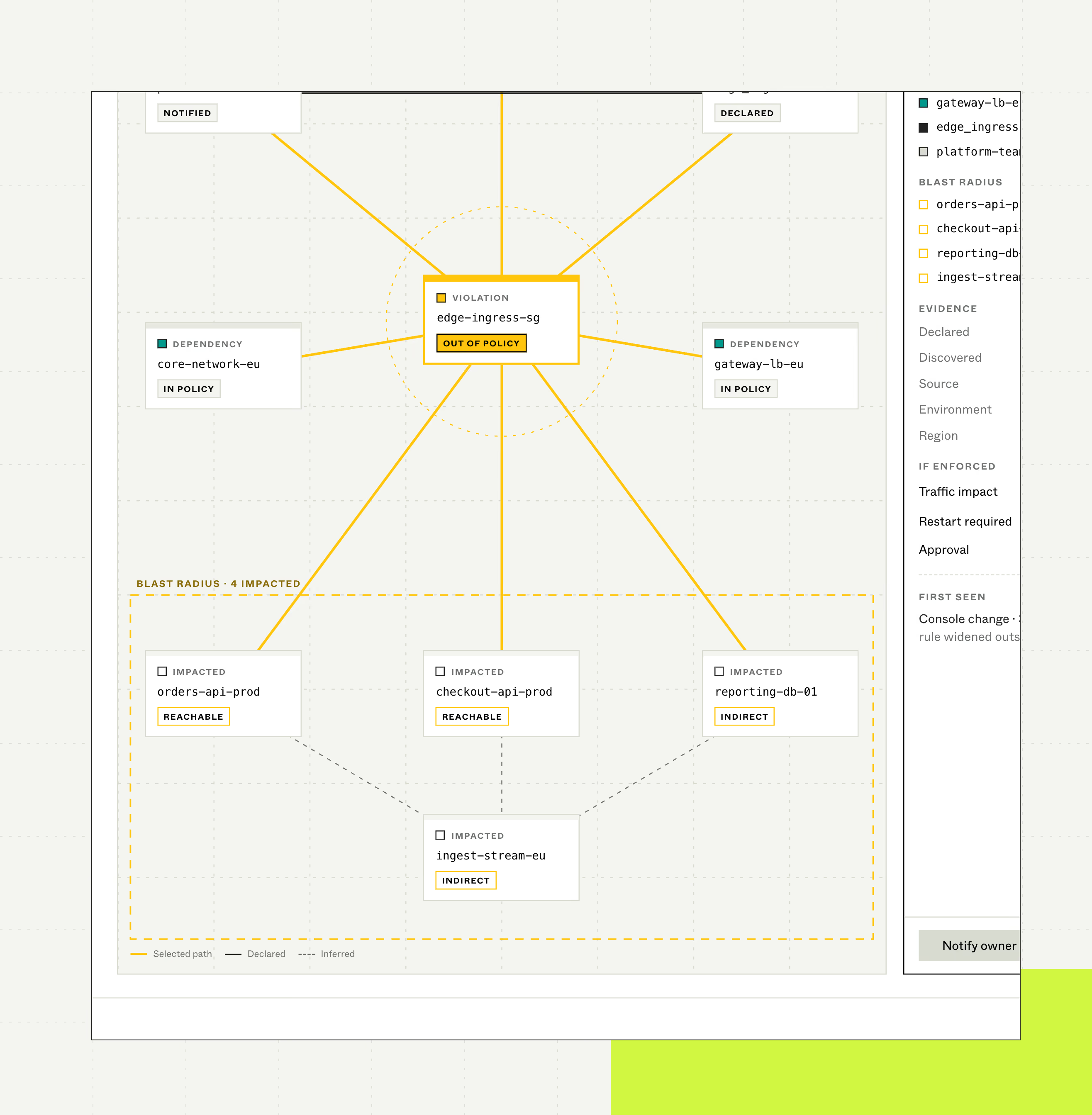
env zero unifies every policy source into one continuously enforced surface. It scans declared against discovered state across all of them, contextualizes each finding against the knowledge graph, and enforces the fix where the resource is actually defined.


The Impact
The Impact
Frequently asked
questions.
It is bringing every policy source (Policy-as-Code, CSPM findings, IAM, security-group rules) onto one surface, continuously comparing declared state against discovered state across all of them, contextualizing each finding against the knowledge graph, and enforcing the fix at the IaC source until it holds.
Policy-as-Code in your pipeline, CSPM findings, IAM policy state, and cloud security-group rules, unified on one surface. env zero does not replace those tools. It sees their declared and discovered state together, contextualizes each finding, and, where the resource is governed by IaC, enforces it back to its declared state.
A CSPM detects misconfigurations and stops at the alert. env zero unifies CSPM findings with your other policy sources, contextualizes each one against the knowledge graph, and enforces the fix at the IaC source, then holds it. Detection is the input. Enforced, verified state is the output.
Instead of a deploy-time gate or a scan on a schedule, env zero continuously compares declared against discovered state across every source. Violations surface as they happen and the window where you are silently out of policy closes.
Yes. Because enforcement runs over the knowledge graph, agents can drive it continuously at machine speed, planning each fix with full blast-radius context, through the same governed path a human would use.
Ready to Migrate with Confidence?
Take the next step toward a more governed, scalable, and efficient cloud environment.
Don't see what you need?
Request an integration, tell us what we're missing.
.svg)