.svg)


Cloud accountability is essential for enterprise infrastructure teams.
As cloud environments grow, organizations often struggle to understand who owns resources, who is responsible for changes, and who should respond when issues appear.
Without clear accountability, cloud governance becomes inconsistent.
Teams may create resources without ownership, leave outdated environments running, ignore policy violations, or make changes without clear approval.
Over time, this leads to higher costs, increased security risk, slower incident response, and poor operational visibility.
An accountability setup guide helps organizations define ownership, responsibilities, approval paths, and reporting structures so cloud environments remain secure, compliant, and easier to manage.
Why Cloud Accountability Matters
Cloud accountability is more than assigning names to resources.
It creates a clear structure for who owns infrastructure, who approves changes, who monitors compliance, and who resolves issues.
When accountability is missing, organizations often face several common problems:
- Unused resources remain active because no team owns them
- Policy violations are not addressed because responsibility is unclear
- Security incidents take longer to resolve
- Infrastructure changes happen without review
- Teams struggle to understand who approved a deployment
- Costs increase because no owner is responsible for cloud spend
Clear accountability helps teams make decisions faster, reduce operational risk, and improve governance across environments.
What Cloud Accountability Should Include
A strong accountability model should define:
- Who owns each cloud environment
- Who is responsible for infrastructure changes
- Who reviews policy exceptions
- Who approves production deployments
- Who monitors cloud costs
- Who manages security and compliance controls
- Who responds to incidents or outages
Without clearly defined ownership, cloud governance becomes difficult to enforce.
The Accountability Setup Checklist
Use the checklist below to evaluate whether your cloud accountability model is structured for enterprise use.
Assign Ownership for Every Resource
Every cloud resource should have a clear owner.
This may include:
- A platform team
- An application team
- A department owner
- A project lead
- A cost center owner
Ownership should be visible through tagging, documentation, and governance tools. If nobody owns a resource, it is more likely to become unmanaged.
Define Responsibility for Infrastructure Changes
Organizations should clearly define who can request, approve, review, and implement infrastructure changes.
This includes:
- Who can modify production resources
- Who reviews infrastructure as code changes
- Who approves sensitive deployments
- Who validates rollback plans
- Who manages emergency changes
Clear responsibilities reduce confusion and prevent unauthorized changes.
Create Approval Paths for Sensitive Actions
Not every infrastructure action should follow the same process.
Sensitive actions such as production deployments, identity changes, network modifications, or high-cost provisioning should have defined approval paths.
Approval workflows should identify:
- The type of action
- The required reviewer
- The response time expectation
- Escalation rules
- Emergency approval procedures
This helps organizations apply governance without slowing low-risk changes.
Establish Cost Accountability
Cloud cost management is difficult when ownership is unclear.
Each environment, application, and major resource group should have a clear cost owner responsible for:
- Budget tracking
- Resource utilization
- Cost optimization
- Identifying unused resources
- Reviewing unexpected spending
Cost accountability reduces waste and improves financial visibility.
Define Security and Compliance Ownership
Security and compliance responsibilities should be clearly assigned across the organization.
Teams should define:
- Who reviews security alerts
- Who manages identity and access policies
- Who handles policy violations
- Who reviews compliance evidence
- Who responds to audit findings
Without ownership, security issues can remain unresolved for long periods of time.
Use Tags and Metadata to Support Accountability
Tags and metadata help organizations connect resources to teams, owners, environments, and budgets.
Important tags may include:
- Team owner
- Environment type
- Cost center
- Application name
- Compliance requirement
- Business unit
Consistent tagging makes it easier to identify who is responsible for every resource.
Define Escalation Paths
Accountability models should include clear escalation rules.
Organizations should define:
- Who handles urgent issues
- Who takes over when an owner is unavailable
- Who reviews unresolved policy violations
- Who manages critical production incidents
- Who makes final decisions during outages
Without escalation paths, important issues may remain unresolved.
Monitor Accountability Gaps Regularly
Cloud accountability should be reviewed regularly to identify gaps.
Teams should check for:
- Resources without owners
- Missing or outdated tags
- Policy violations without assigned reviewers
- Cost anomalies without accountability
- Security alerts without clear ownership
Regular reviews help organizations strengthen governance over time.
Document Roles and Responsibilities
Accountability should not depend on informal knowledge.
Organizations should document:
- Team responsibilities
- Approval workflows
- Escalation paths
- Incident response ownership
- Compliance review processes
Documentation helps reduce confusion and ensures consistency across teams.
Build Accountability Into Governance Workflows
Cloud accountability should be part of daily workflows, not a separate process.
Organizations should integrate accountability into:
- Deployment pipelines
- Infrastructure as code reviews
- Change management processes
- Cost reporting
- Security monitoring
- Compliance audits
When accountability is built into workflows, teams are more likely to follow governance standards consistently.
Common Cloud Accountability Mistakes
Many organizations make the mistake of assigning ownership only at the environment level.
While this may work for smaller teams, larger enterprises often need accountability at the application, resource, and business unit level.
Another common issue is assigning ownership without giving teams the authority to act.
Accountability only works when owners have the ability to review, approve, fix, or escalate issues.
Organizations also often fail to update accountability models as teams change. Ownership information can quickly become outdated if responsibilities are not reviewed regularly.
Conclusion
Cloud accountability is a critical part of governance, risk management, and operational efficiency.
Without clear ownership, organizations struggle to manage costs, enforce policies, respond to incidents, and maintain secure environments.
A strong accountability setup guide helps enterprise teams assign ownership, define responsibilities, create escalation paths, and improve visibility across cloud environments.
For organizations focused on cloud governance and risk management, accountability is not optional.
It is a foundational control that supports consistent, scalable, and secure cloud operations.
FAQs
Why is cloud accountability important?
Cloud accountability is important because it helps organizations understand who owns resources, who approves changes, and who is responsible for resolving issues.
What should cloud accountability include?
Cloud accountability should include ownership of resources, approval responsibilities, security oversight, cost management, and escalation paths.
How can organizations improve accountability?
Organizations can improve accountability by using clear ownership tags, documenting roles, defining approval workflows, and reviewing accountability gaps regularly.
What happens when cloud accountability is unclear?
When accountability is unclear, organizations often experience higher costs, slower incident response, unmanaged resources, and inconsistent governance.
Related Content
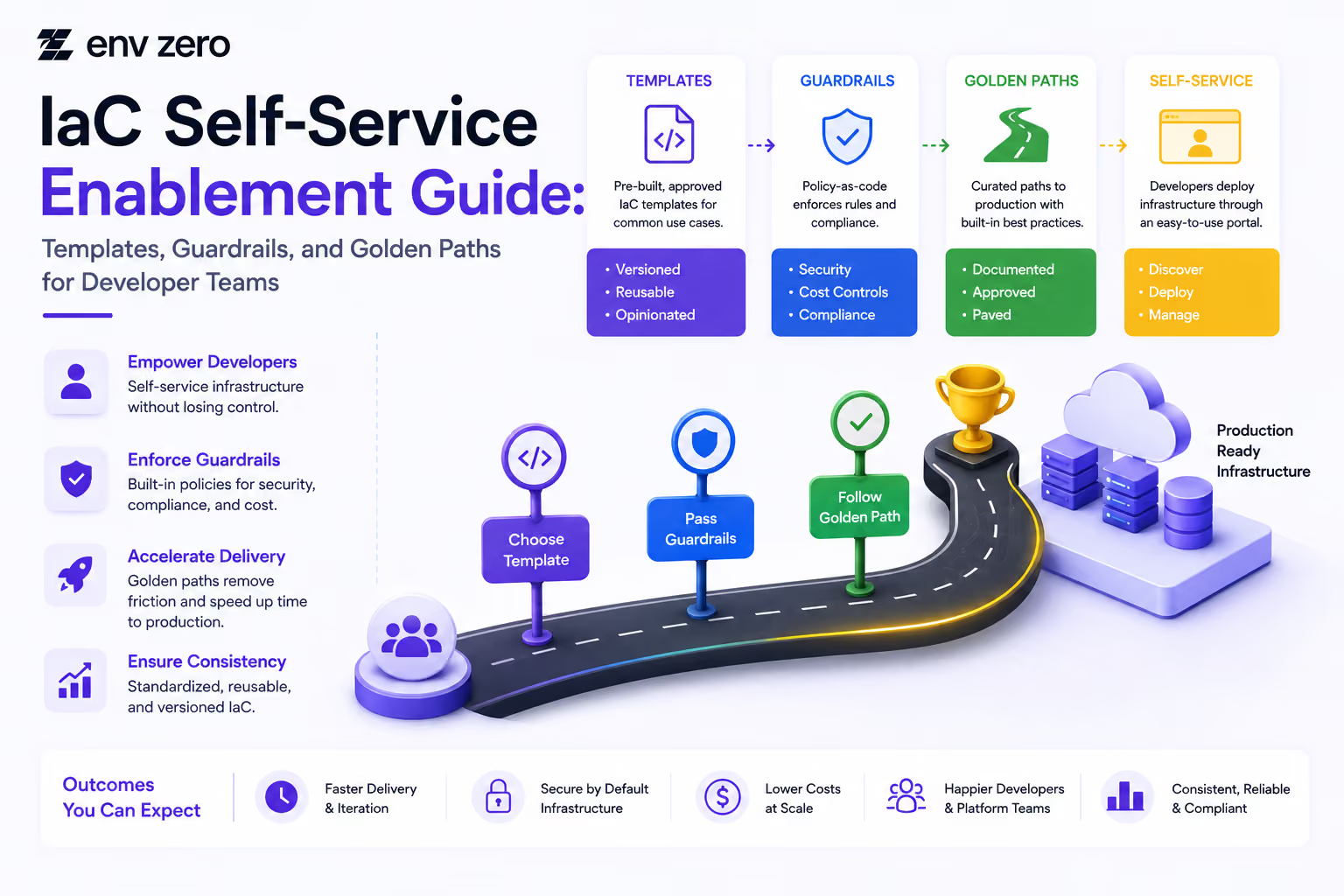
IaC Self-Service Enablement Guide: Templates, Guardrails, and Golden Paths for Developer Teams
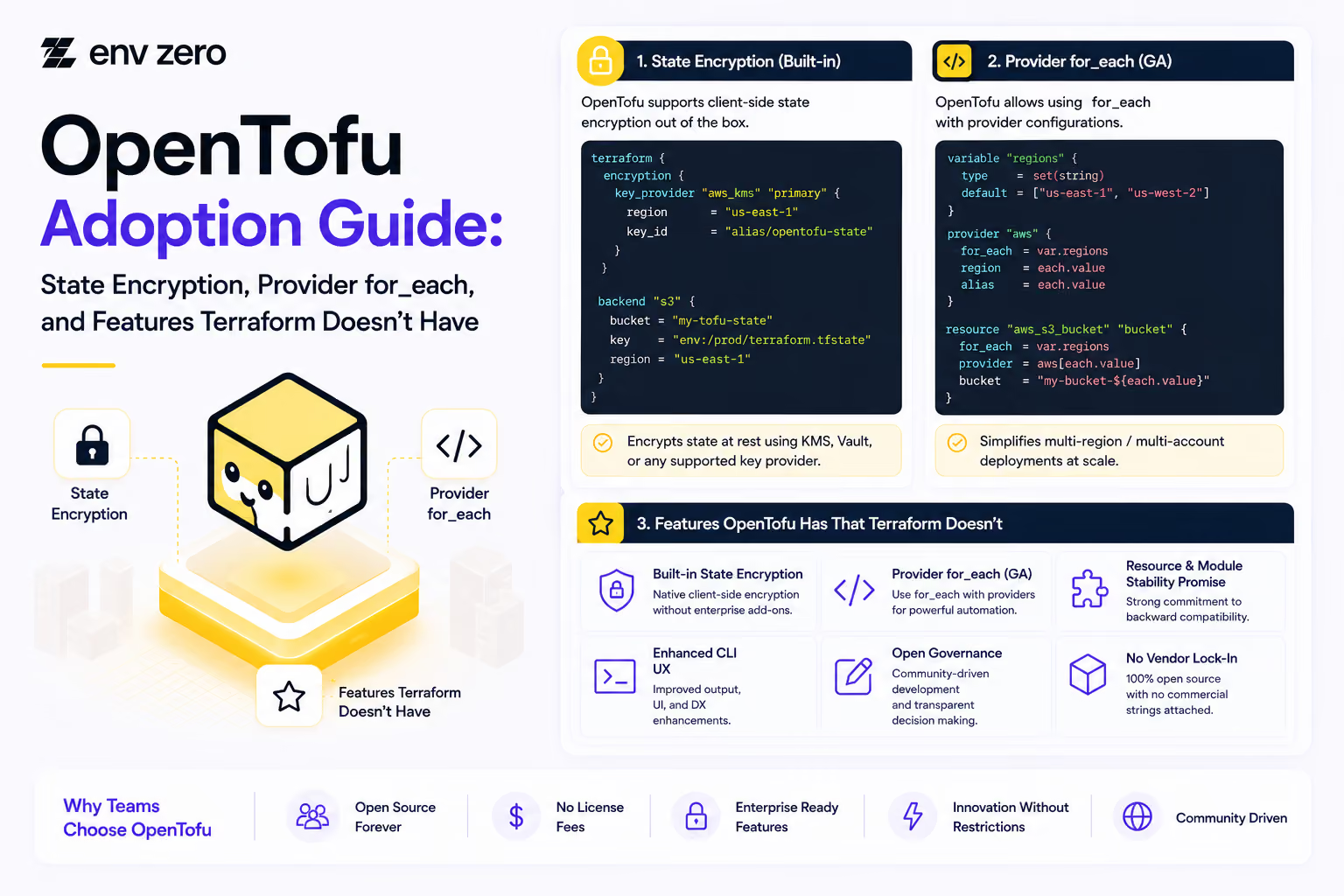
OpenTofu Adoption Guide: State Encryption, Provider for_each, and Features Terraform Doesn't Have
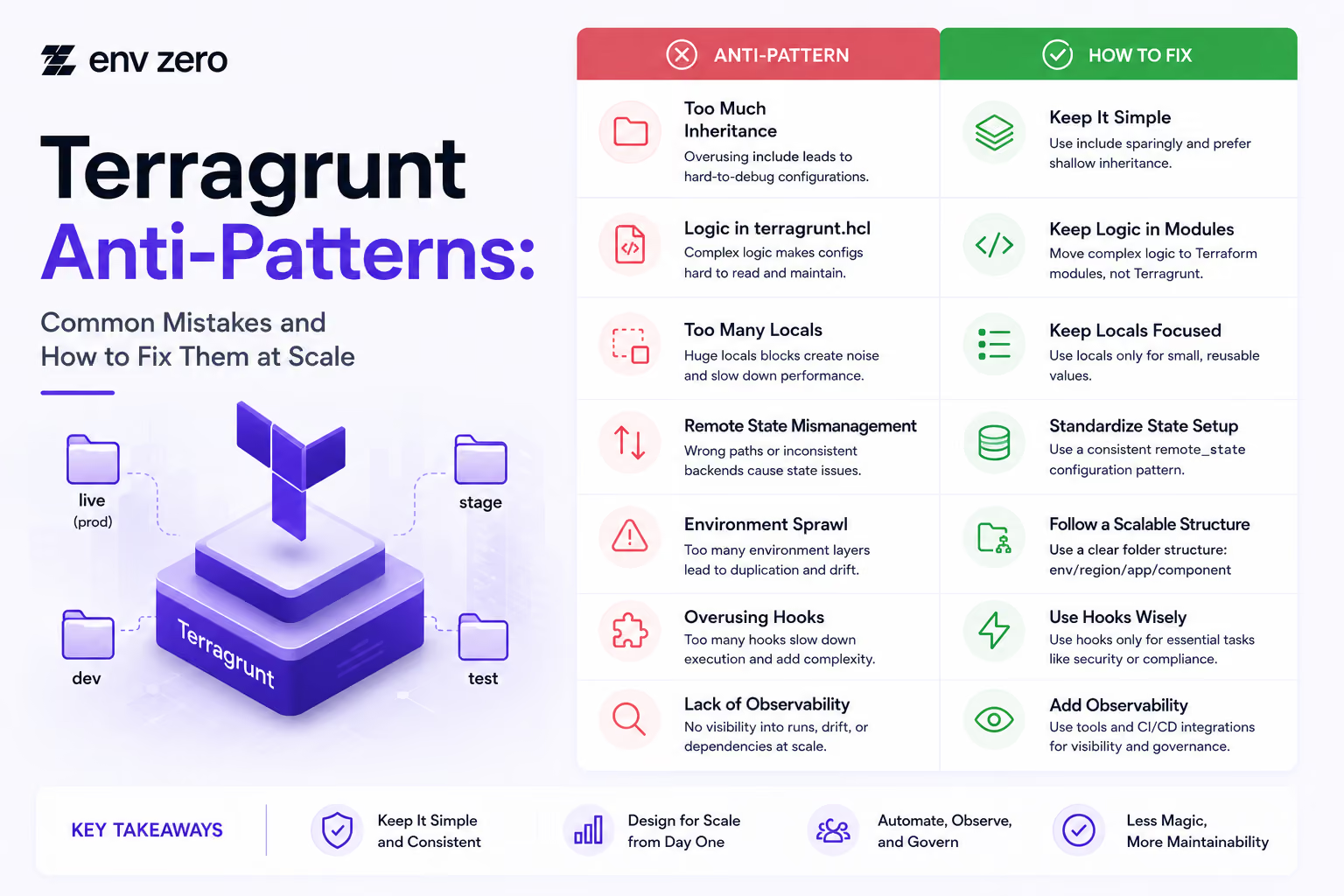
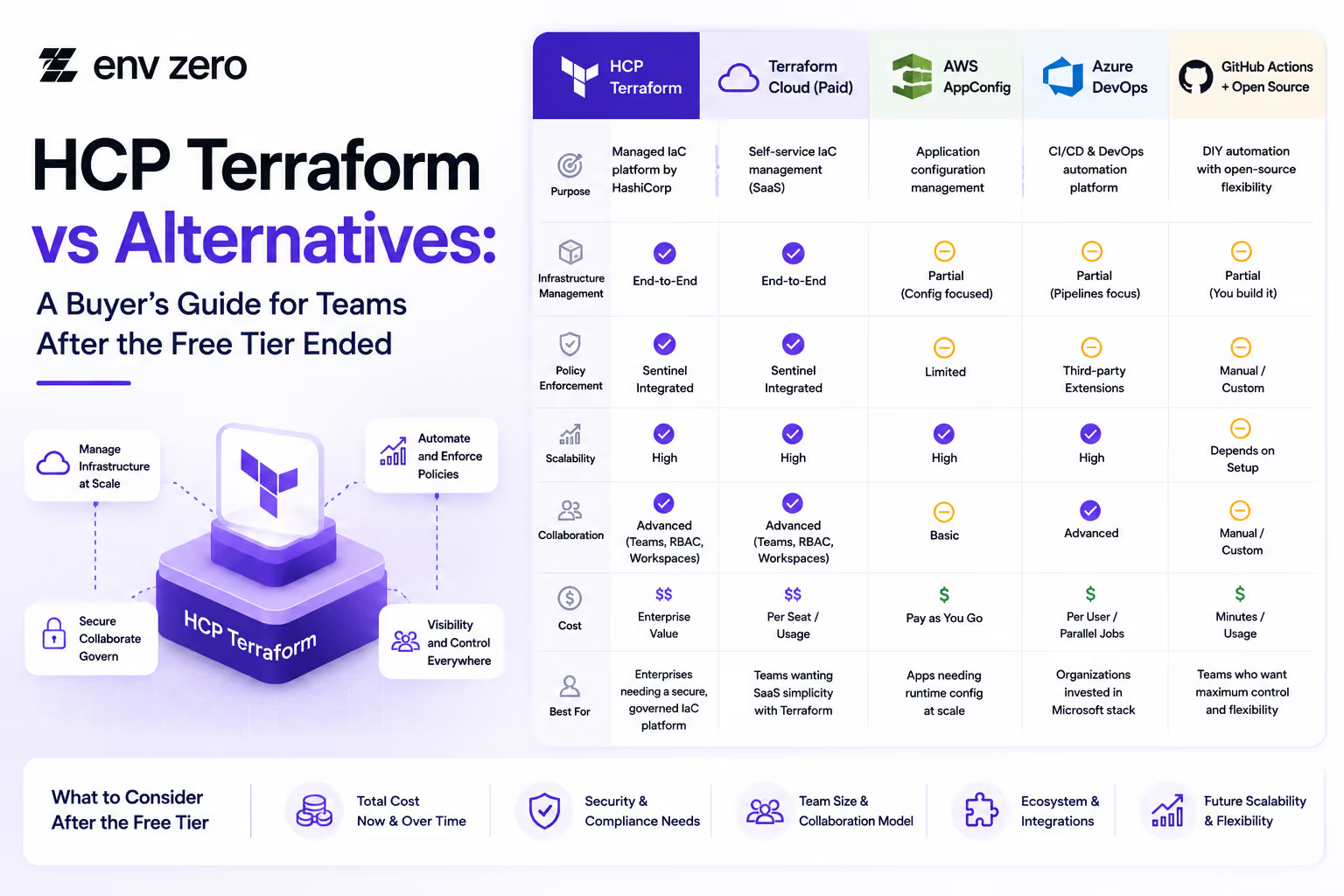

How to Install Terragrunt and Set Up Your First Multi-Environment Project (2026 Edition)
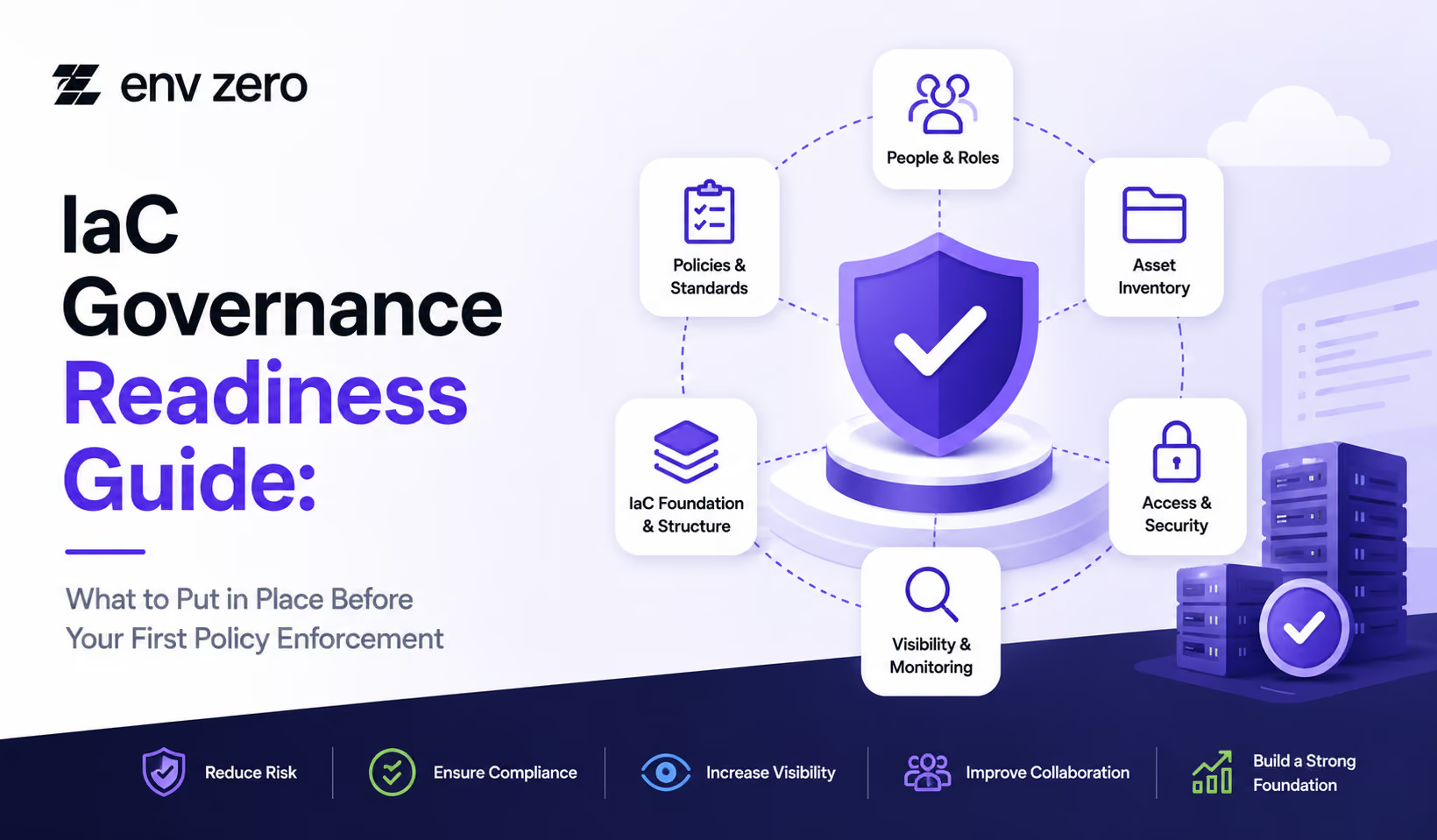
IaC Governance Readiness Guide: What to Put in Place Before Your First Policy Enforcement
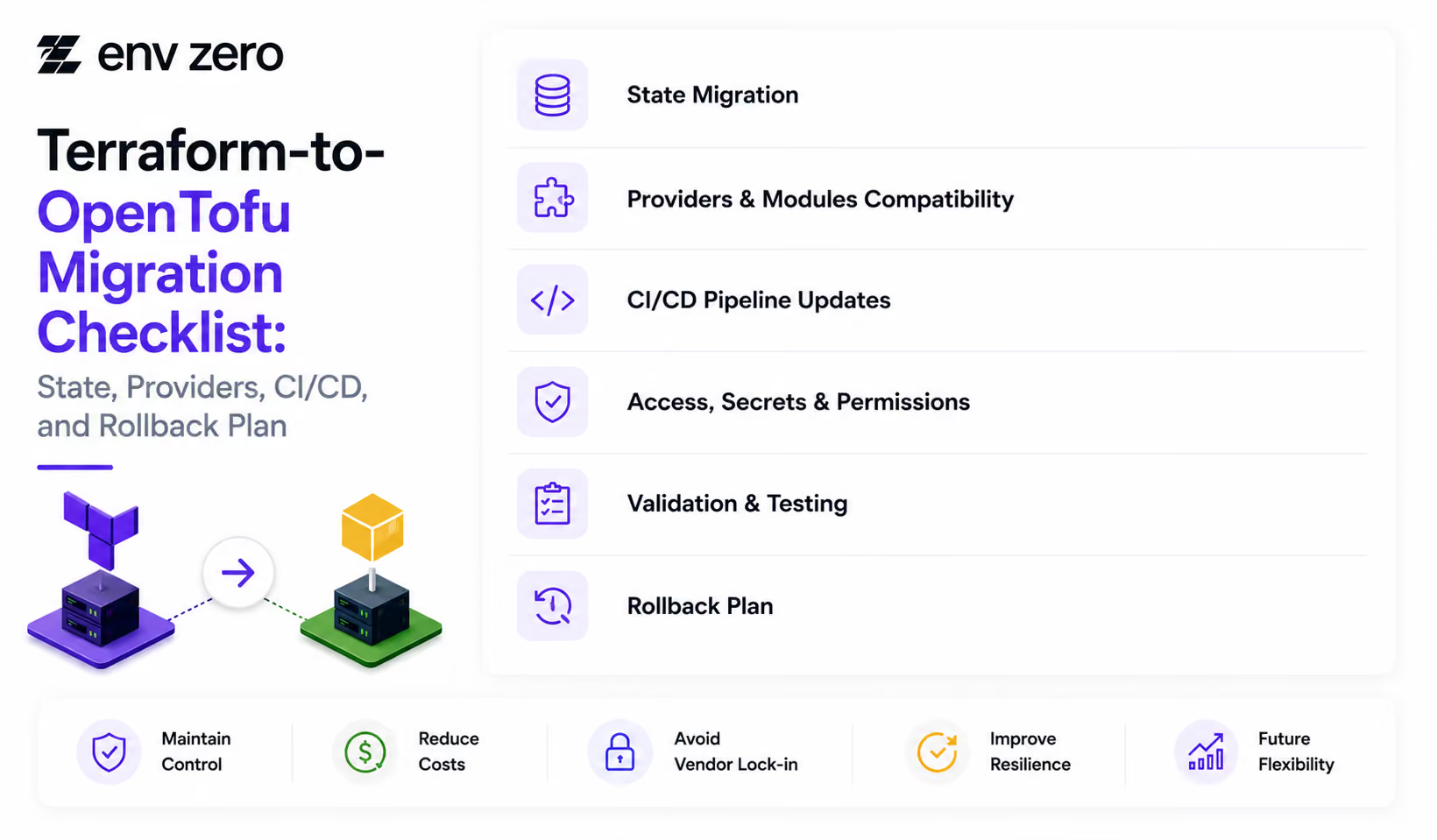
Terraform-to-OpenTofu Migration Checklist: State, Providers, CI/CD, and Rollback Plan
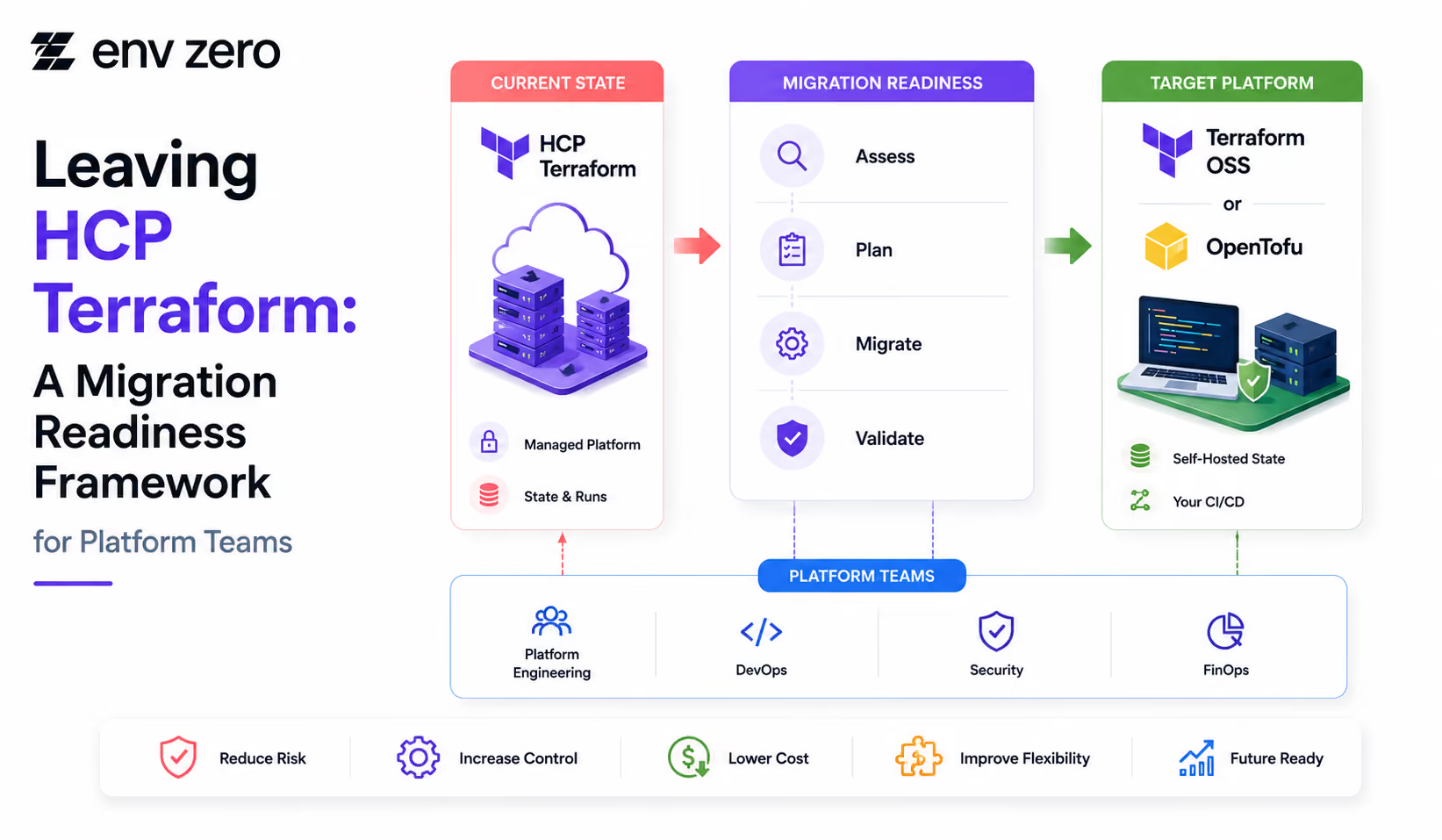
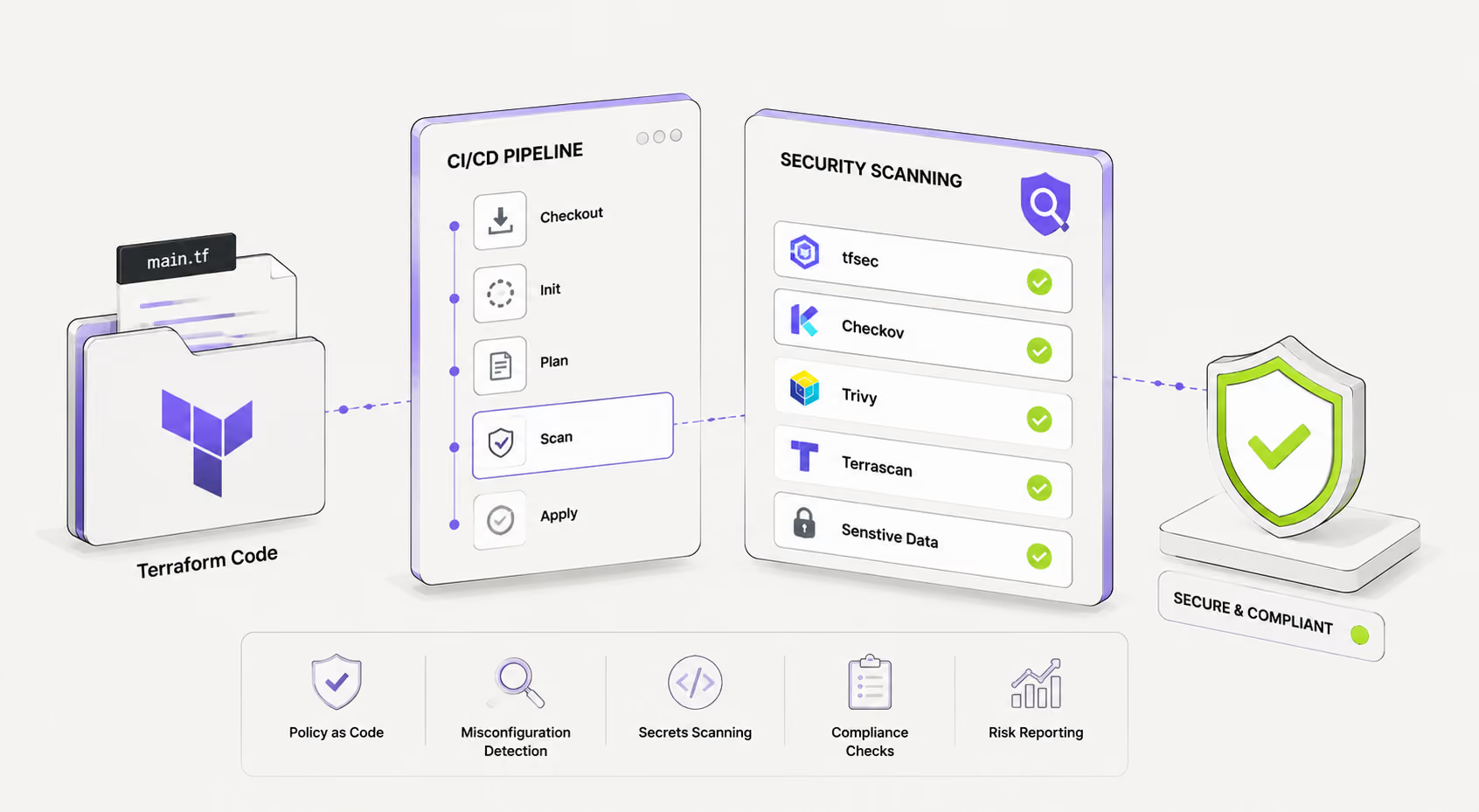









Audit Trail Setup Guide: Maintaining Compliance and Security Across Your Infrastructure


Pipeline Visibility Checklist: Ensuring Full Transparency Across Deployment Workflows

Rollback Readiness Checklist: Ensuring Fast and Reliable Recovery Across Environments
Deployment Automation Checklist: Ensuring Consistent and Reliable Infrastructure Delivery