.svg)

Introduction
As infrastructure becomes more automated and decentralized, ensuring that every deployment follows organizational standards is increasingly difficult.
Developers now have the ability to provision resources quickly, but without proper controls, this flexibility can lead to security risks, cost overruns, and compliance violations.
This is where policy checks play a critical role. Policy checks are automated validations embedded into the deployment lifecycle that ensure every infrastructure change meets predefined rules before it is applied.
By enforcing these checks consistently, platform teams can maintain control without slowing down development.
What Are Policy Checks?
Policy checks are automated rules that validate infrastructure configurations, deployments, and workflows against organizational standards.
These checks are typically implemented using Policy-as-Code, allowing teams to define governance rules programmatically and enforce them during deployment.
Policy checks are triggered at different stages of the deployment lifecycle, such as before provisioning, during approvals, or prior to production deployment.
They ensure that every change aligns with security, compliance, operational, and cost requirements.
Why Policy Checks Matter in Infrastructure Delivery
Policy checks are essential for maintaining consistency, security, and governance across environments.
Implementing strong cloud governance & risk management solutions ensures that policy enforcement is consistent across environments, reducing risk, improving compliance, and strengthening infrastructure security.
Without them, infrastructure changes can become unpredictable and difficult to control, especially at scale.
They help prevent misconfigurations by enforcing predefined standards, reduce the risk of non-compliant deployments, and ensure that every resource provisioned follows organizational guidelines. Policy checks also support faster decision-making by automating validation, eliminating the need for manual reviews in many cases.
Common Policy Check Examples
Access Control Policies
Access-related policy checks ensure that only authorized users can perform specific actions.
These policies validate permissions, roles, and authentication mechanisms before allowing infrastructure changes.
For example, a policy may restrict production deployments to senior engineers or require multi-factor authentication before sensitive actions are performed.
This prevents unauthorized access and reduces security risks.
Environment Restrictions
Environment-based policy checks ensure that deployments follow environment-specific rules.
These checks differentiate between development, staging, and production environments.
For instance, developers may be allowed to deploy freely in development environments, but production deployments may require approvals or stricter validation checks.
This ensures that critical environments remain protected while maintaining flexibility elsewhere.
Resource Configuration Policies
These policies validate how infrastructure resources are configured.
They ensure that all resources meet predefined standards for performance, security, and compliance.
Examples include enforcing encryption on storage resources, restricting the use of public IP addresses, or requiring specific instance types.
These checks prevent insecure or inefficient configurations from being deployed.
Cost Control Policies
Cost-related policy checks help organizations manage cloud spending by enforcing limits and guidelines on resource usage.
For example, policies may restrict the creation of high-cost resources, enforce budget thresholds, or require approval for large-scale deployments.
This ensures that infrastructure remains cost-efficient and aligned with financial constraints.
Compliance and Security Policies
Compliance-focused policy checks ensure that infrastructure meets regulatory and organizational requirements.
These policies are critical for industries with strict compliance standards.
Examples include enforcing data residency requirements, ensuring encryption is enabled, or validating that only approved regions are used.
These checks help organizations remain compliant while reducing manual audit efforts.
Tagging and Metadata Policies
Tagging policies ensure that all resources are labeled correctly for tracking, cost allocation, and governance purposes.
For example, a policy may require every resource to include tags such as environment, owner, and project.
This improves visibility and helps organizations manage infrastructure more effectively.
How Policy Checks Are Implemented
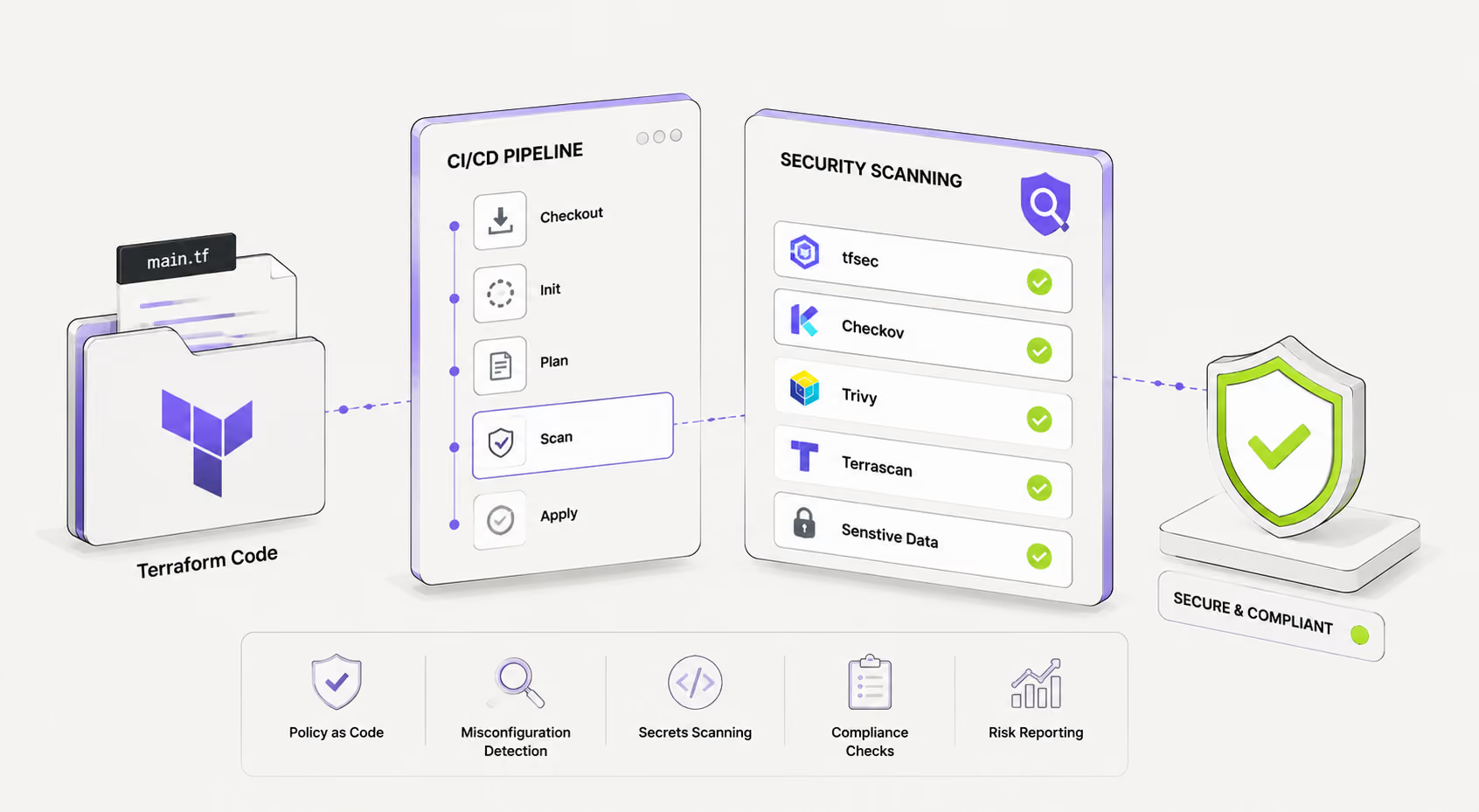
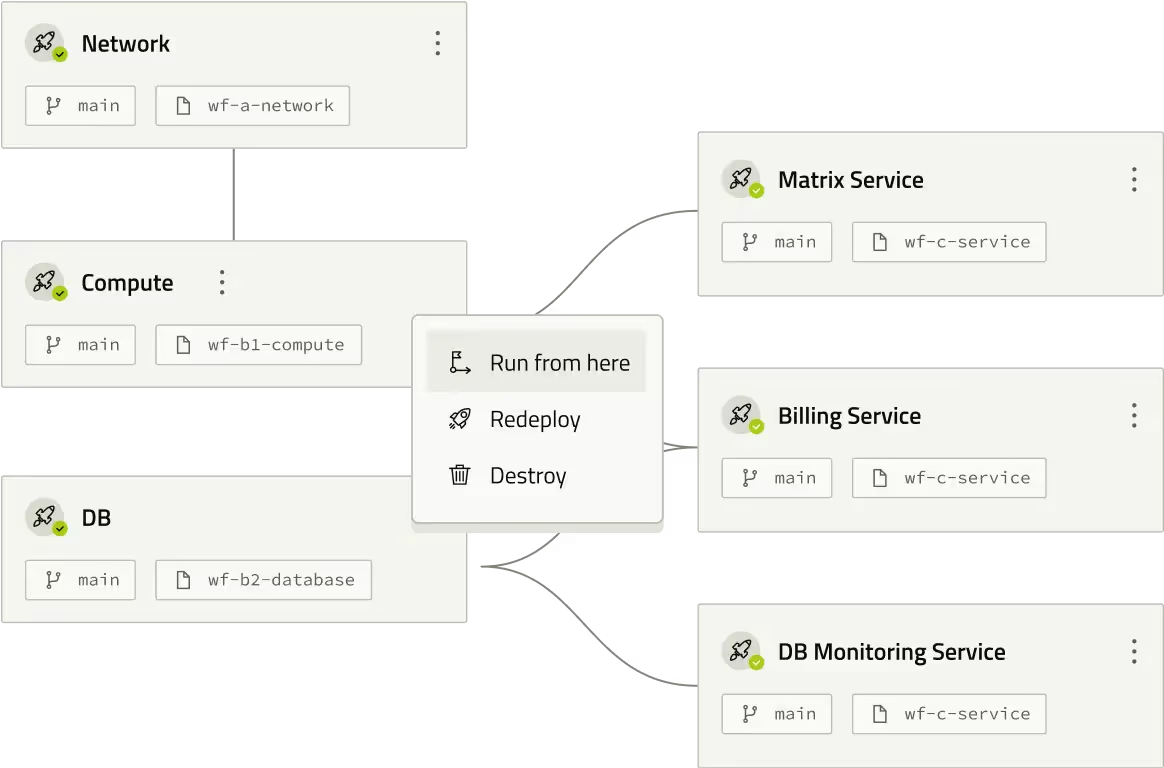
Policy checks are typically implemented using Policy-as-Code frameworks, which allow teams to define rules in code and integrate them directly into deployment pipelines.
These policies are executed automatically during infrastructure provisioning or deployment workflows.
They can be enforced at multiple stages, including pre-deployment validation, approval workflows, and runtime monitoring.
By embedding policy checks into automation pipelines, organizations ensure that governance is applied consistently without relying on manual intervention.
Teams that aim to fully automate the full deployment lifecycle with guardrails can enforce policy checks at every stage, from provisioning to deployment, ensuring consistent, secure, and compliant infrastructure delivery.
How env zero Supports Policy Checks
env zero enables platform teams to enforce policy checks across the deployment lifecycle by integrating Policy-as-Code into workflows.
It ensures every deployment is validated against rules for security, cost, compliance, and access control.
With built-in visibility, teams can track policy outcomes and maintain consistent, governed deployments without slowing down development.
Conclusion
Policy checks are a foundational component of modern infrastructure governance.
They allow organizations to maintain control over deployments while enabling developers to move quickly and efficiently.
By automating validation through policy checks, platform teams can reduce risk, enforce compliance, and ensure consistency across environments.
With tools like env0, policy enforcement becomes seamless, scalable, and fully integrated into the deployment lifecycle.
Looking to enforce infrastructure policies without slowing down your teams?
env0 helps you automate policy checks, maintain compliance, and streamline your deployment workflows. Start building secure and governed infrastructure with confidence.
FAQs
What are policy checks in infrastructure?
Policy checks are automated rules that validate infrastructure changes against predefined standards before deployment. They ensure that configurations, access controls, and resources meet organizational requirements for security, compliance, and performance. By enforcing these checks automatically, teams can maintain governance without manual intervention.
Why are policy checks important in deployment pipelines?
Policy checks are important because they prevent misconfigurations, security risks, and non-compliant changes from reaching production. They act as automated guardrails within deployment pipelines, ensuring that every change is validated before execution. This improves reliability while reducing the need for manual reviews.
How do policy checks improve security?
Policy checks improve security by enforcing rules such as encryption requirements, access restrictions, and network configurations. They automatically block deployments that do not meet security standards, reducing the risk of vulnerabilities. This ensures that security is built into the deployment process rather than added afterward.
Can policy checks be automated?
Yes, policy checks are typically automated using Policy-as-Code frameworks. These tools allow teams to define rules in code and enforce them during deployment workflows. Automation ensures consistency, reduces human error, and allows policies to scale with infrastructure growth.
What is the difference between policy checks and approval workflows?
Policy checks automatically validate whether a deployment meets predefined rules, while approval workflows involve human review and decision-making. Policy checks are faster and enforce consistency, whereas approvals are typically used for higher-risk changes that require additional oversight.
Related Content
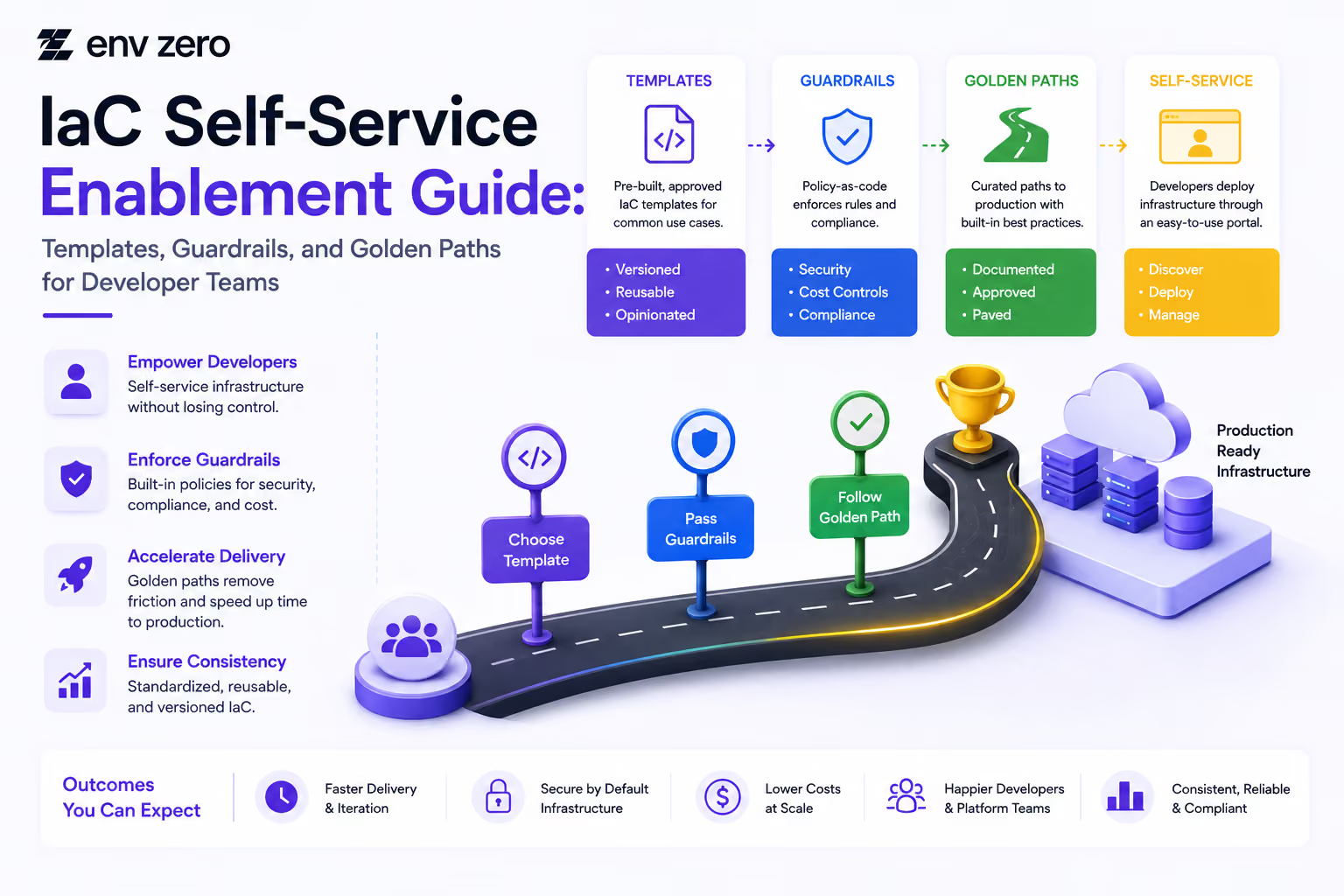
IaC Self-Service Enablement Guide: Templates, Guardrails, and Golden Paths for Developer Teams
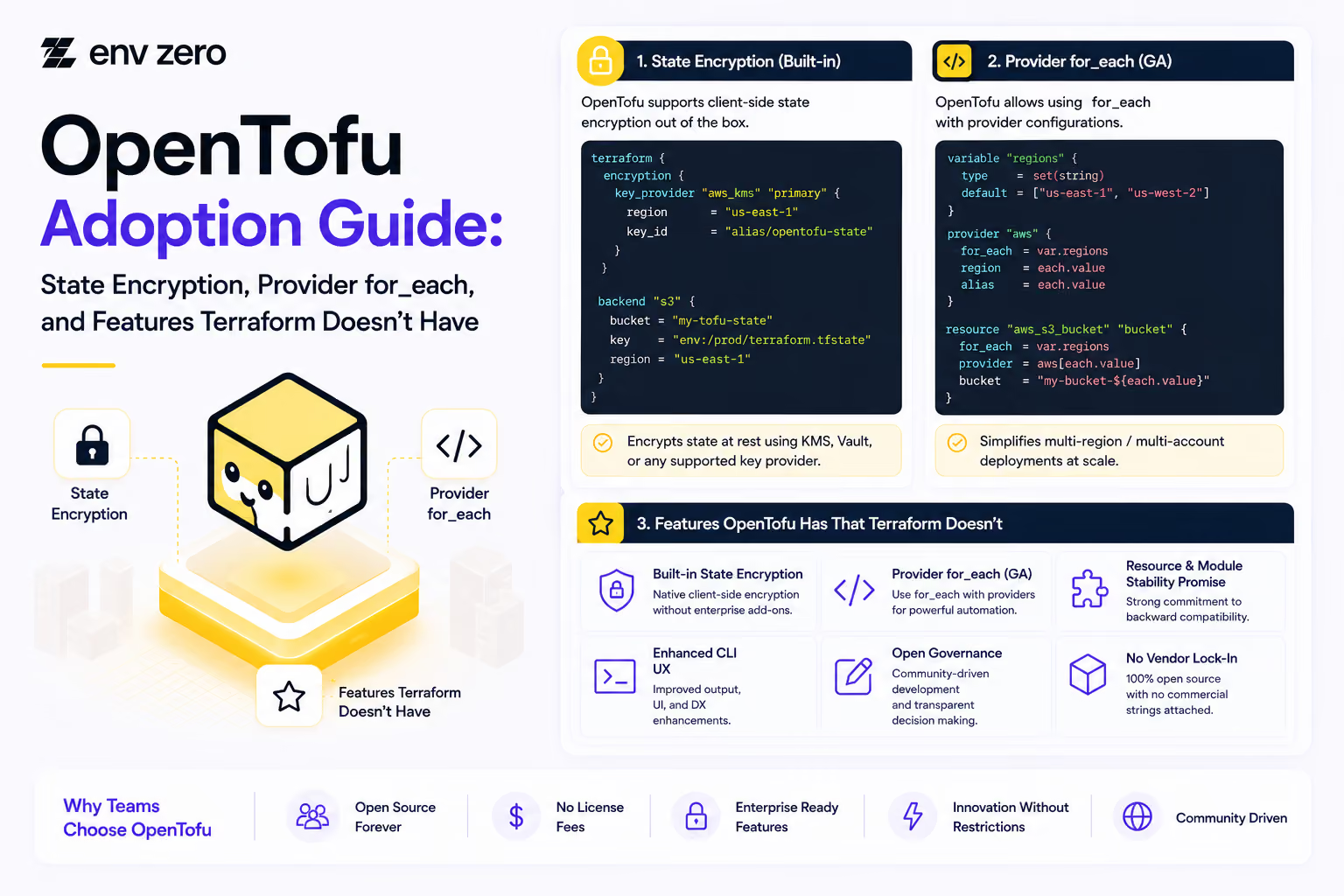
OpenTofu Adoption Guide: State Encryption, Provider for_each, and Features Terraform Doesn't Have
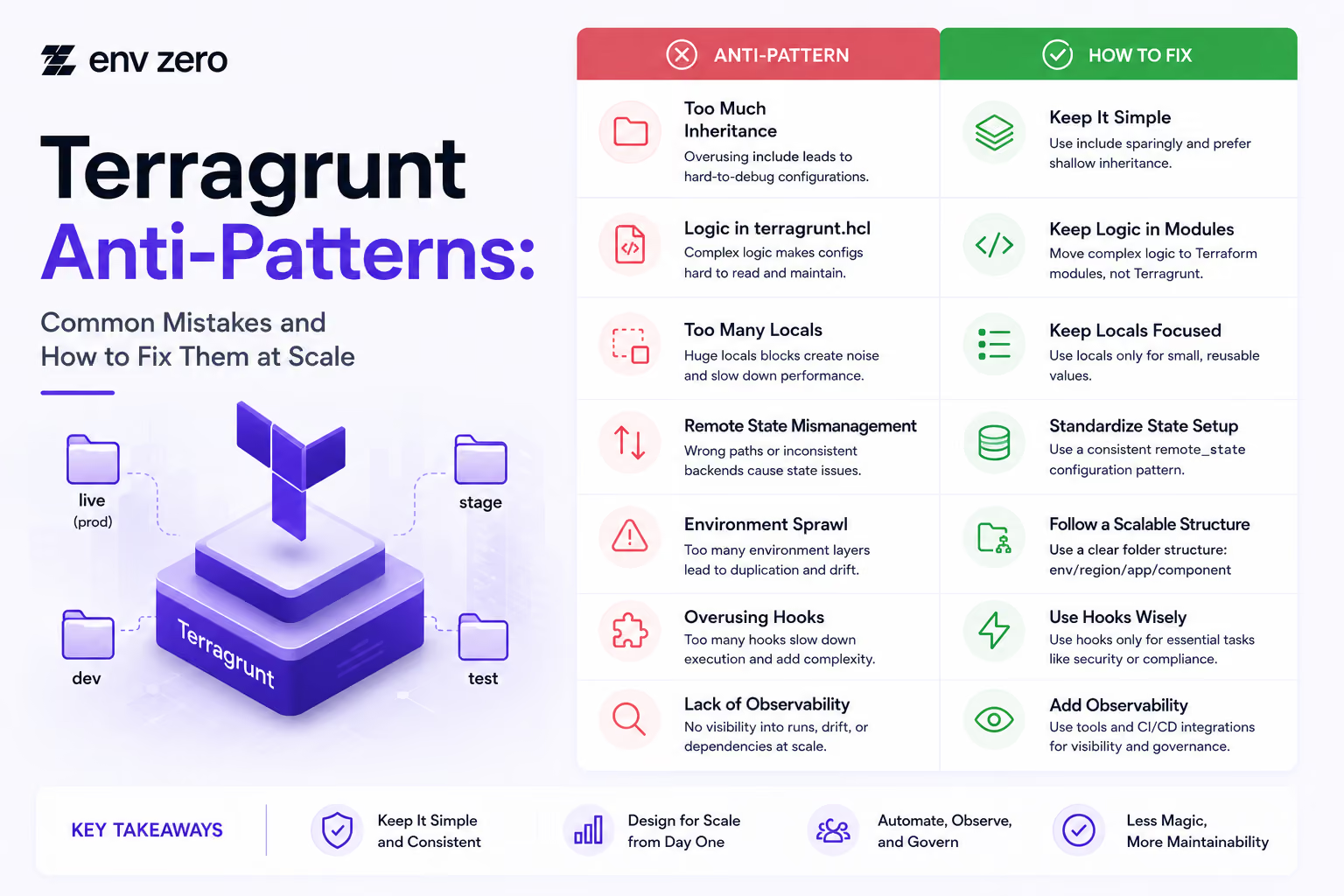

How to Install Terragrunt and Set Up Your First Multi-Environment Project (2026 Edition)
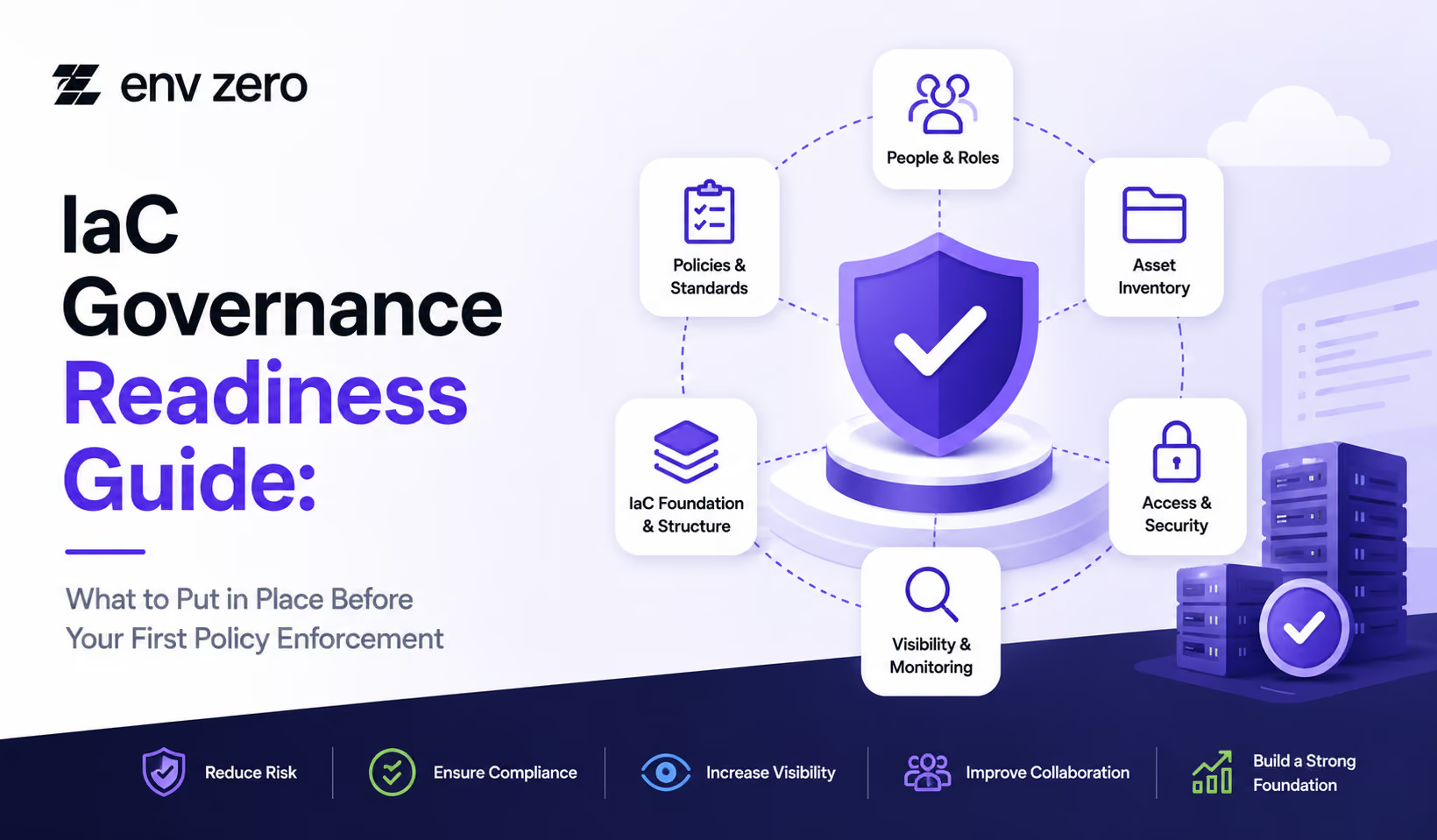
IaC Governance Readiness Guide: What to Put in Place Before Your First Policy Enforcement
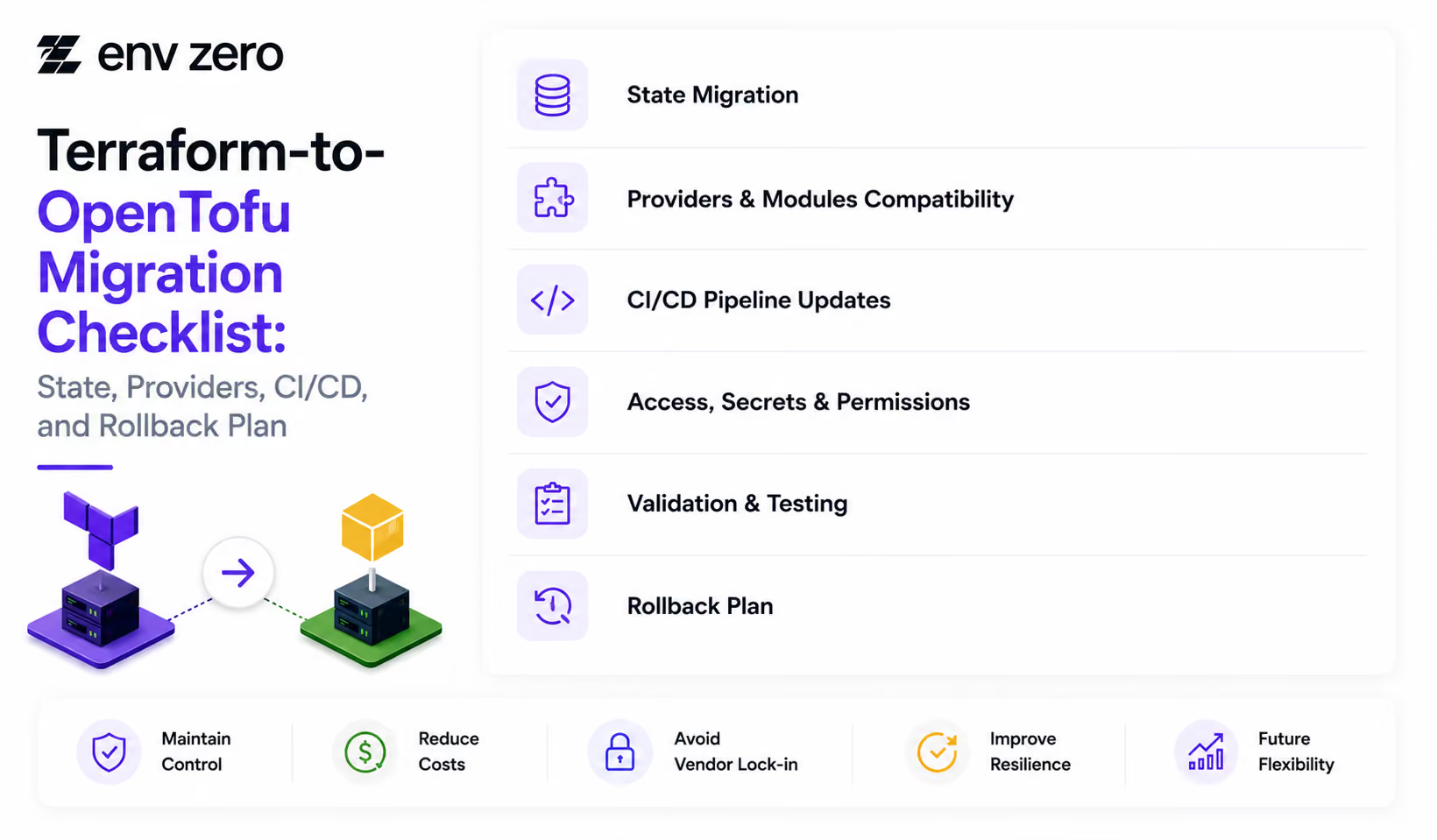
Terraform-to-OpenTofu Migration Checklist: State, Providers, CI/CD, and Rollback Plan









Audit Trail Setup Guide: Maintaining Compliance and Security Across Your Infrastructure


Pipeline Visibility Checklist: Ensuring Full Transparency Across Deployment Workflows

Rollback Readiness Checklist: Ensuring Fast and Reliable Recovery Across Environments
Deployment Automation Checklist: Ensuring Consistent and Reliable Infrastructure Delivery