.svg)
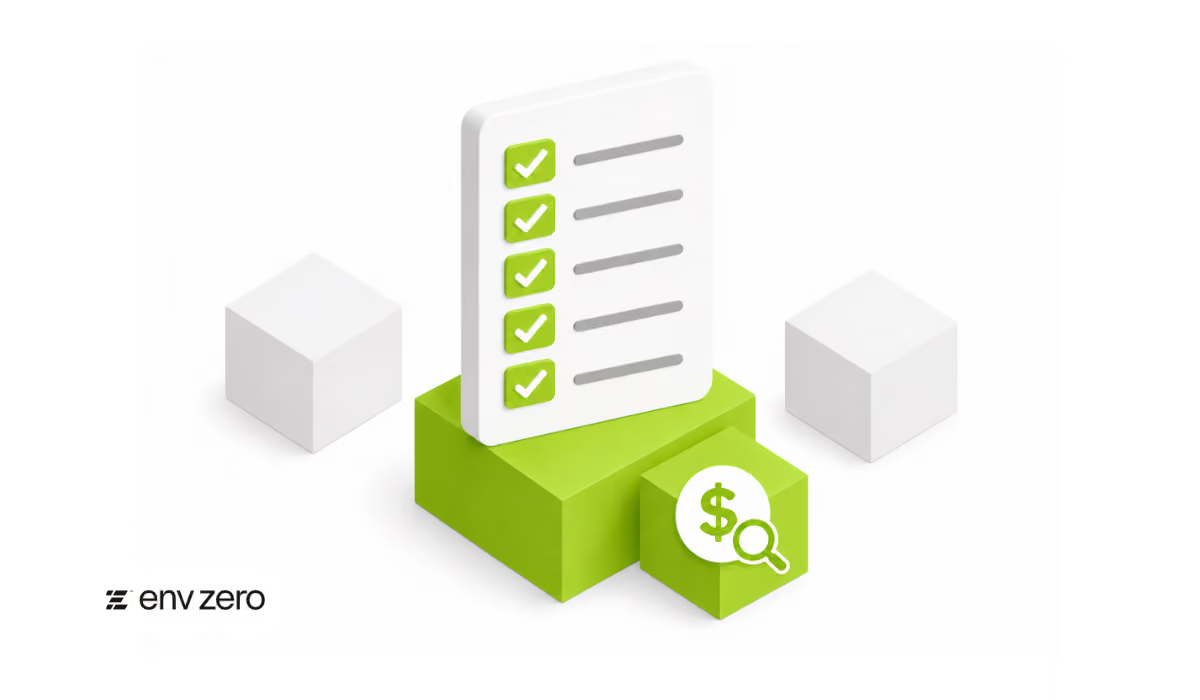

Cost visibility is one of the most important parts of cloud governance.
As cloud environments expand, organizations often struggle to understand where money is being spent, which teams are responsible for costs, and which resources create the most financial impact.
Without strong visibility, cloud spending can increase quickly.
Teams may provision resources without clear ownership, environments may continue running after they are no longer needed, and costs may be distributed across accounts, regions, and business units in ways that are difficult to track.
A cost visibility checklist helps organizations improve financial transparency across cloud environments.
It provides a framework for identifying spending patterns, assigning ownership, and improving cost control.
Why Cost Visibility Matters
Many organizations have access to cloud billing data, but that does not always mean they have true cost visibility.
Raw billing reports often show overall spend without providing enough context about:
- Which teams are generating costs
- Which applications are most expensive
- Which environments exceed budget targets
- Which resources are underutilized
- Which services are increasing in cost over time
Without this level of visibility, organizations may struggle to make informed decisions about optimization, budgeting, and resource planning.
Cost visibility helps organizations:
- Improve accountability across teams
- Reduce cloud waste
- Improve forecasting accuracy
- Identify overspending early
- Support FinOps initiatives
- Align spending with business value
For enterprise teams, cost visibility is not only about reducing spend. It is about making cloud spending more predictable and easier to manage.
What Cost Visibility Should Include
A strong cost visibility model should include:
- Resource ownership information
- Team and business unit cost allocation
- Environment-level spending visibility
- Budget tracking and alerts
- Tagging standards
- Reporting for finance and engineering teams
- Historical trend analysis
- Shared service cost allocation
Without these controls, organizations may have cloud cost data but still lack useful financial insight.
The Cost Visibility Checklist
Use the checklist below to evaluate whether your organization has the right cost visibility controls in place.
Define Ownership for Every Resource
Every cloud resource should have a clear owner.
Ownership should identify:
- Which team created the resource
- Which application uses it
- Which business unit pays for it
- Who is responsible for optimization
- Who should respond to budget concerns
Without ownership, cloud costs become difficult to manage and optimize.
Use Consistent Resource Tagging
Tagging is one of the most important tools for cost visibility.
Organizations should require tags such as:
- Team name
- Application name
- Environment type
- Cost center
- Business unit
- Project name
- Compliance classification
Consistent tagging makes it easier to allocate costs, improve reporting, and identify spending trends.
Separate Costs by Environment
Organizations should be able to distinguish costs across:
- Development environments
- Testing environments
- Staging environments
- Production environments
- Shared services
Environment-level visibility helps teams identify which environments generate the highest cost and where optimization opportunities exist.
Track Shared Service Costs
Shared services often create hidden cloud costs.
Organizations should review costs related to:
- Shared networking infrastructure
- Monitoring platforms
- Logging systems
- Security tools
- Shared databases
- Platform services used across multiple teams
Without visibility into shared services, organizations may underestimate the true cost of operating cloud environments.
Set Budgets for Teams and Environments
Budgets help organizations manage cloud spend more effectively.
Teams should define budgets for:
- Departments
- Applications
- Cloud accounts
- Projects
- Individual environments
Budgets should also include alert thresholds when spending exceeds expected levels.
Create Alerts for Cost Spikes
Unexpected cost increases should be detected quickly.
Organizations should create alerts for:
- Sudden increases in compute usage
- High storage growth
- Unusual network transfer costs
- Budget overruns
- Resource provisioning above a defined threshold
Early alerts help teams respond before costs become difficult to control.
Review Underutilized Resources
Cloud waste often comes from resources that continue running without providing enough business value.
Organizations should review:
- Idle virtual machines
- Unused storage volumes
- Oversized databases
- Forgotten test environments
- Inactive load balancers
- Resources with low utilization rates
Regular reviews help reduce unnecessary spending.
Measure Cost Trends Over Time
Cost visibility should include more than current spending.
Organizations should track:
- Monthly cost growth
- Changes by team or business unit
- Increases in shared service costs
- Spending by application
- Budget performance over time
Trend analysis helps organizations identify patterns before they become larger financial issues.
Align Cost Reporting to Different Audiences
Different teams need different types of cost visibility.
For example:
- Finance teams may need budget and forecasting reports
- Engineering teams may need resource-level cost details
- Leadership teams may need high-level spending summaries
- Platform teams may need environment and ownership reports
Reporting should match the needs of each audience.
Common Cost Visibility Mistakes
Many organizations assume that access to cloud billing reports automatically provides full visibility.
In reality, cost data is often incomplete because of missing tags, unclear ownership, shared infrastructure, or inconsistent reporting.
Another common mistake is reviewing cloud costs only at the account level.
High-level reports may hide important details about which teams, applications, or environments are creating the most spend.
Organizations also often fail to monitor cost trends regularly. By the time large increases are noticed, teams may already be dealing with significant overspending.
Best Practices for Improving Cost Visibility
Organizations can improve cost visibility by following several best practices.
Standardize Tagging Policies
Consistent tagging improves cost allocation, reporting, and accountability.
Build Cost Reviews Into Team Workflows
Teams should review spending regularly as part of engineering, operations, and budget planning processes.
Use Automation for Alerts and Reporting
Automation can improve visibility by detecting anomalies, generating reports, and flagging unusual spending patterns.
Assign Clear Ownership
Every major cost category should have a clear owner responsible for reviewing and optimizing spend.
Review Trends Regularly
Historical cost analysis helps organizations improve forecasting and reduce future waste.
Conclusion
Cost visibility is a foundational part of cloud governance and financial accountability.
It helps organizations understand where money is being spent, who is responsible for cloud costs, and where optimization opportunities exist.
A cost visibility checklist gives enterprise teams a structured way to improve financial transparency, reduce waste, and strengthen cloud cost governance.
For organizations focused on cloud governance and risk management, stronger cost visibility supports better decision-making, more accurate forecasting, and more sustainable cloud operations.
FAQs
What is cloud cost visibility?
Cloud cost visibility is the ability to understand where cloud spending occurs, which teams are responsible, and which resources create the most financial impact.
Why is cost visibility important?
Cost visibility is important because it improves accountability, helps reduce cloud waste, supports budgeting, and makes spending easier to manage.
What causes poor cloud cost visibility?
Poor cloud cost visibility is often caused by missing tags, unclear ownership, shared infrastructure, inconsistent reporting, and lack of budget controls.
How can organizations improve cost visibility?
Organizations can improve cost visibility by enforcing tagging standards, creating budgets, assigning ownership, reviewing trends, and using automated alerts.
Related Content
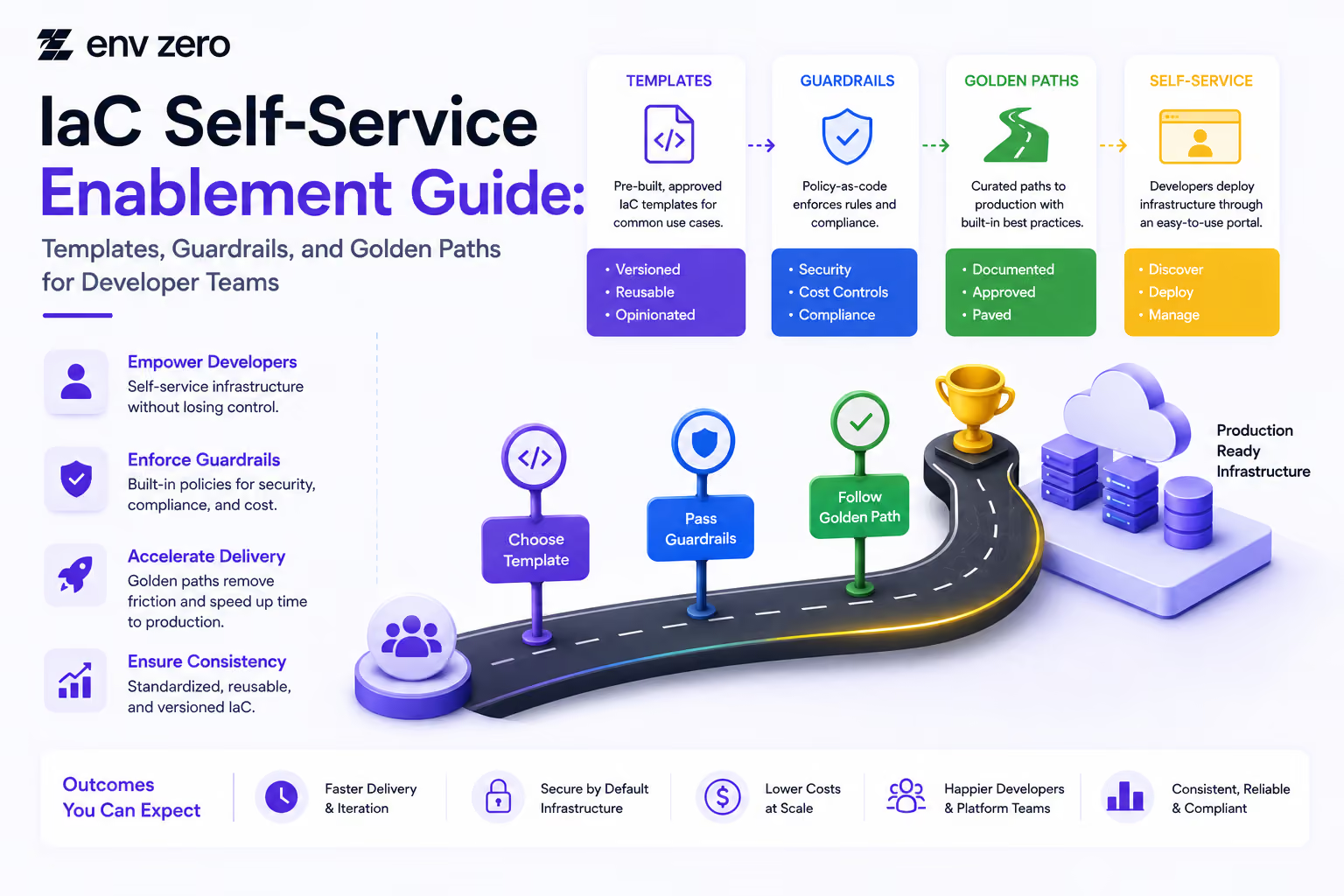
IaC Self-Service Enablement Guide: Templates, Guardrails, and Golden Paths for Developer Teams
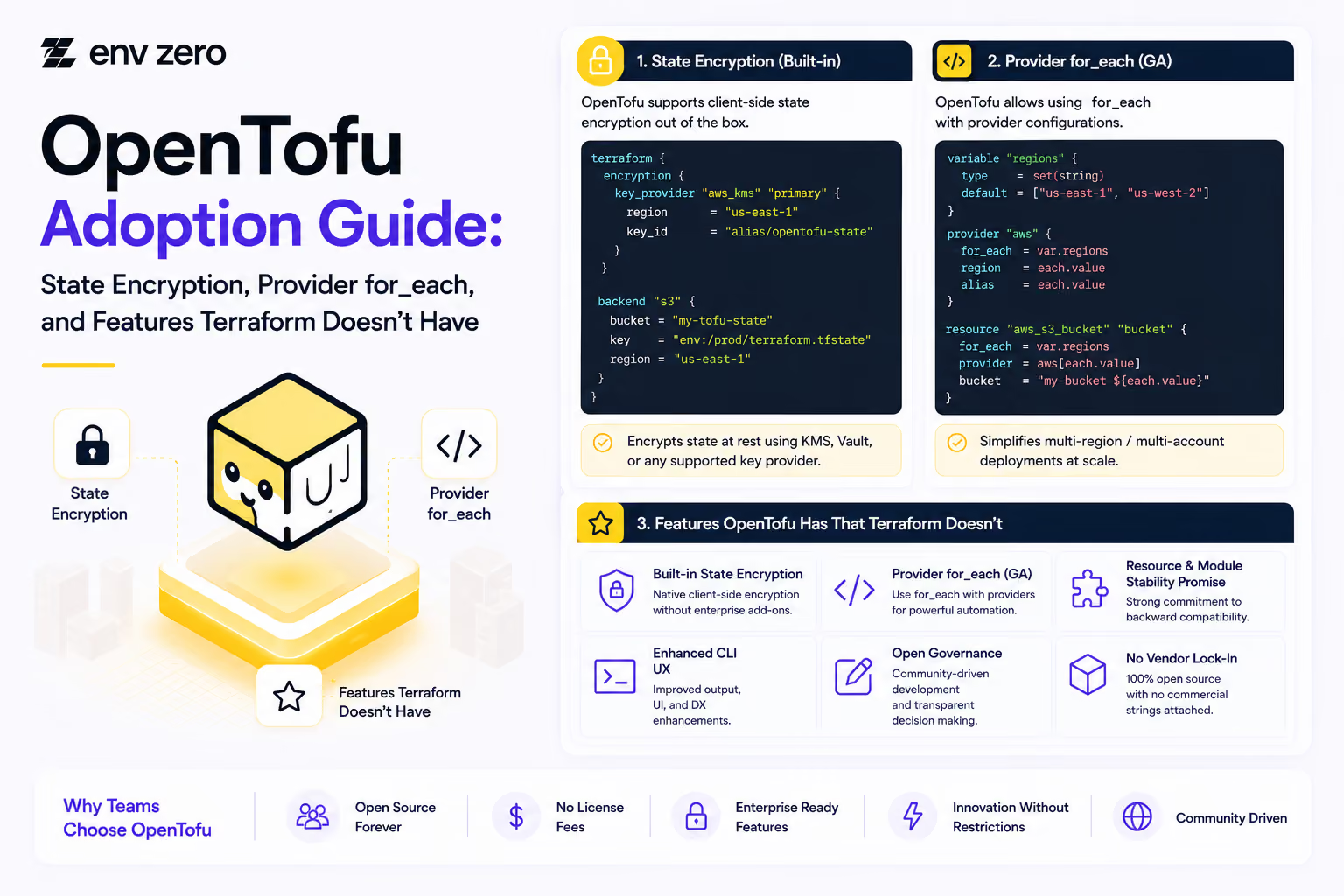
OpenTofu Adoption Guide: State Encryption, Provider for_each, and Features Terraform Doesn't Have
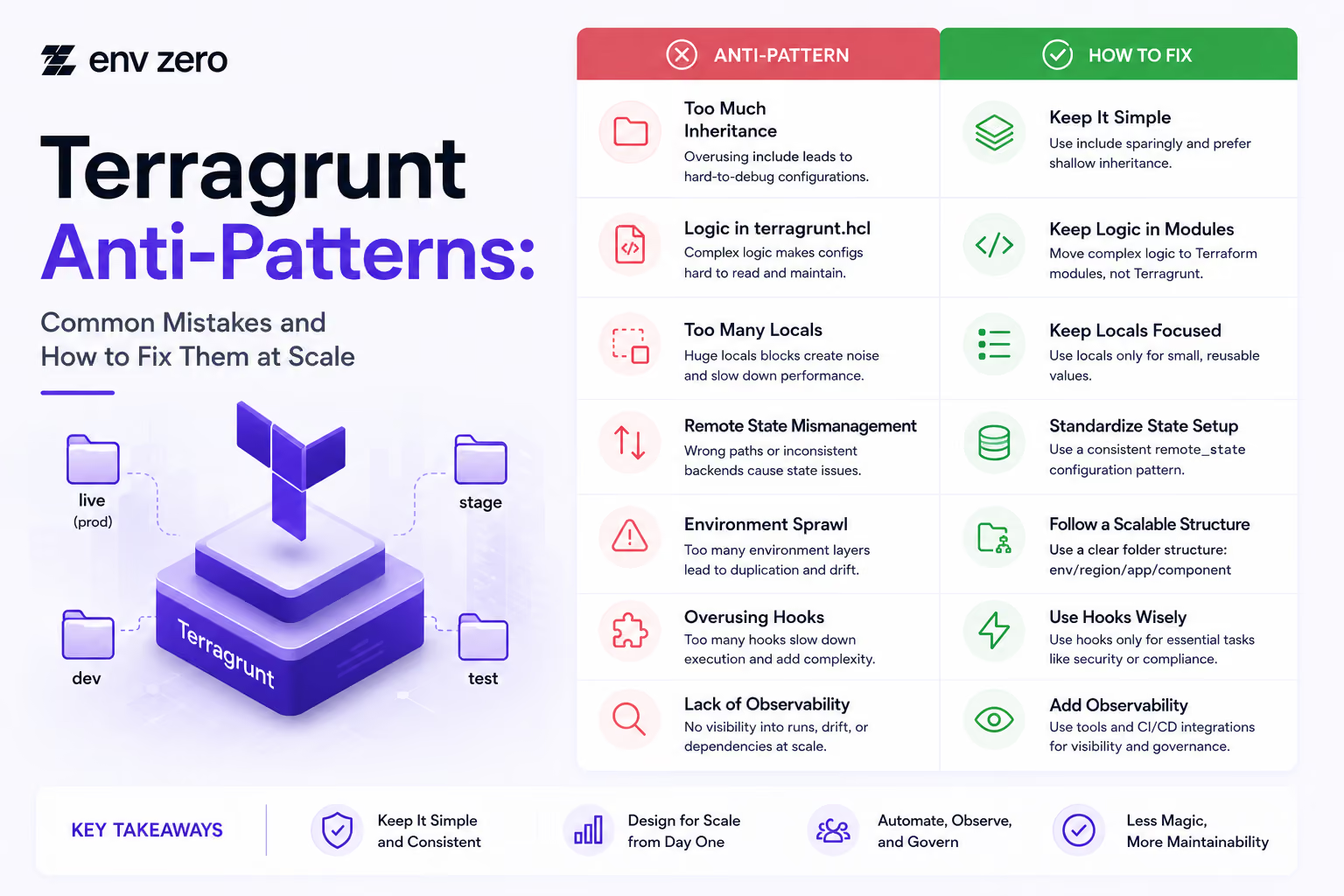

How to Install Terragrunt and Set Up Your First Multi-Environment Project (2026 Edition)
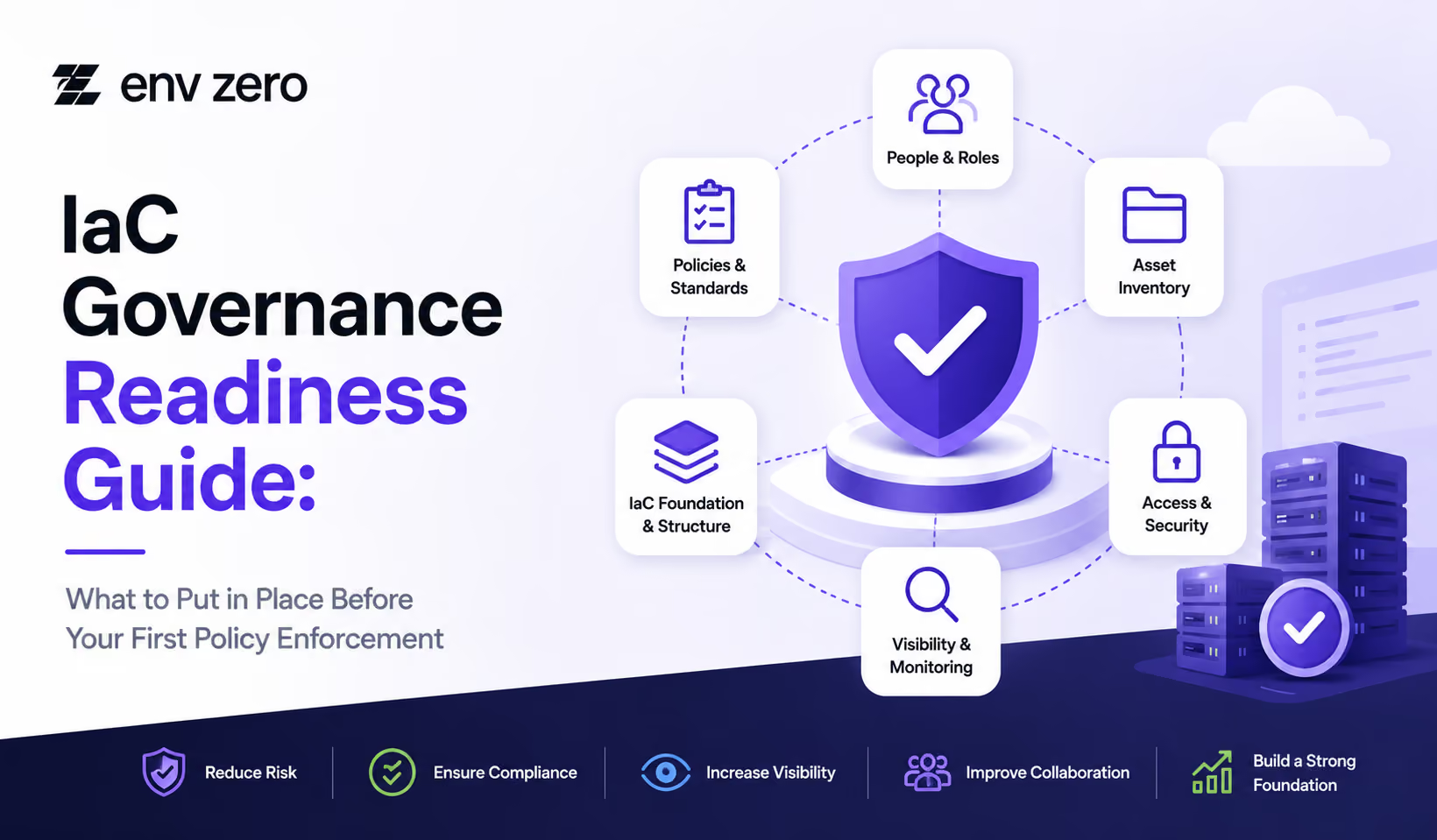
IaC Governance Readiness Guide: What to Put in Place Before Your First Policy Enforcement
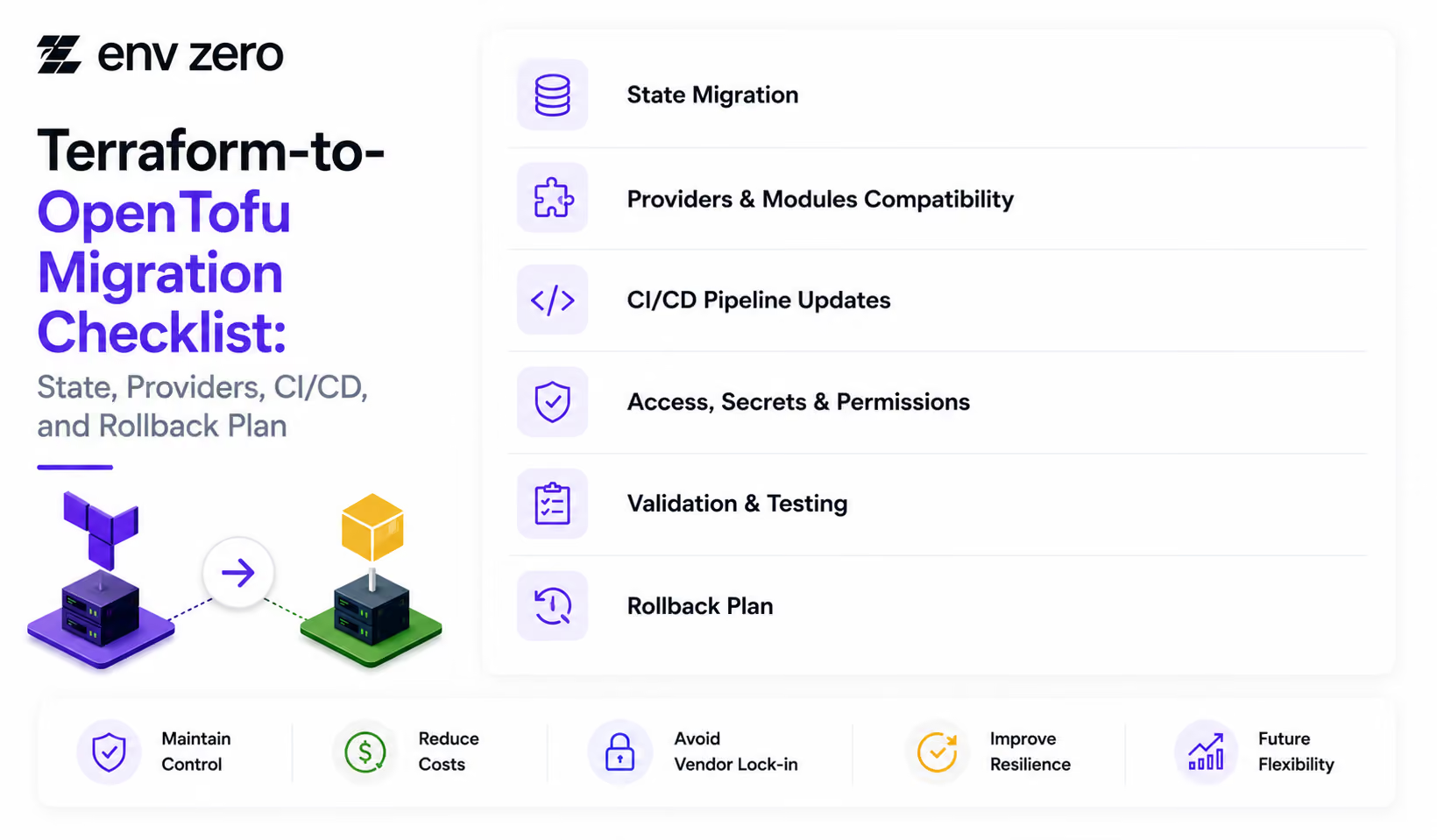
Terraform-to-OpenTofu Migration Checklist: State, Providers, CI/CD, and Rollback Plan
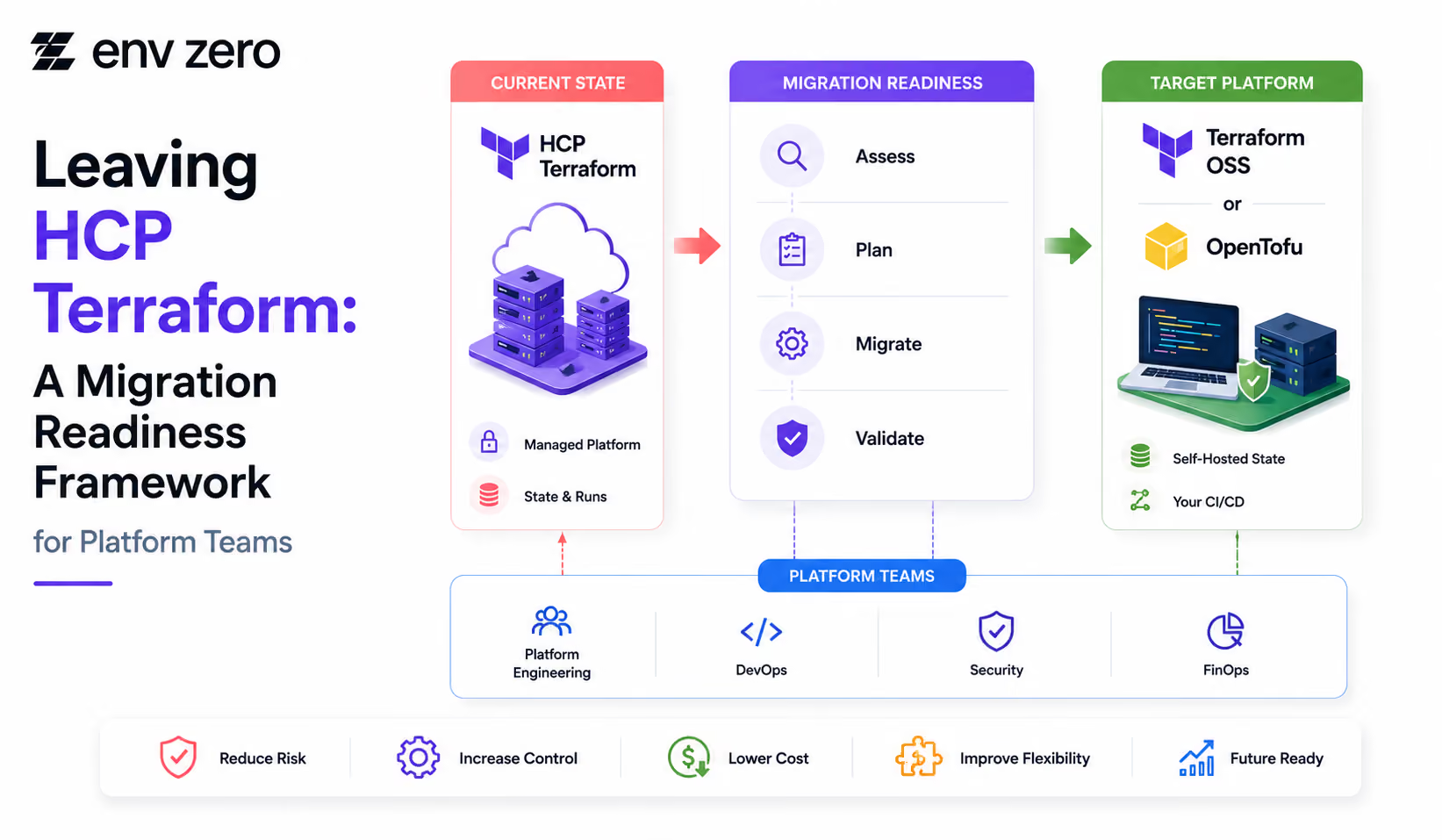
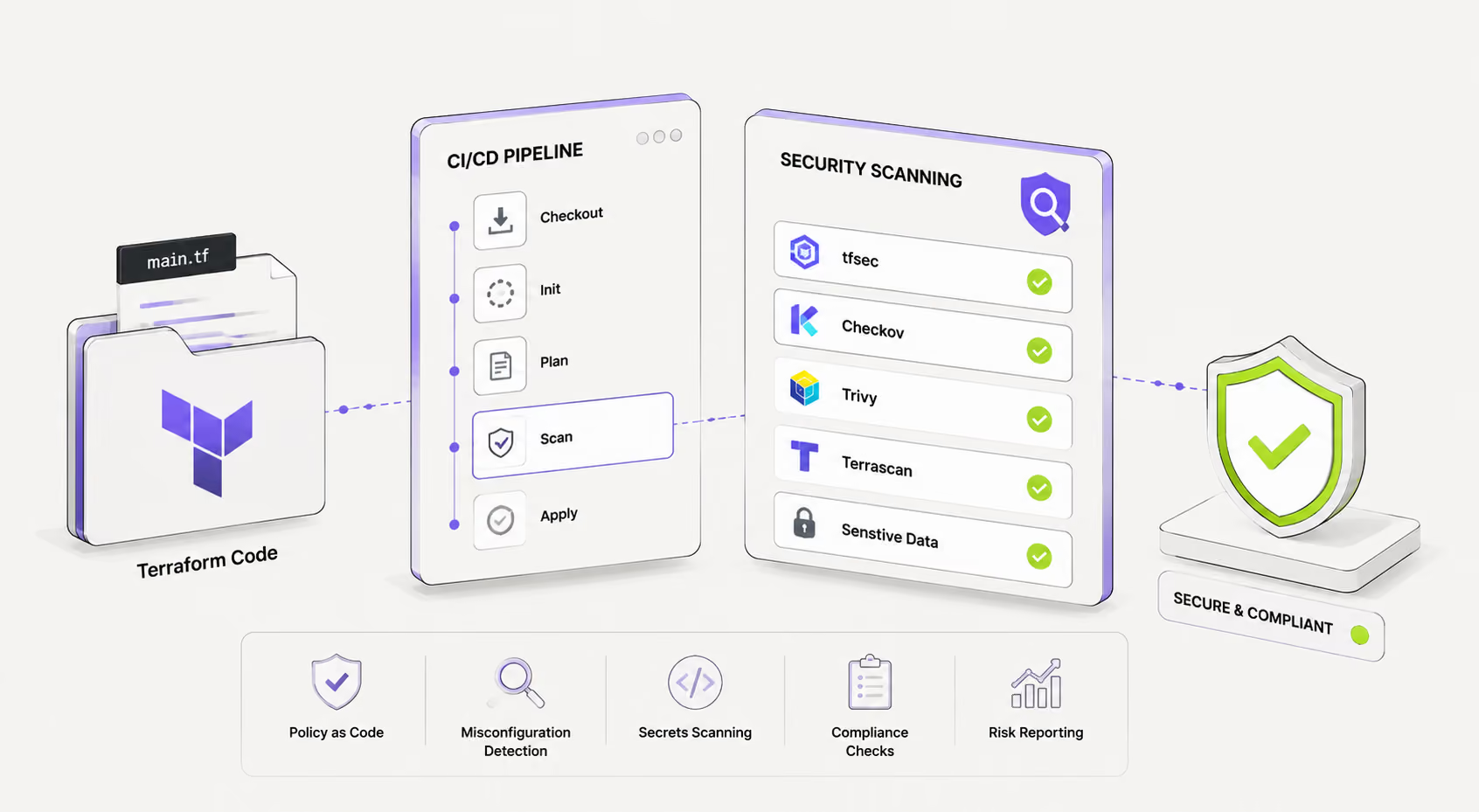









Audit Trail Setup Guide: Maintaining Compliance and Security Across Your Infrastructure


Pipeline Visibility Checklist: Ensuring Full Transparency Across Deployment Workflows

Rollback Readiness Checklist: Ensuring Fast and Reliable Recovery Across Environments
Deployment Automation Checklist: Ensuring Consistent and Reliable Infrastructure Delivery