.svg)


Infrastructure drift creates hidden risk across cloud environments.
It happens when deployed infrastructure no longer matches the approved configuration stored in code, policy, or documentation.
Over time, small manual changes, emergency fixes, inconsistent deployments, and environment-specific exceptions can create major gaps between what teams expect and what actually exists.
For enterprise teams, drift is more than a configuration issue. It affects security, compliance, cost control, deployment reliability, and operational visibility.
When teams cannot trust that environments are consistent, every deployment becomes riskier.
A drift risk checklist helps organizations identify the areas most likely to create environment drift and gives platform teams a repeatable way to reduce that risk.
Why Drift Risk Matters
Drift often begins with small changes that seem harmless. A firewall rule may be added manually to fix an issue in production.
A cloud resource may be resized outside the normal deployment process. A temporary access permission may remain in place long after the original request is complete.
These small differences can grow over time until environments become difficult to manage and impossible to trust.
Drift creates several major challenges for enterprise teams:
- Security policies may no longer be enforced consistently
- Production environments may differ from staging or development
- Compliance evidence may become unreliable
- Costs may increase because of unmanaged resources
- Teams may struggle to troubleshoot issues across environments
- Infrastructure changes may fail because the actual environment no longer matches the expected state
The more environments an organization manages, the greater the risk of drift.
What Causes Infrastructure Drift
Infrastructure drift usually happens when teams make changes outside of approved workflows.
Common causes include:
- Manual changes in the cloud console
- Emergency fixes made directly in production
- Differences between environments
- Outdated infrastructure as code templates
- Untracked policy exceptions
- Inconsistent deployment practices across teams
- Resources created without governance controls
- Incomplete documentation of previous changes
Drift risk becomes especially high in organizations with multiple cloud providers, large platform teams, shared environments, and decentralized ownership.
The Drift Risk Checklist
Use the checklist below to evaluate whether your organization is exposed to infrastructure drift.
Identify Where Manual Changes Are Allowed
Manual changes are one of the biggest causes of drift.
Teams should identify where engineers are still allowed to make changes directly in the cloud console, production environment, or shared infrastructure.
Examples include:
- Direct changes to compute resources
- Manual updates to networking rules
- Identity and access modifications
- Storage configuration changes
- Resource tagging updates
If manual access is necessary, organizations should log every change and review it regularly.
Compare Infrastructure to Approved Code
Teams should regularly compare deployed infrastructure against the approved infrastructure as code configuration.
This helps identify:
- Resources that exist in production but not in code
- Configuration values that have changed
- Missing policy controls
- Differences between planned and actual deployments
Without regular comparison, drift can remain hidden until it causes an outage, compliance issue, or failed deployment.
Check for Environment Inconsistencies
Development, staging, testing, and production environments should follow the same standards whenever possible.
Common inconsistencies include:
- Different network configurations
- Different identity and access policies
- Different resource sizes
- Missing monitoring tools
- Different tagging or naming standards
The larger the gap between environments, the harder it becomes to predict how changes will behave in production.
Review Policy Exceptions
Policy exceptions may be necessary in some cases, but they often become a source of long-term drift.
Teams should review:
- Temporary exceptions that were never removed
- Environment-specific policy overrides
- Resources exempt from governance controls
- Security exceptions for legacy systems
Every exception should have an owner, expiration date, and documented reason.
Audit Identity and Access Changes
Identity and access settings frequently drift over time because permissions are added faster than they are removed.
Organizations should review:
- Admin roles assigned outside policy
- Shared accounts with broad permissions
- Expired temporary access still active
- Service accounts with unnecessary privileges
- Differences between expected and actual access levels
Access drift can create both security and compliance risks.
Review Resource Tagging and Ownership
Missing tags and unclear ownership make drift harder to detect.
Every cloud resource should have clear metadata, including:
- Team ownership
- Environment type
- Cost center
- Business purpose
- Compliance classification
Without consistent tagging, teams may struggle to understand whether a resource is approved, necessary, or still in use.
Evaluate Deployment Consistency
Deployment workflows should be standardized across teams and environments.
Organizations should check whether:
- Teams use the same deployment process
- Infrastructure changes go through the same review path
- Production changes are applied through approved pipelines
- Rollback procedures are documented
- Emergency changes are captured after implementation
Inconsistent deployment methods increase the likelihood of hidden drift.
Monitor for Unused or Orphaned Resources
Unused resources are a common sign of unmanaged drift.
These may include:
- Old virtual machines
- Unused storage buckets
- Expired databases
- Forgotten test environments
- Detached security groups
Orphaned resources increase costs and create security risks because teams may not know they still exist.
Review Drift Detection Frequency
Drift detection should happen regularly, not only after incidents.
Teams should define:
- How often environments are scanned for drift
- Which environments receive the highest priority
- What triggers an investigation
- Who is responsible for resolving detected drift
Frequent reviews make it easier to catch issues before they affect operations.
Build Remediation Into Governance Workflows
Detecting drift is only part of the process. Organizations also need a clear remediation plan.
A mature remediation workflow should define:
- Who resolves the drift
- Whether the environment or the code should be updated
- How exceptions are documented
- How future recurrence is prevented
Without remediation, drift detection becomes a reporting exercise instead of a governance control.
Common Drift Risk Mistakes
Many organizations make the mistake of focusing only on production drift while ignoring lower environments. In reality, staging and development drift can create production problems later.
Another common mistake is relying on manual audits instead of automated detection.
Manual reviews may work temporarily, but they are difficult to scale across multiple teams and cloud environments.
Teams also often fail to assign ownership for drift. When nobody owns remediation, drift becomes permanent.
Conclusion
Infrastructure drift is one of the most common causes of security gaps, deployment failures, compliance issues, and rising cloud costs.
Even small manual changes can create major inconsistencies over time.
A drift risk checklist helps enterprise teams identify where drift is happening, understand why it occurs, and reduce long-term risk across environments.
For organizations focused on cloud governance and risk management, drift prevention is not just an operational task. It is a critical part of maintaining secure, reliable, and consistent infrastructure.
FAQs
What is infrastructure drift?
Infrastructure drift happens when the actual cloud environment no longer matches the approved configuration stored in code, policy, or documentation.
Why is drift risk important?
Drift risk is important because it can lead to security gaps, compliance failures, inconsistent deployments, higher costs, and troubleshooting challenges.
What are the most common causes of drift?
The most common causes include manual changes, emergency fixes, inconsistent deployments, outdated templates, and untracked policy exceptions.
How can teams reduce infrastructure drift?
Teams can reduce drift by using infrastructure as code, limiting manual changes, automating drift detection, standardizing deployments, and reviewing environments regularly.
Related Content
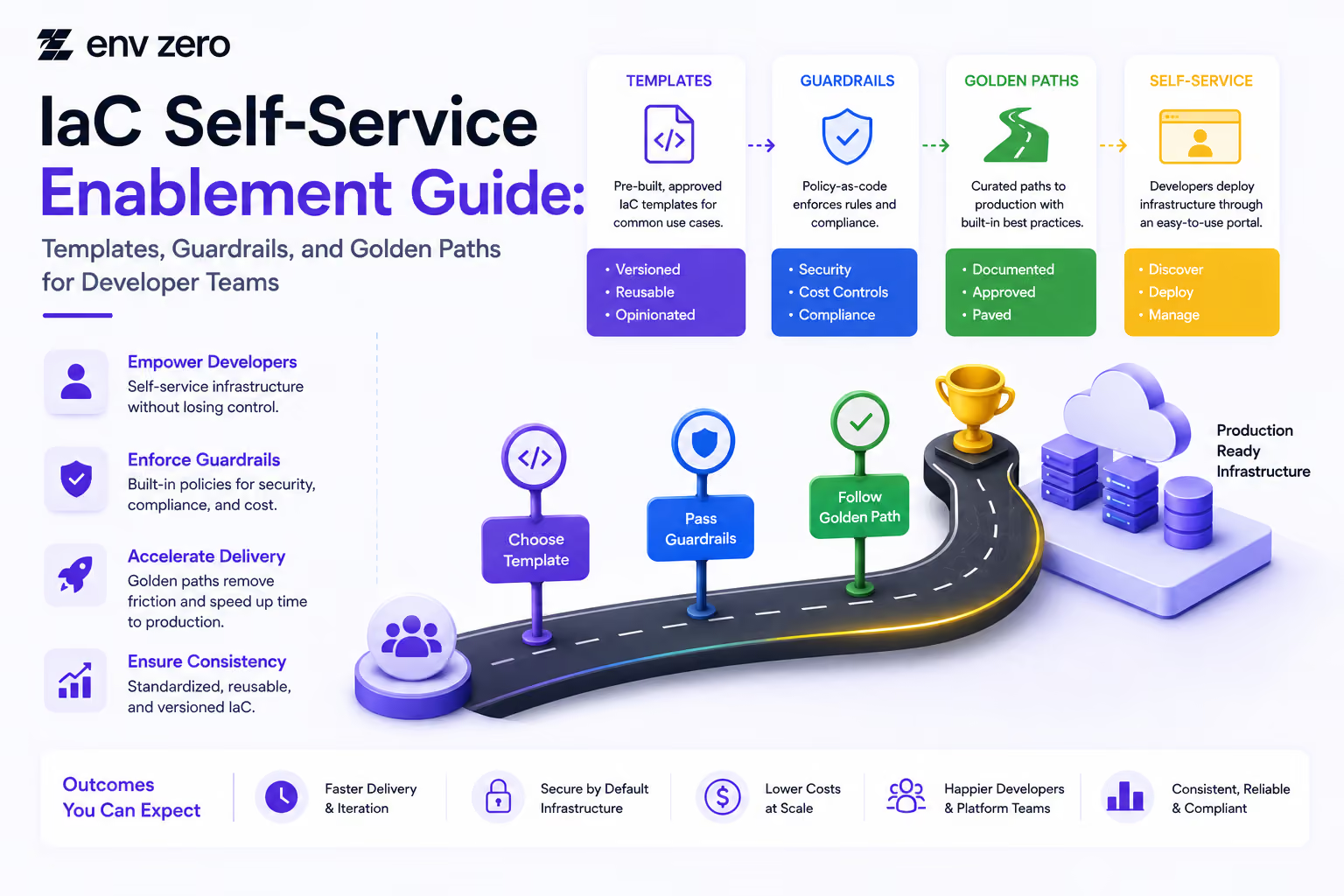
IaC Self-Service Enablement Guide: Templates, Guardrails, and Golden Paths for Developer Teams
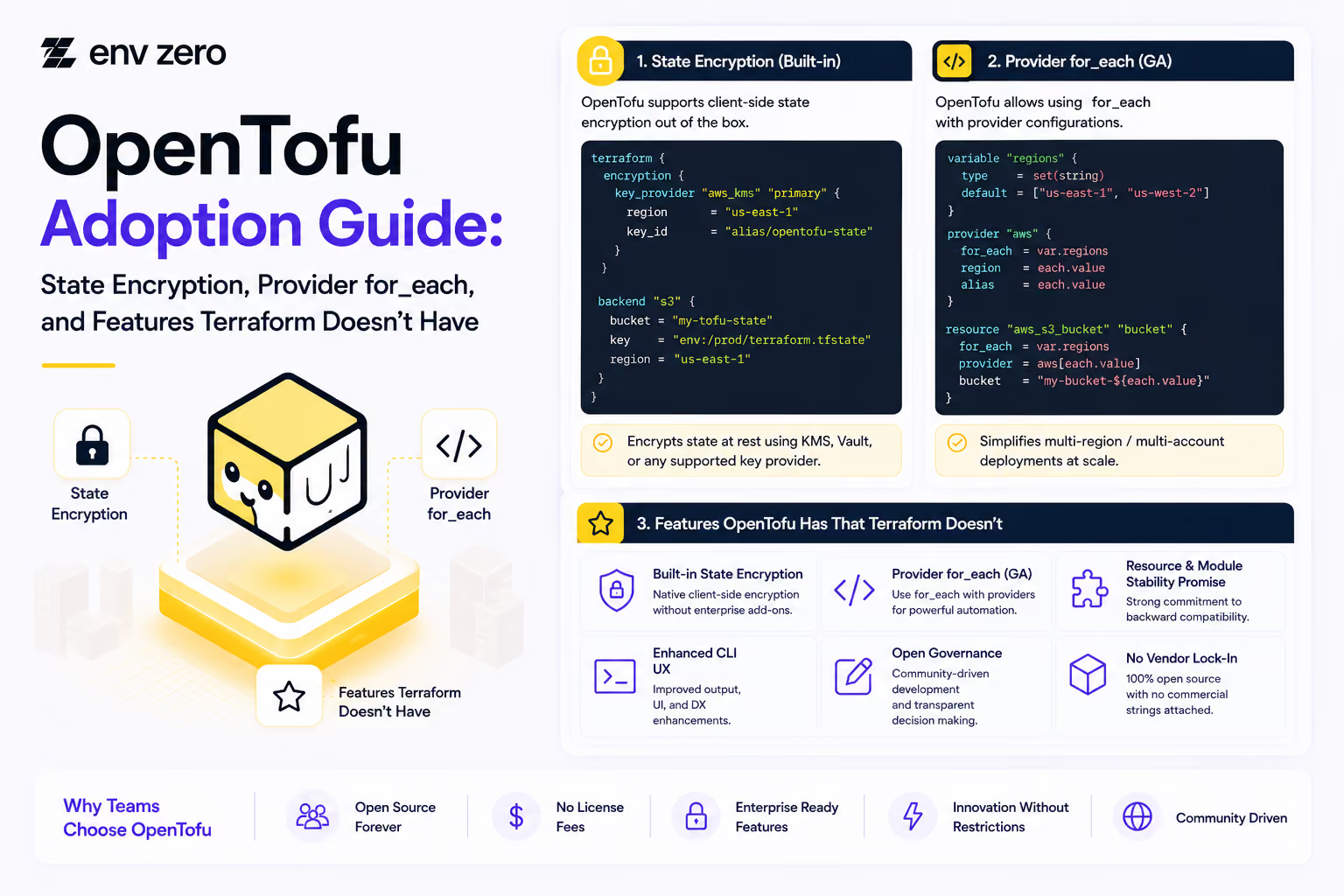
OpenTofu Adoption Guide: State Encryption, Provider for_each, and Features Terraform Doesn't Have
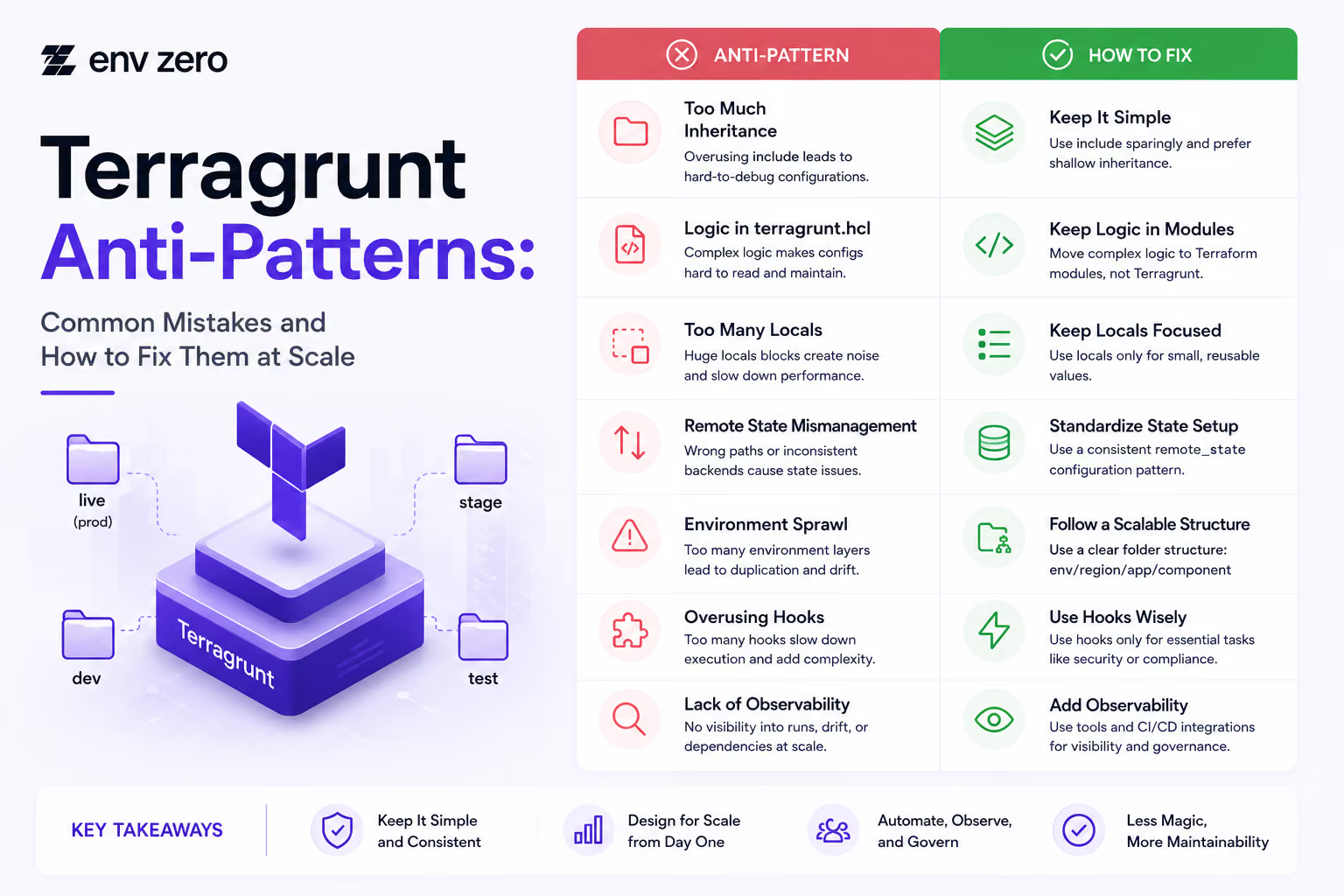
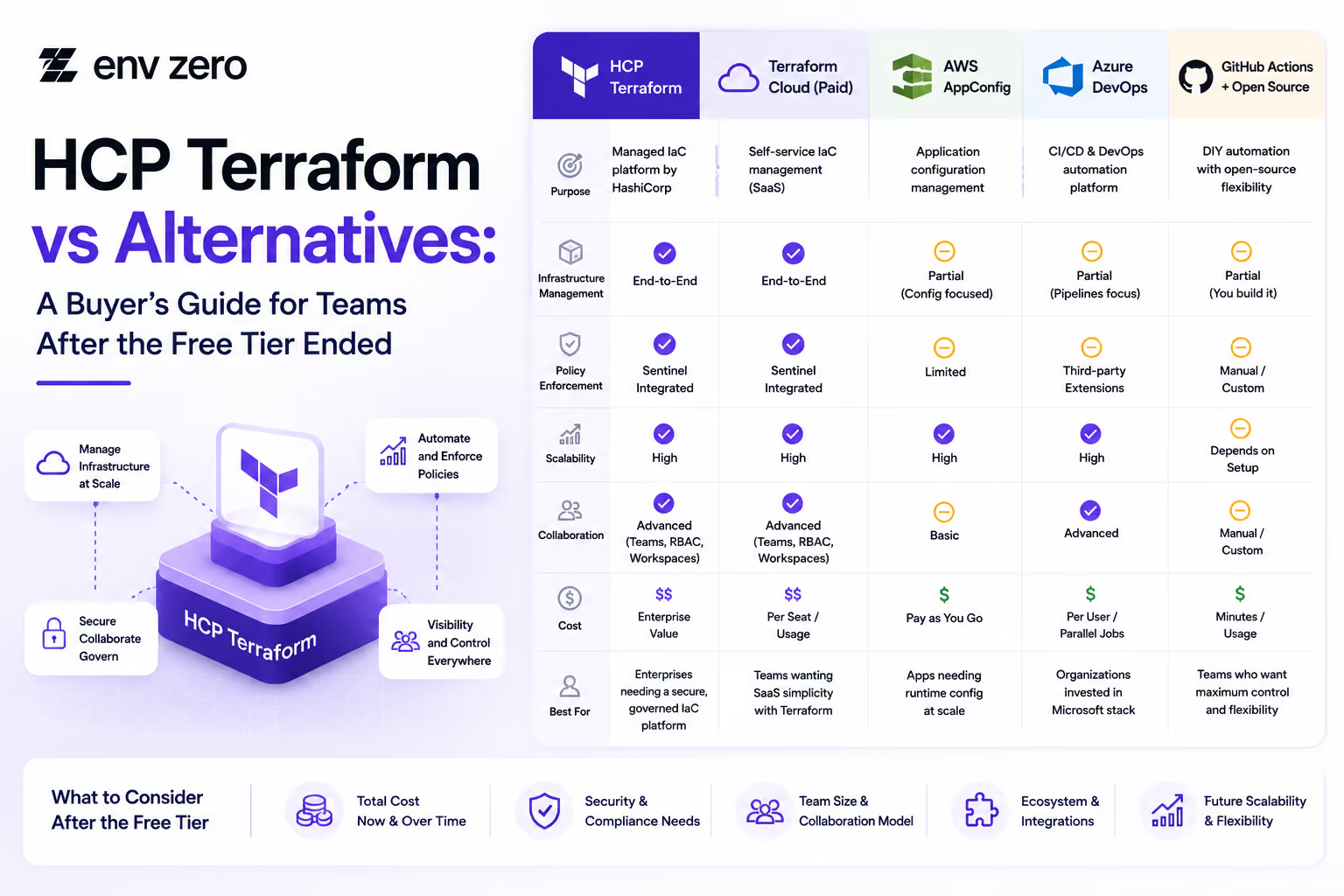

How to Install Terragrunt and Set Up Your First Multi-Environment Project (2026 Edition)
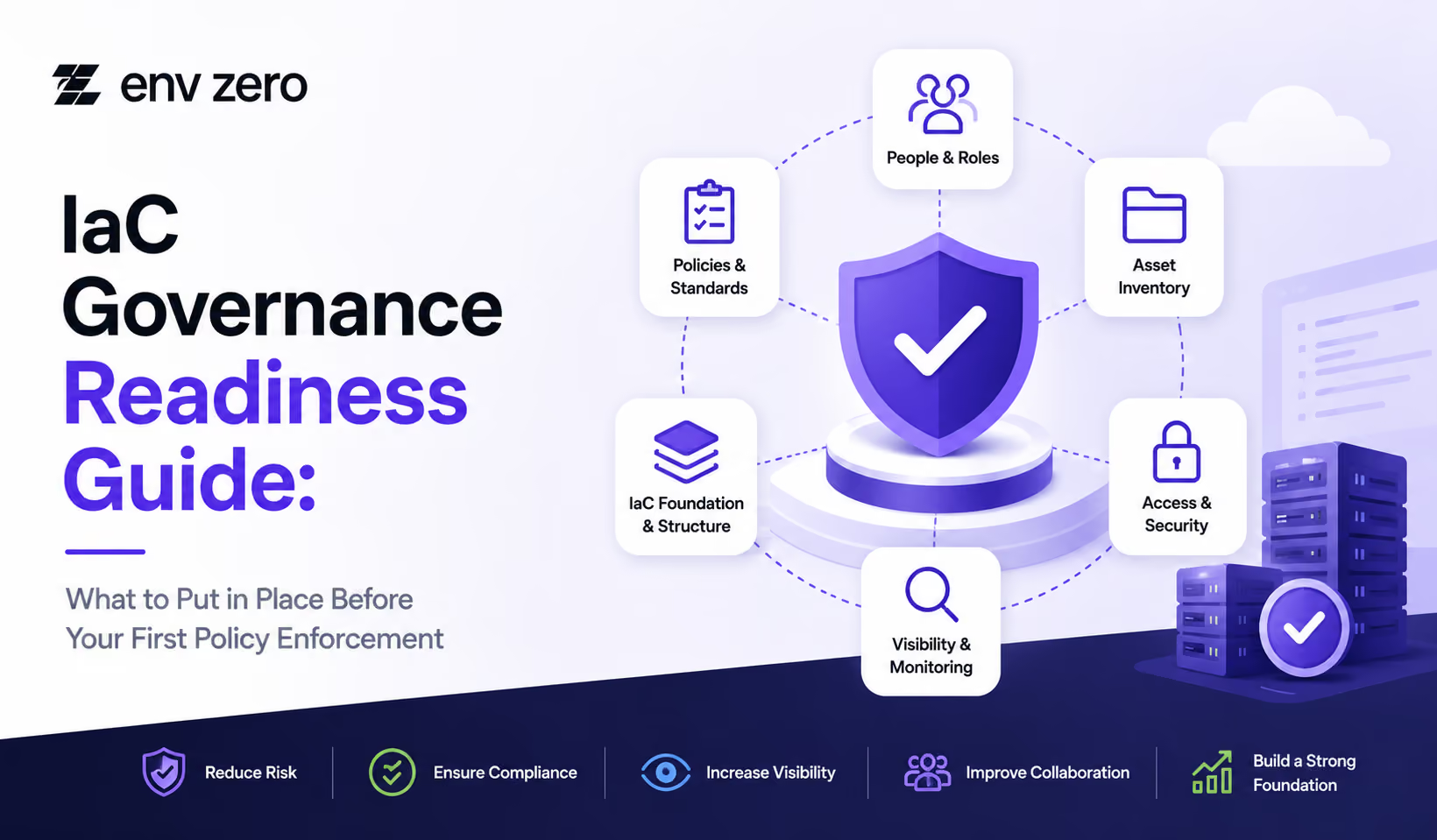
IaC Governance Readiness Guide: What to Put in Place Before Your First Policy Enforcement
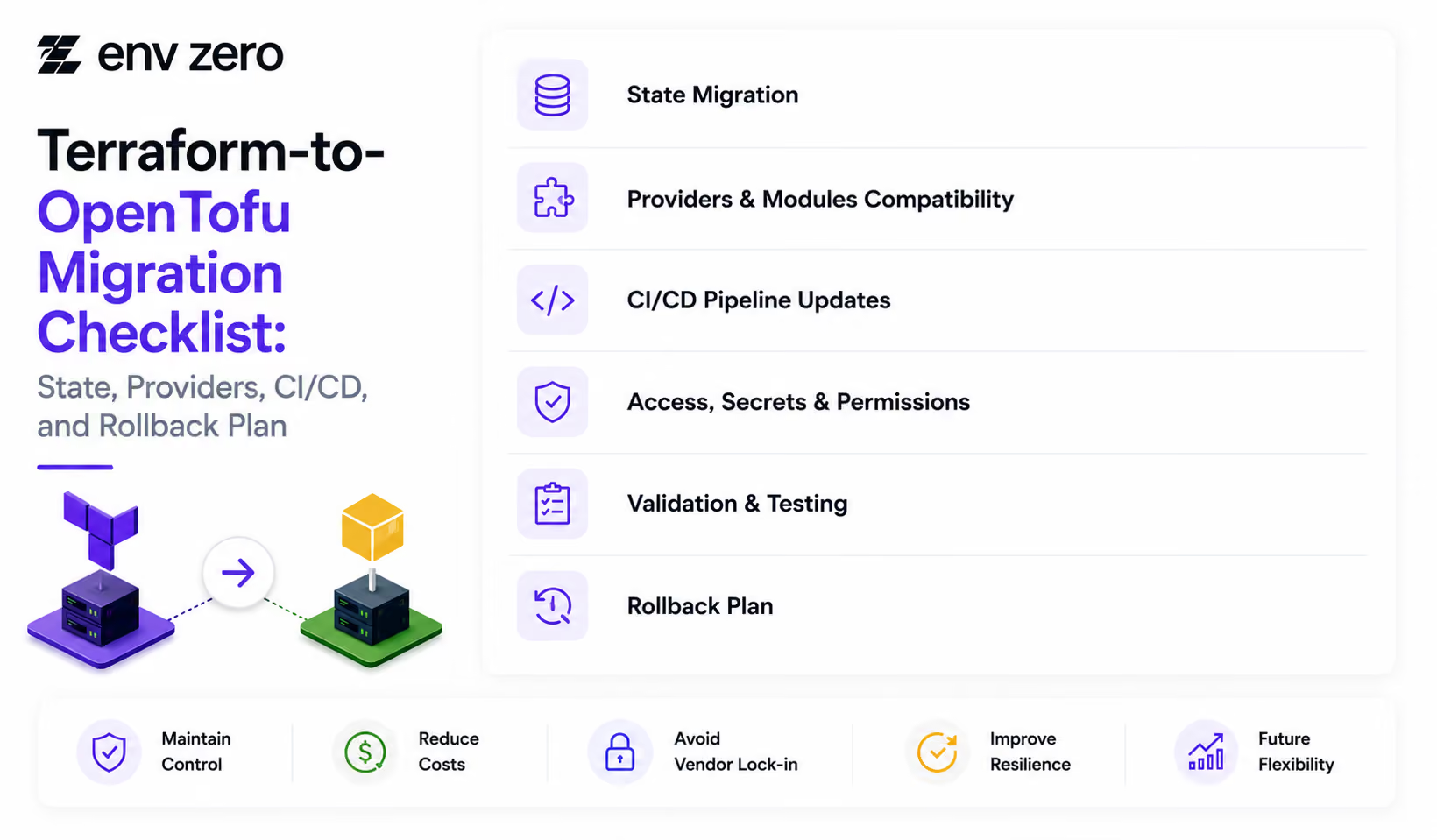
Terraform-to-OpenTofu Migration Checklist: State, Providers, CI/CD, and Rollback Plan
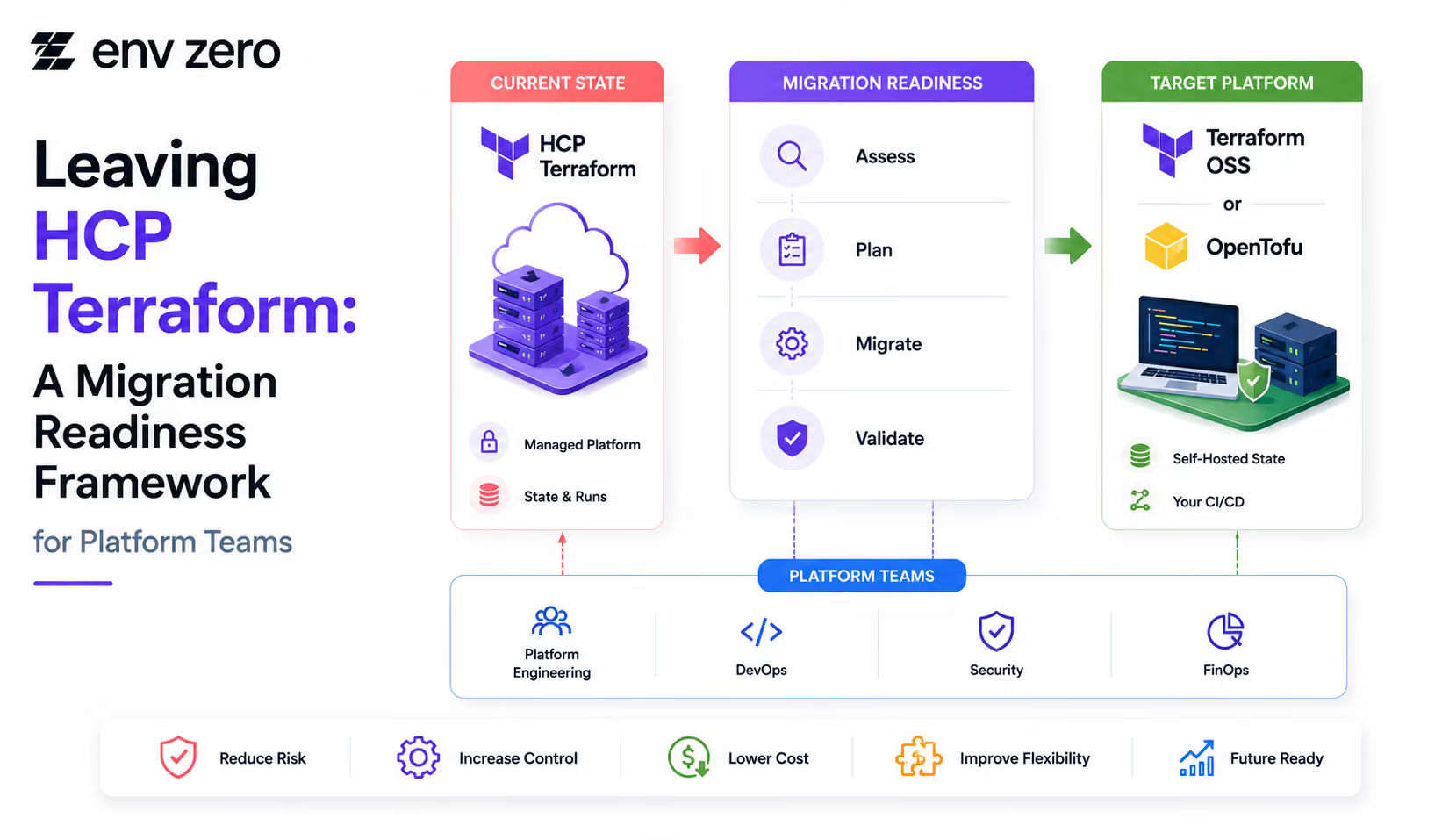
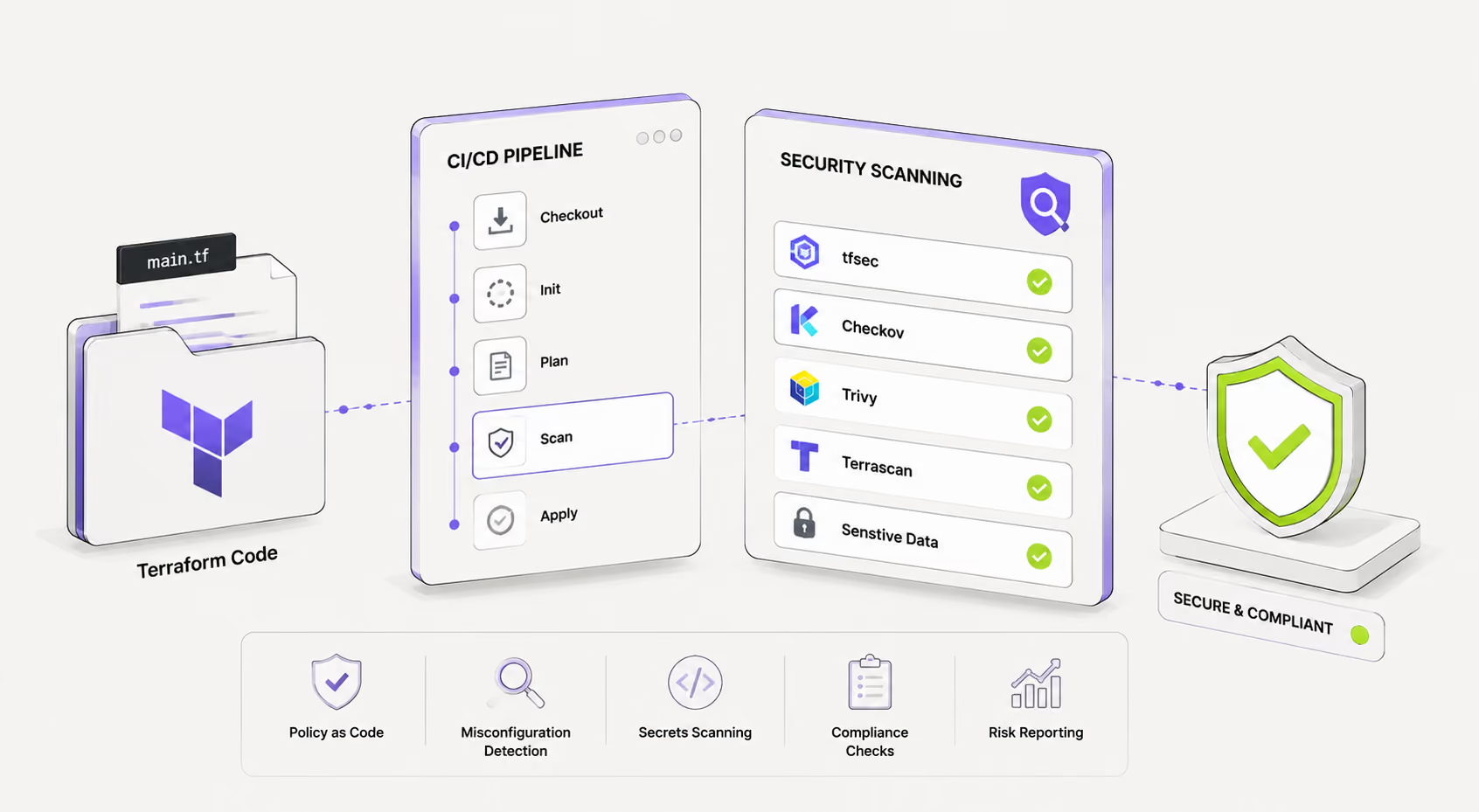








Audit Trail Setup Guide: Maintaining Compliance and Security Across Your Infrastructure


Pipeline Visibility Checklist: Ensuring Full Transparency Across Deployment Workflows

Rollback Readiness Checklist: Ensuring Fast and Reliable Recovery Across Environments
Deployment Automation Checklist: Ensuring Consistent and Reliable Infrastructure Delivery