.svg)

In modern infrastructure management, tracking and monitoring every change, access, and deployment is crucial.
Audit trails provide a transparent, traceable record of all activities within your systems, ensuring that organizations can demonstrate compliance and security at every step of their deployment lifecycle.
This guide will explore how to effectively set up audit trails to enhance security, compliance, and operational efficiency.
Introduction
As organizations scale their infrastructure and application delivery processes, maintaining transparency and traceability in infrastructure changes is more important than ever.
An audit trail is a secure and detailed log of all actions taken within an infrastructure system, helping organizations track and monitor every deployment, change, or access request.
Audit trails are not just about compliance; they are critical for security, accountability, and troubleshooting.
They provide platform teams with the ability to quickly identify who made specific changes, when the changes occurred, and why they were made.
In this guide, we will explore how to set up and maintain effective audit trails, ensuring transparency, security, and regulatory compliance across your infrastructure.
Why Are Audit Trails Important?
Audit trails are essential for maintaining security and compliance.
Implementing robust cloud governance & risk management solutions ensures that every infrastructure action is tracked, compliant, and aligned with security and policy requirements across environments.
They ensure that all actions related to data access and changes are logged and traceable, which is vital for adhering to regulations like GDPR, HIPAA, and SOX.
By maintaining a record of who made changes and when, audit trails also promote accountability and transparency, enabling teams to trace issues quickly.
When problems such as misconfigurations, security breaches, or failed deployments occur, audit trails help teams identify the root cause of issues and take corrective action.
They also support operational efficiency by helping detect inefficient usage patterns and optimize infrastructure performance.
Setting Up Audit Trails
To set up audit trails effectively, start by defining the key activities that should be logged.
These activities typically include infrastructure provisioning, user access, configuration changes, and security-related events.
Storing these logs in a centralized logging system (e.g., Splunk, AWS CloudTrail, Elasticsearch) ensures that they are easy to access, analyze, and manage.
For data integrity, make sure that audit logs are immutable using techniques like write-once logs or blockchain technology and protect them with encryption to ensure confidentiality.
Automate the process of log collection and storage by integrating with tools like Terraform, Kubernetes, or env0, ensuring that logs are captured continuously.
Organizations that want to fully automate the full deployment lifecycle with guardrails can ensure that every deployment, approval, and infrastructure change is logged, governed, and traceable in real time.
To enable proactive monitoring, set up alerts for anomalies such as unauthorized access or unexpected changes.
Finally, ensure compliance with regulatory requirements by implementing log retention policies and automating log rotation for efficient storage management.
How env zero Supports Audit Trail Setup
env0 makes it easy to set up, manage, and monitor audit trails across your infrastructure.
It integrates seamlessly with tools like Terraform and Kubernetes, ensuring that every infrastructure change is logged, traceable, and secure, which is essential for compliance and operational transparency.
Key features of env zero that support audit trail management include:
Centralized Logging Integration
env zero can be integrated with centralized logging systems, automatically sending audit trail data to platforms like Splunk or AWS CloudTrail for monitoring, analysis, and long-term storage.
This centralized approach improves the reliability of audit records.
Immutable Logs
env zero ensures that audit logs are stored securely and are tamper-proof, maintaining the integrity of every action performed across the platform.
This guarantees that logs cannot be altered or deleted, providing a strong line of defense against any potential breaches.
Automated Governance
With env0, you can enforce Policy-as-Code during the deployment process.
This ensures that compliance requirements are automatically enforced at every step, and all actions whether successful or failed are logged for auditing purposes.
Real-time Monitoring and Alerts
env zero offers real-time monitoring and can trigger alerts based on specific conditions, such as unauthorized access attempts or configuration changes.
This enables platform teams to react promptly to unauthorized changes or potential security threats, improving response times and reducing the impact of incidents.
Conclusion
Audit trails are an essential component of modern infrastructure management, providing visibility, accountability, and security.
By implementing effective audit trail strategies, platform teams can ensure that infrastructure changes are properly tracked, secure, and compliant.
Automated audit trails simplify the process of maintaining logs, ensuring data integrity, and enabling quick identification of issues.
With tools like env0, organizations can seamlessly integrate audit trail management into their deployment pipelines, gaining full visibility and control over their infrastructure activities.
Start leveraging env0 to enhance your infrastructure governance and implement automated audit trails across your platform.
With env0, ensure compliance, improve transparency, and streamline monitoring, making it easier to track and manage every change across your infrastructure.
FAQs
What is an audit trail in infrastructure management?
An audit trail is a record of all actions, changes, and events that occur within an infrastructure system. It tracks who made changes, what changes were made, when they were made, and the outcome. Audit trails ensure transparency, security, and compliance in the infrastructure management process.
Why are audit trails important for compliance?
Audit trails are essential for meeting regulatory compliance standards such as GDPR, HIPAA, and SOX. They provide a clear, traceable history of actions and changes, ensuring that organizations can demonstrate adherence to legal and regulatory requirements. Audit trails also simplify audit processes and reduce the risk of non-compliance.
How can I set up audit trails in my infrastructure?
To set up audit trails, define key actions to log (e.g., deployments, access, configurations), use a centralized logging system (e.g., Splunk, AWS CloudTrail), and integrate automated logging with encryption and retention policies for data integrity.
How does env zero help with audit trail management?
env zero integrates with centralized logging systems to capture and store audit trail data from infrastructure changes. It ensures that logs are tamper-proof and provides real-time monitoring, alerts, and compliance enforcement through Policy-as-Code.
How long should audit logs be retained?
Audit logs should be retained based on organizational policies and regulatory requirements, typically for at least one year, though the retention period may vary depending on infrastructure type and compliance needs.
Related Content
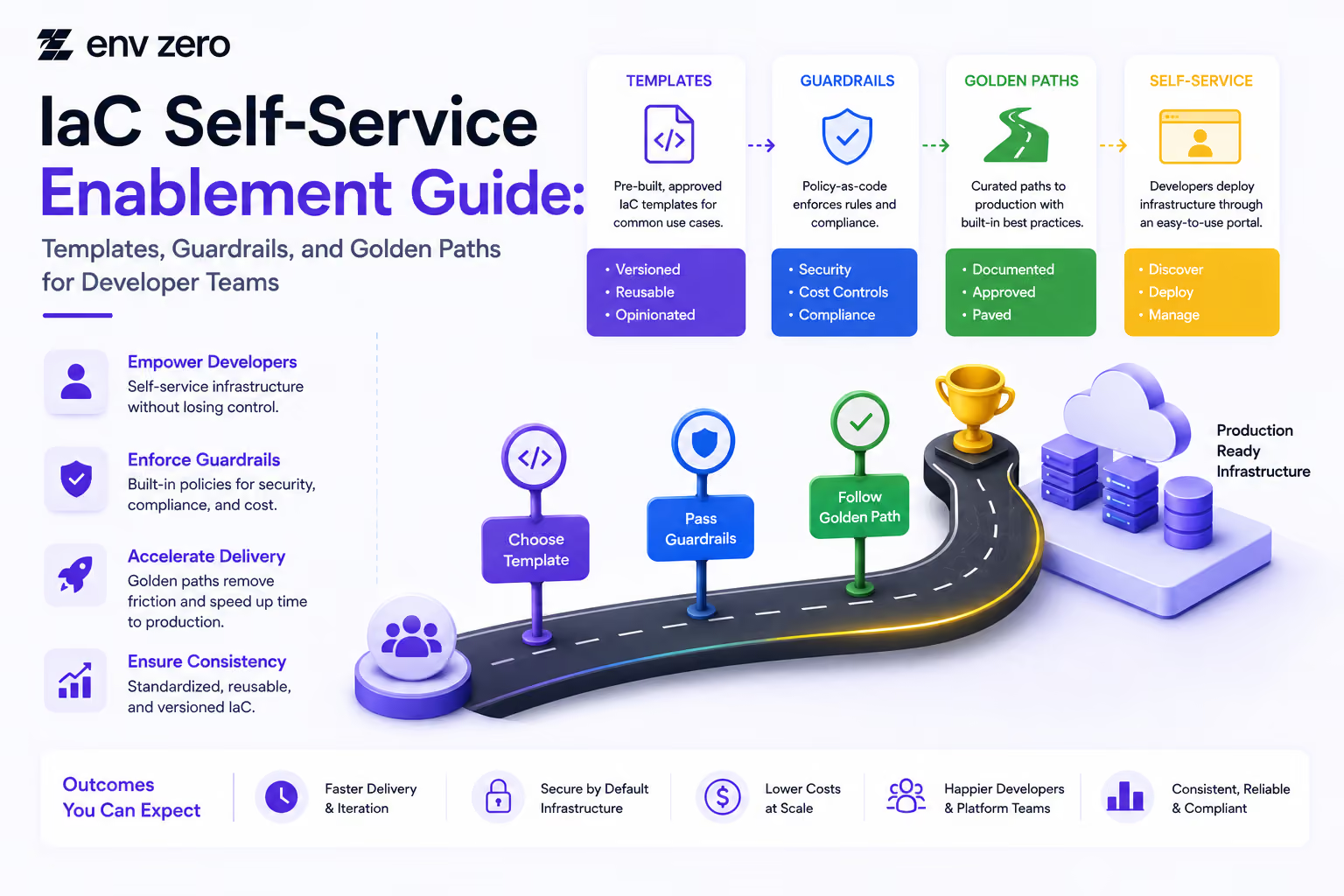
IaC Self-Service Enablement Guide: Templates, Guardrails, and Golden Paths for Developer Teams
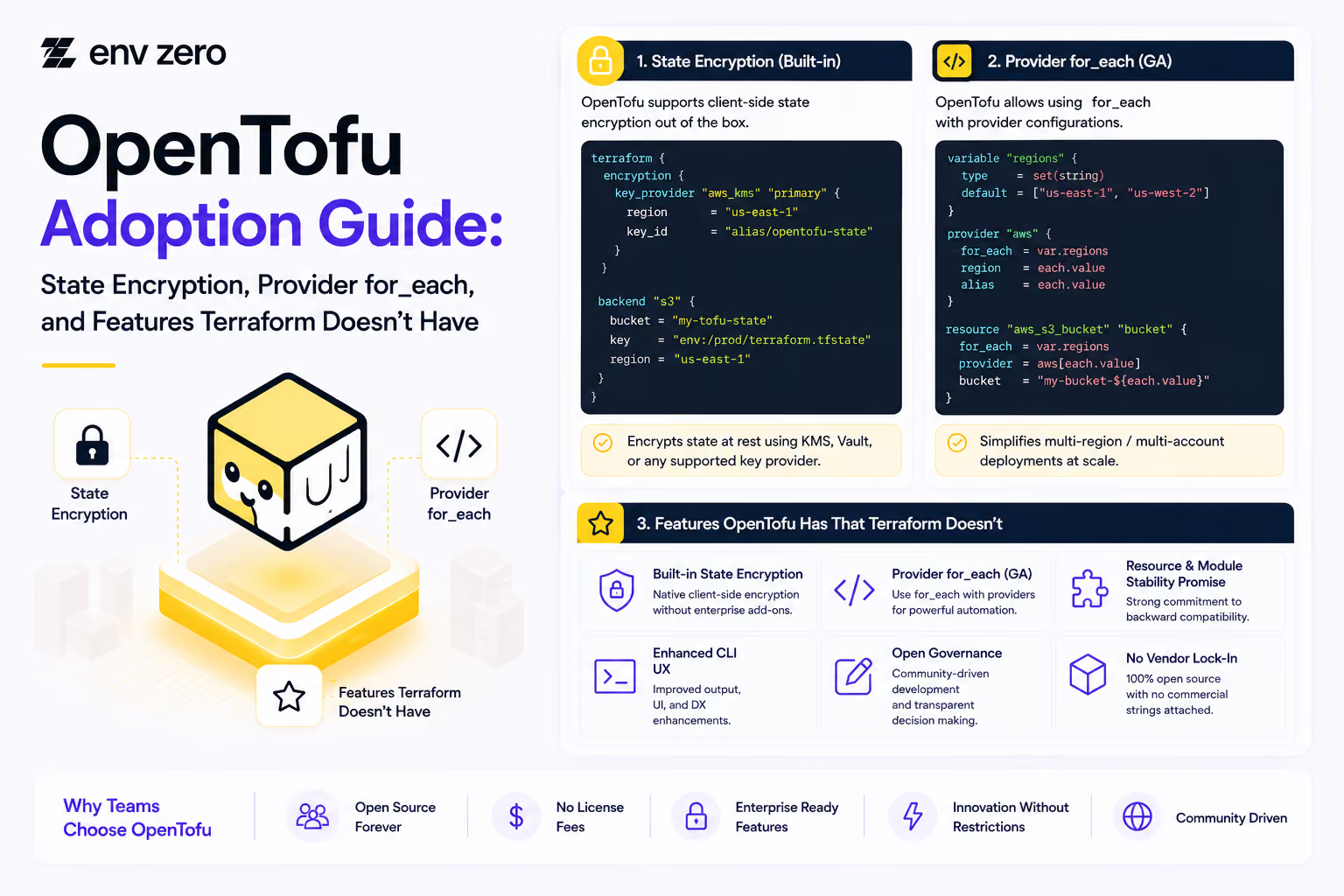
OpenTofu Adoption Guide: State Encryption, Provider for_each, and Features Terraform Doesn't Have
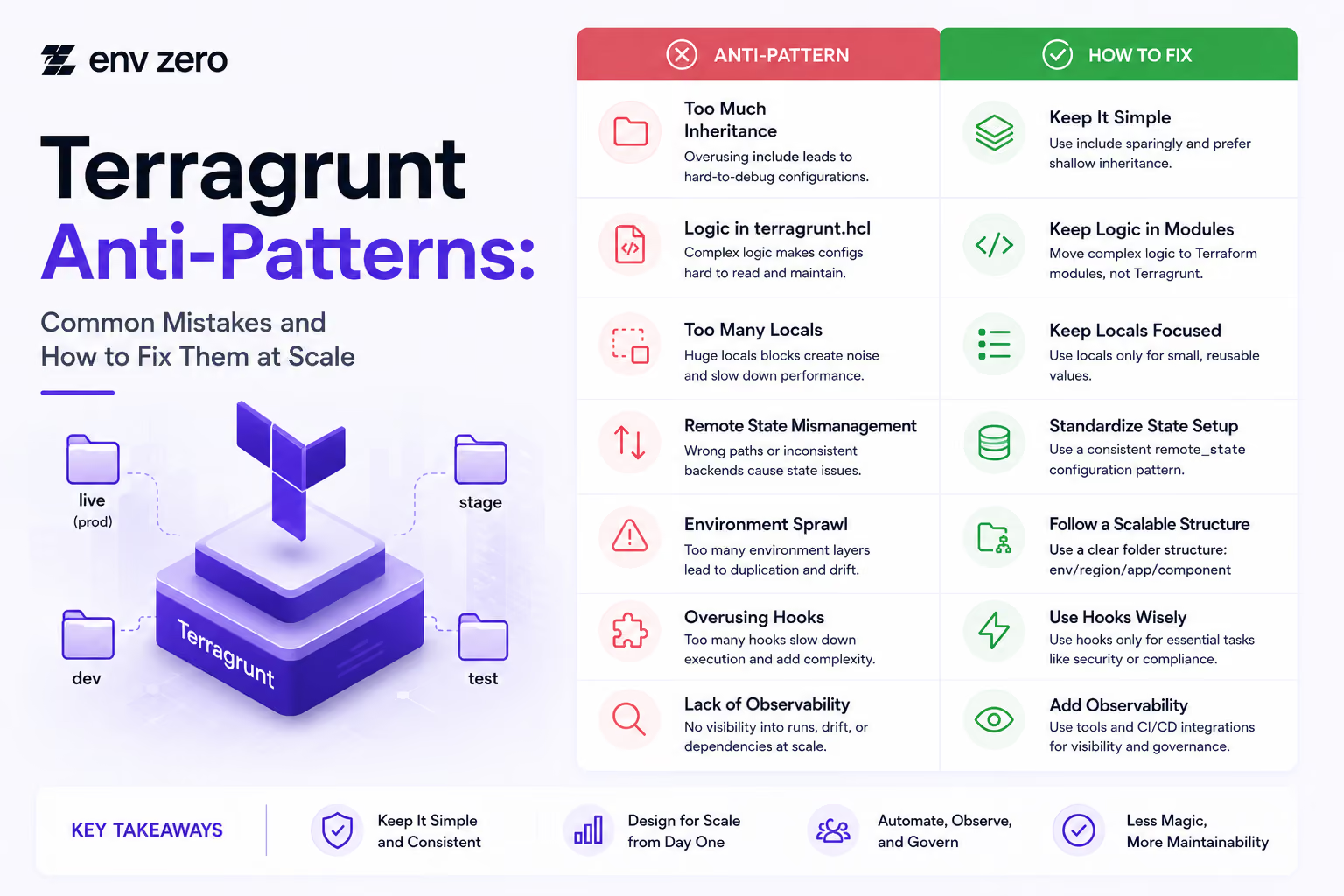
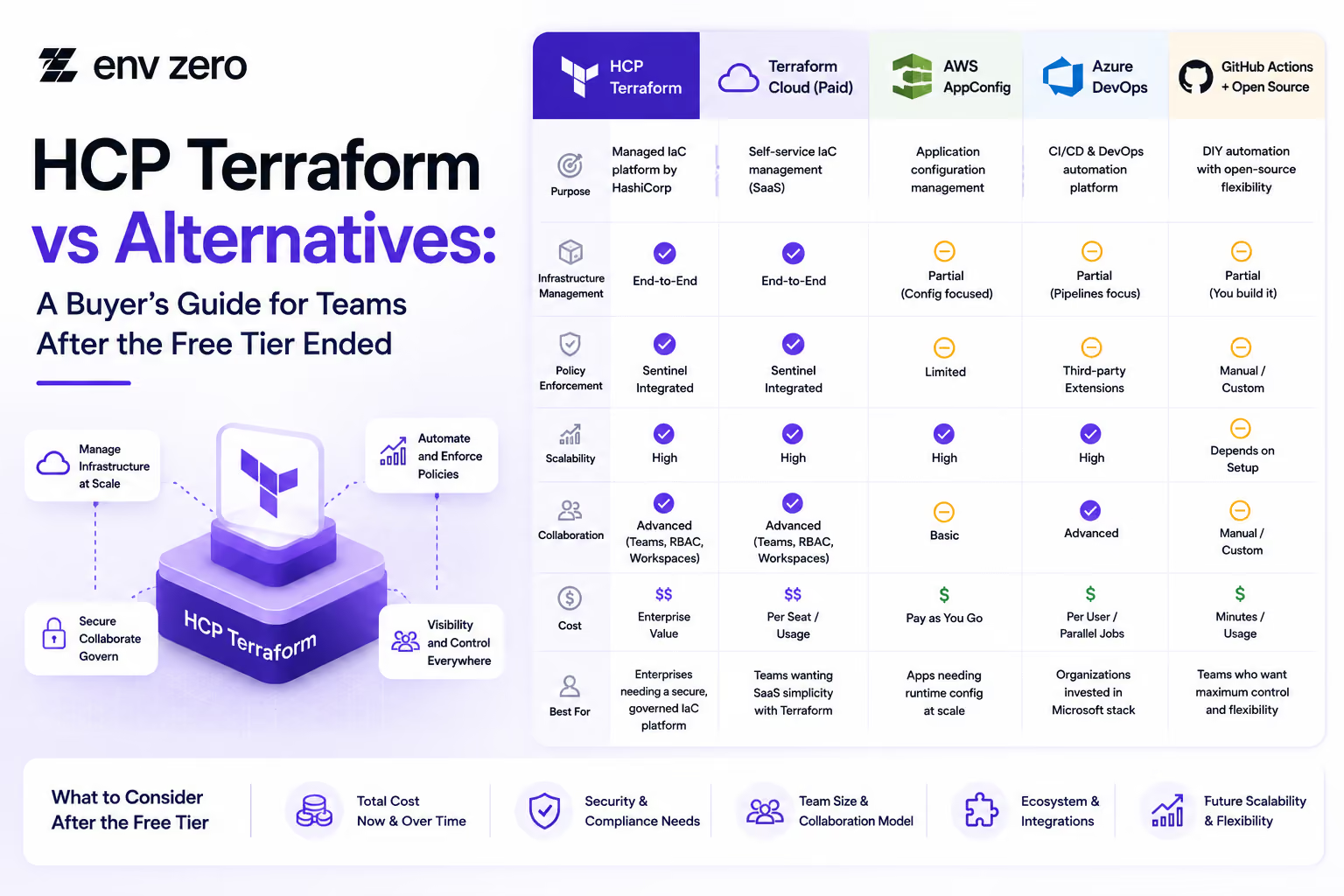

How to Install Terragrunt and Set Up Your First Multi-Environment Project (2026 Edition)
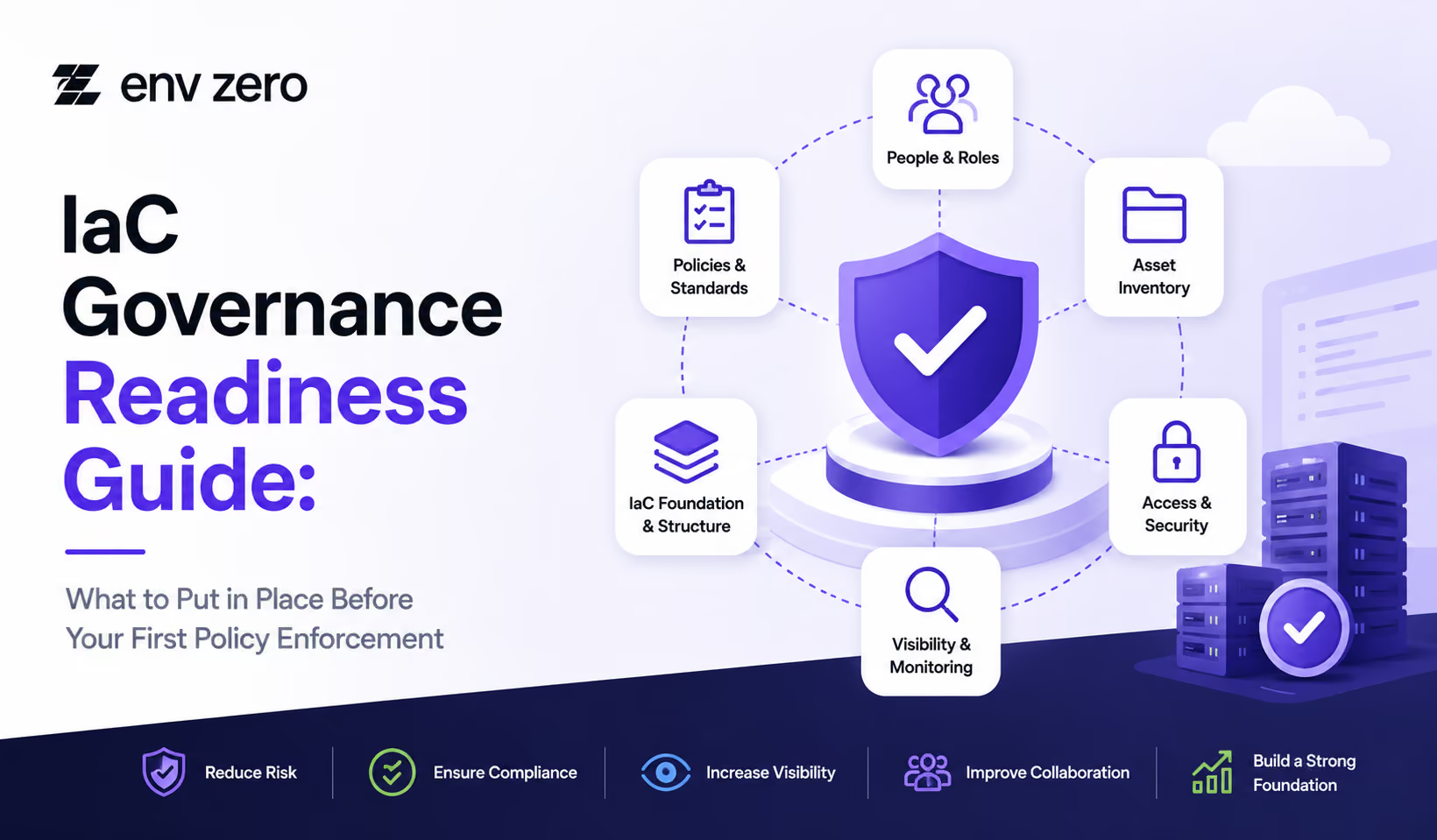
IaC Governance Readiness Guide: What to Put in Place Before Your First Policy Enforcement
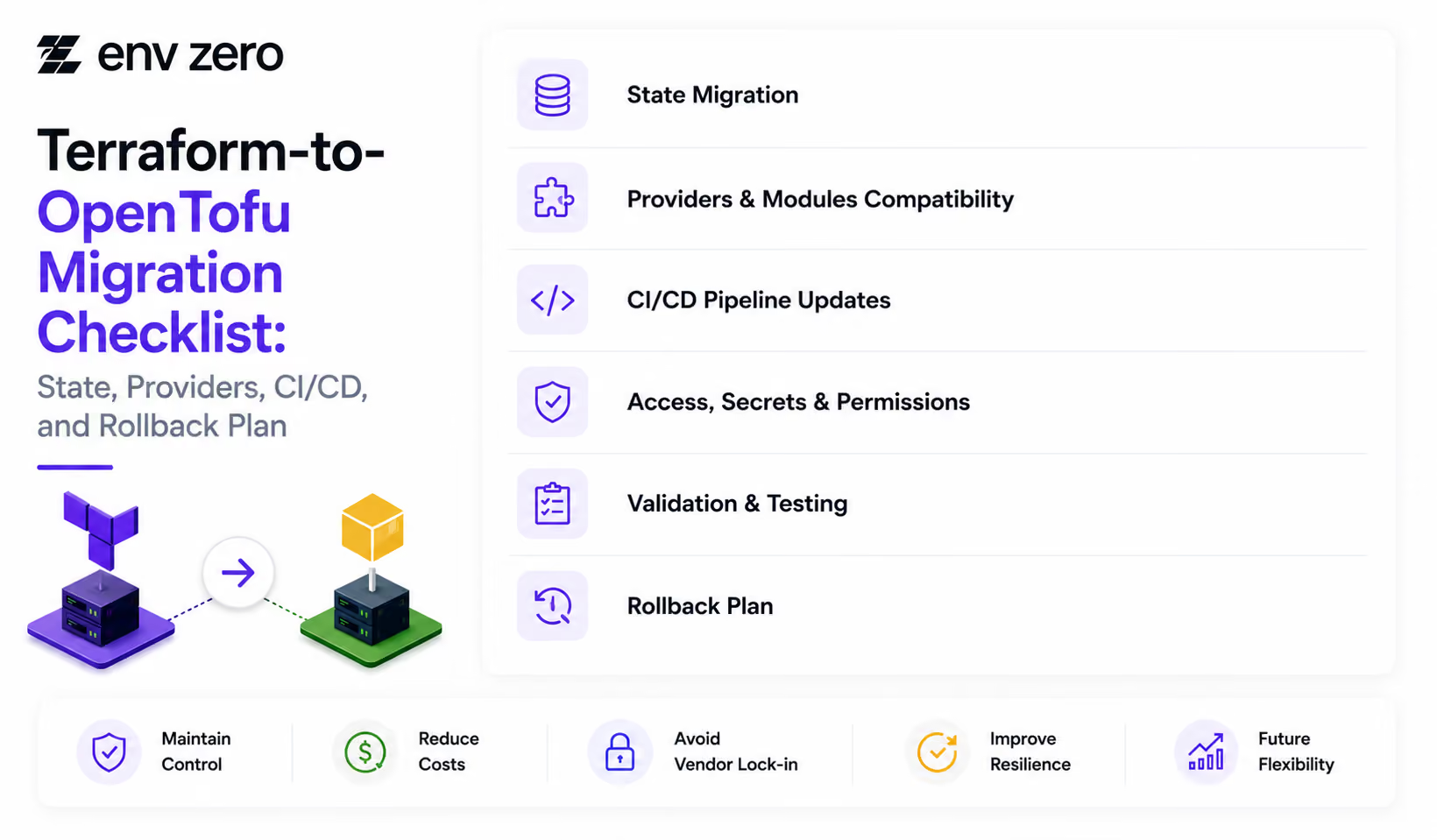
Terraform-to-OpenTofu Migration Checklist: State, Providers, CI/CD, and Rollback Plan












Audit Trail Setup Guide: Maintaining Compliance and Security Across Your Infrastructure


Pipeline Visibility Checklist: Ensuring Full Transparency Across Deployment Workflows


Rollback Readiness Checklist: Ensuring Fast and Reliable Recovery Across Environments

Deployment Automation Checklist: Ensuring Consistent and Reliable Infrastructure Delivery