.svg)


Introduction
Self-service infrastructure is a key milestone in modern platform engineering. It enables developers to provision resources independently, accelerate delivery, and reduce dependency on platform teams.
However, implementing self-service without proper preparation can lead to inconsistent environments, governance gaps, and increased operational risk.
The difference between success and failure lies in readiness.
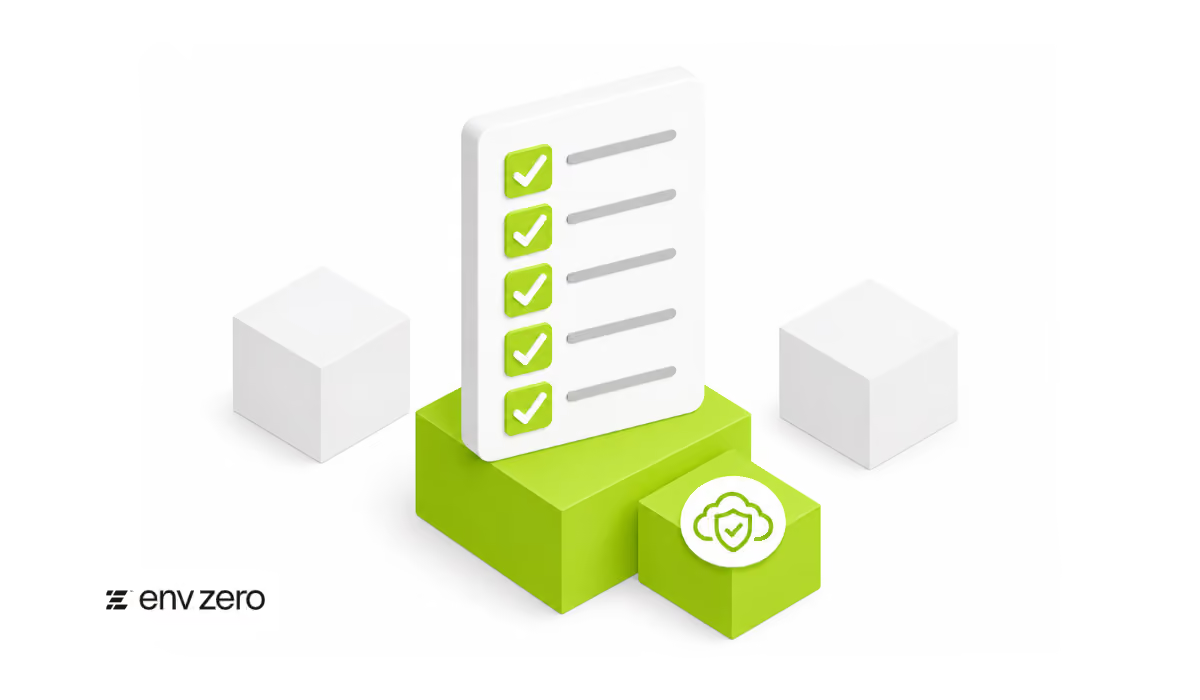
A self-service infrastructure readiness checklist helps platform teams evaluate whether they have the right foundations in place. It ensures that automation, governance, templates, and workflows are aligned before enabling developers to operate independently.
Why Readiness Matters Before Enabling Self-Service
Many organizations rush into self-service adoption, assuming that automation alone is enough. In reality, self-service introduces a new level of complexity that requires careful planning.
Without readiness, developers may provision infrastructure inconsistently, bypass governance controls, or create environments that are difficult to manage.
Platform teams may also struggle to maintain visibility and enforce policies, leading to increased risk and inefficiency.
A readiness checklist ensures that the necessary systems and controls are in place before scaling self-service capabilities. It provides a structured approach to minimizing risk while maximizing efficiency.
Core Areas of Self-Service Readiness
Self-service infrastructure readiness is not a single capability—it is a combination of multiple systems working together.
Platform teams must evaluate readiness across several key areas, including templates, governance, automation, workflows, and visibility. Each of these areas plays a critical role in ensuring that self-service operates effectively at scale.
By assessing each area systematically, organizations can identify gaps and prioritize improvements before enabling widespread adoption.
Template Readiness: Standardization Before Scale
Templates are the foundation of self-service infrastructure. Without standardized templates, self-service can lead to inconsistent configurations and increased risk.
Platform teams must ensure that templates are well-defined, validated, and aligned with organizational standards. This includes embedding best practices for security, performance, and cost optimization.
Templates should also be easy to use and flexible enough to support common use cases. A strong template foundation ensures that every deployment starts from a consistent baseline.
Policy and Governance Readiness
Governance and risk management is essential for maintaining control in a self-service environment.
Before enabling self-service, platform teams must define clear policies for security, compliance, and cost management. These policies should be enforceable through automation, ensuring that all actions comply with organizational requirements.
It is also important to ensure that governance is applied consistently across environments. This prevents gaps in enforcement and reduces the risk of non-compliance.
Approval Workflow Readiness
Approval workflows play a critical role in balancing autonomy and control.
Platform teams must define when approvals are required, how they are triggered, and who is responsible for reviewing requests. Routine actions should be automated, while higher-risk actions should follow clear escalation paths.
Workflows should be integrated into infrastructure provisioning processes, ensuring that approvals are applied seamlessly without disrupting developer experience.
Automation and Workflow Integration
Automation is the engine that drives self-service infrastructure.
Platform teams must ensure that provisioning workflows are fully automated and integrated with templates, policies, and approvals. This reduces manual intervention and improves efficiency.
Automation should also include validation and error handling, ensuring that issues are identified and addressed early in the process.
A well-integrated system ensures that self-service operates smoothly and reliably.
Service Catalog Readiness
A service catalog provides the interface through which developers access self-service infrastructure.
Before enabling self-service, platform teams must ensure that the catalog is well-organized, easy to use, and aligned with developer needs. Services should be clearly defined and supported by validated templates.
The catalog should also provide visibility into available services, helping developers understand what resources they can provision and how to use them effectively.
Visibility and Monitoring Readiness
Visibility is critical for managing self-service infrastructure at scale.
Platform teams must have access to real-time insights into infrastructure usage, provisioning activity, and policy compliance. This enables them to identify issues, optimize performance, and maintain control.
Monitoring systems should also support auditing and reporting, ensuring that all actions are traceable and compliant with organizational requirements.
Developer Experience Readiness
Self-service infrastructure is only successful if developers adopt it.
Platform teams must ensure that workflows are intuitive, documentation is clear, and support is readily available. Developers should be able to provision resources quickly and understand the process without confusion.
Feedback mechanisms are also important. Gathering input from developers helps identify pain points and improve the system over time.
A strong focus on developer experience ensures high adoption and long-term success.
Organizational Alignment and Ownership
Self-service infrastructure requires alignment across multiple teams.
Platform teams, security teams, and engineering teams must have clearly defined roles and responsibilities. This ensures that governance is maintained and that issues are addressed efficiently.
An ownership model helps prevent gaps in responsibility and ensures that the system is continuously maintained and improved.
Common Gaps Identified in Readiness Assessments
Organizations often discover several common gaps when evaluating readiness.
Templates may be incomplete or inconsistent, leading to variability in deployments. Policies may exist but lack enforcement, creating governance risks.
Approval workflows may be unclear or overly complex, slowing down operations. Visibility may be limited, making it difficult to track usage and compliance.
Identifying these gaps early allows platform teams to address them before enabling self-service at scale.
How env zero Helps Platform Teams Achieve Readiness
Achieving self-service readiness requires a platform that integrates templates, policies, workflows, and visibility into a unified system.
env zero provides these capabilities by enabling platform teams to define reusable templates, enforce governance through policy-as-code, and automate infrastructure workflows.
It also provides visibility into infrastructure activity, allowing teams to monitor usage and ensure compliance.
With env0, organizations can confidently move toward self-service infrastructure, knowing that the necessary foundations are in place.
Conclusion
Self-service infrastructure is a powerful capability, but it requires careful preparation. A readiness checklist ensures that platform teams have the systems, processes, and governance models needed to support scalable and efficient operations.
By evaluating readiness across templates, policies, workflows, and developer experience, organizations can build a strong foundation for self-service adoption.
This approach reduces risk, improves efficiency, and enables platform teams to scale with confidence.
Before enabling self-service infrastructure, make sure your platform is ready. With env0, you can build the systems, enforce governance, and gain the visibility needed to support scalable self-service operations.
FAQs
What is a self-service infrastructure readiness checklist?
A readiness checklist is a framework used to evaluate whether an organization is prepared to implement self-service infrastructure. It covers templates, governance, workflows, and visibility.
Why is readiness important for self-service infrastructure?
Without proper readiness, self-service can lead to inconsistent configurations, governance gaps, and operational inefficiencies.
What are the key areas of readiness?
Key areas include template standardization, policy enforcement, approval workflows, automation, service catalogs, and monitoring.
How do templates impact readiness?
Templates provide the foundation for consistent infrastructure provisioning. Without standardized templates, self-service cannot scale effectively.
What role do policies play in readiness?
Policies ensure that all infrastructure actions comply with security, compliance, and cost requirements.
How do approval workflows support readiness?
Approval workflows balance autonomy and control, ensuring that high-risk actions are reviewed while routine actions are automated.
What is the importance of visibility in self-service?
Visibility allows platform teams to monitor usage, enforce compliance, and identify issues in real time.
How can organizations improve developer experience in self-service?
By simplifying workflows, providing clear documentation, and integrating systems into a unified interface.
What are common readiness gaps?
Common gaps include inconsistent templates, lack of policy enforcement, unclear workflows, and limited visibility.
How does env zero support readiness?
env zero provides tools for template management, policy enforcement, workflow automation, and monitoring, enabling organizations to achieve self-service readiness.
Related Content
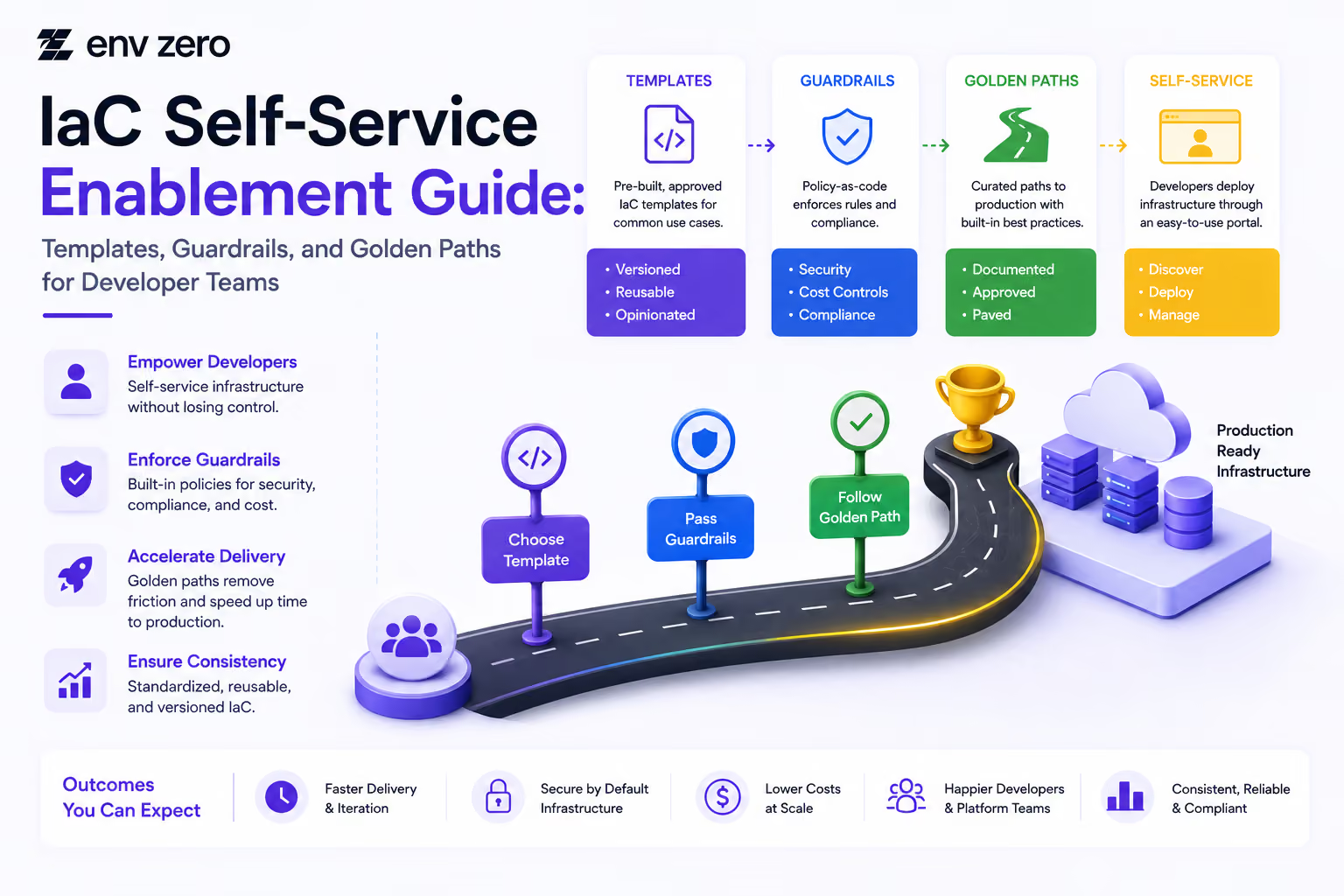
IaC Self-Service Enablement Guide: Templates, Guardrails, and Golden Paths for Developer Teams
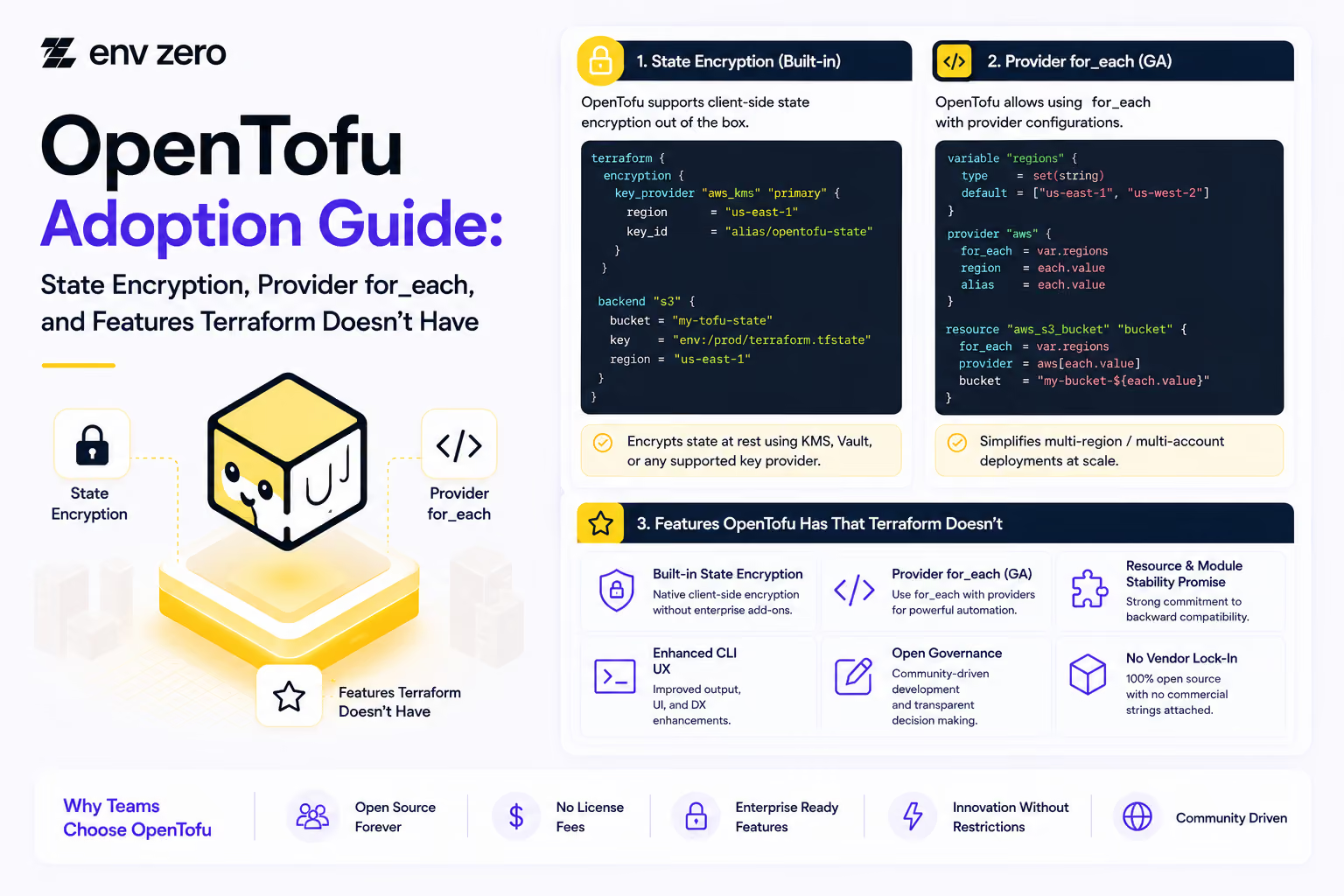
OpenTofu Adoption Guide: State Encryption, Provider for_each, and Features Terraform Doesn't Have
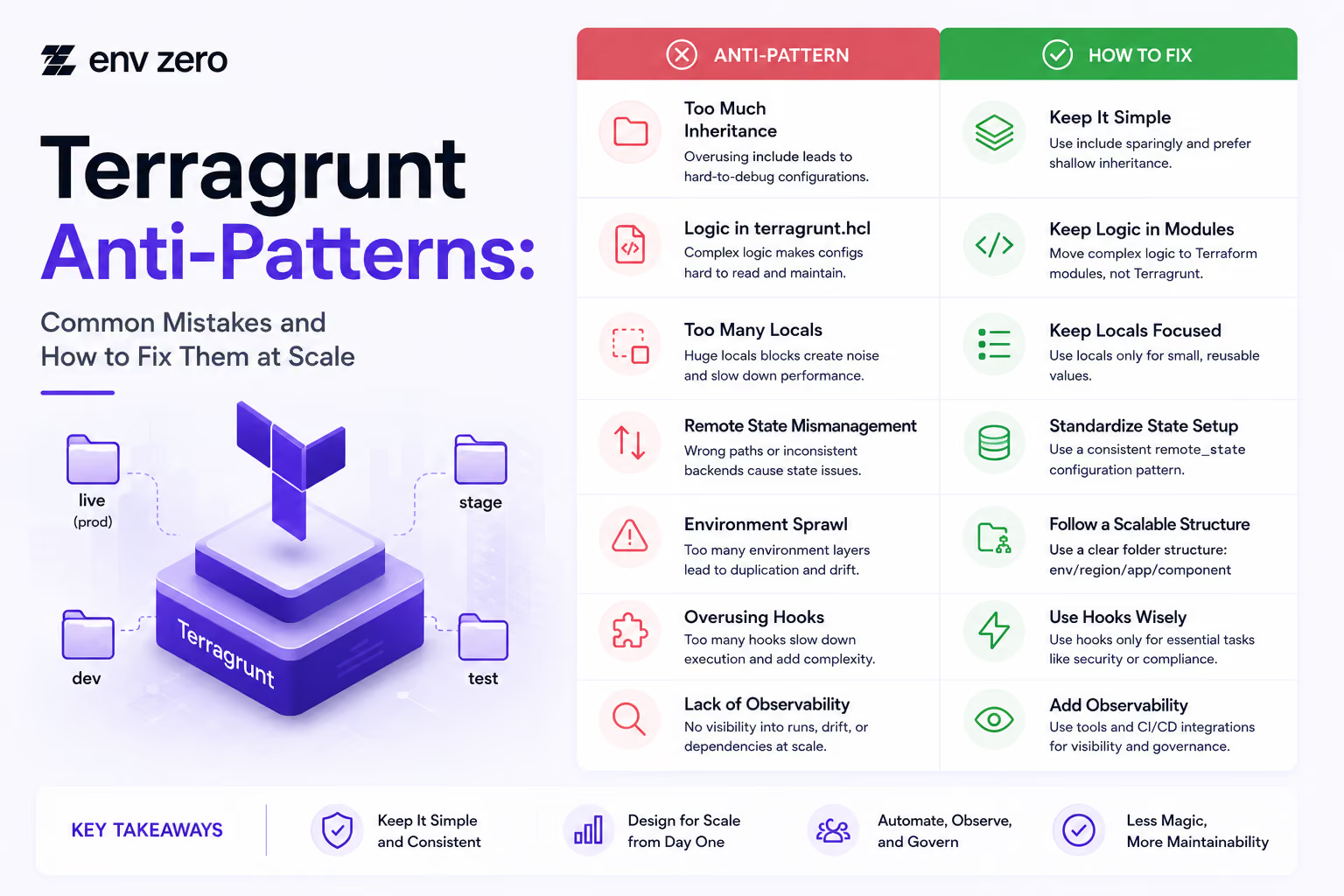

How to Install Terragrunt and Set Up Your First Multi-Environment Project (2026 Edition)
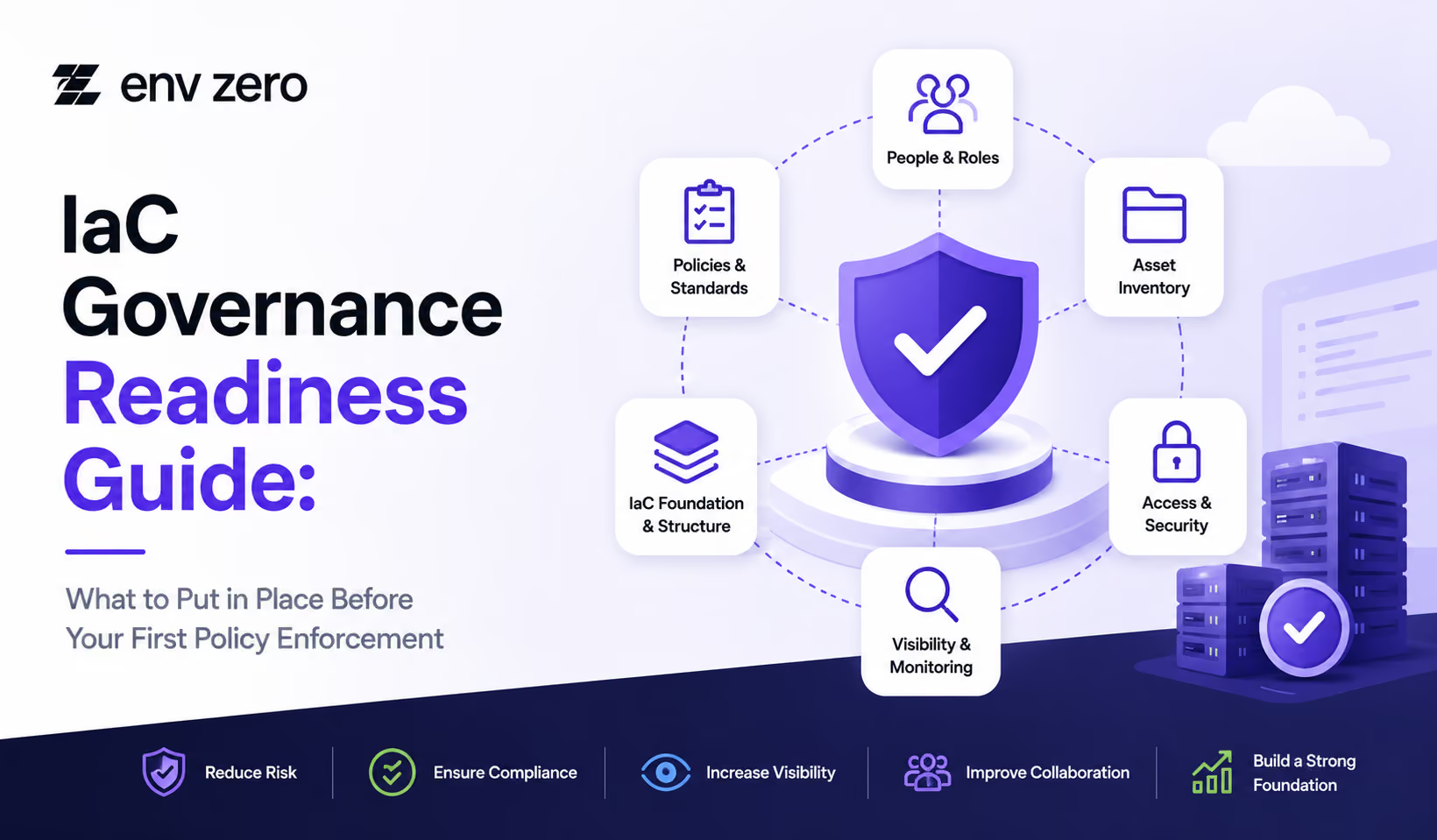
IaC Governance Readiness Guide: What to Put in Place Before Your First Policy Enforcement
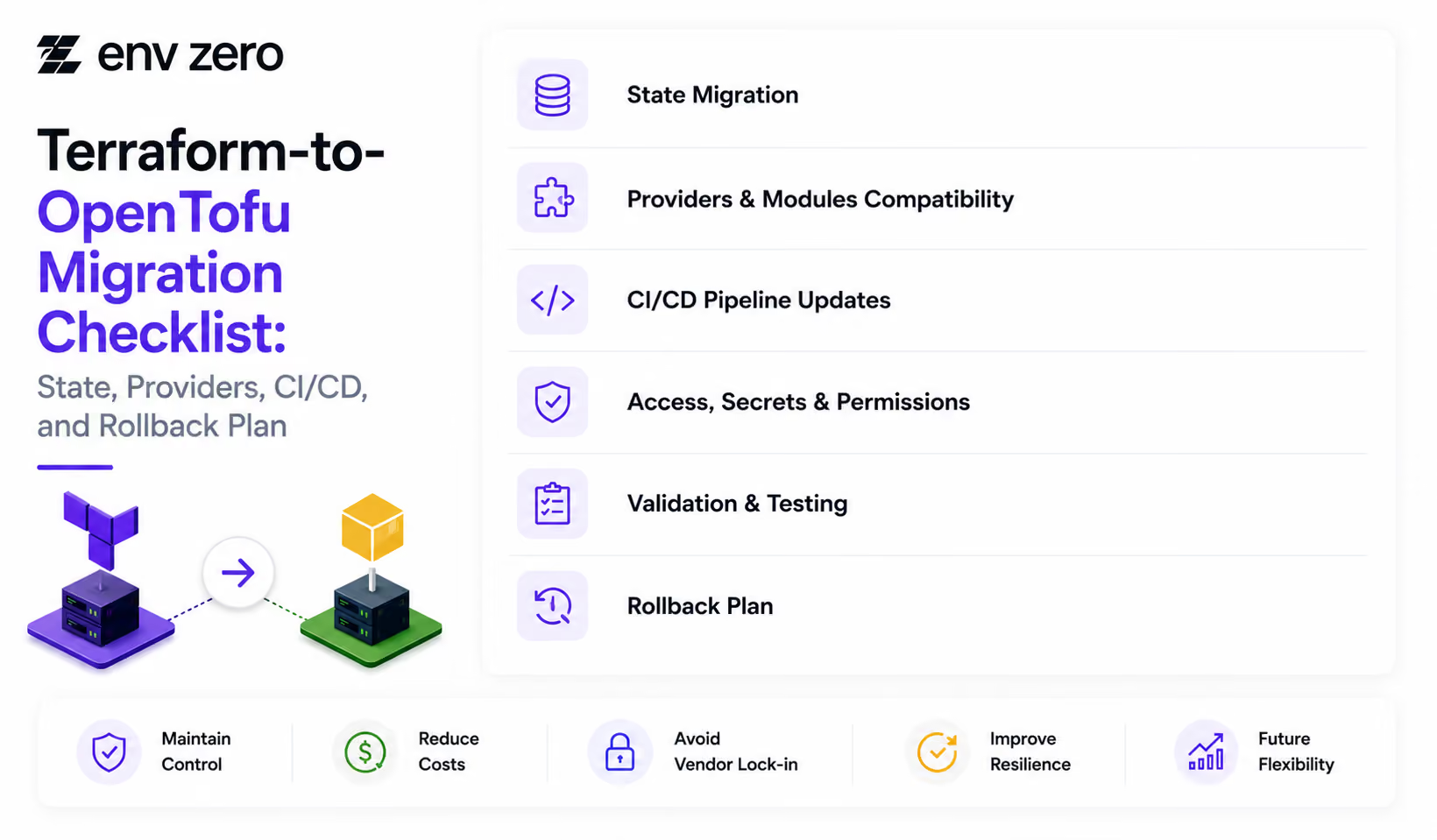
Terraform-to-OpenTofu Migration Checklist: State, Providers, CI/CD, and Rollback Plan












Audit Trail Setup Guide: Maintaining Compliance and Security Across Your Infrastructure


Pipeline Visibility Checklist: Ensuring Full Transparency Across Deployment Workflows

Rollback Readiness Checklist: Ensuring Fast and Reliable Recovery Across Environments

Deployment Automation Checklist: Ensuring Consistent and Reliable Infrastructure Delivery