.svg)


In today's fast-paced development environments, maintaining consistency and compliance across multiple infrastructure environments is crucial.
A well-structured release control checklist ensures that all changes are secure, reliable, and compliant, minimizing risk and ensuring smooth, efficient deployments.
Introduction
As organizations scale their infrastructure and development teams, managing releases becomes increasingly complex.
With multiple environments, distributed teams, and continuous updates, it’s easy for releases to become chaotic without a defined set of processes and controls.
To ensure the smooth and reliable release of applications and infrastructure, platform teams must implement release controls.
These controls guide the deployment process, ensuring consistency, security, and compliance throughout the lifecycle of each release.
In this article, we’ll explore a comprehensive Release Control Checklist that can help platform teams manage the release process more effectively, minimize risks, and ensure high-quality deployments.
What Are Release Controls?
Release controls are a set of standardized processes, guidelines, and policies used to manage the release of software, infrastructure changes, or both.
These controls ensure that each release is properly tested, reviewed, and approved before deployment, minimizing the risk of errors or security vulnerabilities.
Release controls cover various aspects of deployment, including:
- Testing and validation: Ensuring the release works as expected.
- Approval workflows: Gaining necessary approvals from stakeholders.
- Change management: Keeping track of what changes are being made and why.
- Monitoring: Ensuring that releases are performing as expected after deployment.
The Importance of Release Controls
As infrastructure scales and deployment cycles speed up, maintaining security, compliance, and quality becomes increasingly challenging.
Release controls automate and streamline the deployment process, ensuring every change is thoroughly reviewed and validated before being applied to production.
These controls help mitigate risk, improve operational efficiency, and provide transparency.
Improved Security and Compliance
Automated release control processes help ensure that every release is secure and complies with organizational and regulatory standards, reducing the risk of non-compliant changes reaching production.
Implementing strong cloud governance & risk management solutions ensures that policies, compliance controls, and risk mitigation strategies are enforced consistently across infrastructure and deployment workflows.
Reduced Risk of Errors
Without release controls, manual errors such as misconfigurations or missed security patches can disrupt production.
A well-defined process catches these issues early, ensuring they are addressed before deployment.
Faster, More Reliable Releases
Release controls establish clear guidelines, reducing delays and bottlenecks.
Automation speeds up deployment while maintaining high-quality standards, ensuring reliability without compromising security.
Transparency and Auditability
Release controls provide visibility into changes, approvals, and deployments, making it easier to track and resolve any issues.
This transparency enhances accountability and ensures compliance with audit requirements.
Key Components of a Release Control Checklist
Automating every step of the release process, such as testing, deployment, and monitoring is crucial for reducing errors and ensuring reliability.
Automation helps streamline workflows and increases efficiency, allowing faster and more consistent deployments.
Clear roles and responsibilities must be defined for everyone involved in the release process.
This ensures accountability, reduces confusion, and ensures that no critical steps are overlooked.
Infrastructure changes should always be stored in a version-controlled system like Git.
This provides traceability and allows easy rollbacks if something goes wrong, ensuring that every change is documented and can be reverted if needed.
Automated testing is a critical component of the release process.
Every change must be validated before being deployed, ensuring that code meets the necessary quality and security standards.
Finally, monitoring systems should be implemented after deployment to track performance. This ensures that any issues are immediately identified and addressed, maintaining system stability.
Best Practices for Implementing a Release Control Checklist
Automation
Every step of the release process, from testing to deployment and monitoring, should be automated to reduce errors and improve reliability.
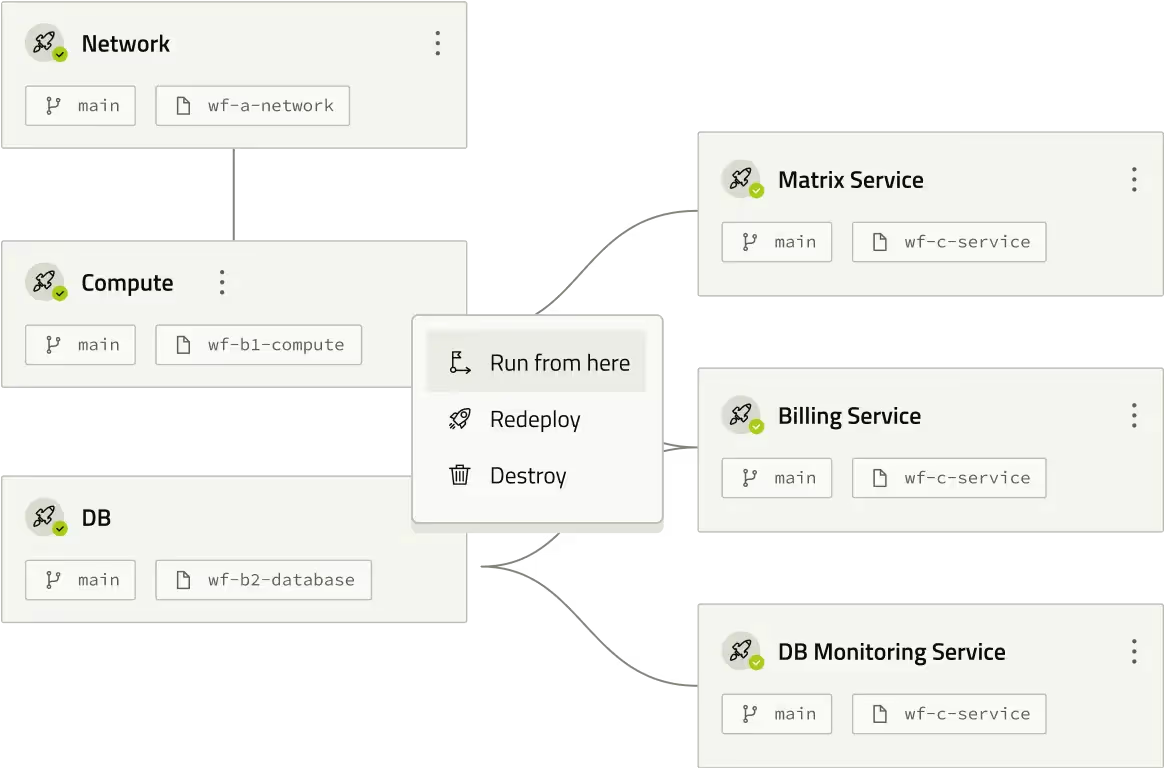
Organizations that want to fully automate the full deployment lifecycle with guardrails can integrate policy checks, approval workflows, and IaC automation into their pipelines, enabling consistent and secure releases across all environments.
Clear Ownership
All team members involved in the release process must have clearly defined roles and responsibilities to ensure accountability and avoid missed steps.
Version Control
Infrastructure changes should always be tracked and managed through a version-controlled system, such as Git, to ensure traceability and ease of rollback if needed.
Testing
Automated testing must be an integral part of the deployment pipeline, ensuring that every change is validated before it reaches production.
Monitoring
Continuous monitoring should be in place after each release to ensure performance is tracked, and any issues are addressed promptly.
Conclusion
Release control is an essential part of infrastructure management, especially as teams scale their operations.
By following a Release Control Checklist, platform teams can automate manual steps, reduce errors, and ensure the consistent, secure, and reliable deployment of infrastructure and applications.
With proper automation, governance, and monitoring, teams can accelerate deployment cycles while maintaining control over their environments.
Ready to streamline your release process with automated controls? env zero offers powerful tools to automate and enforce release pipelines, ensuring consistency, security, and efficiency.
Get started with env0 today and take your deployment process to the next level.
FAQs
What are release controls in infrastructure delivery?
Release controls are standardized processes and policies that govern the deployment of infrastructure and applications. They ensure that changes are thoroughly tested, reviewed, and approved before being deployed to production, reducing risk and ensuring compliance.
Why do release controls matter?
Release controls are essential for maintaining security, compliance, and consistency during the deployment process. They help platform teams ensure that infrastructure changes meet organizational standards and are safely deployed without introducing errors or vulnerabilities.
How do automated release pipelines work?
Automated release pipelines use tools like CI/CD and IaC to automate every step of the deployment process, from code integration and testing to deployment and monitoring. This ensures faster, more reliable releases with minimal manual intervention.
What is rollback automation in release control?
Rollback automation automatically reverts to a previous stable state if a deployment fails, minimizing downtime, reducing risk, and preventing long-term production issues.
How do approval workflows fit into release control?
Approval workflows ensure that every deployment is reviewed and approved by the appropriate stakeholders before it is applied. These workflows can be automated to speed up the process and ensure that critical changes are properly vetted.
What is the role of approval pipelines in release control?
Approval pipelines ensure that all changes to infrastructure or applications undergo proper review before deployment, automating the process to ensure that only approved changes are applied, maintaining governance, security, and compliance across the organization.
Related Content
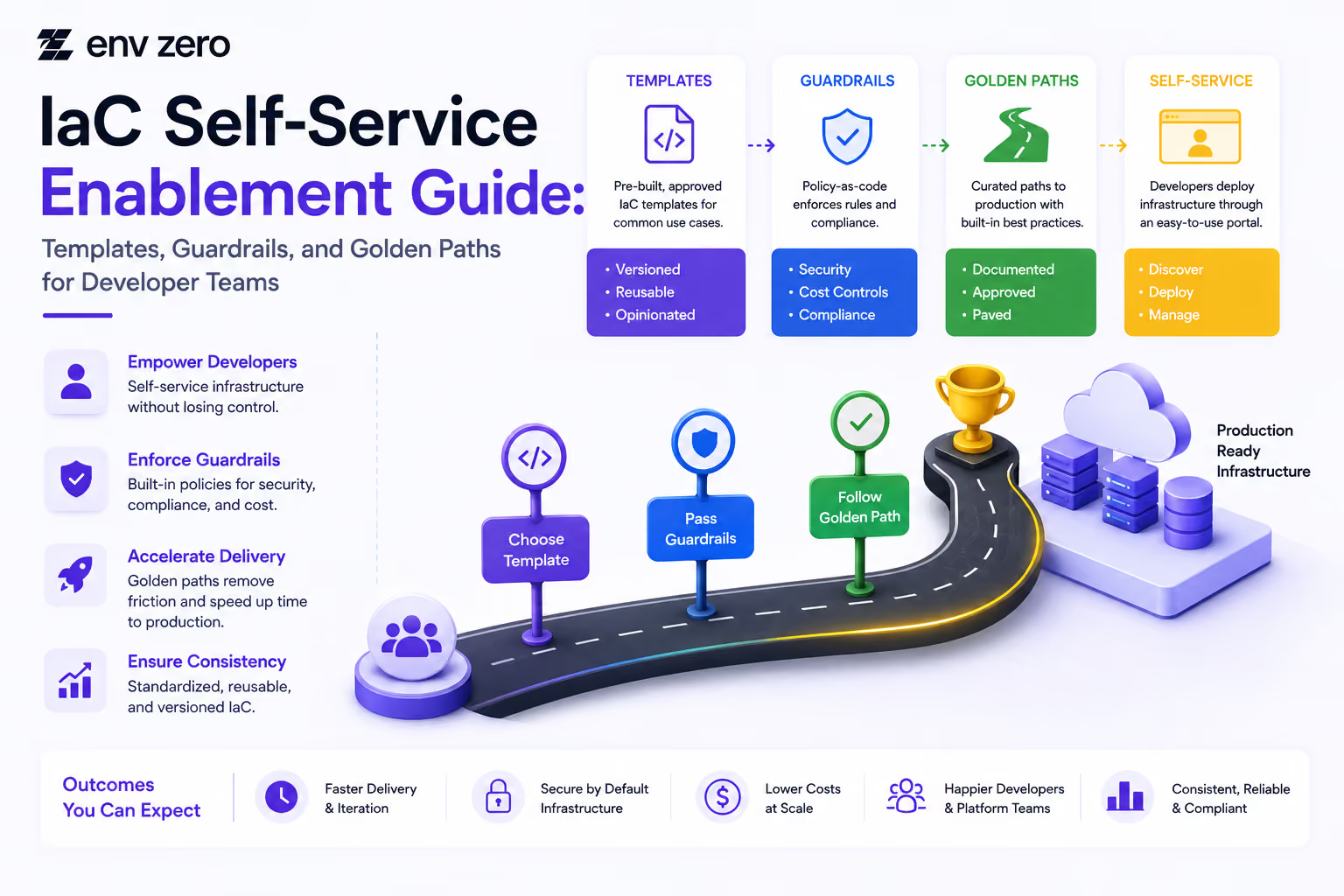
IaC Self-Service Enablement Guide: Templates, Guardrails, and Golden Paths for Developer Teams
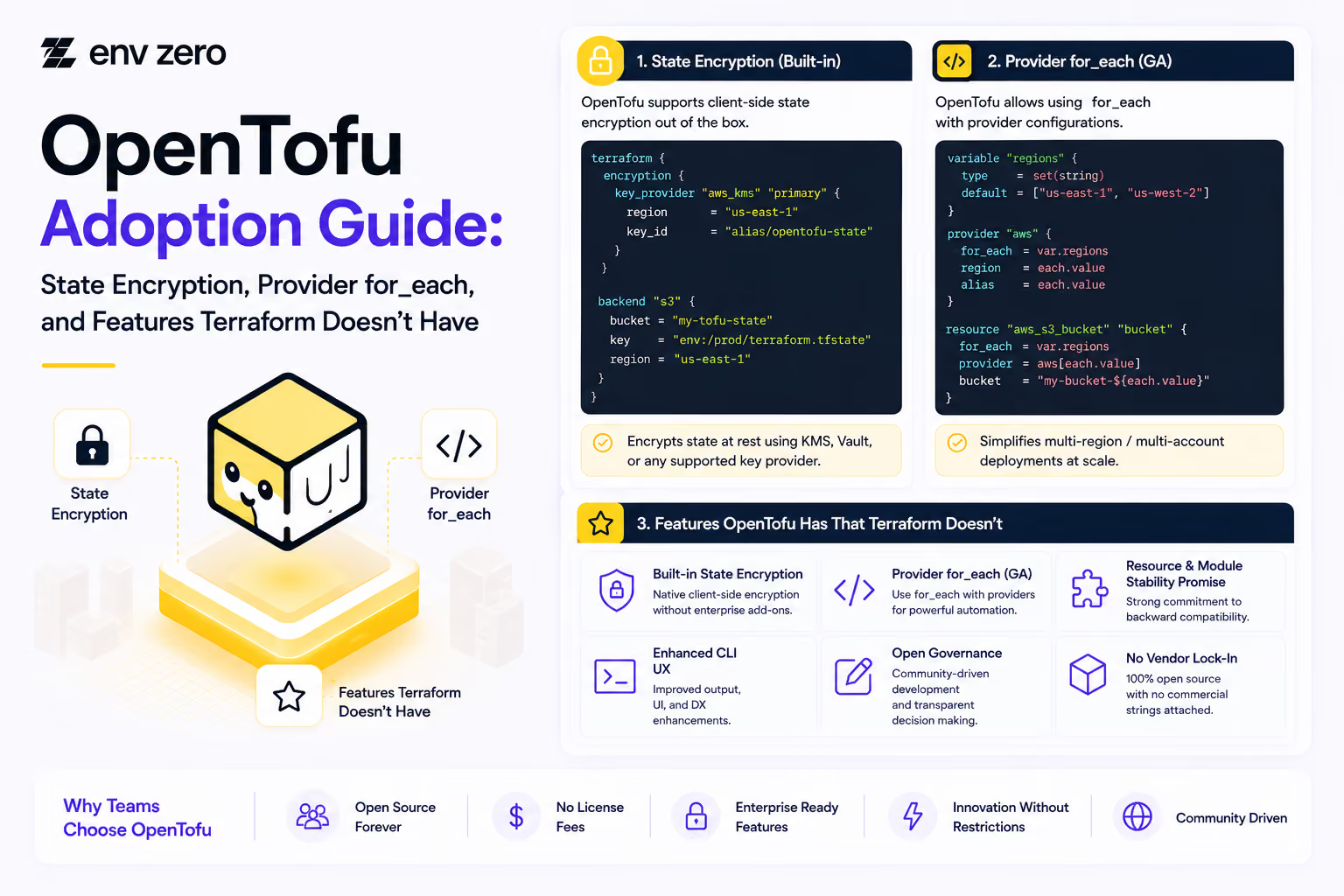
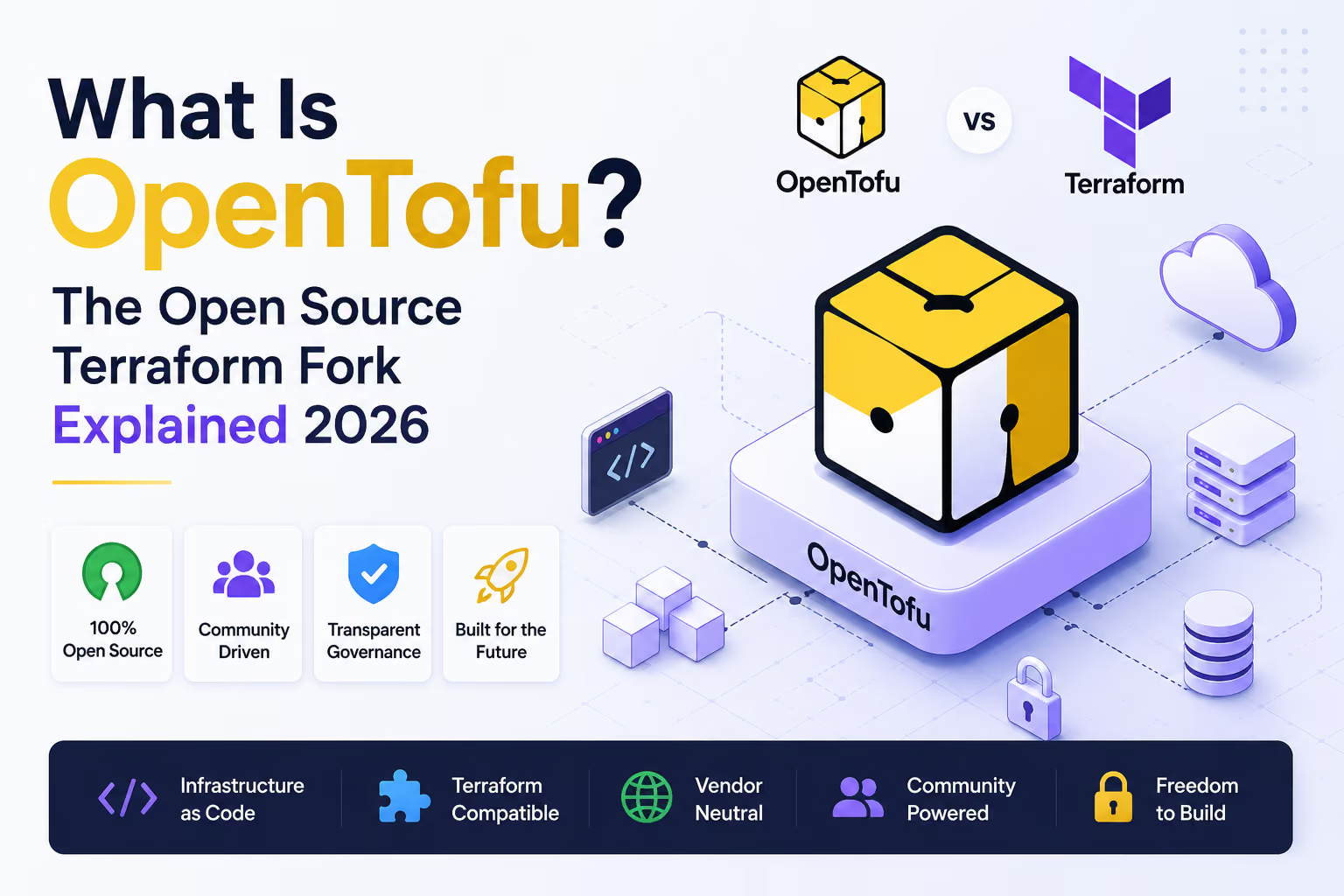
OpenTofu Adoption Guide: State Encryption, Provider for_each, and Features Terraform Doesn't Have
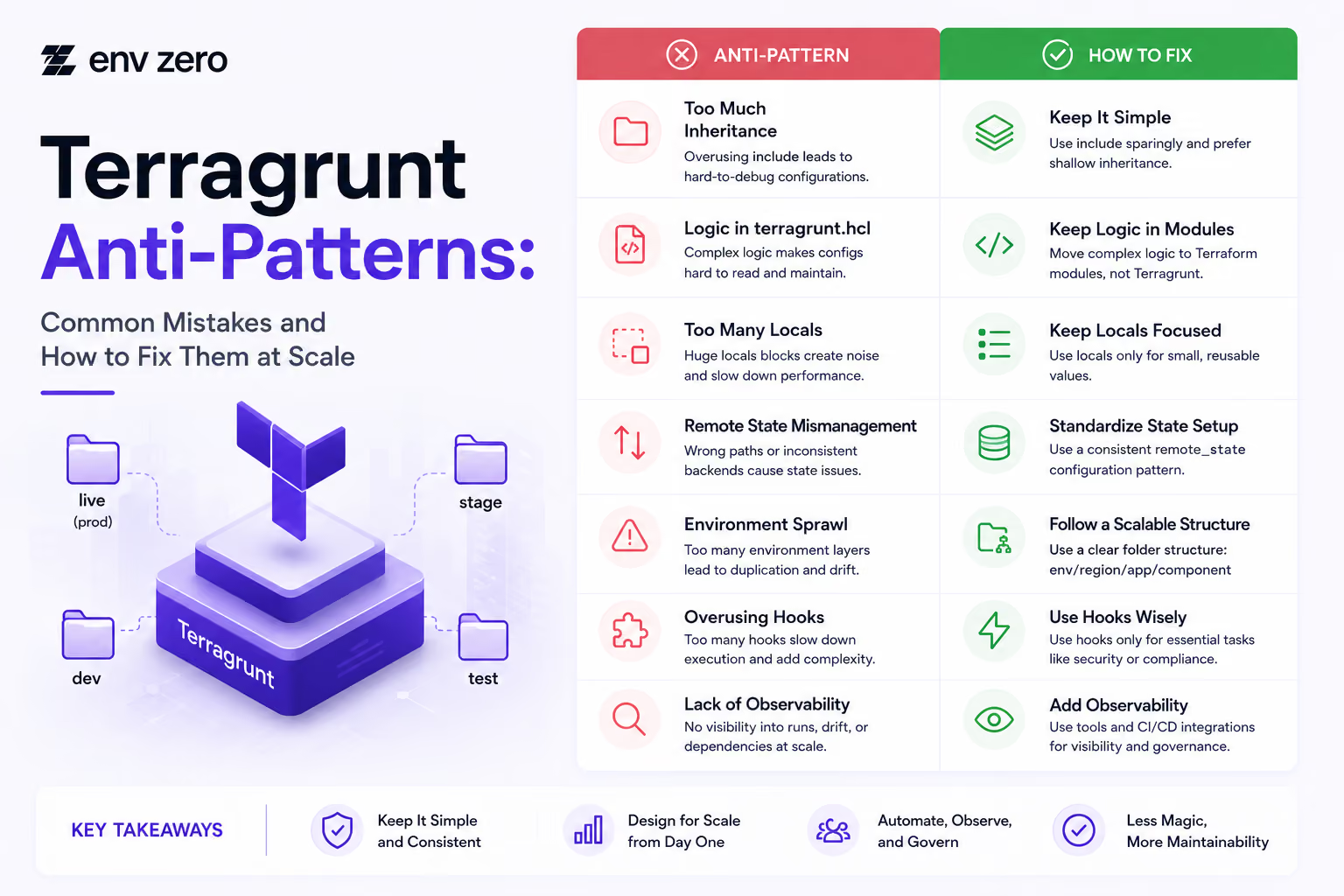
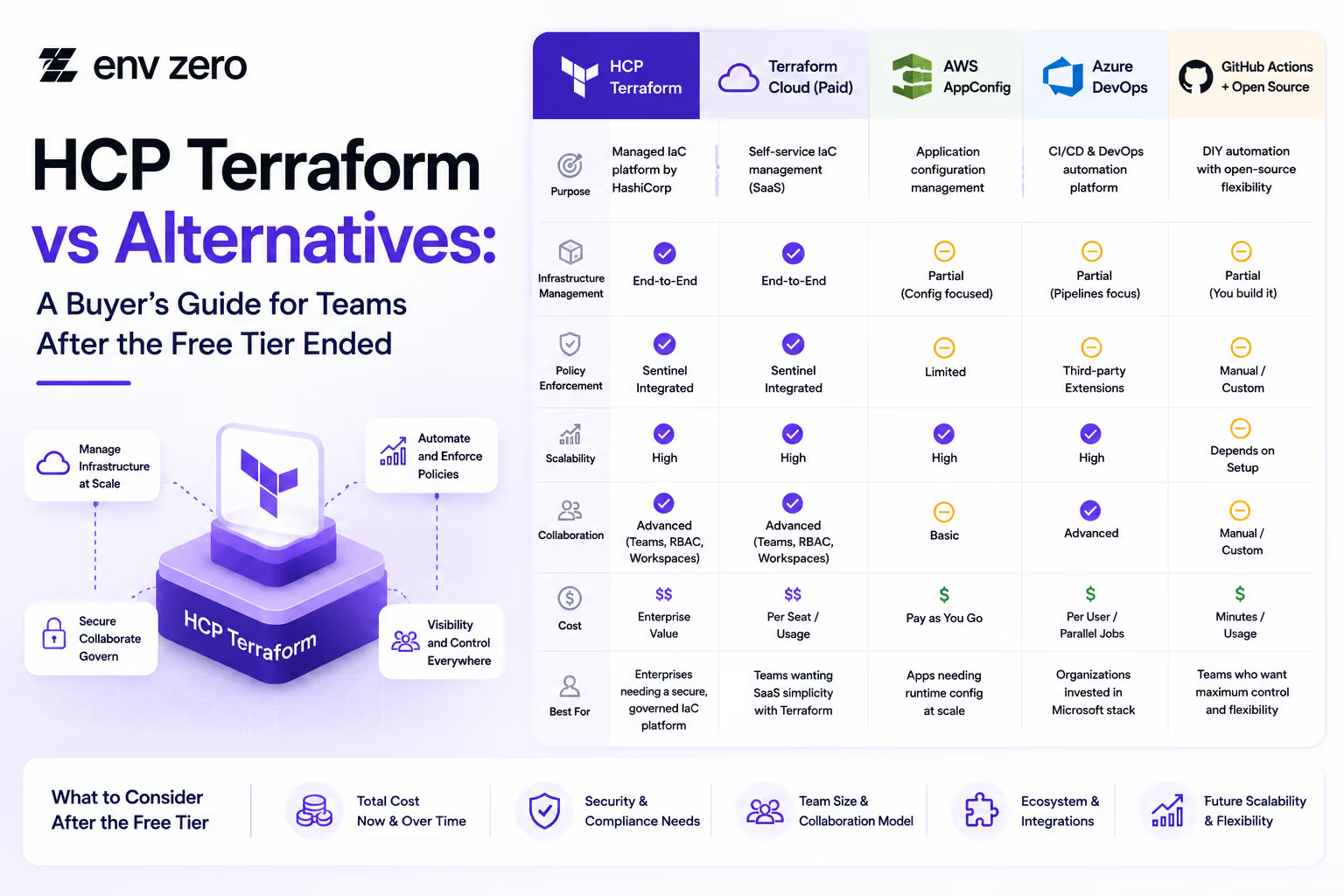

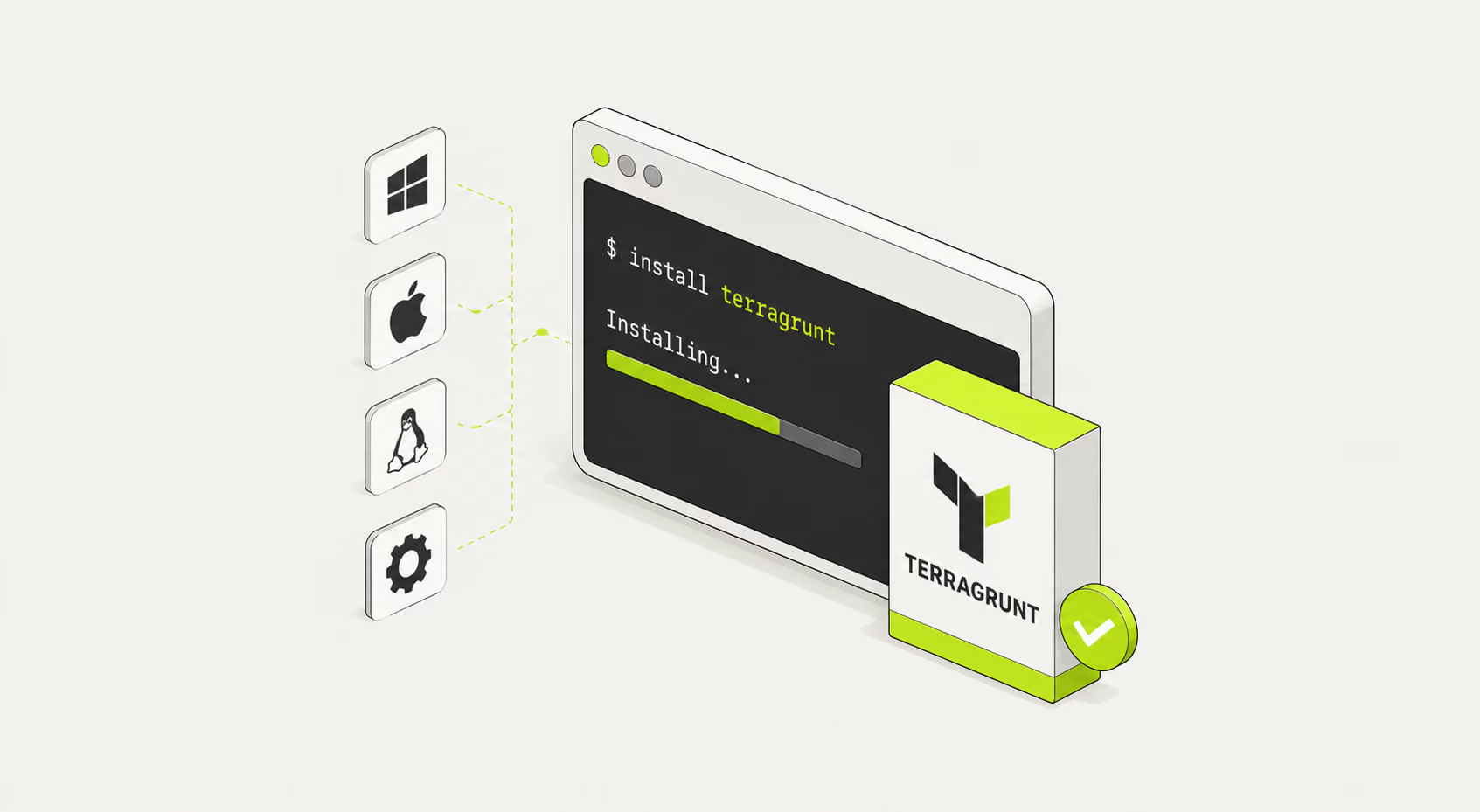
How to Install Terragrunt and Set Up Your First Multi-Environment Project (2026 Edition)
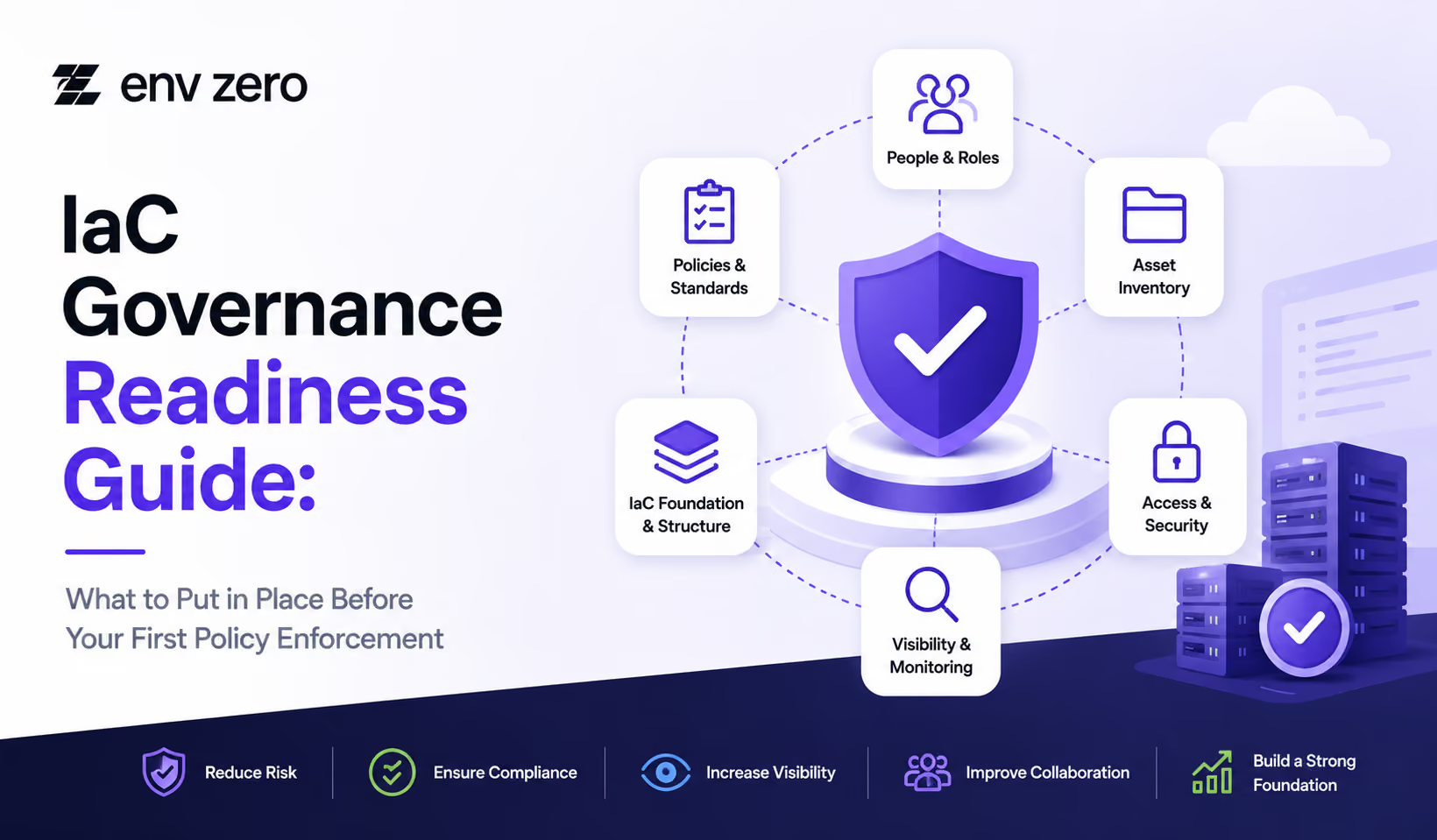
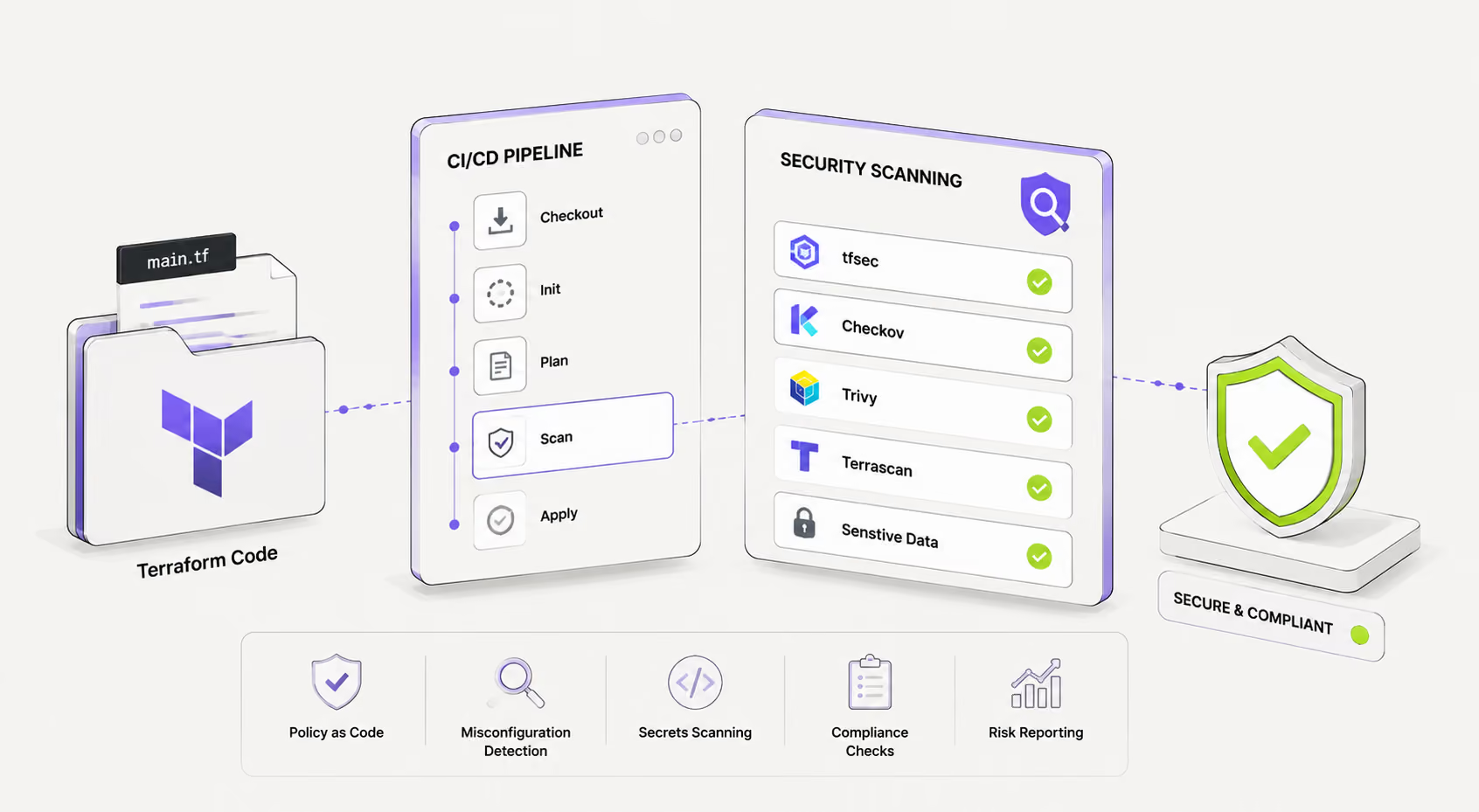
IaC Governance Readiness Guide: What to Put in Place Before Your First Policy Enforcement
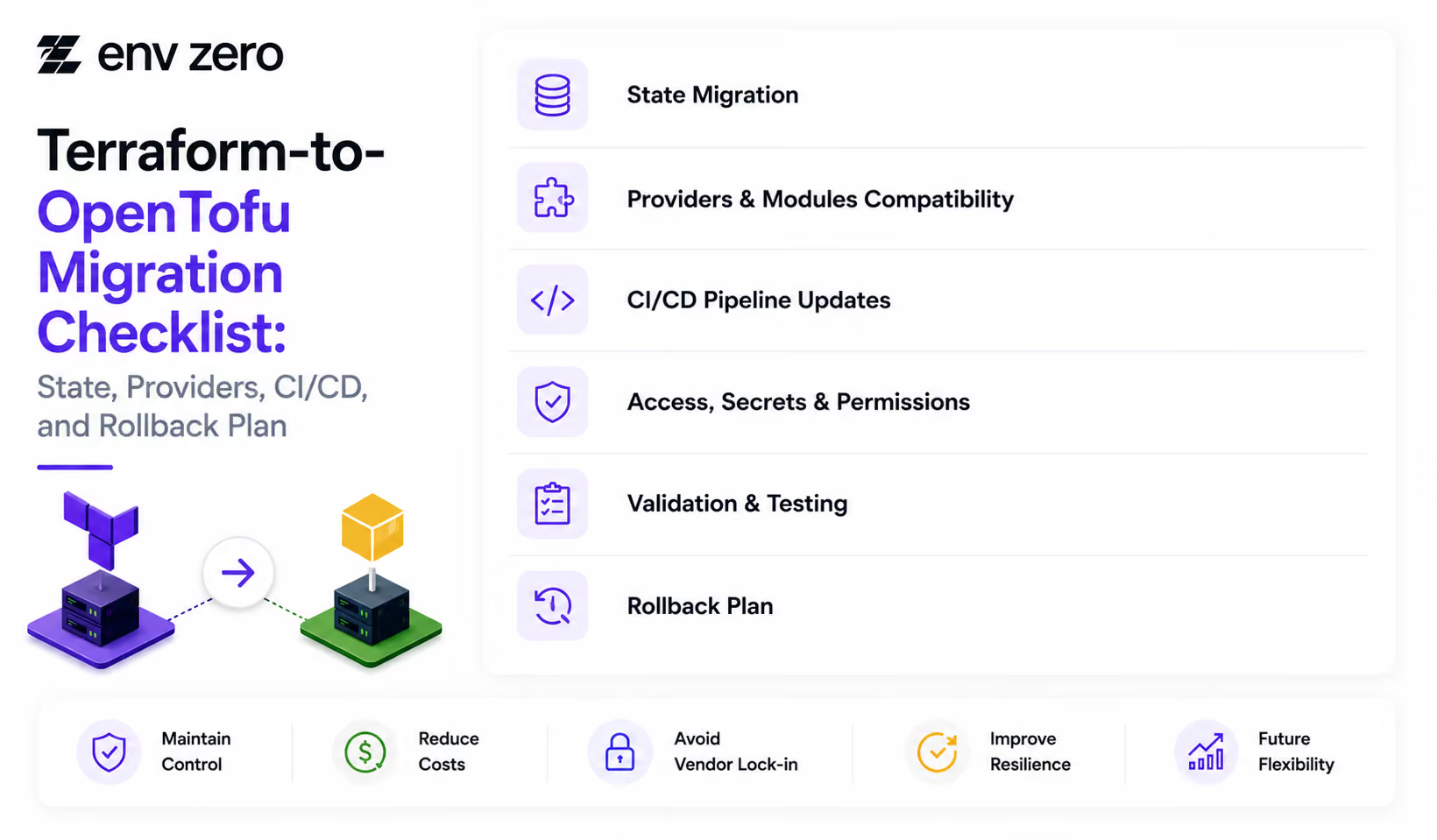
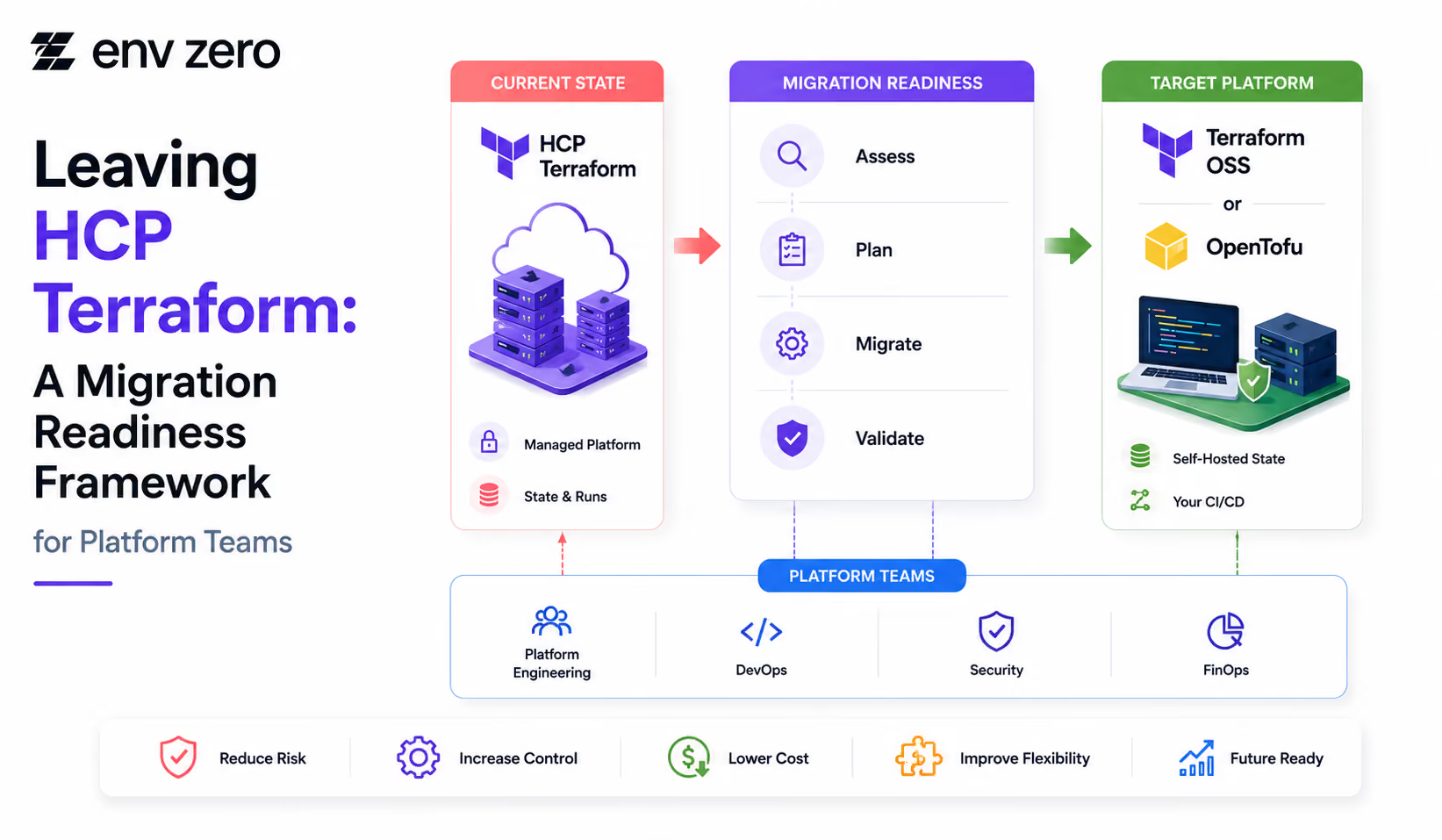
Terraform-to-OpenTofu Migration Checklist: State, Providers, CI/CD, and Rollback Plan










Audit Trail Setup Guide: Maintaining Compliance and Security Across Your Infrastructure


Pipeline Visibility Checklist: Ensuring Full Transparency Across Deployment Workflows

Rollback Readiness Checklist: Ensuring Fast and Reliable Recovery Across Environments
Deployment Automation Checklist: Ensuring Consistent and Reliable Infrastructure Delivery