.svg)
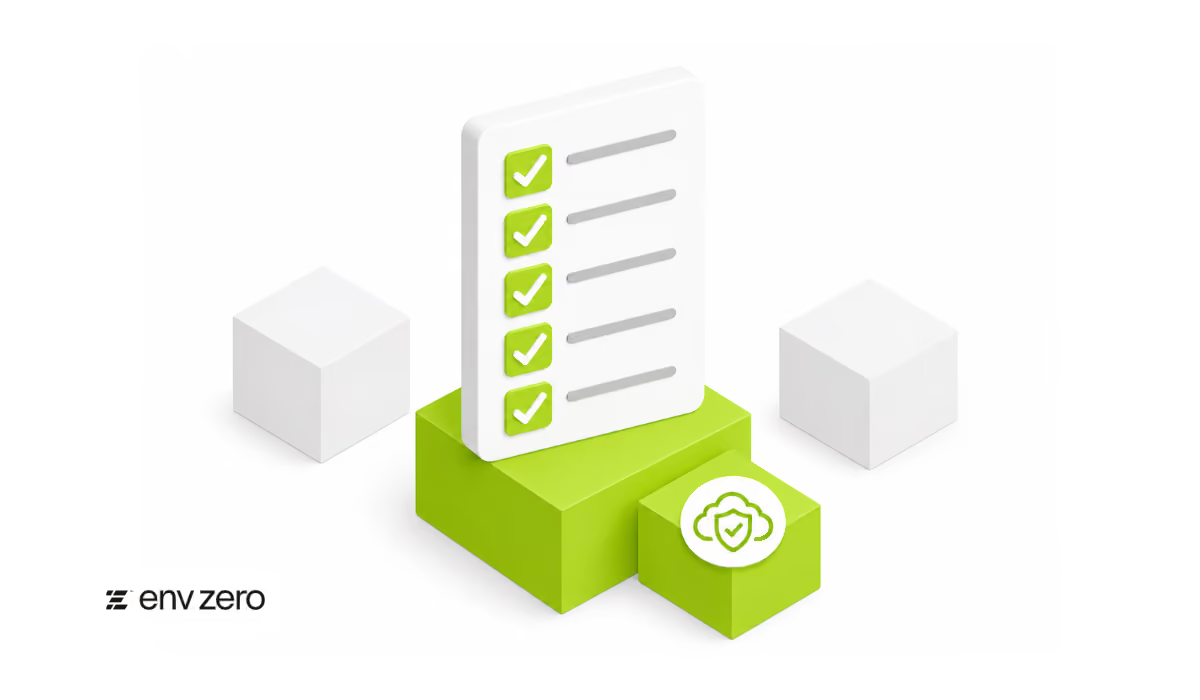

Cloud governance helps organizations manage infrastructure, security, compliance, cost, and operational risk across cloud environments.
As cloud adoption grows, many teams struggle to maintain visibility and control. Resources are created quickly, environments expand across teams, and governance processes often fail to keep pace.
Without a structured governance model, organizations may face inconsistent security controls, rising cloud costs, policy violations, unclear ownership, and operational inefficiencies. These issues become more difficult to manage as cloud environments scale.
A cloud governance checklist gives enterprise teams a practical framework for improving control, reducing risk, and building more consistent cloud operations.
Why Cloud Governance Matters
Cloud governance is more than creating policies. It is the process of defining how cloud environments are managed, who is responsible for decisions, and how organizations enforce standards across teams.
A strong governance model helps organizations:
- Improve security and compliance
- Control cloud costs
- Define ownership and accountability
- Standardize infrastructure practices
- Reduce operational risk
- Improve deployment consistency
- Strengthen audit readiness
Without governance, cloud environments often become fragmented, expensive, and difficult to manage.
What Cloud Governance Should Include
A mature cloud governance model should include:
- Ownership and accountability standards
- Security and compliance controls
- Approval and escalation workflows
- Infrastructure policies
- Cost management practices
- Resource tagging standards
- Change management processes
- Drift detection and remediation
These controls help organizations manage cloud environments more effectively as they grow.
The Cloud Governance Checklist
Use the checklist below to evaluate whether your organization has the right cloud governance controls in place.
Define Ownership and Accountability
Every cloud environment, application, and resource should have a clear owner.
Ownership should define:
- Which team manages the resource
- Who approves changes
- Who responds to incidents
- Who manages cost and security reviews
- Who handles compliance requirements
Clear accountability helps reduce confusion and improve operational consistency.
Enforce Security Standards
Cloud governance should include clear security controls for identity, access, networking, encryption, and monitoring.
Organizations should define:
- Identity and access policies
- Multi-factor authentication requirements
- Encryption standards
- Logging and monitoring requirements
- Network segmentation rules
- Vulnerability review processes
Strong security controls reduce risk across environments.
Create Approval and Escalation Processes
Some infrastructure actions should require review before they move forward.
Organizations should define approval workflows for:
- Production deployments
- Identity and access changes
- High-cost resource provisioning
- Policy exceptions
- Security-related changes
Governance should also include escalation paths for urgent issues, unresolved violations, and compliance concerns.
Standardize Resource Tagging
Resource tagging improves visibility and accountability.
Important tags may include:
- Team owner
- Application name
- Environment type
- Cost center
- Business unit
- Compliance classification
Consistent tagging makes it easier to manage resources, track costs, and identify ownership.
Control Cloud Costs
Cloud governance should include cost management processes.
Organizations should define:
- Budgets for teams and environments
- Cost alerts and thresholds
- Ownership for cloud spending
- Reviews for unused resources
- Approval controls for high-cost infrastructure
Cost governance helps organizations avoid waste and improve budget accuracy.
Monitor Infrastructure Drift
Cloud environments should be reviewed regularly for drift.
Organizations should monitor:
- Manual changes outside approved workflows
- Differences between code and deployed infrastructure
- Environment inconsistencies
- Temporary policy exceptions
- Unused or orphaned resources
Drift monitoring helps reduce operational and security risk.
Standardize Infrastructure Changes
Infrastructure changes should follow a consistent process.
Organizations should define:
- Infrastructure as code requirements
- Change review workflows
- Rollback procedures
- Emergency change rules
- Deployment standards across environments
Standardized change management improves consistency and reduces risk.
Review Governance Regularly
Cloud governance should evolve as environments, teams, and risks change.
Organizations should regularly review:
- Policy effectiveness
- Ownership gaps
- Cost trends
- Security findings
- Escalation patterns
- Compliance requirements
Regular reviews help ensure governance remains aligned with business needs.
Common Cloud Governance Mistakes
Many organizations make the mistake of treating governance as a security-only function.
In reality, governance also includes cost management, ownership, compliance, operations, and infrastructure standards.
Another common mistake is relying on manual processes for governance. Manual reviews may work for small environments, but they become difficult to scale across large cloud environments.
Organizations also often create governance policies without clear enforcement. Policies are only effective when teams understand them, follow them, and have tools to support compliance.
Best Practices for Improving Cloud Governance
Organizations can improve governance by following several best practices.
Keep Policies Simple and Clear
Teams should understand what each policy requires, when it applies, and who is responsible.
Build Governance Into Daily Workflows
Governance should be integrated into deployment pipelines, approval workflows, change management, and cost reporting.
Use Automation Where Possible
Automation can improve policy enforcement, drift detection, tagging, cost monitoring, and approval routing.
Review Governance Metrics Regularly
Organizations should monitor trends related to policy violations, cloud spend, unresolved issues, and deployment risk.
Improve Visibility Across Teams
Governance works best when teams can clearly see ownership, cost, risk, and policy status across environments.
Conclusion
Cloud governance is a foundational part of secure, scalable, and efficient cloud operations.
It helps organizations improve visibility, reduce risk, control costs, and maintain consistent infrastructure practices.
A cloud governance checklist gives enterprise teams a practical way to evaluate current controls, identify gaps, and strengthen governance across environments.
For organizations focused on cloud governance and risk management, governance is not a one-time project.
It is an ongoing process that must evolve as teams, infrastructure, and business priorities change.
FAQs
What is cloud governance?
Cloud governance is the process of creating policies, controls, and workflows that help organizations manage cloud environments more effectively.
Why is cloud governance important?
Cloud governance is important because it improves security, controls costs, strengthens compliance, and creates better accountability across teams.
What should a cloud governance model include?
A cloud governance model should include ownership standards, security controls, cost management, approval workflows, tagging policies, and change management.
How can organizations improve cloud governance?
Organizations can improve cloud governance by using automation, enforcing clear policies, reviewing governance metrics, and integrating governance into everyday workflows.
How long should a policy rollout take?
The length of a policy rollout depends on the complexity of the policy and the number of teams affected. Simple policies may take a few weeks to introduce, while broader governance controls may require phased rollout over several months. A gradual approach usually improves adoption and reduces disruption.
Related Content
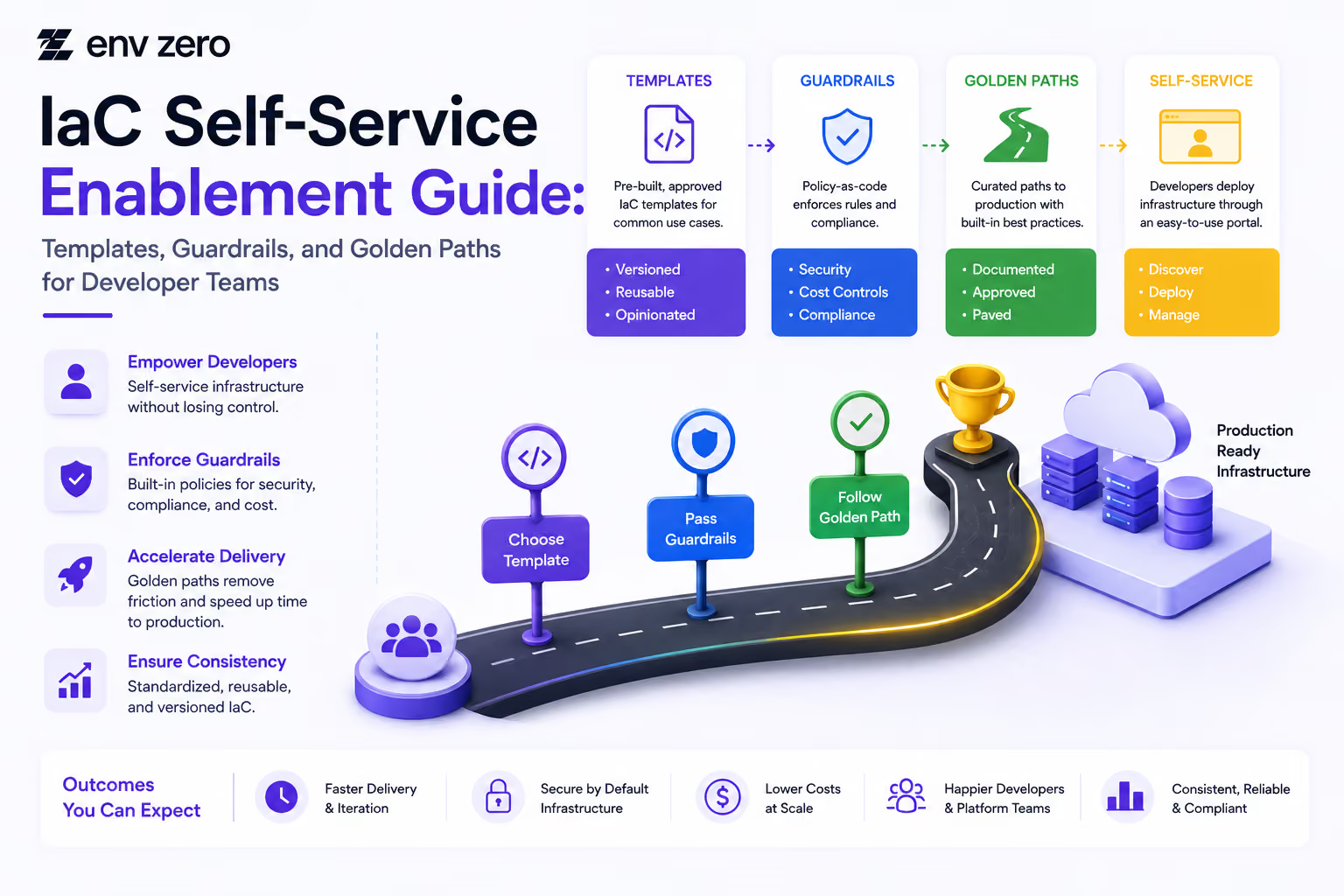
IaC Self-Service Enablement Guide: Templates, Guardrails, and Golden Paths for Developer Teams
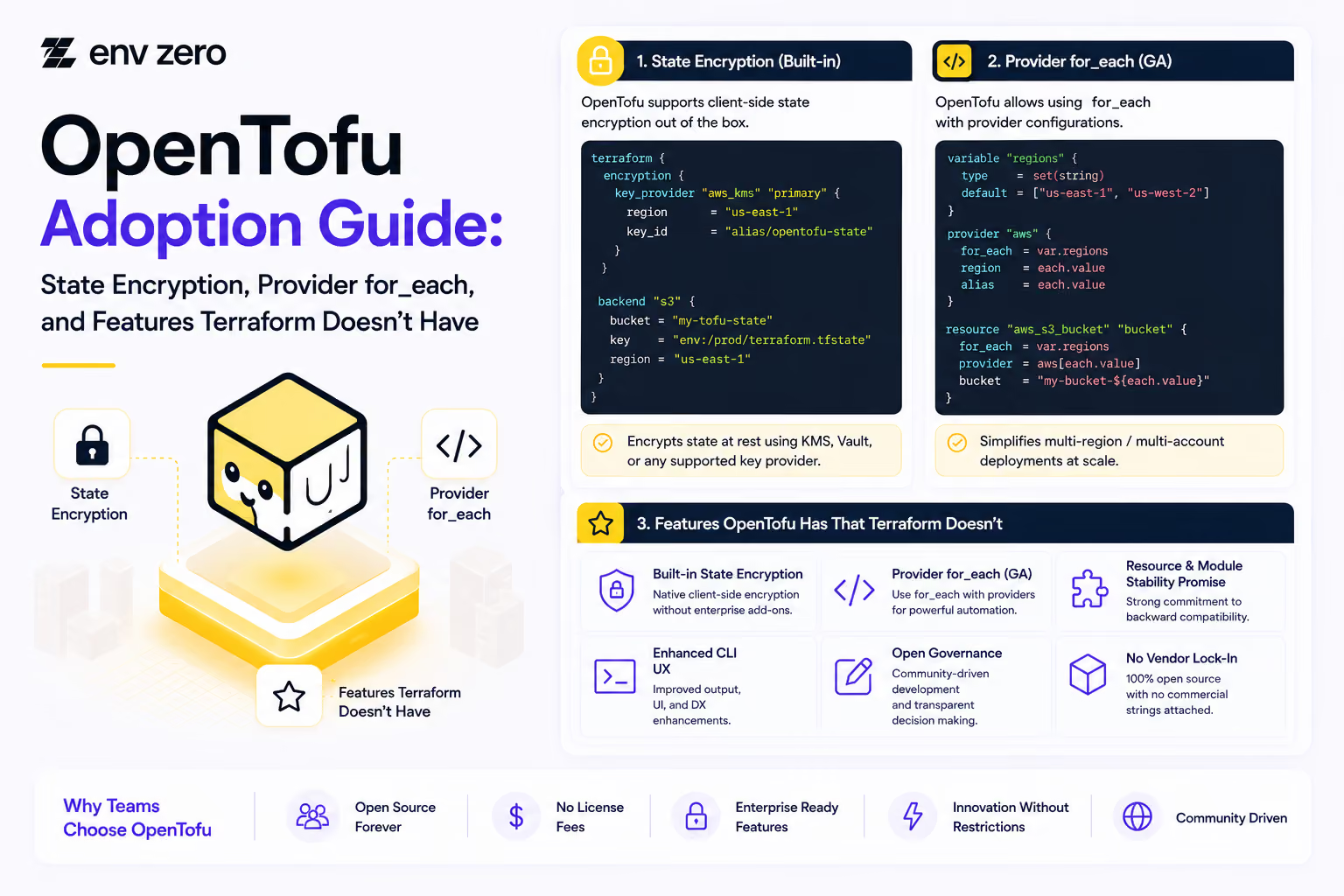
OpenTofu Adoption Guide: State Encryption, Provider for_each, and Features Terraform Doesn't Have
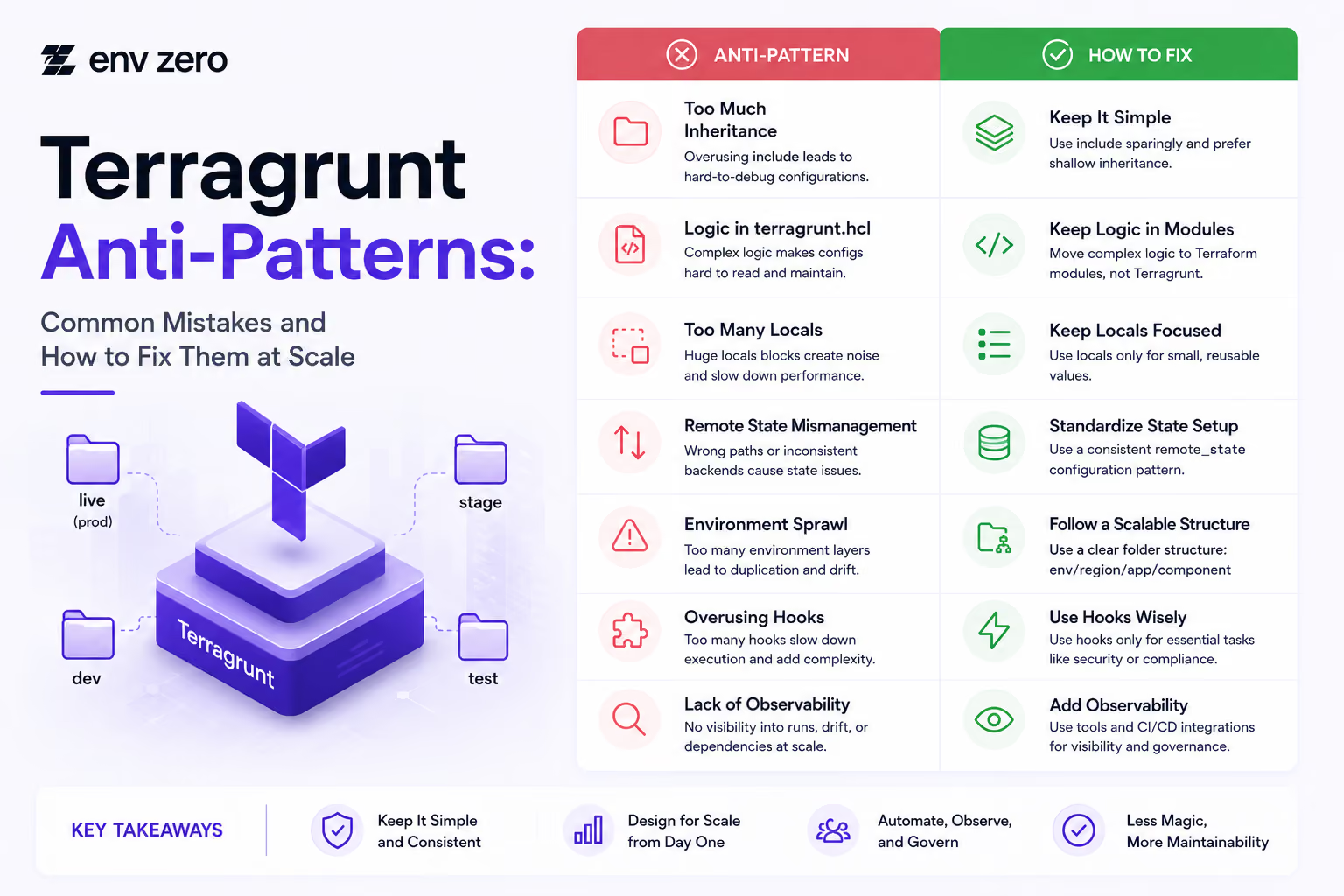

How to Install Terragrunt and Set Up Your First Multi-Environment Project (2026 Edition)
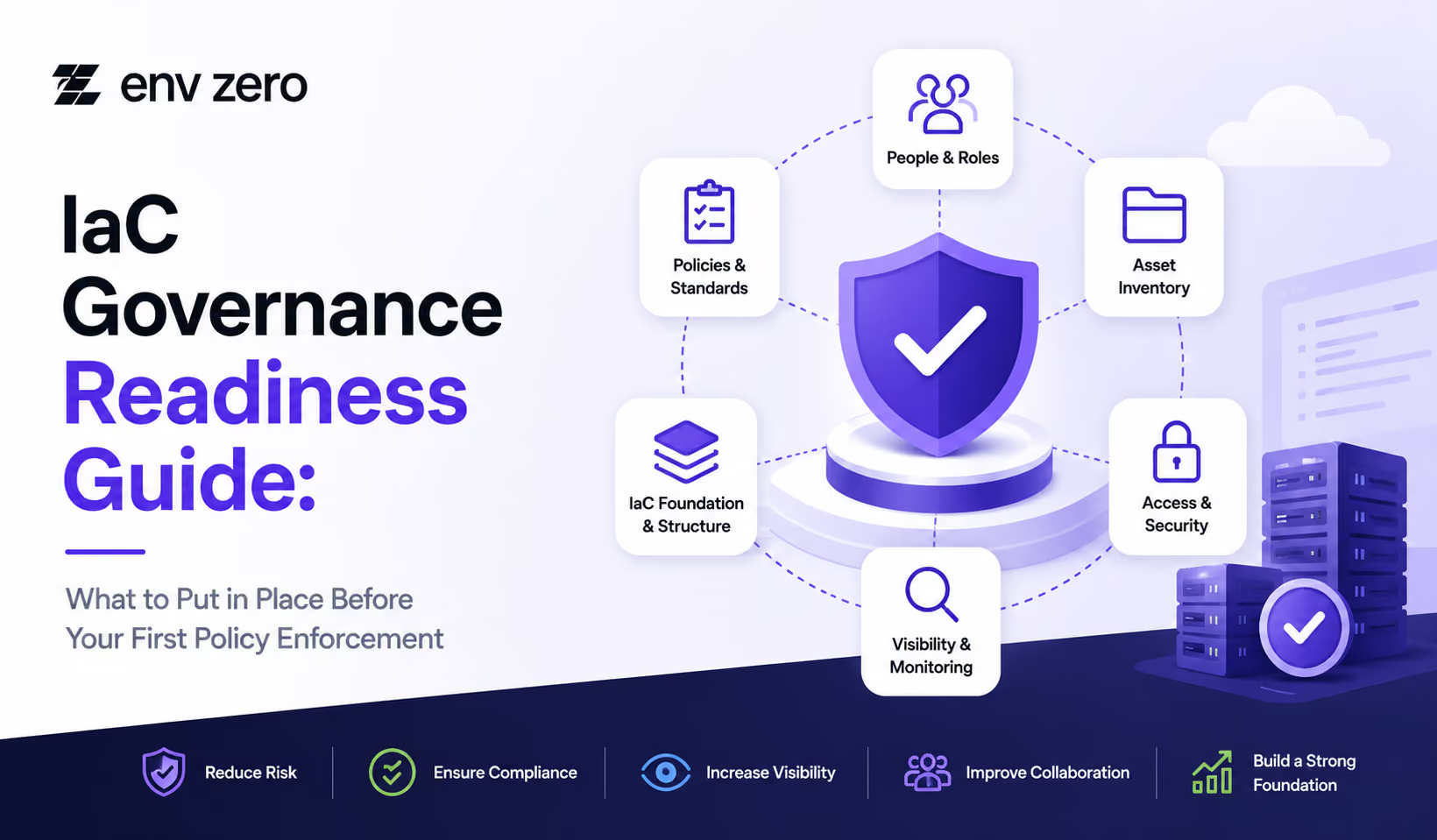
IaC Governance Readiness Guide: What to Put in Place Before Your First Policy Enforcement
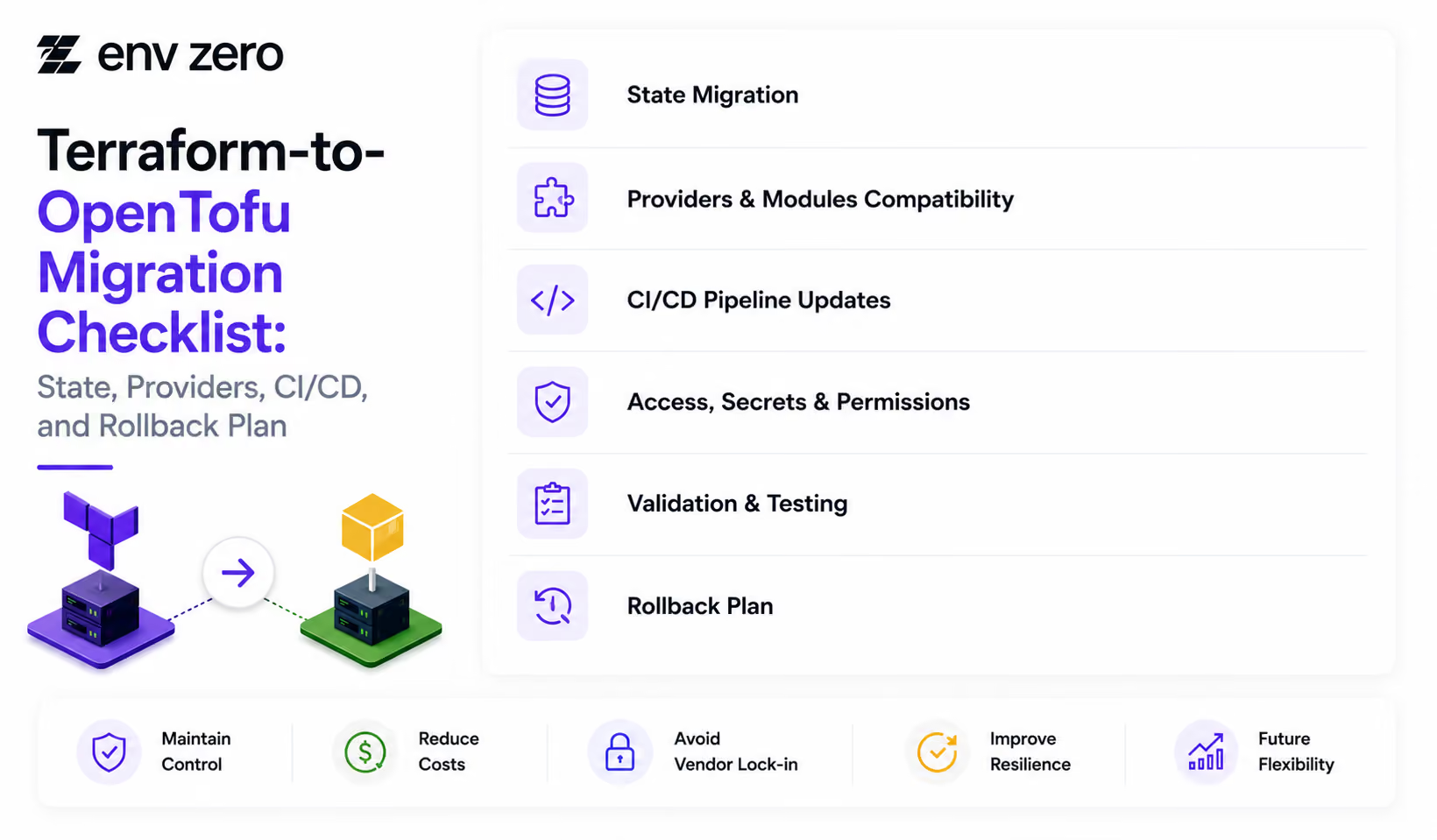
Terraform-to-OpenTofu Migration Checklist: State, Providers, CI/CD, and Rollback Plan








Audit Trail Setup Guide: Maintaining Compliance and Security Across Your Infrastructure


Pipeline Visibility Checklist: Ensuring Full Transparency Across Deployment Workflows

Rollback Readiness Checklist: Ensuring Fast and Reliable Recovery Across Environments
Deployment Automation Checklist: Ensuring Consistent and Reliable Infrastructure Delivery