.svg)

Introduction
Platform engineering is built on systems—templates, workflows, policies, and automation. But behind every system is a critical factor that determines success:
Ownership.
When ownership is unclear or misaligned, even the best-designed platforms begin to fail. Decisions are delayed, responsibilities are duplicated or ignored, and governance becomes inconsistent.
Many organizations focus on building infrastructure systems but overlook the importance of defining who owns each part of those systems.
This is where governance ownership breaks down.
Understanding the most common ownership mistakes helps platform teams create clear accountability, improve collaboration, and ensure that their systems operate effectively at scale.
Mistake 1: Undefined Ownership Across Key Systems
One of the most common issues is simply not defining ownership clearly.
Templates, policies, approval workflows, and runtime operations may exist—but no single team is responsible for maintaining them. This leads to confusion when updates are needed or issues arise.
Without defined ownership, tasks are delayed or overlooked entirely.
A strong governance model assigns clear responsibility for each system component, ensuring that every part of the platform is actively managed and continuously improved.
Mistake 2: Overlapping Responsibilities Between Teams
Another frequent mistake is assigning the same responsibility to multiple teams without clear boundaries.
For example, both platform and security teams may be involved in policy management, but without defined roles, this can lead to conflicts or duplication of work.
Overlapping responsibilities create inefficiencies and slow down decision-making.
Clear boundaries ensure that each team understands its role while still collaborating effectively with others.
Mistake 3: Lack of Accountability for Outcomes
Defining ownership is not enough—there must also be accountability.
In some organizations, teams are assigned responsibilities but are not held accountable for results. This leads to inconsistent execution and unresolved issues.
For example, a team may own template updates but fail to maintain them regularly.
Accountability ensures that ownership translates into action, driving consistent performance and continuous improvement.
Mistake 4: Poor Communication Between Governance Stakeholders
Governance involves multiple stakeholders, including platform teams, security teams, and developers.
When communication between these groups is weak, alignment breaks down. Policies may not reflect developer needs, workflows may be misunderstood, and changes may not be communicated effectively.
This disconnect reduces trust and creates friction.
Strong communication ensures that all stakeholders are aligned and that governance supports both control and usability.
Mistake 5: Failing to Evolve Ownership as the Platform Scales
As infrastructure systems become more complex, ownership must be redefined to match new requirements — a critical step toward achieving scalable IaC delivery across teams and environments without losing control or consistency.
What works for a small team may not scale across multiple teams and environments. As infrastructure systems become more complex, ownership must be redefined to match new requirements.
Organizations that fail to adapt their ownership models often experience bottlenecks, confusion, and reduced efficiency.
Regularly reviewing and updating ownership ensures that governance remains effective as the platform evolves.
Why Ownership Mistakes Impact Platform Success
Ownership issues have a direct impact on platform performance.
They slow down decision-making, reduce consistency, and create gaps in governance directly undermining an organization's ability to maintain effective cloud governance and risk management across infrastructure systems.
Developers may lose trust in the platform, and platform teams may struggle to maintain control.
Addressing ownership mistakes is essential for building scalable, reliable infrastructure systems.
How to Build a Strong Governance Ownership Model
A strong ownership model starts with clarity.
Every component of the platform—templates, policies, workflows, and runtime operations—should have a clearly defined owner. Responsibilities should be documented and communicated across teams.
Using structured models such as RACI can help define roles and ensure alignment.
Regular reviews ensure that ownership remains relevant as the platform evolves.
This approach creates a system where accountability is clear and governance is consistent.
How env zero Supports Governance Ownership Alignment
Managing ownership across complex infrastructure systems requires visibility and control.
env zero provides a centralized platform where roles, policies, and workflows are clearly defined and enforced. It enables teams to track actions, assign responsibilities, and maintain accountability across the system.
With env0, organizations can align governance ownership with infrastructure workflows, ensuring that every action has a clear owner and every system is actively managed.
Conclusion
Governance ownership is one of the most important—and often overlooked—components of platform engineering.
By avoiding common mistakes such as unclear roles, overlapping responsibilities, and lack of accountability, organizations can create systems that are efficient, consistent, and scalable.
Clear ownership ensures that governance is not just defined, but actively maintained, enabling platform teams to operate effectively at scale.
If your platform is struggling with unclear ownership or inconsistent governance, it’s time to fix the foundation. With env0, you can align roles, enforce accountability, and build a scalable governance model that works.
FAQs
What is governance ownership in platform engineering?
Governance ownership refers to clearly defining which teams or individuals are responsible for different aspects of infrastructure management, including templates, policies, approvals, and operations. It ensures accountability and helps maintain consistency across systems.
Why is ownership important in infrastructure governance?
Ownership ensures that every part of the system is actively managed and maintained. Without it, responsibilities can be unclear, leading to delays, inconsistencies, and increased risk across infrastructure workflows.
What are common ownership challenges in platform teams?
Common challenges include unclear responsibilities, overlapping roles, lack of accountability, and poor communication between teams. These issues can reduce efficiency and make governance difficult to enforce.
How can organizations define clear ownership?
Organizations can define ownership by assigning responsibilities for each system component, documenting roles, and using frameworks like RACI to ensure clarity and alignment across teams.
What happens when ownership overlaps between teams?
Overlapping ownership can lead to confusion, duplicated efforts, and slower decision-making. Clear boundaries are needed to ensure that each team understands its role while still collaborating effectively.
How does ownership impact platform scalability?
Clear ownership allows organizations to scale infrastructure systems without losing control. It ensures that responsibilities are distributed effectively as the platform grows.
Why should ownership models evolve over time?
As infrastructure systems become more complex, ownership models must adapt to new requirements. Failing to evolve can lead to bottlenecks and inefficiencies.
How does communication affect governance ownership?
Strong communication ensures that all stakeholders understand their roles and responsibilities. It helps align teams and prevents misunderstandings that can disrupt workflows.
What role does accountability play in ownership?
Accountability ensures that assigned responsibilities are fulfilled. Without it, ownership becomes ineffective, and issues may go unresolved.
How does env zero support governance ownership?
env zero provides visibility into infrastructure workflows, enforces policies, and helps define roles within a centralized system. This enables organizations to maintain clear ownership and accountability.
Related Content
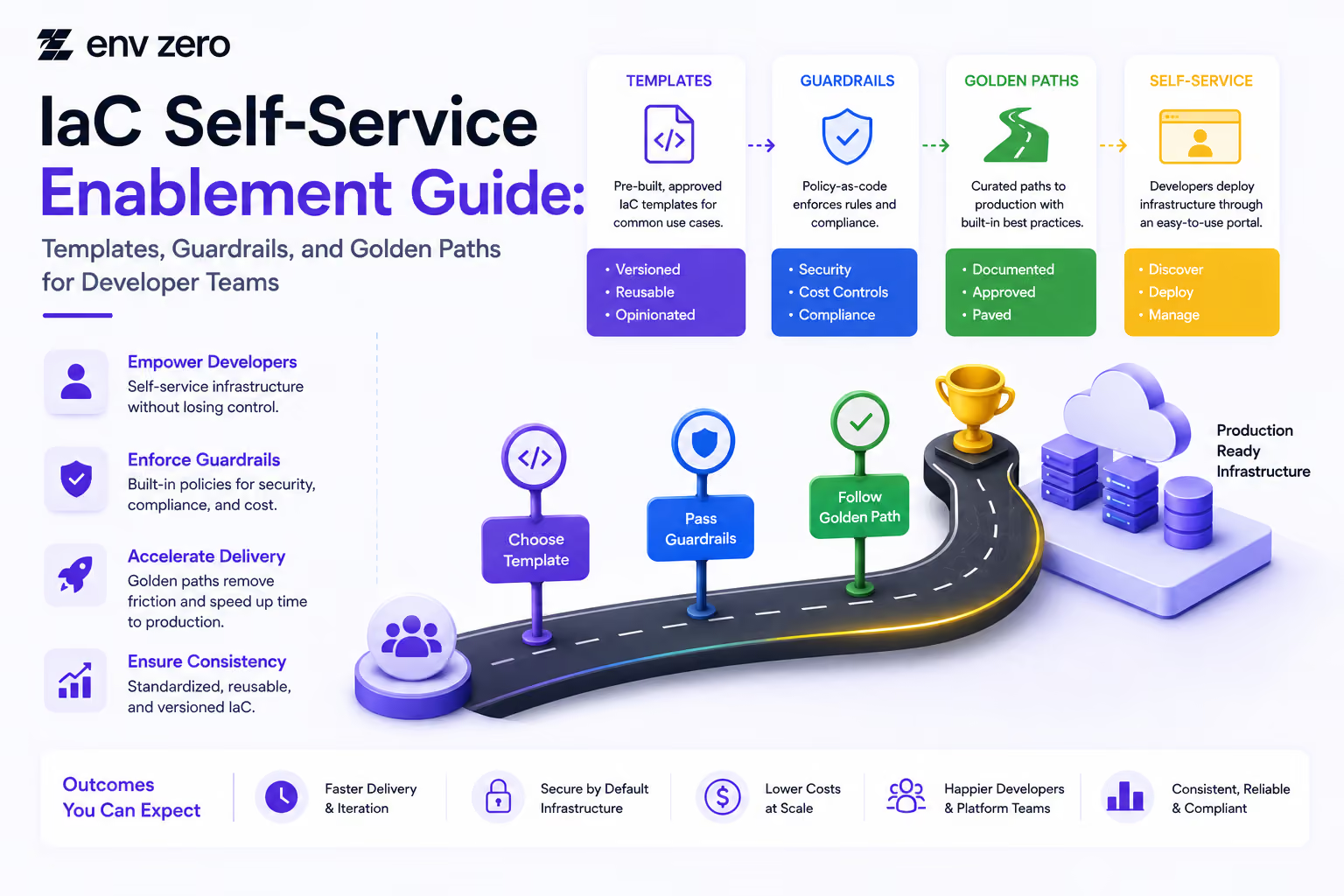
IaC Self-Service Enablement Guide: Templates, Guardrails, and Golden Paths for Developer Teams
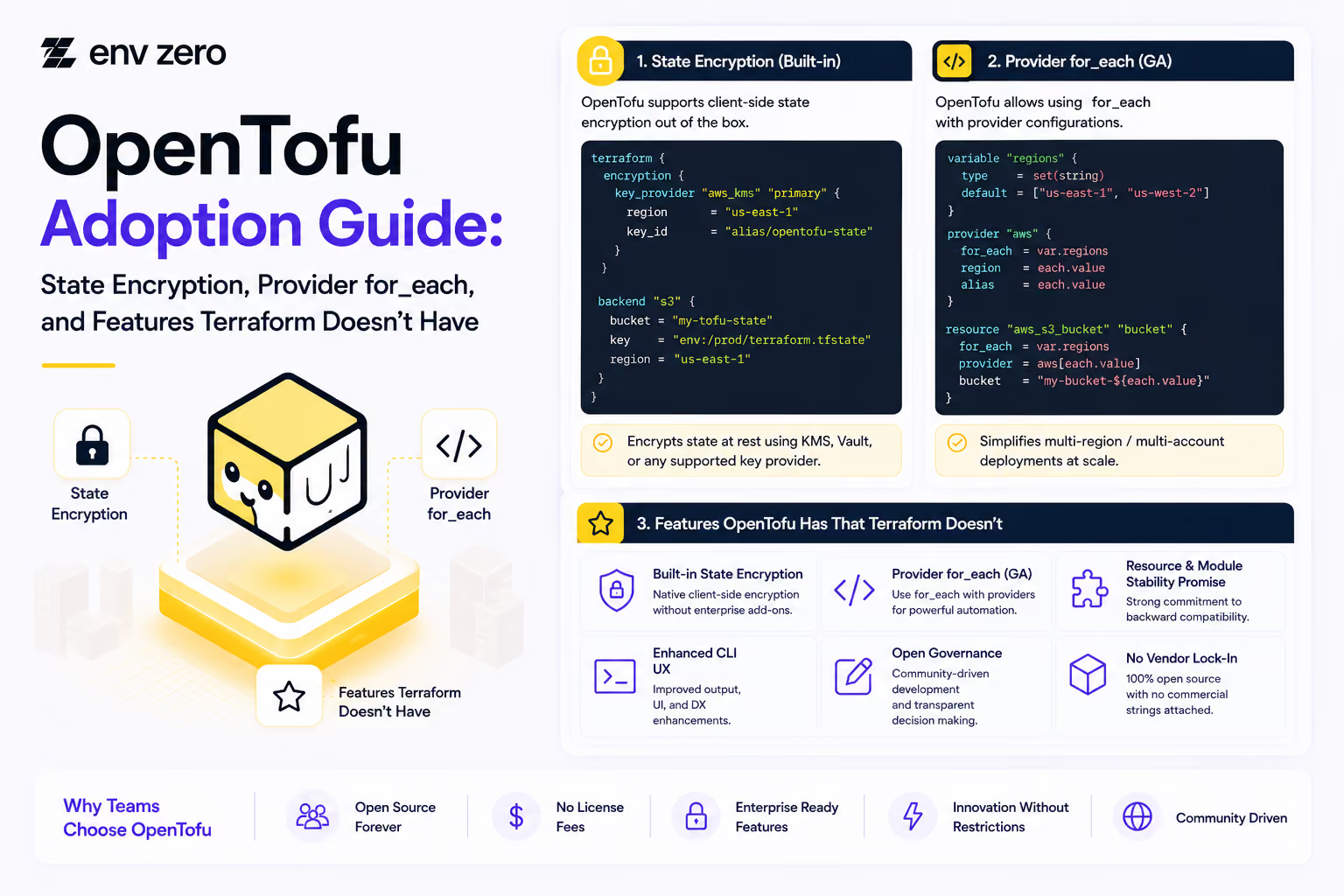
OpenTofu Adoption Guide: State Encryption, Provider for_each, and Features Terraform Doesn't Have
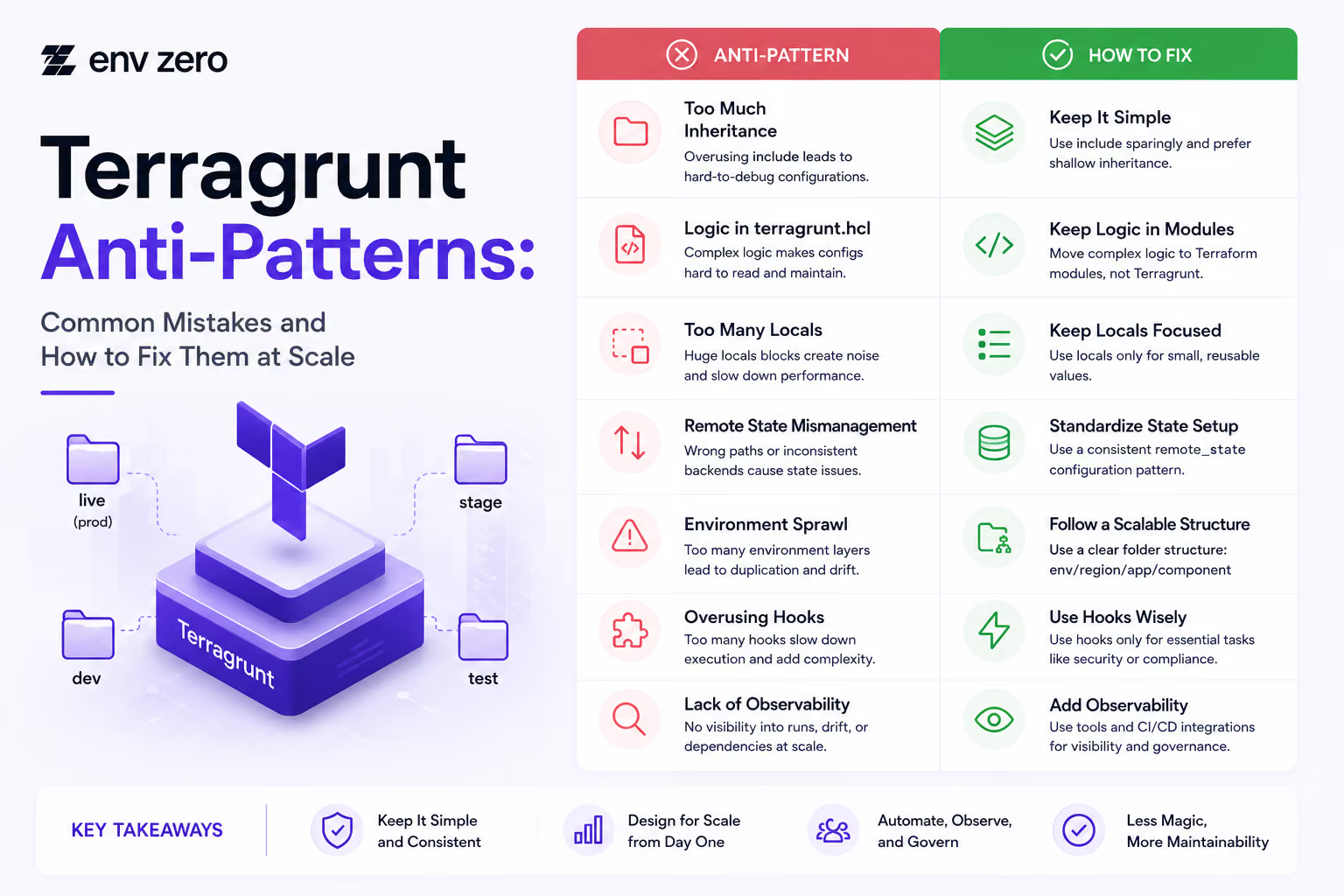
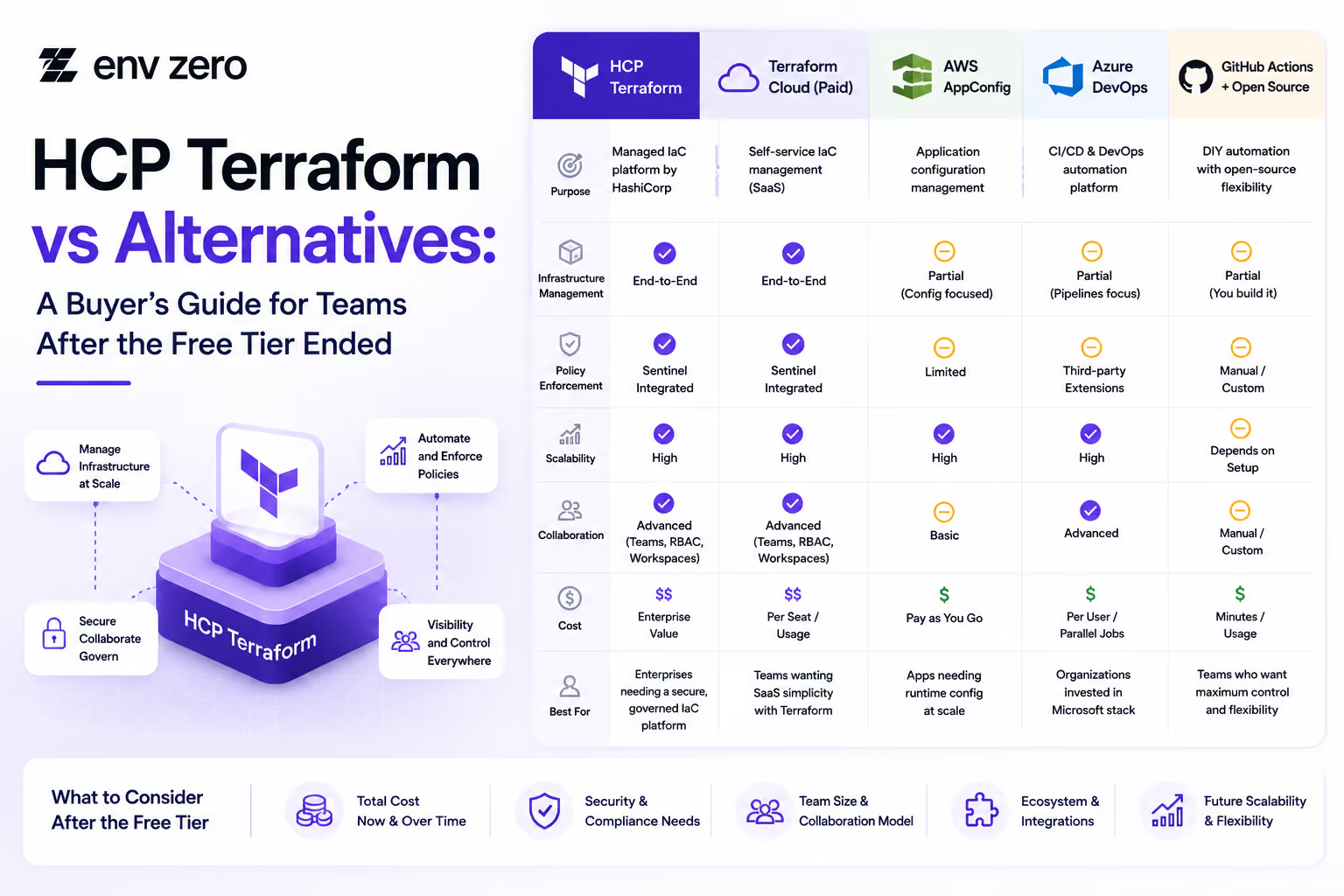

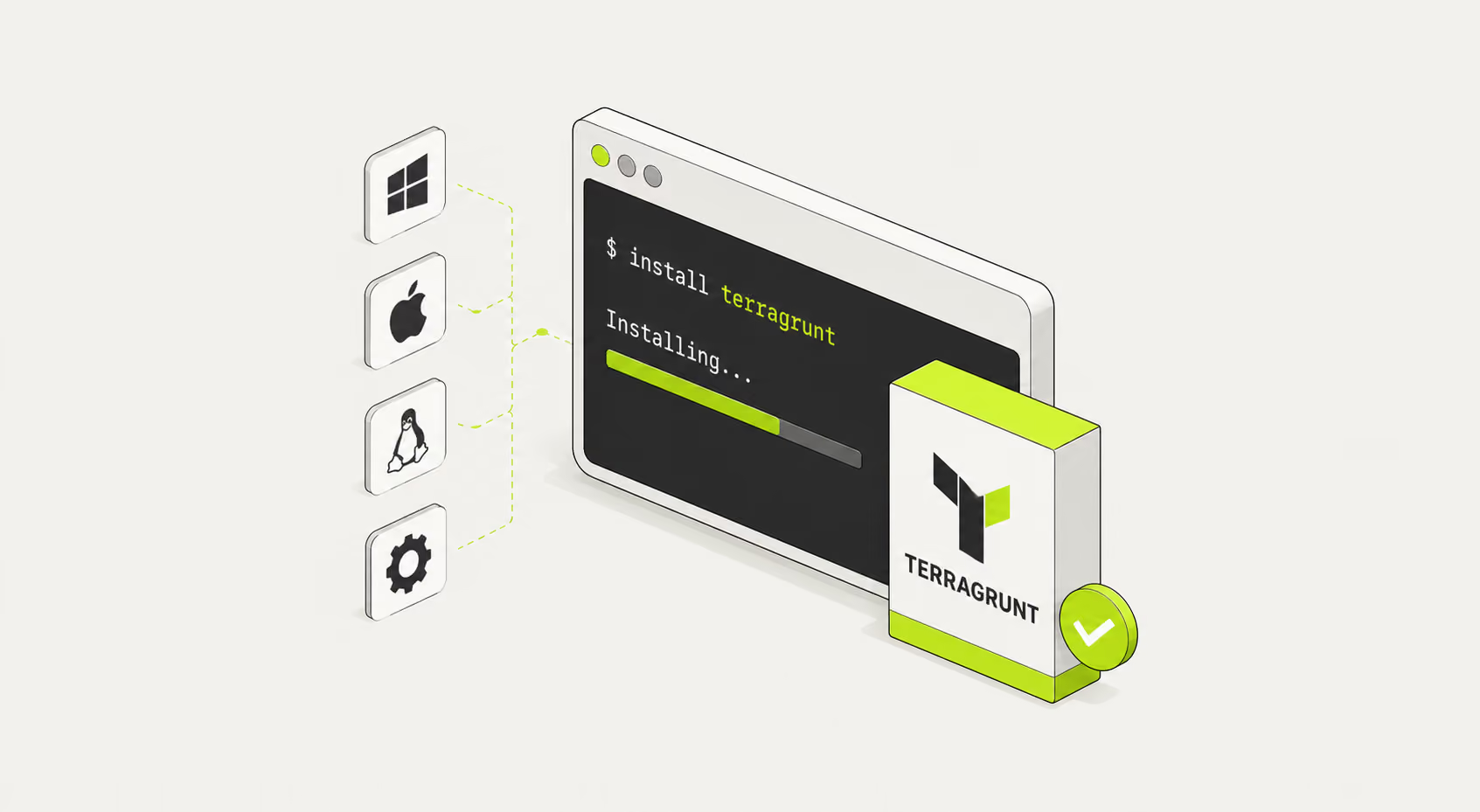
How to Install Terragrunt and Set Up Your First Multi-Environment Project (2026 Edition)
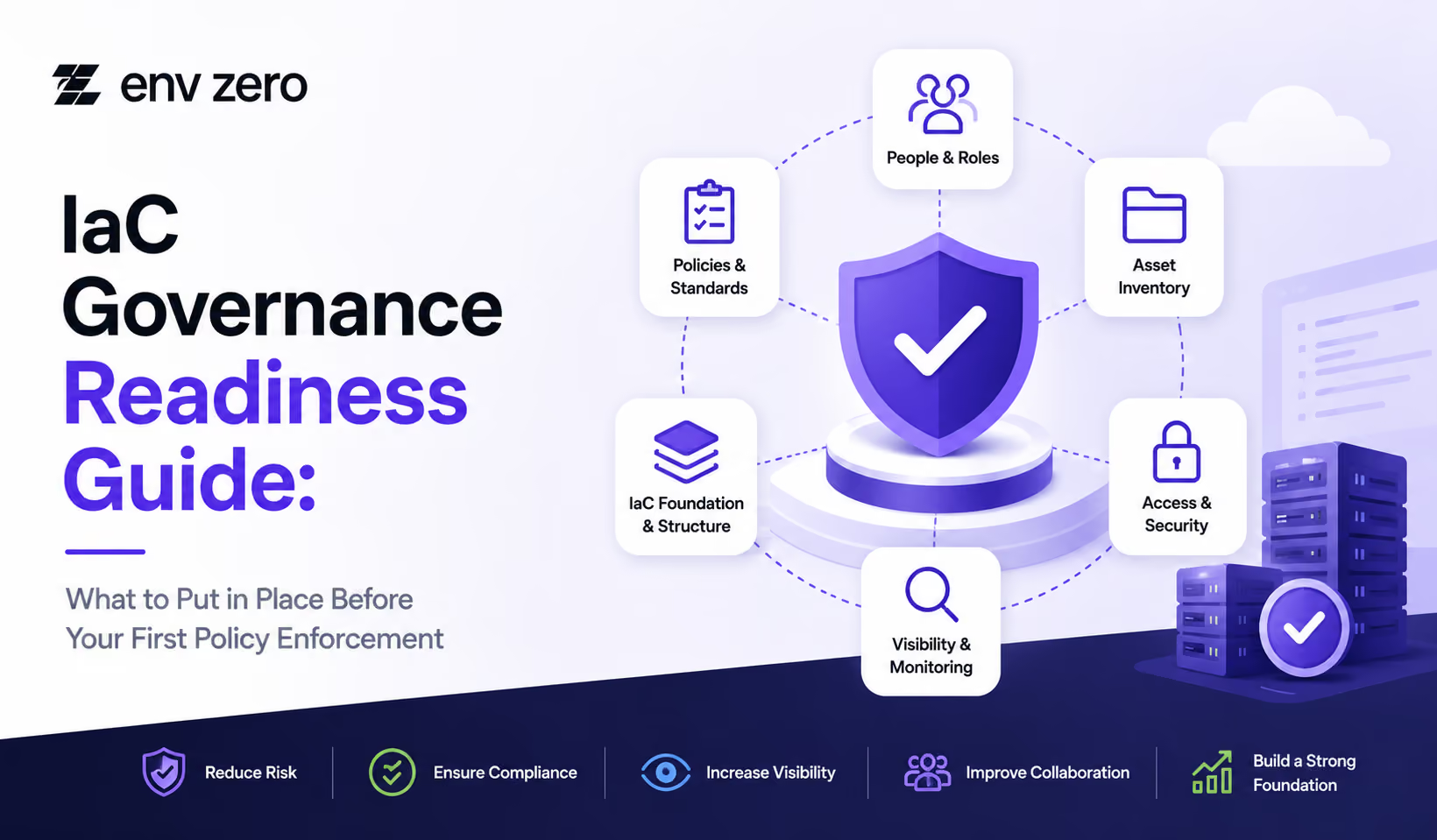
IaC Governance Readiness Guide: What to Put in Place Before Your First Policy Enforcement
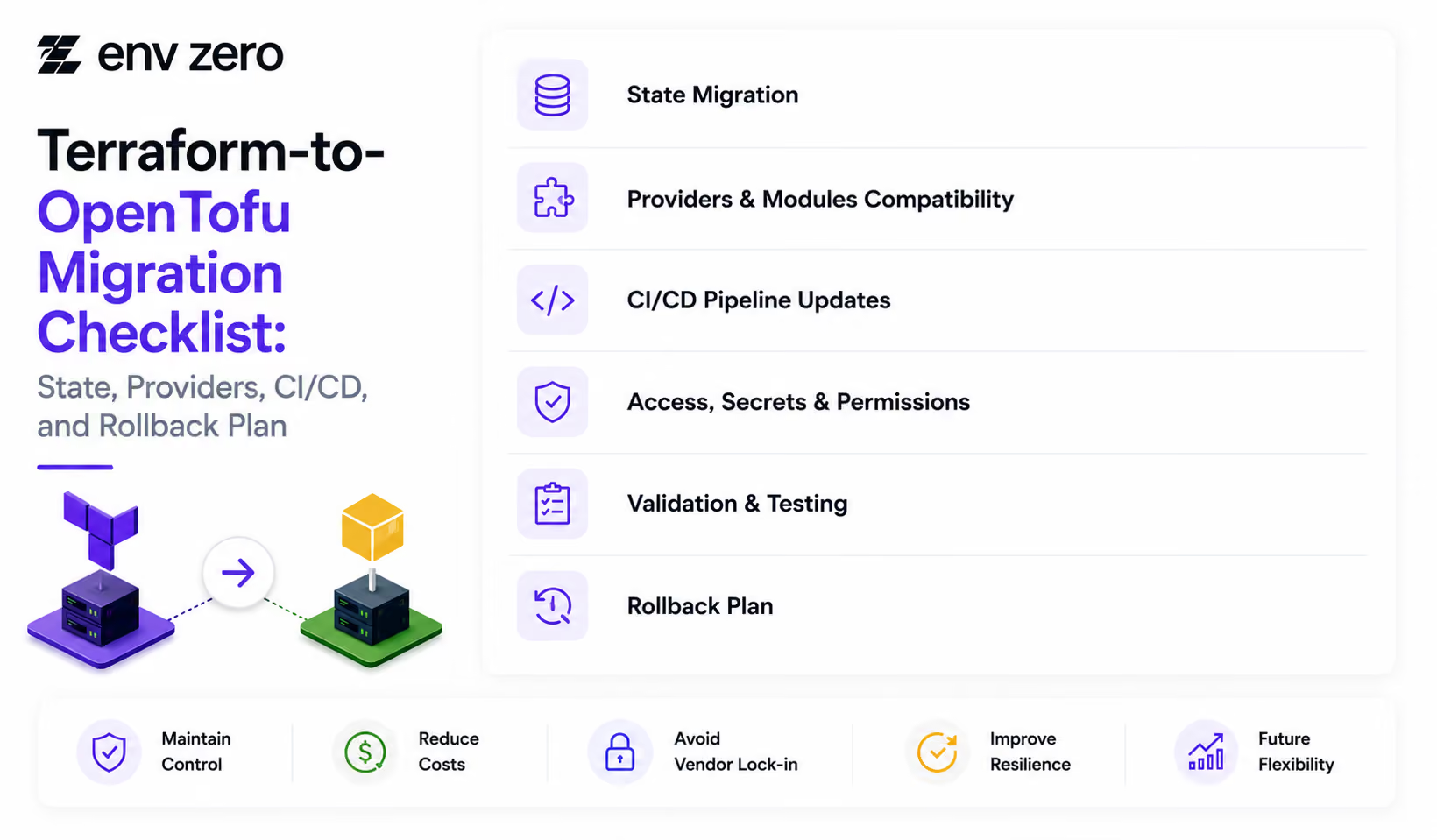
Terraform-to-OpenTofu Migration Checklist: State, Providers, CI/CD, and Rollback Plan








Audit Trail Setup Guide: Maintaining Compliance and Security Across Your Infrastructure


Pipeline Visibility Checklist: Ensuring Full Transparency Across Deployment Workflows

Rollback Readiness Checklist: Ensuring Fast and Reliable Recovery Across Environments
Deployment Automation Checklist: Ensuring Consistent and Reliable Infrastructure Delivery