.svg)


Introduction
As organizations adopt automated infrastructure workflows, ensuring that every deployment follows a consistent and validated process becomes critical.
While automation improves speed, it can also introduce risks if key steps are missed or poorly implemented.
A Deployment Automation Checklist helps platform teams standardize their workflows, ensuring that every deployment is secure, tested, compliant, and production-ready.
It acts as a structured guide to maintain control while scaling automation across environments.
What Is a Deployment Automation Checklist?
A Deployment Automation Checklist is a structured set of validation steps used to ensure that every automated deployment meets organizational standards.
It covers everything from infrastructure validation and testing to approvals, monitoring, and rollback readiness.
This checklist ensures that automation is not just fast, but also reliable, secure, and consistent across all environments.
Why Deployment Automation Needs a Checklist
Automation alone does not guarantee reliability. Without a defined process, teams may skip critical steps such as testing, policy validation, or monitoring setup.
A checklist ensures that every deployment follows the same standards, reducing the risk of errors, improving consistency, and maintaining governance across environments.
It also provides clarity for teams, ensuring that responsibilities and expectations are clearly understood.
Deployment Automation Checklist
Infrastructure and Configuration Validation
Before deployment, infrastructure definitions should be validated to ensure they align with expected configurations.
This includes verifying templates, dependencies, and environment-specific settings.
Consistency across environments is critical to prevent unexpected behavior in production.
Automated Testing Integration
All deployments should pass automated tests before execution.
This includes functional testing, integration validation, and security checks.
Testing ensures that changes do not introduce bugs, vulnerabilities, or performance issues.
Policy and Compliance Checks
Policy checks should be enforced to validate security, cost, and compliance requirements.
These checks ensure that infrastructure adheres to organizational standards before deployment.
Automating policy enforcement reduces manual effort and ensures consistency.
This is a core part of a broader cloud governance and risk management strategy that keeps infrastructure compliant at scale.
Approval Workflow Validation
Approval workflows should be in place for high-risk or production-level changes.
This ensures that critical deployments are reviewed and validated by the appropriate stakeholders.
Clear approval processes help maintain governance without creating unnecessary delays.
Deployment Execution Readiness
The deployment process should be fully automated and standardized across environments.
Teams looking to achieve complete lifecycle automation can streamline every stage — from provisioning to teardown — without manual intervention.
This includes ensuring that CI/CD pipelines are properly configured and that deployment scripts are tested.
Reliable execution ensures consistency and reduces the risk of failures.
Monitoring and Observability Setup
Monitoring systems must be configured before deployment to track performance and detect issues. This includes setting up logs, alerts, and dashboards.
Observability ensures that any issues can be identified and resolved quickly after deployment.
Rollback and Recovery Preparedness
Rollback mechanisms should be in place to revert to a stable state if deployment fails.
This includes ensuring that previous versions are accessible and recovery processes are tested.
Preparedness reduces downtime and improves system resilience.
Version Control and Traceability
All infrastructure and deployment changes should be tracked using version control systems. This ensures traceability and allows teams to review changes or roll back when necessary.
Version control is essential for maintaining consistency and accountability.
Benefits of Using a Deployment Automation Checklist
A structured checklist improves deployment reliability by ensuring that all steps are validated before execution.
It enhances security and compliance by embedding policy checks into the workflow.
It also reduces operational risk by preventing missed steps and improves efficiency by standardizing processes across teams.
Most importantly, it enables organizations to scale automation without losing control.
Common Gaps Without a Checklist
Without a checklist, teams often overlook critical steps such as testing, monitoring, or rollback preparation.
This leads to inconsistent deployments, increased failures, and reduced visibility into infrastructure changes.
Lack of standardization also creates confusion across teams, making deployments harder to manage at scale.
How env zero Supports Deployment Automation
env0 helps platform teams implement and enforce deployment automation checklists by integrating validation, policy enforcement, and approvals into deployment workflows.
With env0, teams can automate infrastructure validation, enforce Policy-as-Code, and manage approval workflows seamlessly.
It ensures that every deployment follows predefined standards before execution.
env zero also provides visibility into deployment processes, allowing teams to track progress, identify failures, and maintain control across environments.
Conclusion
A Deployment Automation Checklist is essential for ensuring that automated workflows remain reliable, secure, and consistent.
It provides the structure needed to validate deployments, enforce governance, and reduce risk.
By implementing a checklist-driven approach, platform teams can scale automation confidently while maintaining control over infrastructure delivery.
With tools like env0, this process becomes seamless, automated, and highly effective.
Looking to standardize and scale your deployment automation?
env0 helps you enforce validation, automate workflows, and maintain control across your infrastructure. Build consistent and reliable deployments today.
FAQs
What is a deployment automation checklist?
A deployment automation checklist is a structured set of validation steps that ensures every automated deployment meets security, compliance, and operational standards before execution.
Why is a checklist important in deployment automation?
A checklist ensures consistency, reduces errors, and prevents critical steps from being missed, improving the reliability of automated deployments. It provides a structured approach that standardizes workflows across teams, ensuring that every deployment follows the same validated process. This helps minimize risks, improve coordination, and maintain control as infrastructure scales.
What should be included in a deployment automation checklist?
A deployment automation checklist should include infrastructure validation, automated testing, policy checks, approval workflows, monitoring setup, rollback readiness, and version control. These elements ensure that every deployment is secure and fully validated before execution, reducing the risk of failures and maintaining reliability across environments.
How does automation improve deployment reliability?
Automation ensures that every step in the deployment process is executed consistently, reducing the risk of human error and improving the overall speed and accuracy of deployments. By standardizing workflows and eliminating manual intervention, teams can ensure that validations, testing, and configurations are applied uniformly across all environments, leading to more predictable and reliable outcomes.
How does env zero support deployment automation?
env zero supports deployment automation by integrating policy enforcement, approval workflows, and infrastructure validation directly into automated processes. It ensures that every deployment follows predefined standards while providing visibility into each stage of the workflow. This helps teams maintain consistency, enforce governance, and scale deployments efficiently without compromising control.
What happens if a checklist is not followed?
Skipping checklist steps can lead to deployment failures, security risks, and inconsistent infrastructure across environments. It increases the likelihood of missed validations, untested changes, and misconfigurations reaching production. Over time, this can reduce reliability, create operational inefficiencies, and make troubleshooting more difficult.
Related Content
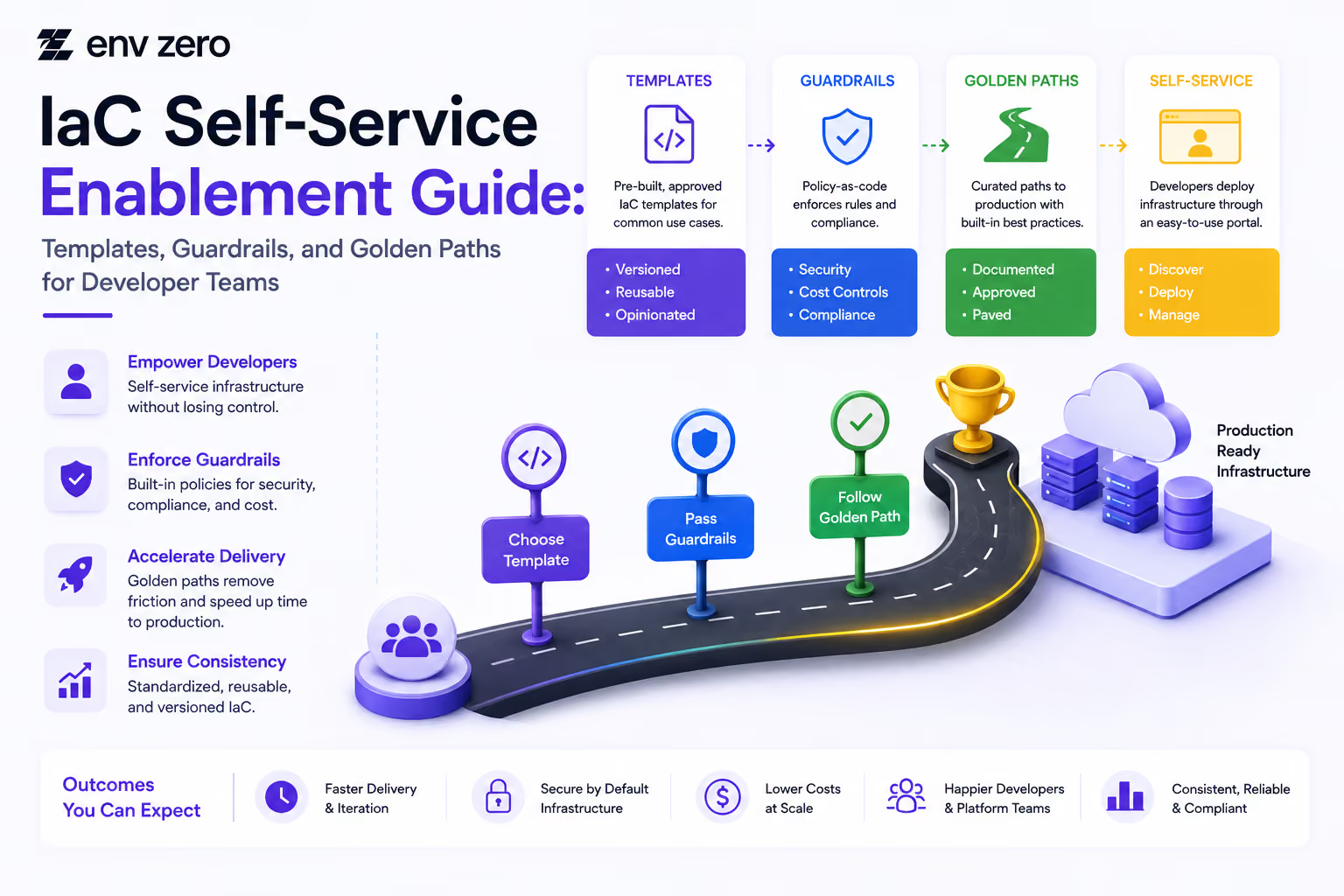
IaC Self-Service Enablement Guide: Templates, Guardrails, and Golden Paths for Developer Teams
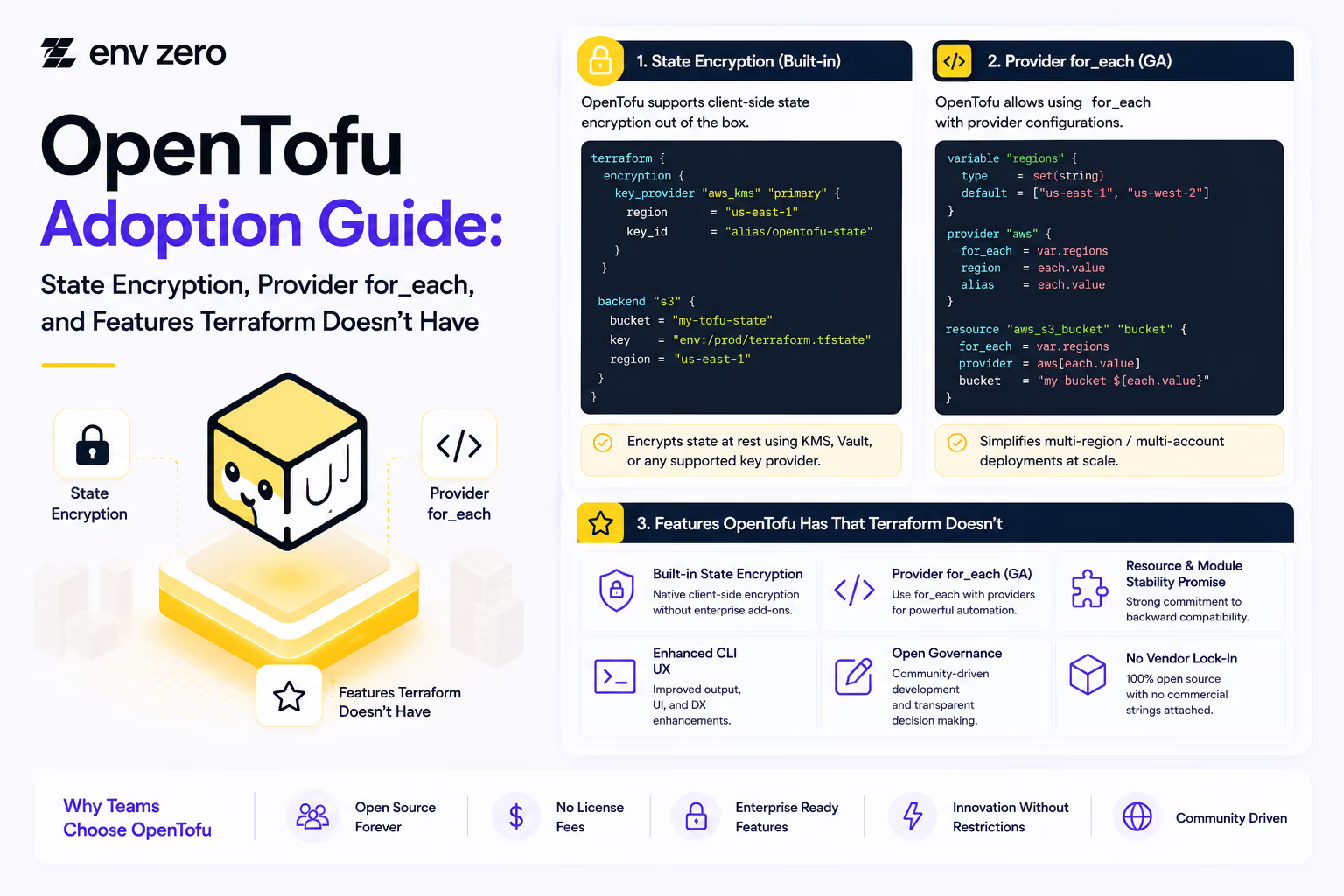
OpenTofu Adoption Guide: State Encryption, Provider for_each, and Features Terraform Doesn't Have
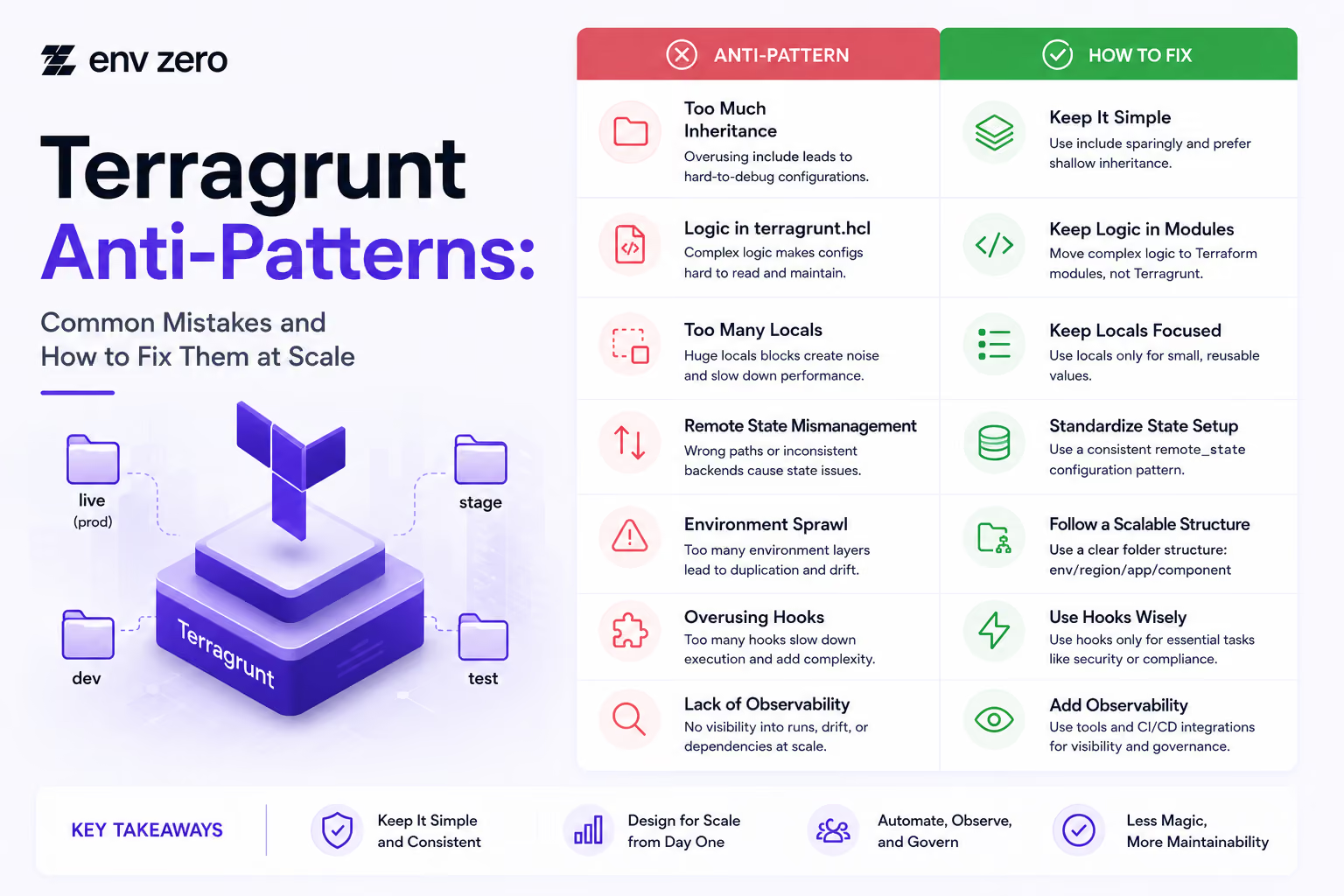

How to Install Terragrunt and Set Up Your First Multi-Environment Project (2026 Edition)
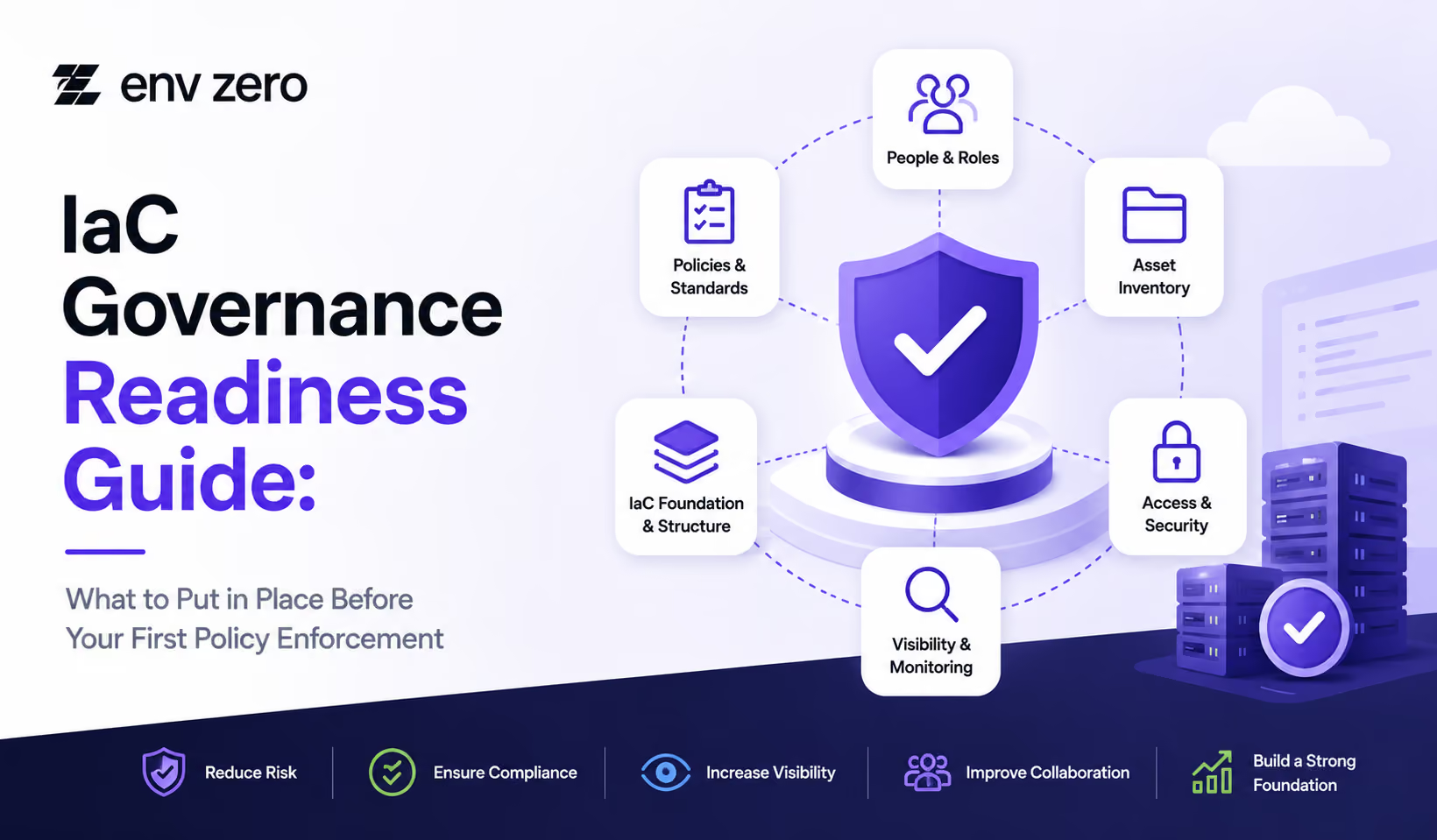
IaC Governance Readiness Guide: What to Put in Place Before Your First Policy Enforcement
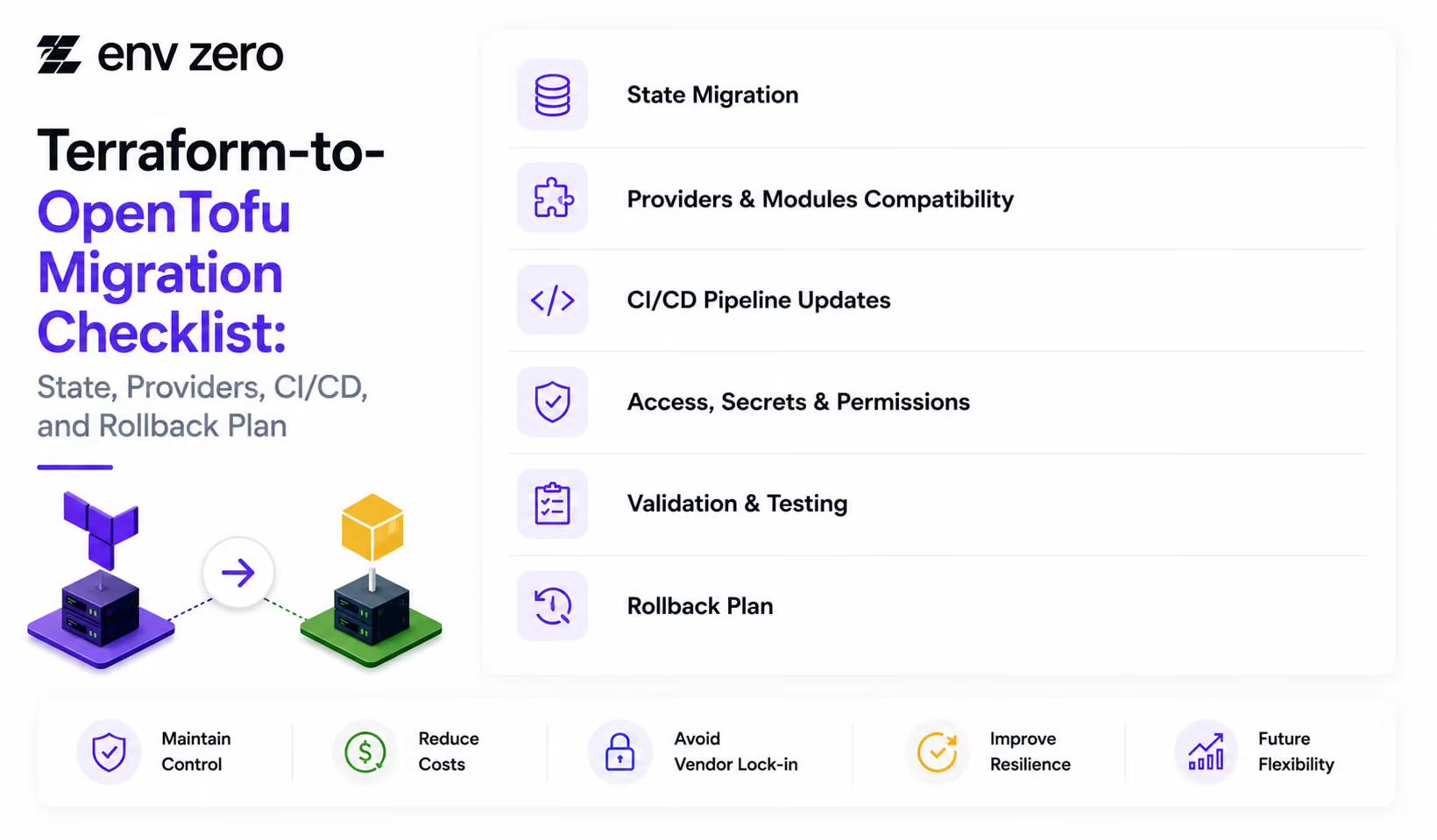
Terraform-to-OpenTofu Migration Checklist: State, Providers, CI/CD, and Rollback Plan











Audit Trail Setup Guide: Maintaining Compliance and Security Across Your Infrastructure


Pipeline Visibility Checklist: Ensuring Full Transparency Across Deployment Workflows

Rollback Readiness Checklist: Ensuring Fast and Reliable Recovery Across Environments
Deployment Automation Checklist: Ensuring Consistent and Reliable Infrastructure Delivery