.svg)


Modern deployment pipelines require more than automation, they require complete visibility.
Without it, teams lose control over workflows, delays increase, and issues become harder to detect and resolve.
Introduction
As deployment pipelines grow in complexity, maintaining visibility across every stage becomes essential.
Without clear insight into what is happening during deployments, teams struggle to identify issues, track progress, and maintain control over infrastructure changes.
Pipeline visibility provides a complete view of deployment workflows, helping platform teams monitor activity, detect bottlenecks, and ensure that every stage is functioning as expected.
A structured Pipeline Visibility Checklist ensures that transparency is built into every part of the deployment lifecycle.
What Is Pipeline Visibility?
Pipeline visibility refers to the ability to observe, track, and understand every stage of a deployment pipeline in real time.
It includes insights into validation steps, approvals, execution, monitoring, and outcomes.
With proper visibility, teams can quickly identify where issues occur, understand the status of deployments, and make informed decisions without relying on manual updates or assumptions.
Why Pipeline Visibility Matters
Without visibility, deployment workflows become difficult to manage.
Teams may not know whether a deployment is progressing, where delays are occurring, or why failures happen.
Pipeline visibility improves operational awareness, reduces troubleshooting time, and ensures that all stakeholders have access to accurate and real-time information.
It also strengthens governance by providing transparency into approvals, policy checks, and deployment actions.
Pipeline Visibility Checklist
To achieve full pipeline visibility, it is essential to ensure that every stage of the deployment process is transparent, trackable, and easily accessible.
A structured approach helps teams monitor progress, identify gaps, and maintain control across the entire workflow.
End-to-End Workflow Tracking
Every stage of the deployment pipeline should be visible, from code commit to production release.
This includes validation, approvals, execution, and post-deployment monitoring.
End-to-end tracking ensures that no step is hidden and that teams can follow the entire deployment process.
Real-Time Status Updates
Deployment status should be updated in real time, allowing teams to see whether a process is pending, in progress, completed, or failed.
Real-time updates enable faster decision-making and reduce the need for manual follow-ups.
Approval and Decision Visibility
All approval steps should be visible, including who approved or rejected a change and when.
This ensures transparency in governance and helps teams identify delays in approval workflows.
Clear visibility into approvals improves accountability and coordination.
Policy Check Results
Policy enforcement should be visible at every stage, showing whether checks have passed or failed.
This helps teams understand why deployments are blocked or allowed.
Visibility into policy checks ensures compliance and reduces confusion.
This level of transparency is a critical component of cloud governance and risk management, giving teams the confidence that every deployment meets organizational standards before it reaches production.
Error and Failure Insights
When a deployment fails, detailed error information should be available.
This includes logs, failure points, and system responses.
Clear insights into failures allow teams to troubleshoot quickly and resolve issues efficiently.
Dependency and Workflow Mapping
Pipelines often include dependencies between tasks, services, and environments.
Visibility into these dependencies ensures that teams understand how different components interact.
This helps prevent cascading failures and improves overall system reliability.
Monitoring and Observability Integration
Pipeline visibility should extend beyond deployment into monitoring systems.
This includes logs, metrics, and alerts that track system performance after deployment.
Observability ensures that issues are detected early and addressed before they impact users.
Historical Data and Audit Trails
Teams should have access to historical deployment data, including previous runs, approvals, and outcomes. This enables trend analysis and supports auditing requirements.
Historical visibility improves long-term decision-making and accountability.
This becomes especially valuable as organizations scale IaC delivery across teams and environments, where consistent traceability is essential for maintaining control.
Benefits of Strong Pipeline Visibility
A well-defined visibility framework improves deployment efficiency by enabling faster identification of issues and bottlenecks.
It enhances transparency across teams, ensuring that everyone has access to accurate information.
It also strengthens governance by providing insight into approvals and policy enforcement, and improves reliability by enabling quicker troubleshooting and resolution.
Common Gaps Without Pipeline Visibility
Without proper visibility, teams often rely on fragmented tools and manual updates to track deployments.
This leads to delays, miscommunication, and difficulty identifying issues.
When visibility is limited, teams struggle to pinpoint where a deployment is stuck or why a failure occurred, increasing troubleshooting time and slowing down recovery.
Important steps such as approvals, policy checks, or validations may be overlooked, creating gaps in governance and consistency.
Lack of visibility also reduces confidence in deployment processes and makes scaling infrastructure more challenging.
As complexity grows, these gaps can lead to inconsistent workflows, higher operational risk, and reduced efficiency across teams.
How env zero Improves Pipeline Visibility
env0 provides comprehensive visibility across deployment workflows by integrating tracking, monitoring, and governance into a single platform.
With env0, teams can view real-time deployment status, track approvals, and monitor policy checks in one place.
It provides detailed logs and insights into failures, helping teams quickly identify and resolve issues.
env zero also maintains a complete history of deployments, ensuring that all actions are traceable and auditable.
By centralizing visibility, env zero enables teams to manage complex pipelines with clarity and control.
Conclusion
Pipeline visibility is essential for managing modern deployment workflows.
It provides the transparency needed to monitor progress, identify issues, and maintain control across environments.
By implementing a structured visibility checklist, platform teams can improve efficiency, strengthen governance, and ensure reliable deployments.
With tools like env0, achieving full pipeline visibility becomes seamless and scalable.
Struggling to track and manage your deployment pipelines?
env0 gives you full visibility into every stage of your workflow, helping you detect issues, streamline processes, and maintain control. Start building transparent and efficient pipelines today.
FAQs
What is pipeline visibility in deployment workflows?
Pipeline visibility refers to the ability to monitor and track every stage of a deployment process in real time, ensuring transparency and control.
Why is pipeline visibility important?
It helps teams identify bottlenecks, troubleshoot issues quickly, and maintain awareness of deployment status, improving efficiency and reliability.
What should be included in pipeline visibility?
It should include real-time status tracking, approval visibility, policy check results, error insights, dependency mapping, and monitoring integration.
How does pipeline visibility improve troubleshooting?
By providing detailed logs and real-time insights, it allows teams to quickly identify failure points and resolve issues efficiently.
How does env zero enhance pipeline visibility?
env zero centralizes deployment tracking, approval visibility, and policy enforcement, providing real-time insights and historical data for better control.
How does pipeline visibility improve team collaboration?
Pipeline visibility gives all teams real-time insight into deployments, improving alignment, communication, and coordination.
Related Content
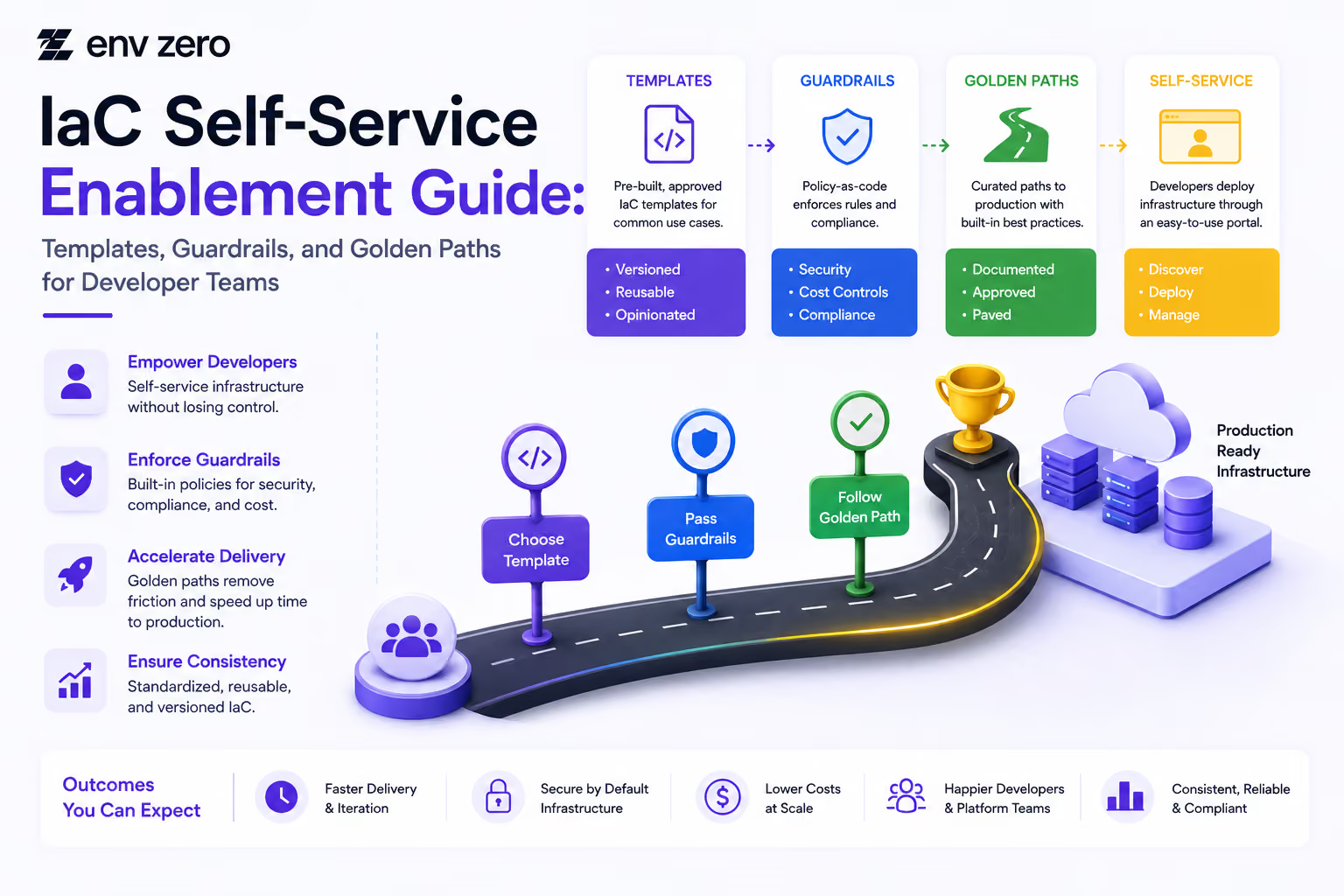
IaC Self-Service Enablement Guide: Templates, Guardrails, and Golden Paths for Developer Teams
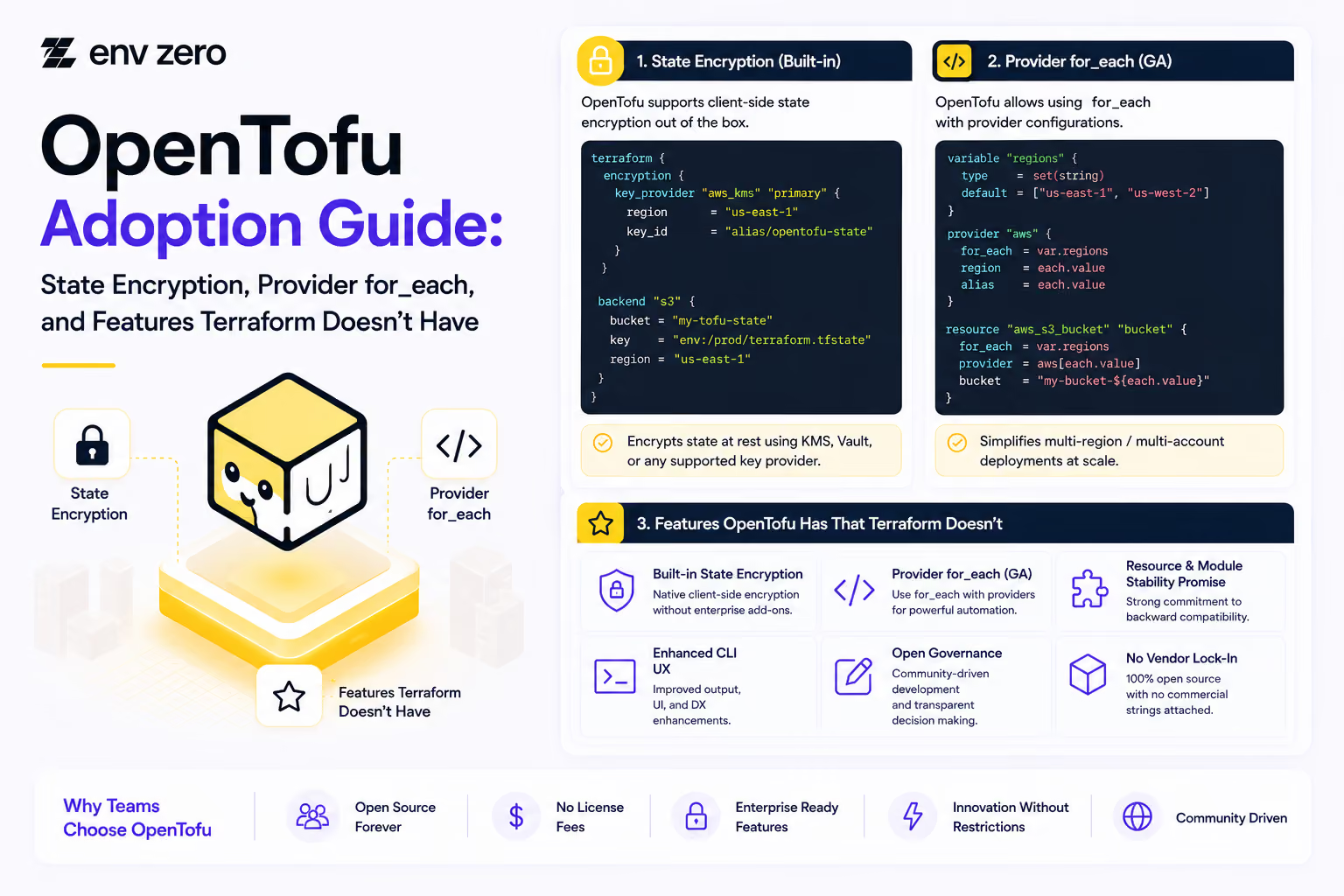
OpenTofu Adoption Guide: State Encryption, Provider for_each, and Features Terraform Doesn't Have
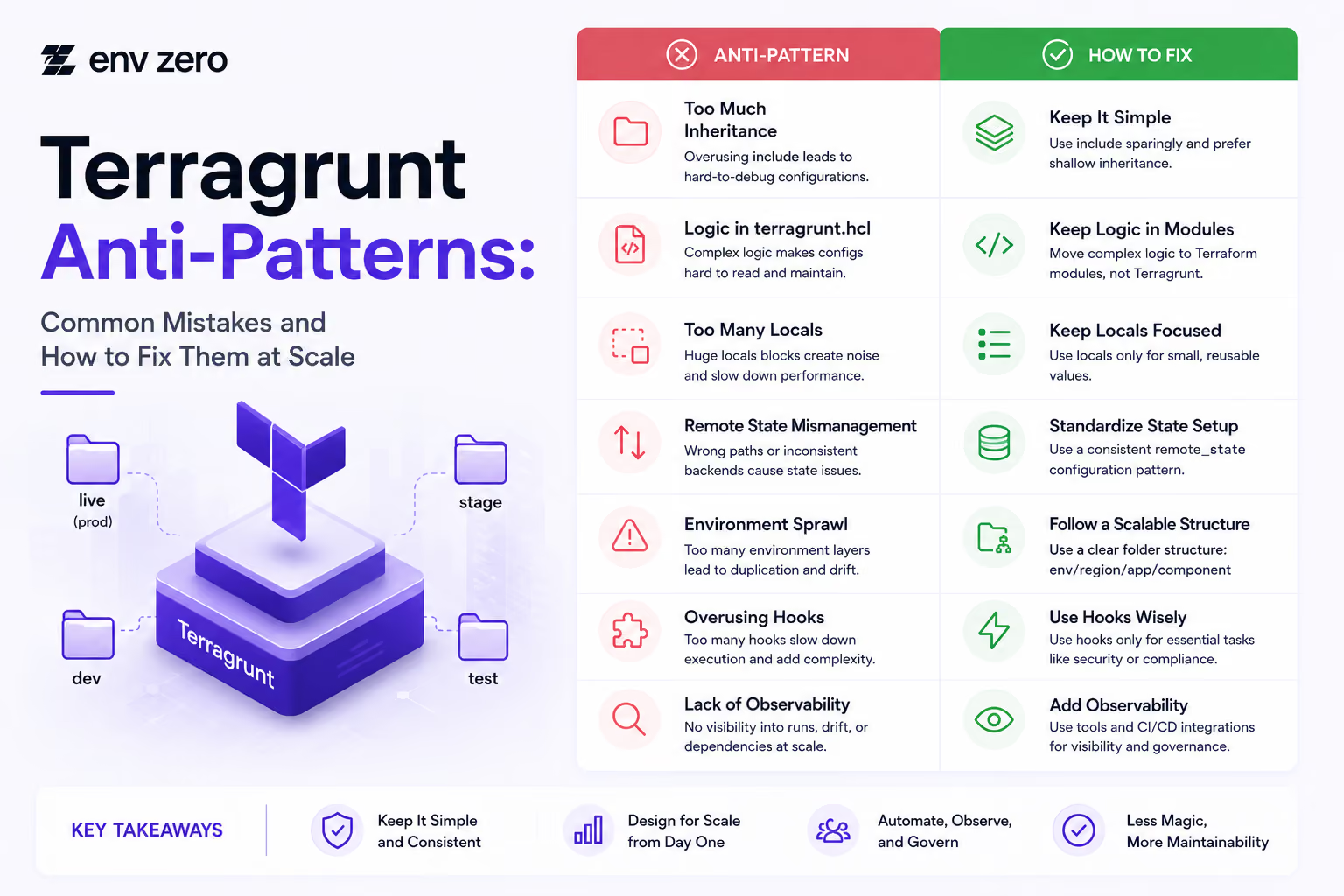

How to Install Terragrunt and Set Up Your First Multi-Environment Project (2026 Edition)
IaC Governance Readiness Guide: What to Put in Place Before Your First Policy Enforcement
Terraform-to-OpenTofu Migration Checklist: State, Providers, CI/CD, and Rollback Plan











Audit Trail Setup Guide: Maintaining Compliance and Security Across Your Infrastructure


Pipeline Visibility Checklist: Ensuring Full Transparency Across Deployment Workflows

Rollback Readiness Checklist: Ensuring Fast and Reliable Recovery Across Environments

Deployment Automation Checklist: Ensuring Consistent and Reliable Infrastructure Delivery