.svg)


Introduction
As infrastructure becomes more automated and distributed across teams, ownership in deployment workflows becomes increasingly complex.
Platform engineering aims to enable self-service infrastructure, but without clearly defined ownership, deployments can quickly become inconsistent, risky, and difficult to manage.
When ownership is unclear, teams face delays, misconfigurations, duplicated efforts, and accountability gaps.
Understanding the most common ownership mistakes in deployment teams is essential for building scalable, reliable, and governed infrastructure workflows.
Why Deployment Ownership Matters
Deployment ownership defines who is responsible for what across the infrastructure lifecycle.
This includes provisioning resources, approving changes, enforcing policies, and maintaining system reliability.
Clear ownership ensures that decisions are made efficiently, issues are resolved quickly, and accountability is maintained.
Implementing strong cloud governance & risk management solutions helps enforce ownership boundaries, reduce operational risk, and maintain compliance across infrastructure environments.
Without it, teams struggle with confusion, delays, and increased operational risk, especially at scale.
Common Ownership Mistakes in Deployment Teams
Lack of Clear Responsibility Boundaries
One of the most common mistakes is failing to define who owns specific parts of the deployment process.
When responsibilities overlap or remain undefined, teams may assume someone else is handling a task, leading to missed steps or duplicated work.
This often results in deployment failures, delays, or inconsistent configurations across environments.
Over-Centralized Control
Some organizations rely too heavily on a central platform or operations team to manage all deployments.
While this ensures control, it creates bottlenecks and slows down delivery.
Developers are forced to wait for approvals or manual intervention, reducing productivity and increasing time-to-deployment.
Over-Decentralized Ownership
On the opposite end, giving full control to individual teams without governance can lead to chaos.
Without standardized processes or guardrails, teams may deploy inconsistent configurations, ignore security practices, or exceed cost limits.
This lack of control increases risk and makes infrastructure difficult to manage at scale.
Undefined Approval Ownership
Approval processes often fail when it is unclear who is responsible for reviewing and approving changes.
This leads to delays, stalled deployments, or unreviewed changes being pushed to production.
Without clear ownership, approval workflows lose effectiveness and fail to provide proper governance.
Poor Communication Between Teams
Deployment ownership often spans multiple teams, including developers, platform engineers, security, and operations.
When communication is weak, misunderstandings occur, and critical information is lost.
This can result in conflicting changes, delayed deployments, or unresolved issues that impact production systems.
No Accountability for Failures
When something goes wrong, teams must be able to quickly identify who is responsible for resolving the issue.
Without defined ownership, accountability becomes unclear, and resolution times increase.
This not only impacts system reliability but also reduces trust across teams.
Ignoring Ownership in Automation
As teams adopt automation, they sometimes assume ownership becomes less important.
However, automation still requires clear ownership for defining policies, maintaining templates, and managing workflows.
Teams that aim to fully automate the full deployment lifecycle with guardrails must define ownership across automated workflows to ensure accountability, consistency, and controlled infrastructure delivery.
Without ownership in automation, pipelines can become unreliable and difficult to maintain.
How to Avoid Ownership Mistakes
Define Clear Ownership Models
Establish clear ownership for each stage of the deployment lifecycle, including provisioning, approvals, monitoring, and incident response. This ensures that every task has a responsible owner.
Balance Autonomy and Control
Provide developers with self-service capabilities while enforcing governance through policies and approval workflows.
This balance allows teams to move quickly without compromising security or compliance.
Standardize Deployment Workflows
Use standardized templates and workflows to ensure consistency across teams.
This reduces confusion and ensures that ownership responsibilities are clearly defined within each process.
Integrate Ownership into Automation
Ensure that ownership is embedded within automated workflows.
Define who owns policy definitions, approval rules, and infrastructure templates to maintain control over automated processes.
Improve Cross-Team Collaboration
Encourage collaboration between platform, security, and development teams.
Clear communication ensures that ownership boundaries are respected and that deployments run smoothly.
How env zero Supports Deployment Ownership
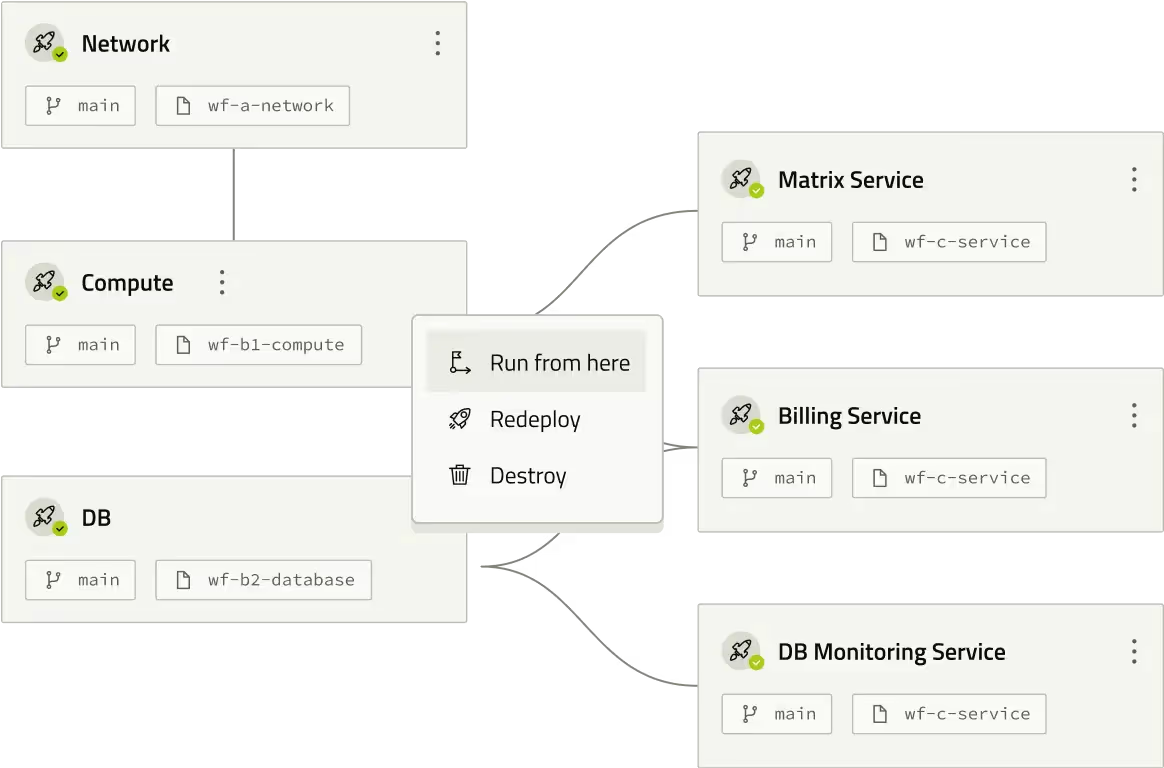
env zero helps platform teams establish and manage clear ownership across deployment workflows.
By integrating role-based access control (RBAC) and Policy-as-Code, env zero ensures that responsibilities are clearly defined and enforced throughout the deployment lifecycle.
With env0, teams can assign ownership for approvals, infrastructure templates, and deployment actions, ensuring accountability at every stage.
It also provides visibility into who initiated, approved, and executed changes, improving transparency and collaboration.
By combining automation with governance, env zero enables organizations to scale infrastructure while maintaining clear ownership and control.
Conclusion
Ownership is a critical factor in successful infrastructure delivery. Without clearly defined responsibilities, deployment workflows become inefficient, risky, and difficult to scale.
By avoiding common ownership mistakes and implementing structured ownership models, platform teams can improve reliability, reduce delays, and maintain governance across environments.
With tools like env0, organizations can enforce ownership while enabling faster, more efficient deployments.
Struggling with unclear ownership in your deployment workflows?
env0 helps you define roles, enforce policies, and maintain accountability across your infrastructure. Build scalable, governed deployments with confidence.
FAQs
What is deployment ownership?
Deployment ownership refers to defining clear responsibilities for each stage of the deployment lifecycle, including provisioning, approvals, monitoring, and incident response. It ensures that every action has an accountable owner, improving efficiency and reliability.
Why is ownership important in deployment teams?
Ownership is important because it ensures accountability, reduces confusion, and enables faster decision-making. Without clear ownership, deployments can become delayed, inconsistent, and prone to errors.
What happens when ownership is unclear?
When ownership is unclear, teams experience delays, miscommunication, and increased risk. Tasks may be duplicated or missed entirely, leading to deployment failures and operational inefficiencies.
How can teams balance ownership and autonomy?
Teams can balance ownership and autonomy by enabling self-service infrastructure while enforcing governance through policies and approval workflows. This allows developers to move quickly while maintaining control.
How does env zero help manage deployment ownership?
env zero helps manage deployment ownership by enforcing role-based access control, defining approval responsibilities, and providing visibility into deployment actions. This ensures accountability and consistency across teams.
What are common ownership mistakes in deployment workflows?
Common mistakes include unclear responsibility boundaries, over-centralized control, lack of approval ownership, poor communication, and ignoring ownership in automation.
How can organizations improve deployment ownership?
Organizations can improve ownership by defining clear roles, standardizing workflows, integrating ownership into automation, and improving collaboration between teams.
Related Content
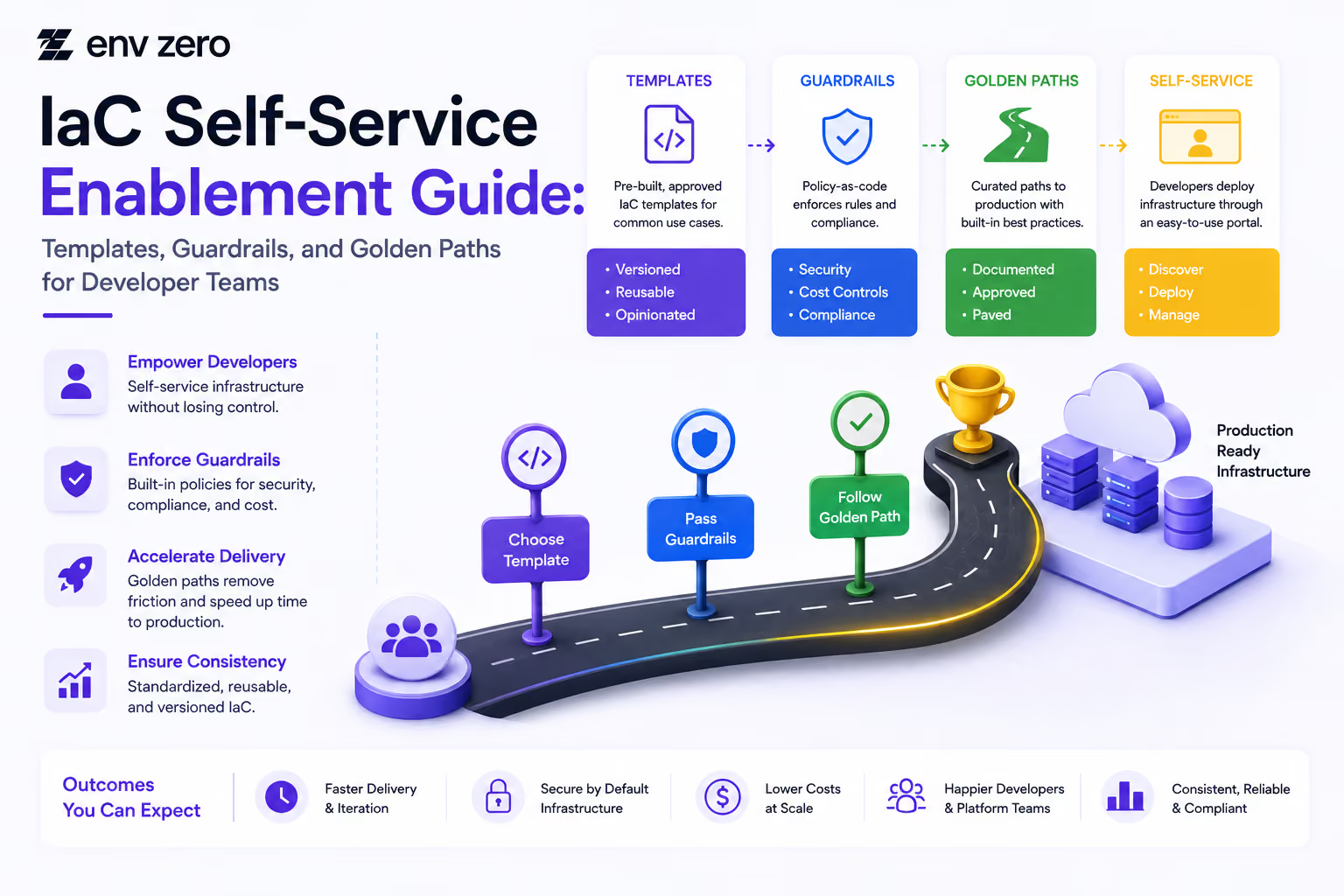
IaC Self-Service Enablement Guide: Templates, Guardrails, and Golden Paths for Developer Teams
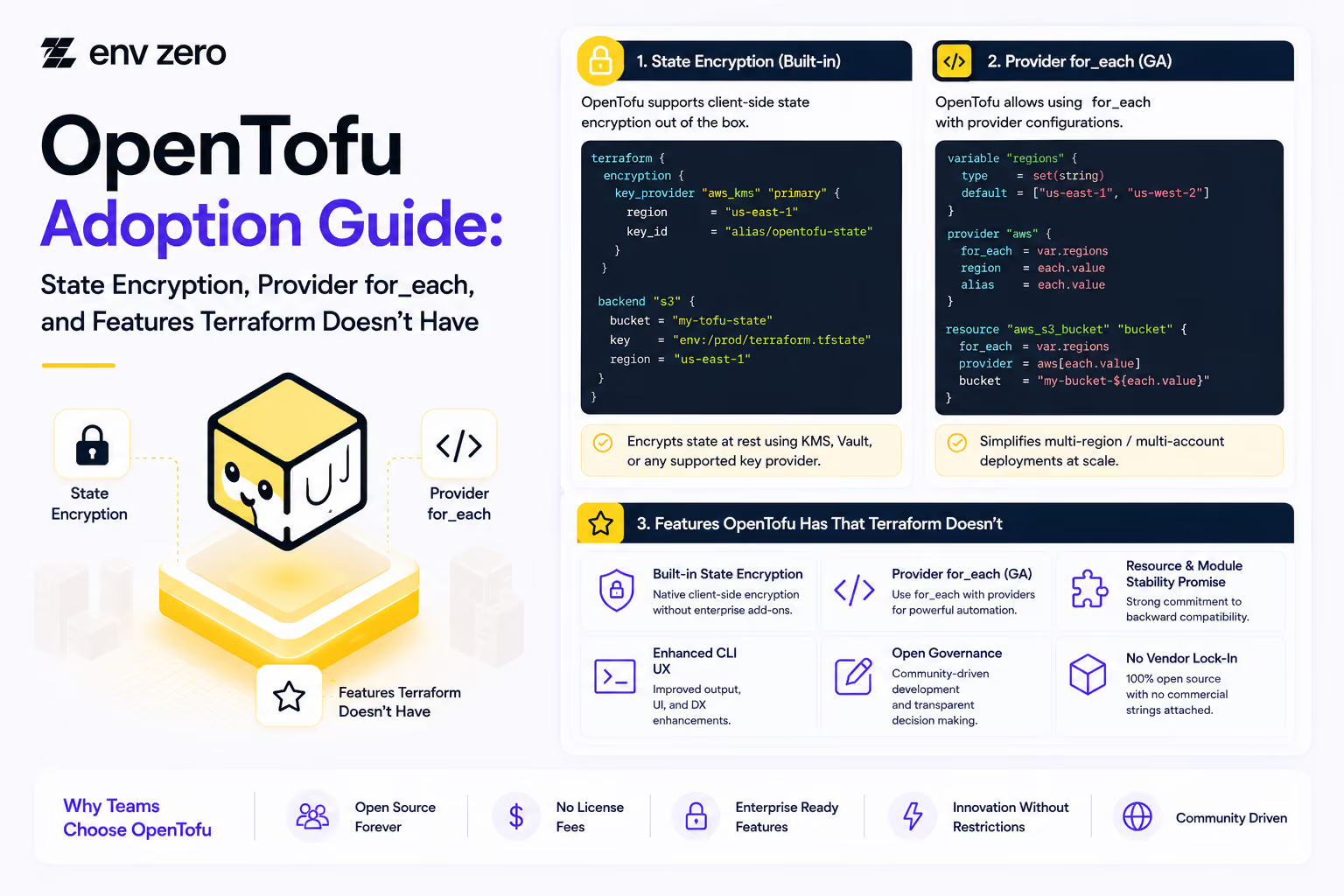
OpenTofu Adoption Guide: State Encryption, Provider for_each, and Features Terraform Doesn't Have
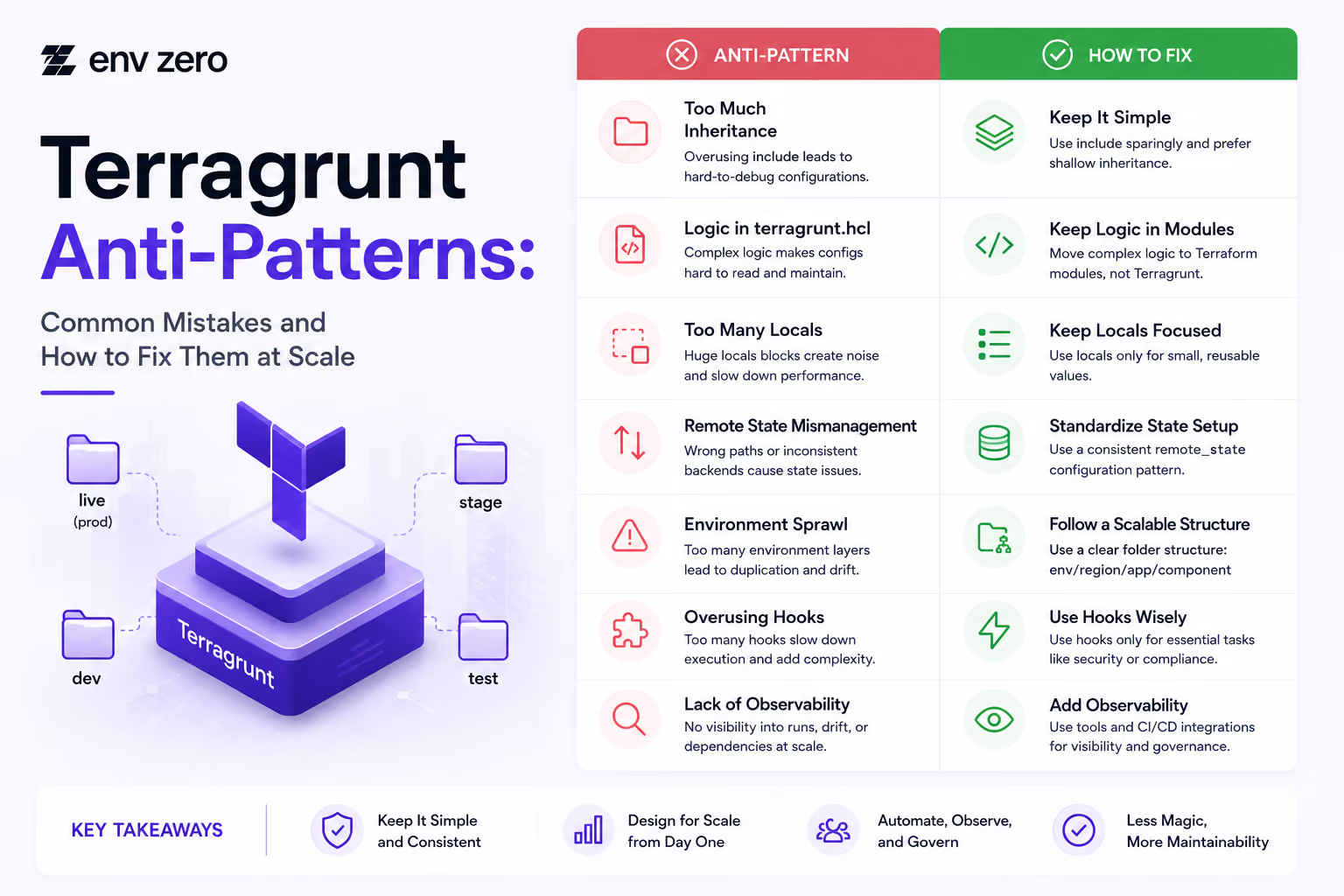
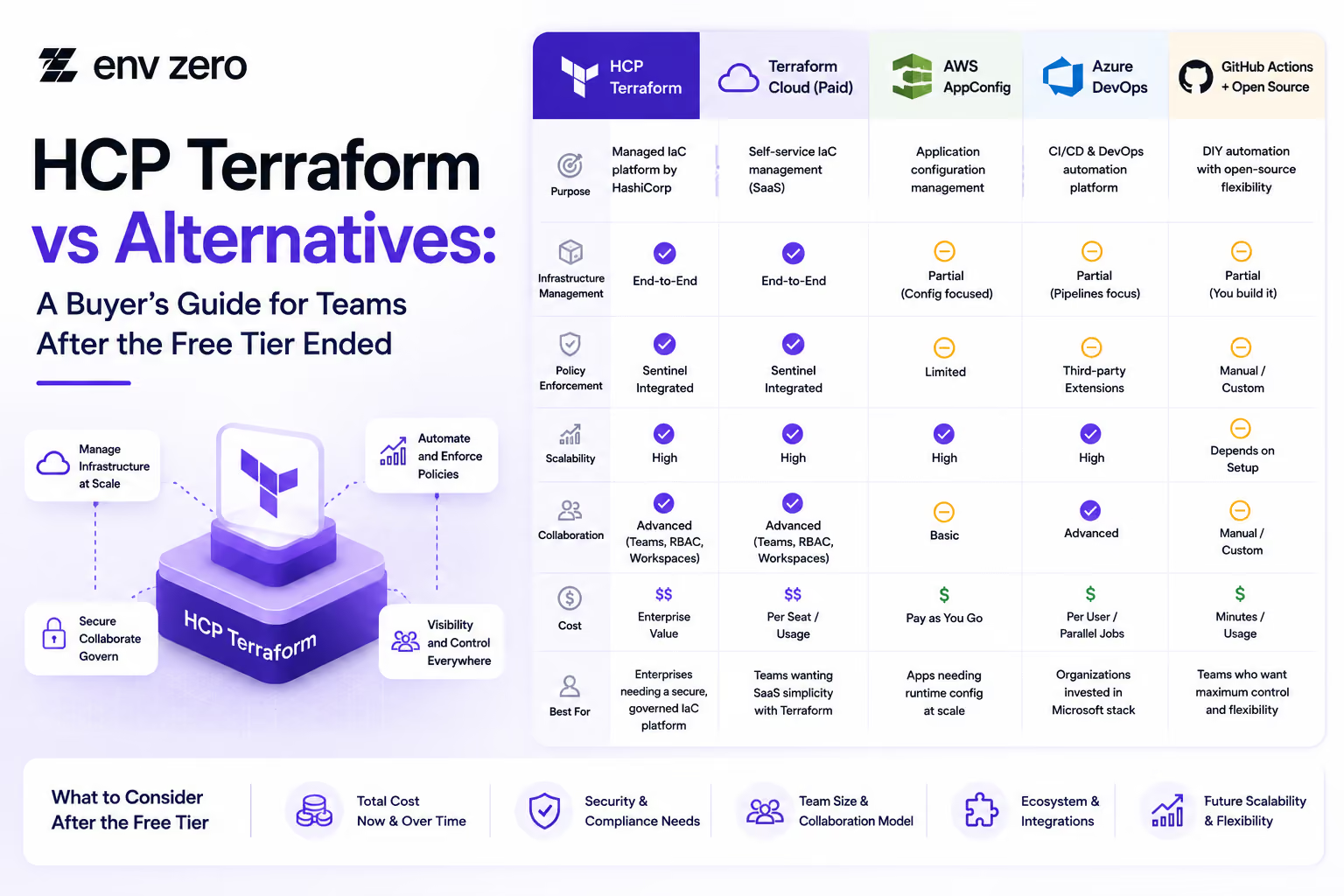

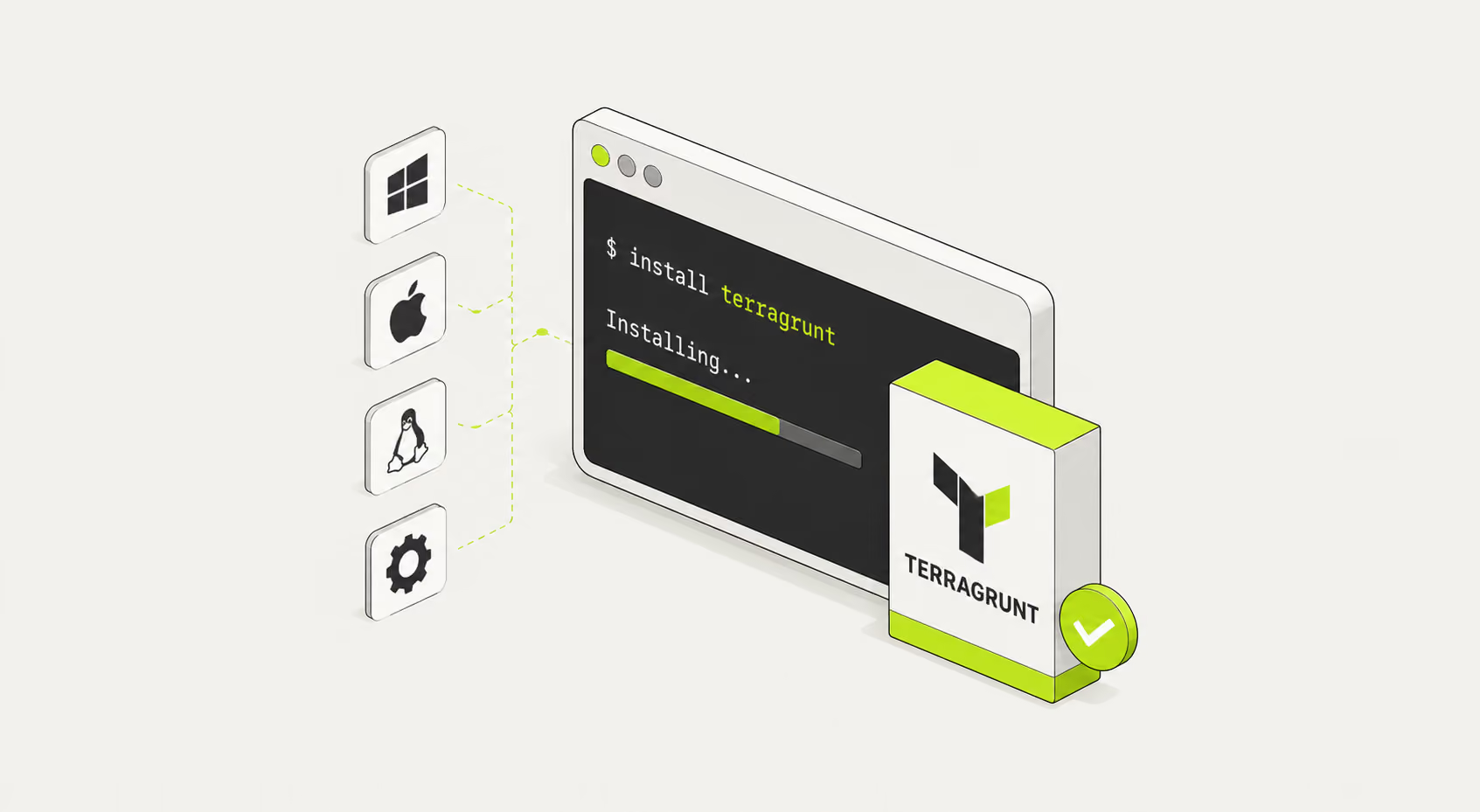
How to Install Terragrunt and Set Up Your First Multi-Environment Project (2026 Edition)
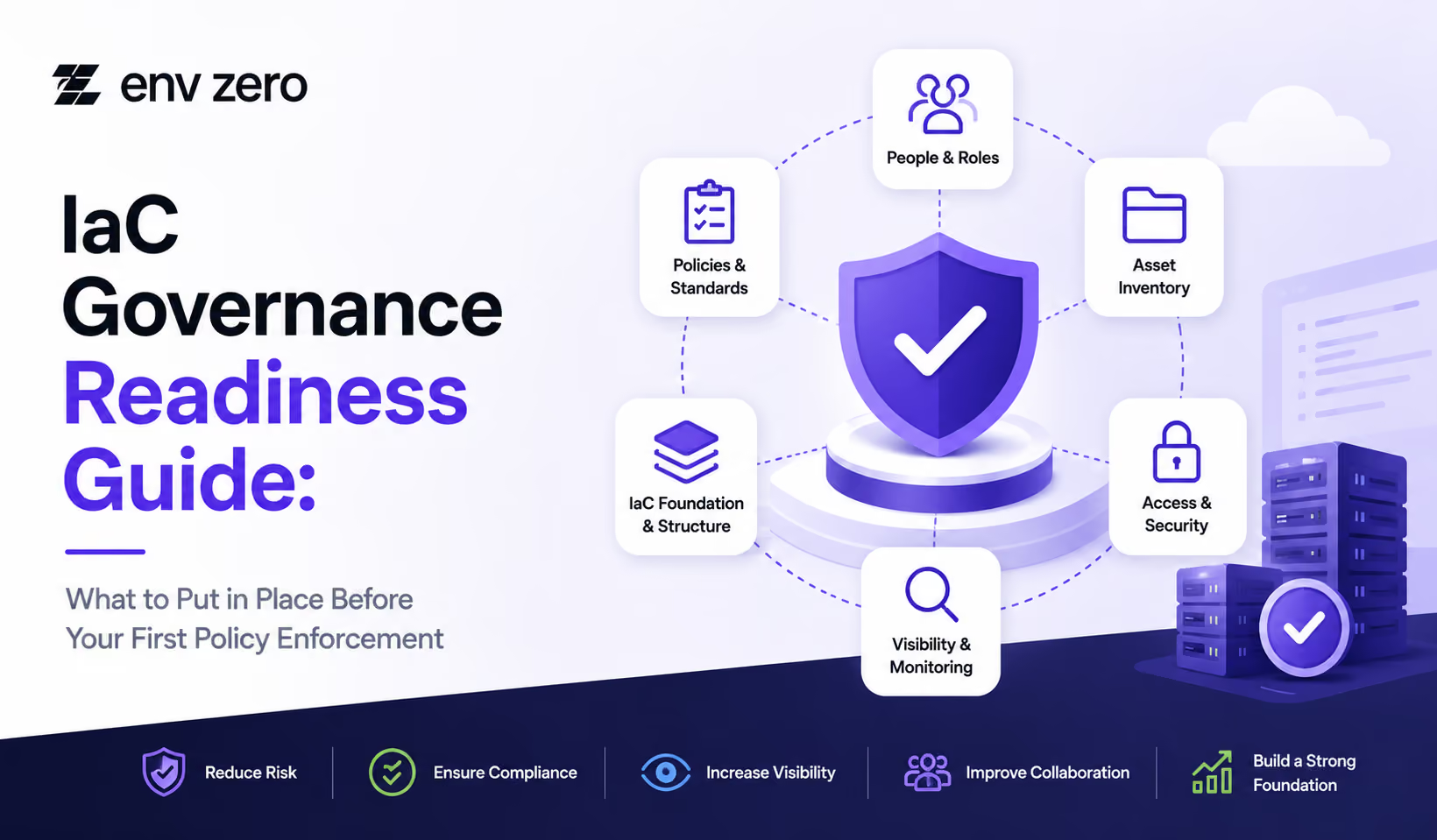
IaC Governance Readiness Guide: What to Put in Place Before Your First Policy Enforcement
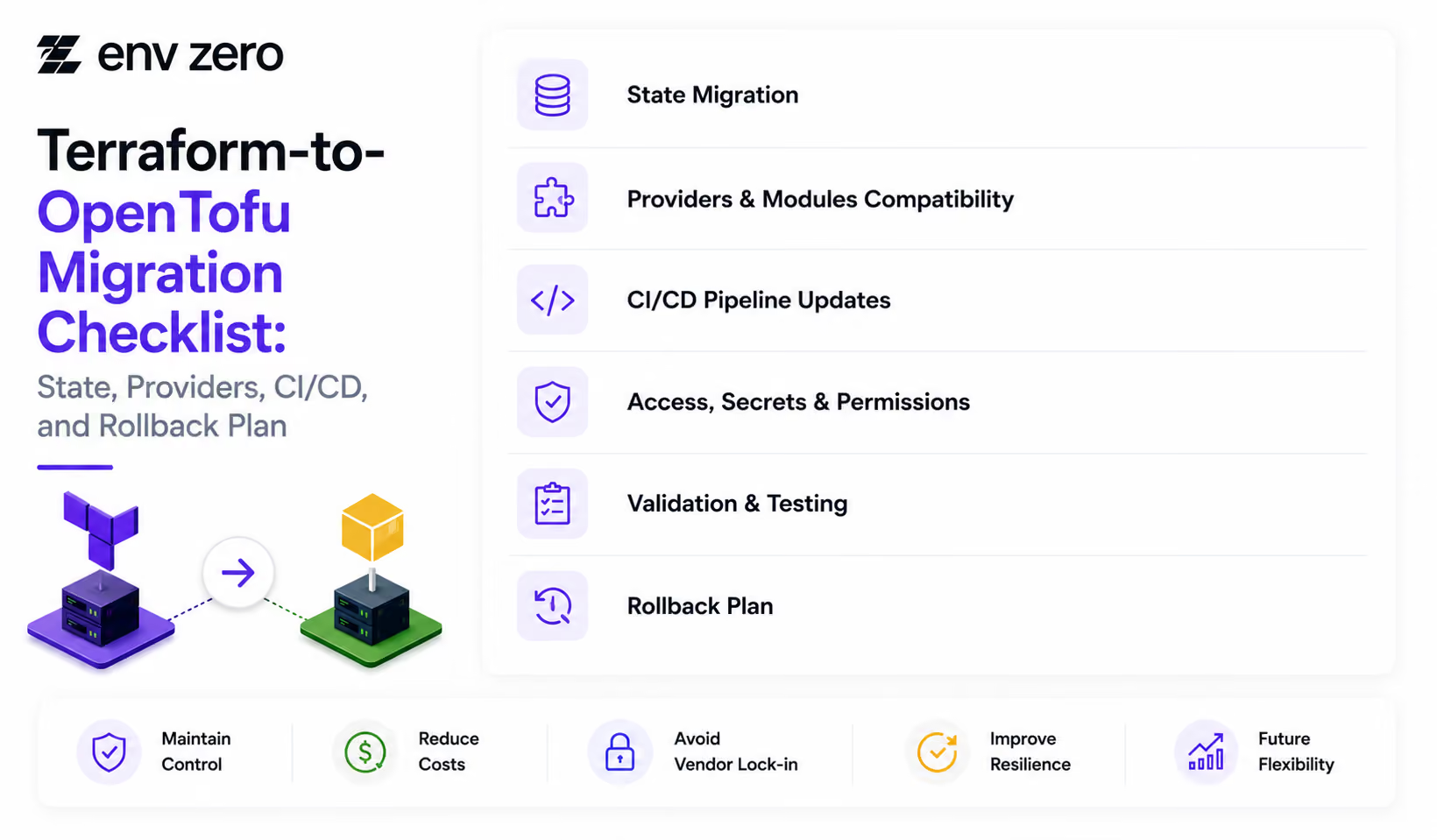
Terraform-to-OpenTofu Migration Checklist: State, Providers, CI/CD, and Rollback Plan
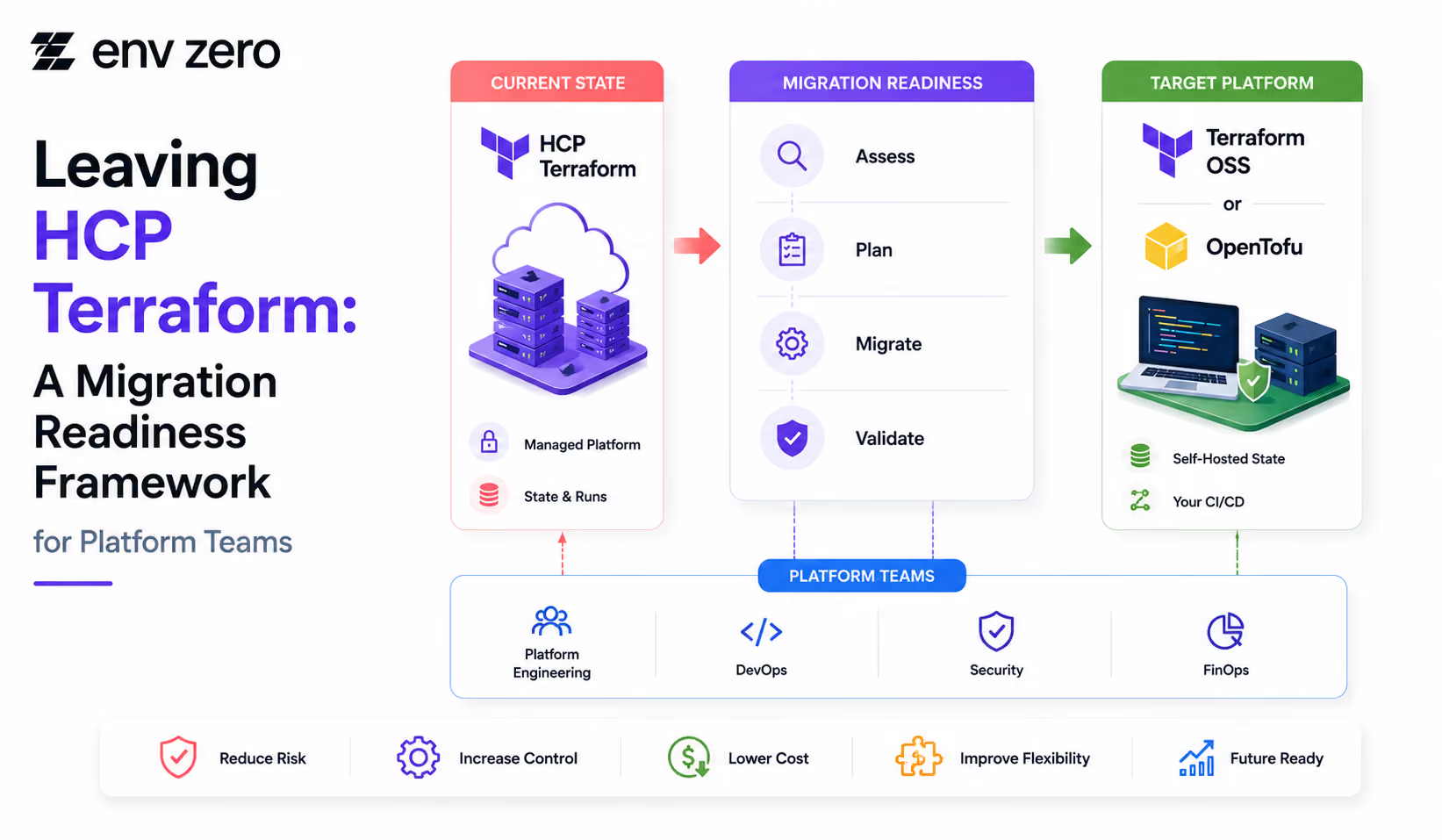
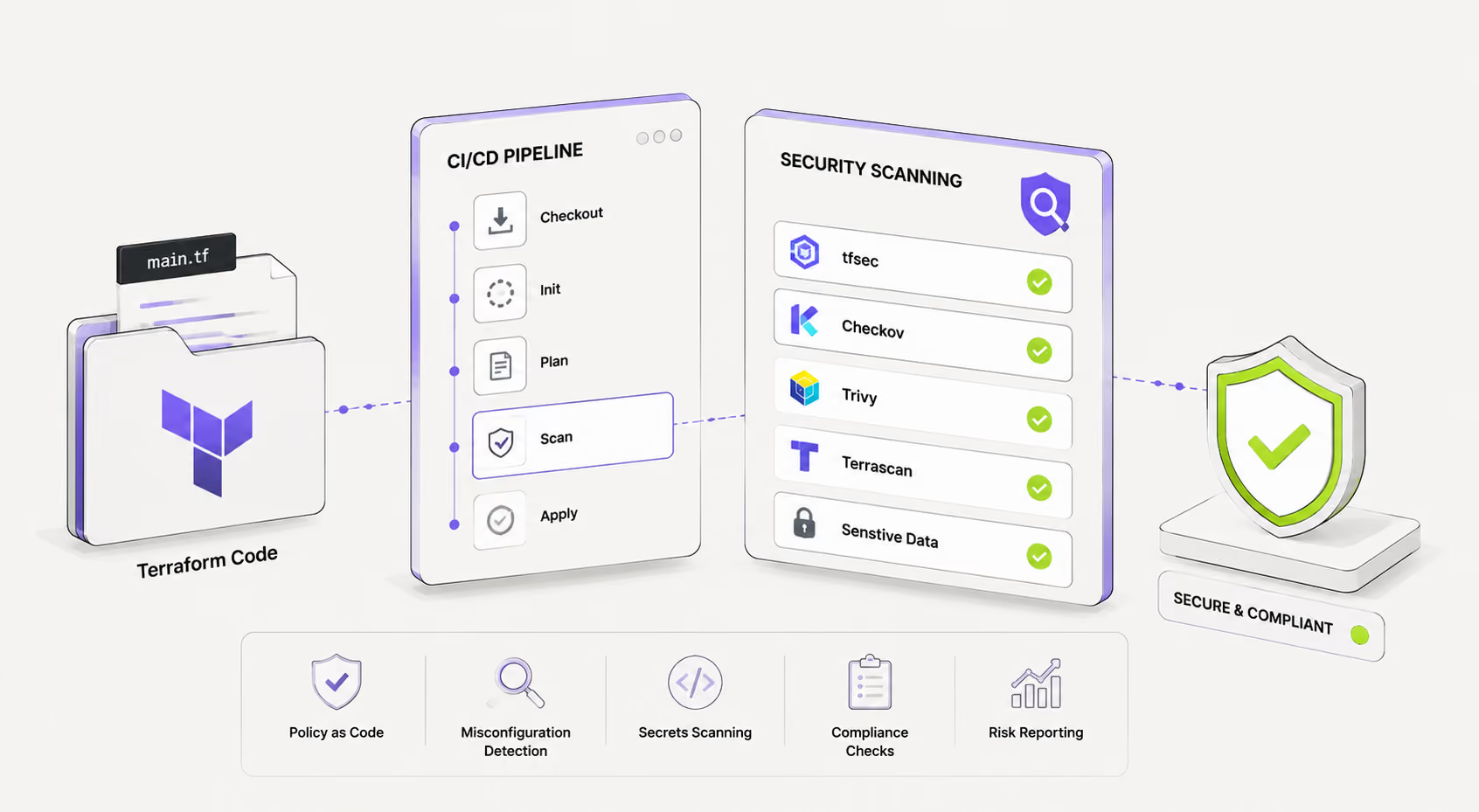









Audit Trail Setup Guide: Maintaining Compliance and Security Across Your Infrastructure


Pipeline Visibility Checklist: Ensuring Full Transparency Across Deployment Workflows

Rollback Readiness Checklist: Ensuring Fast and Reliable Recovery Across Environments
Deployment Automation Checklist: Ensuring Consistent and Reliable Infrastructure Delivery