.svg)

Releasing infrastructure or applications in an enterprise environment is significantly more complex than in smaller systems.
With multiple teams, environments, dependencies, and compliance requirements, even a small oversight can lead to failures, downtime, or security risks.
An enterprise release readiness process ensures that every deployment is validated, approved, and prepared before it reaches production.
It helps platform teams maintain control, reduce risk, and deliver reliable releases at scale without slowing down development.
What Is Enterprise Release Readiness?
Enterprise release readiness refers to the process of verifying that all technical, operational, and governance requirements are met before a deployment is executed.
It ensures that infrastructure changes are tested, compliant, secure, and aligned with organizational standards.
This process acts as a final validation layer within the deployment lifecycle, confirming that everything is in place for a successful release.
Why Release Readiness Matters in Enterprise Environments
As infrastructure scales, the impact of deployment failures increases.
A single misconfiguration can affect multiple services, teams, or customers.
Release readiness ensures that risks are minimized before deployment, rather than addressed after failure.
Implementing robust cloud governance & risk management solutions helps enforce compliance, reduce operational risk, and maintain consistent infrastructure standards across environments.
It improves deployment reliability, strengthens governance, and ensures that releases meet security and compliance requirements.
It also helps teams maintain confidence in automated workflows by validating that every release is production-ready.
Key Areas of Enterprise Release Readiness
Validation of Infrastructure and Configuration
Before deployment, all infrastructure configurations must be validated to ensure they align with expected standards.
This includes verifying templates, dependencies, and environment-specific settings.
Ensuring consistency across environments reduces the risk of unexpected behavior in production.
Automated Testing and Quality Checks
Testing is a critical part of release readiness.
Every change should pass automated tests, including functional, integration, and security checks.
This ensures that the deployment is stable and that no issues are introduced into production.
Approval and Governance Checks
Enterprise releases often require approvals from different stakeholders, such as platform teams, security teams, or operations.
These approvals ensure that changes meet organizational standards and risk thresholds.
Automated approval workflows help streamline this process while maintaining governance.
Teams looking to fully automate the full deployment lifecycle with guardrails can embed approval workflows, policy checks, and validation steps directly into their pipelines to ensure every release is secure, compliant, and production-ready.
Dependency and Impact Awareness
Large-scale environments often involve multiple interconnected services.
Understanding dependencies is essential to ensure that changes do not negatively impact other systems.
Release readiness includes validating dependencies and assessing the potential impact of changes before deployment.
Rollback and Recovery Preparedness
Even with proper validation, failures can occur. Being prepared for rollback is a key part of release readiness.
Teams must ensure that rollback mechanisms are in place and that infrastructure can quickly revert to a stable state if needed.
Monitoring and Observability Readiness
Before deployment, monitoring systems must be configured to track performance and detect issues in real time. This includes setting up alerts, logs, and dashboards.
Observability ensures that any problems after deployment can be identified and resolved quickly.
Security and Compliance Validation
Security and compliance checks must be enforced before every release.
This includes validating access controls, encryption settings, and adherence to regulatory requirements.
Automating these checks ensures that no non-compliant changes reach production.
Common Gaps in Release Readiness
Many organizations struggle with inconsistent release processes, lack of visibility, and incomplete validation steps.
These gaps often result in deployment failures, delayed releases, or compliance issues.
Common challenges include missing approvals, insufficient testing, unclear ownership, and lack of monitoring readiness.
Addressing these gaps requires a structured and automated approach to release readiness.
How env zero Supports Enterprise Release Readiness
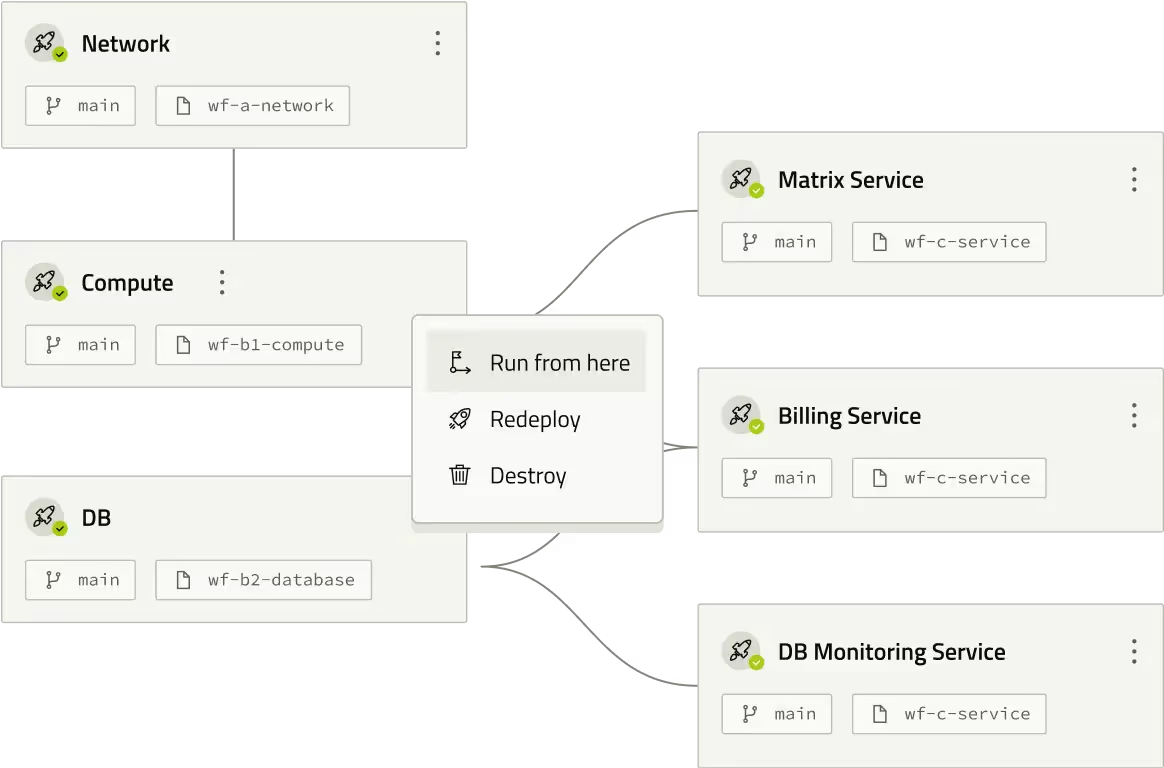
env zero helps platform teams implement structured release readiness processes by integrating governance, automation, and visibility into deployment workflows.
With env0, teams can enforce policy checks, automate approval workflows, and validate infrastructure using Infrastructure as Code (IaC).
This ensures that every deployment meets predefined standards before execution.
env zero also provides visibility into deployments, allowing teams to track readiness status, identify failed checks, and understand why a release is blocked.
By combining automation with governance, env zero ensures that releases are both fast and reliable.
Conclusion
Enterprise release readiness is essential for delivering reliable, secure, and scalable infrastructure.
Without a structured validation process, deployments become risky and unpredictable.
By implementing a comprehensive readiness approach, platform teams can reduce failures, improve consistency, and maintain control across environments.
With tools like env0, organizations can automate readiness checks and ensure that every release is truly production-ready.
Preparing for enterprise-scale releases doesn’t have to slow your teams down. env0 helps you automate validation, enforce policies, and streamline release readiness.
Build confident, production-ready deployments with ease.
FAQs
What is enterprise release readiness?
Enterprise release readiness is the process of validating that all infrastructure, testing, security, and approval requirements are met before deployment. It ensures that releases are stable, compliant, and ready for production environments.
Why is release readiness important in enterprise environments?
Release readiness is important because it reduces the risk of deployment failures, ensures compliance with organizational policies, and improves overall reliability. It helps teams catch issues before they impact production systems.
What are the key components of release readiness?
Key components include infrastructure validation, automated testing, approval workflows, dependency checks, rollback preparedness, monitoring setup, and security validation. Together, these ensure that deployments are safe and reliable.
How does release readiness improve deployment reliability?
Release readiness ensures that every change is tested, validated, and approved before deployment. This reduces the likelihood of errors, downtime, and performance issues in production environments.
What role does automation play in release readiness?
Automation plays a critical role by ensuring that validation, testing, and policy enforcement happen consistently across all deployments. It reduces manual effort and improves the speed, accuracy of release processes.
How does env zero support enterprise release readiness?
env zero supports release readiness by automating policy checks, approvals, and infrastructure validation. It provides visibility into deployment status and ensures that only compliant and validated changes are deployed.
What happens if a release is not ready?
If a release is not ready, it should be blocked from deployment until all validation checks are completed. This prevents faulty or non-compliant changes from reaching production and reduces operational risk.
How do you know if a release is production-ready?
A release is production-ready when all validations, tests, approvals, and policy checks are successfully completed without any failures.
Related Content
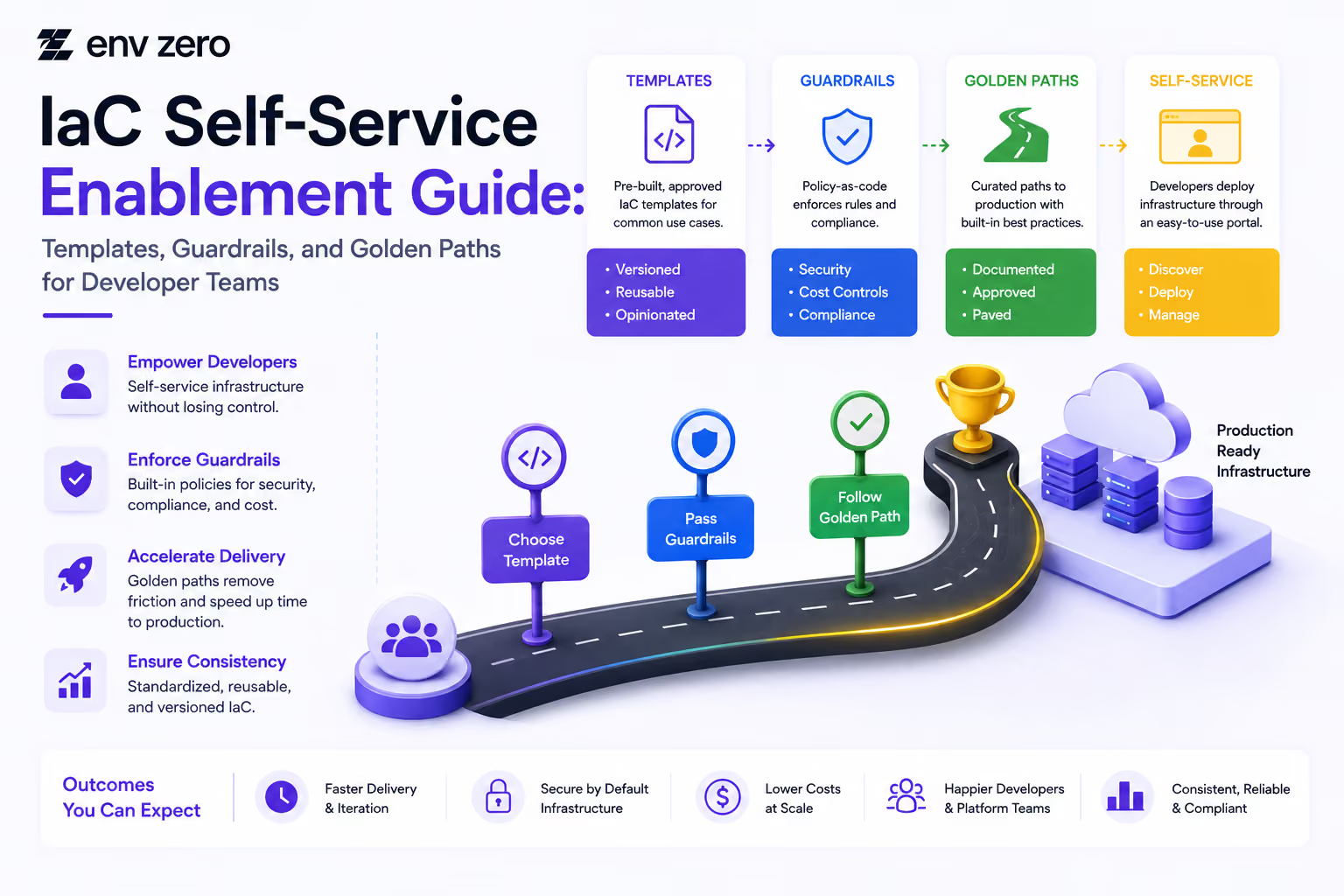
IaC Self-Service Enablement Guide: Templates, Guardrails, and Golden Paths for Developer Teams
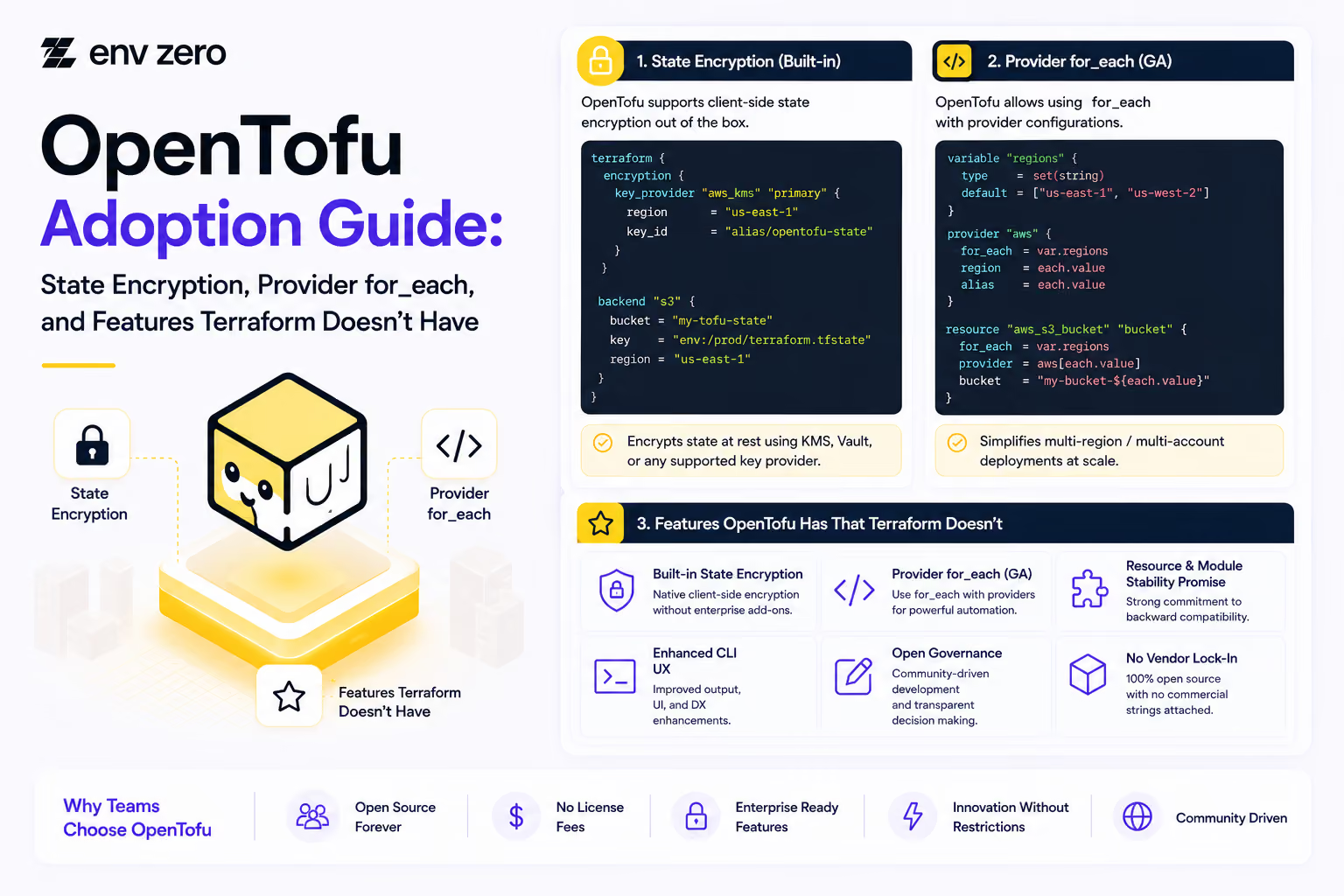
OpenTofu Adoption Guide: State Encryption, Provider for_each, and Features Terraform Doesn't Have
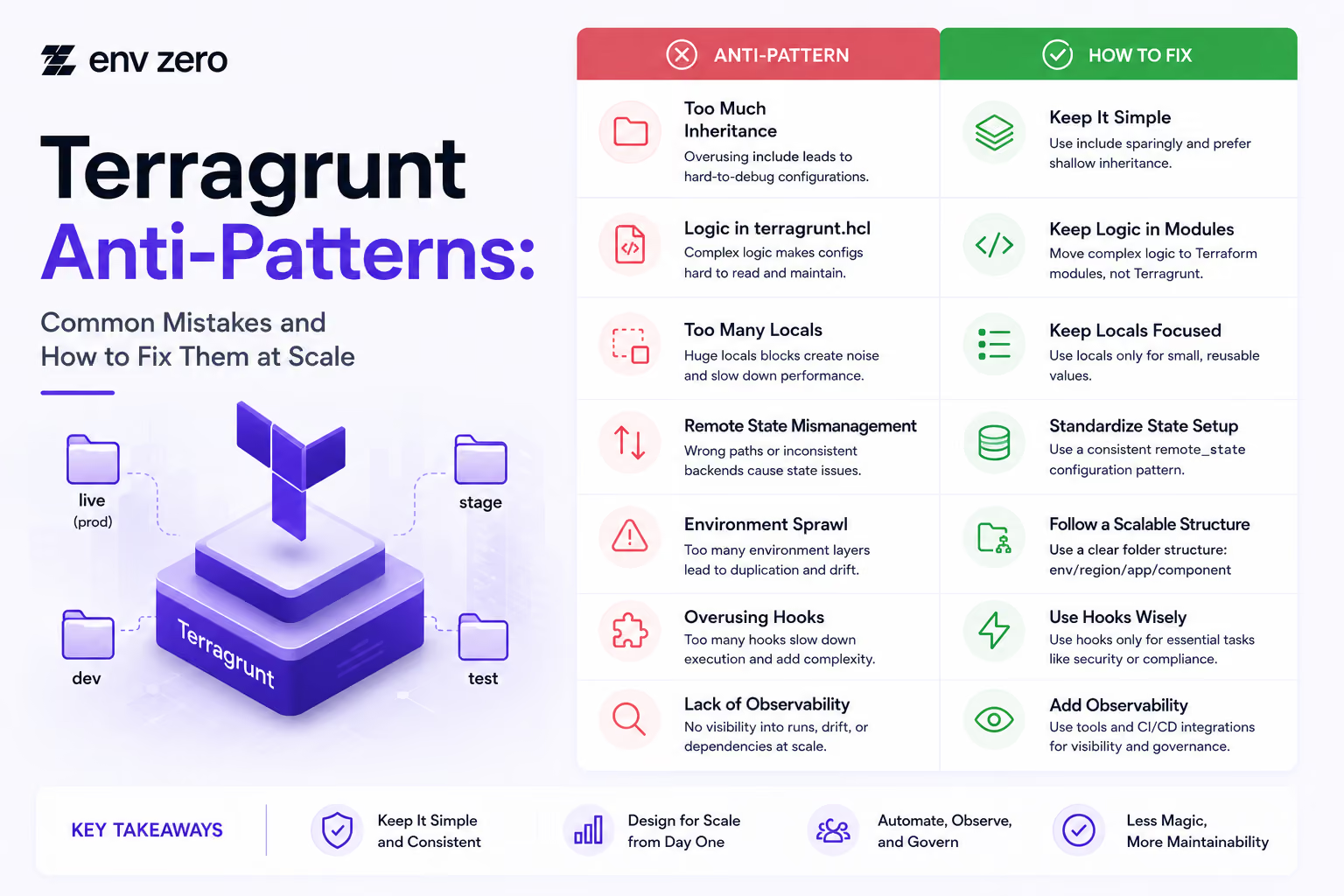
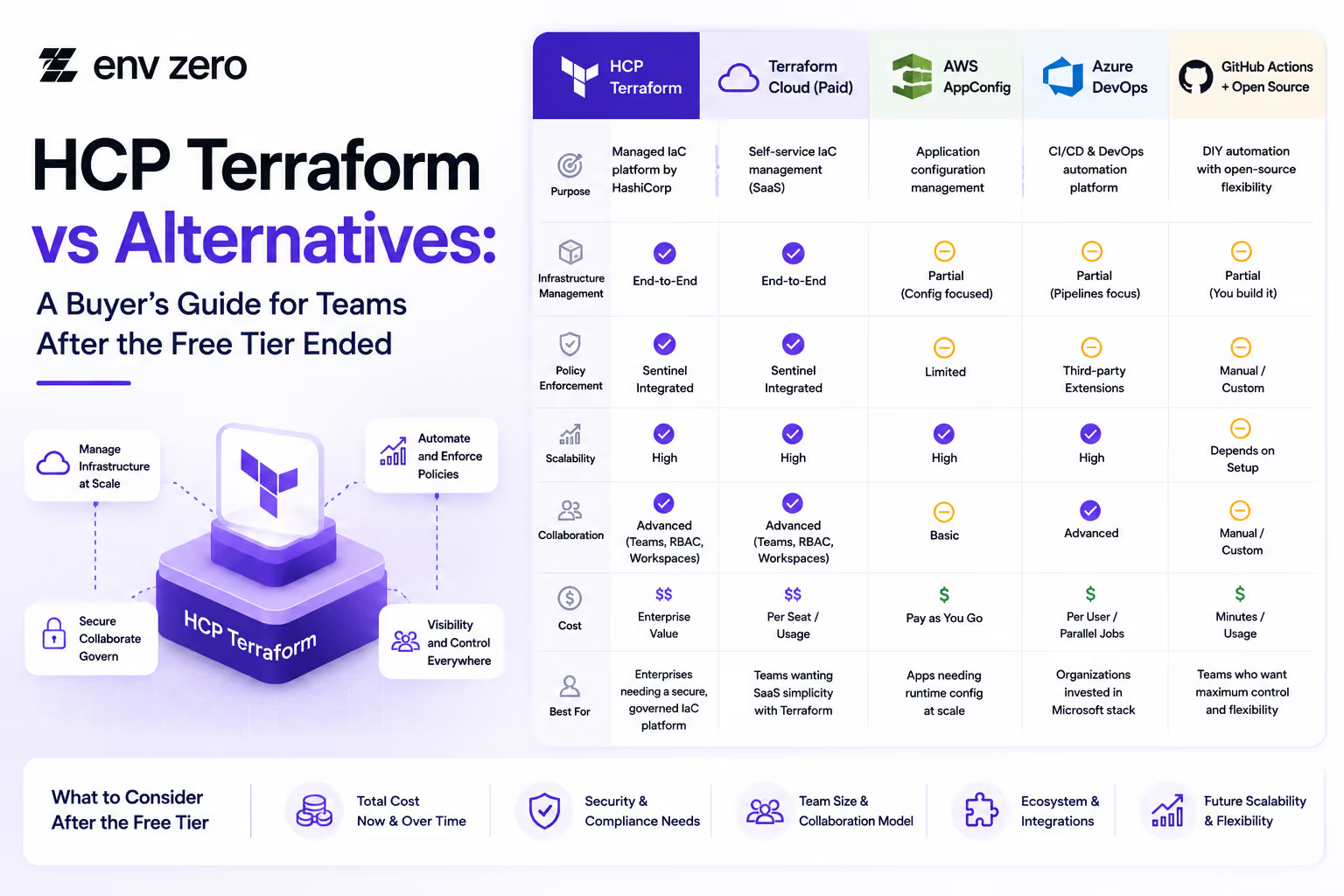

How to Install Terragrunt and Set Up Your First Multi-Environment Project (2026 Edition)
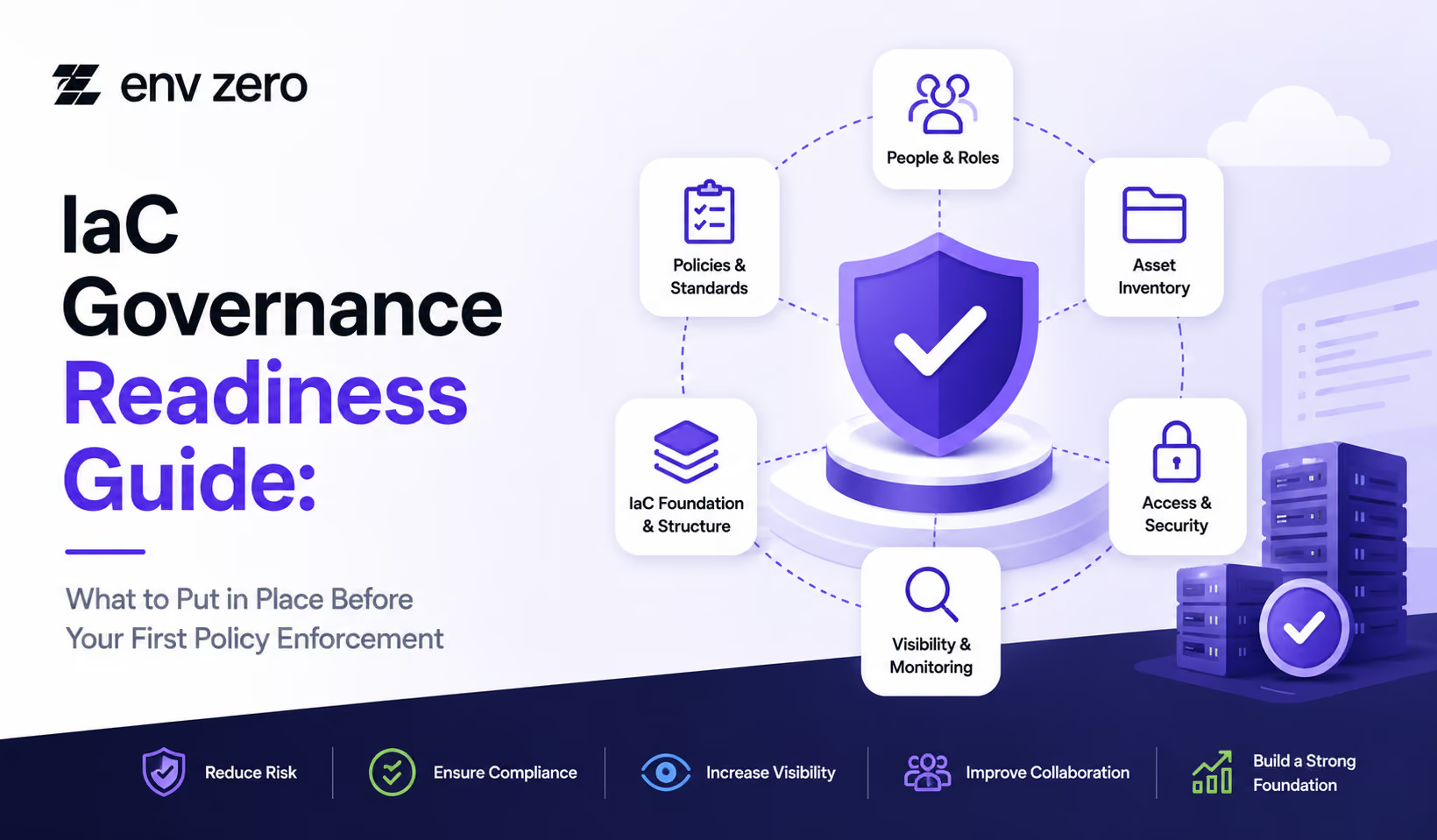
IaC Governance Readiness Guide: What to Put in Place Before Your First Policy Enforcement
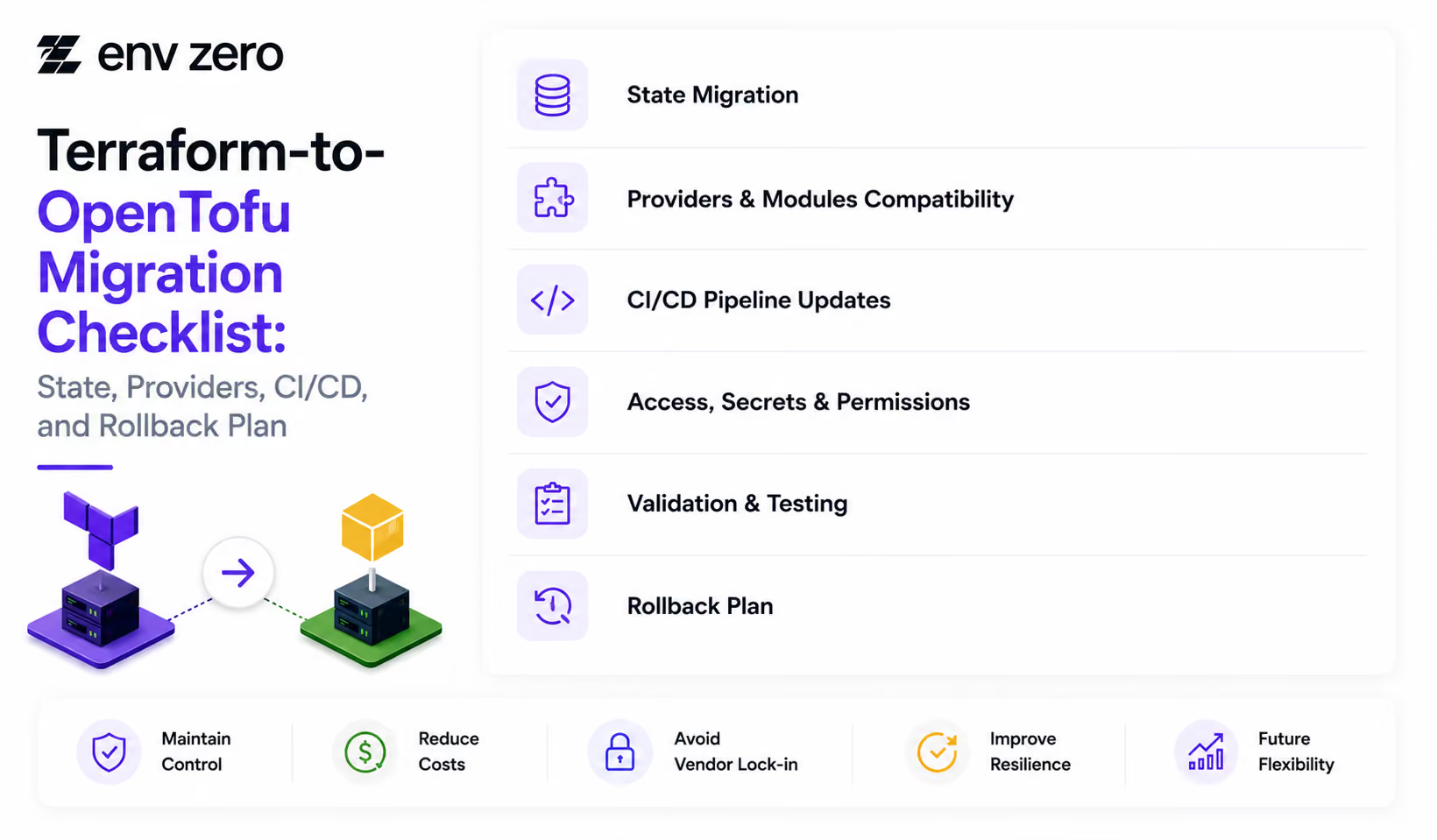
Terraform-to-OpenTofu Migration Checklist: State, Providers, CI/CD, and Rollback Plan










Audit Trail Setup Guide: Maintaining Compliance and Security Across Your Infrastructure


Pipeline Visibility Checklist: Ensuring Full Transparency Across Deployment Workflows

Rollback Readiness Checklist: Ensuring Fast and Reliable Recovery Across Environments

Deployment Automation Checklist: Ensuring Consistent and Reliable Infrastructure Delivery