.svg)


Introduction
Approval workflows are often seen as a necessary friction point in infrastructure management. Developers associate approvals with delays, bottlenecks, and dependency on platform teams. In many organizations, this perception is justified—manual approval processes slow down development and reduce productivity.
However, approvals themselves are not the problem. Poorly designed approval workflows are.
When implemented correctly, approval workflows can actually improve developer experience. They provide structure, clarity, and consistency while ensuring that governance is applied without unnecessary delays.
The key is not removing approvals, but redesigning them to work in harmony with self-service infrastructure and platform engineering principles.
Why Approval Workflows Often Hurt Developer Experience
In traditional environments, approval workflows are built around manual processes. Developers submit requests, wait for reviews, and depend on platform teams to move forward.
This creates several issues. The most obvious is delay. Waiting for approvals interrupts development flow and slows down delivery timelines.
There is also a lack of transparency. Developers may not know why a request is pending, who is responsible for approving it, or how long it will take. This uncertainty adds frustration and reduces trust in the system.
Inconsistent decision-making is another problem. Different reviewers may apply different standards, leading to unpredictable outcomes.
These issues collectively create a negative developer experience.
What Good Approval Workflows Look Like
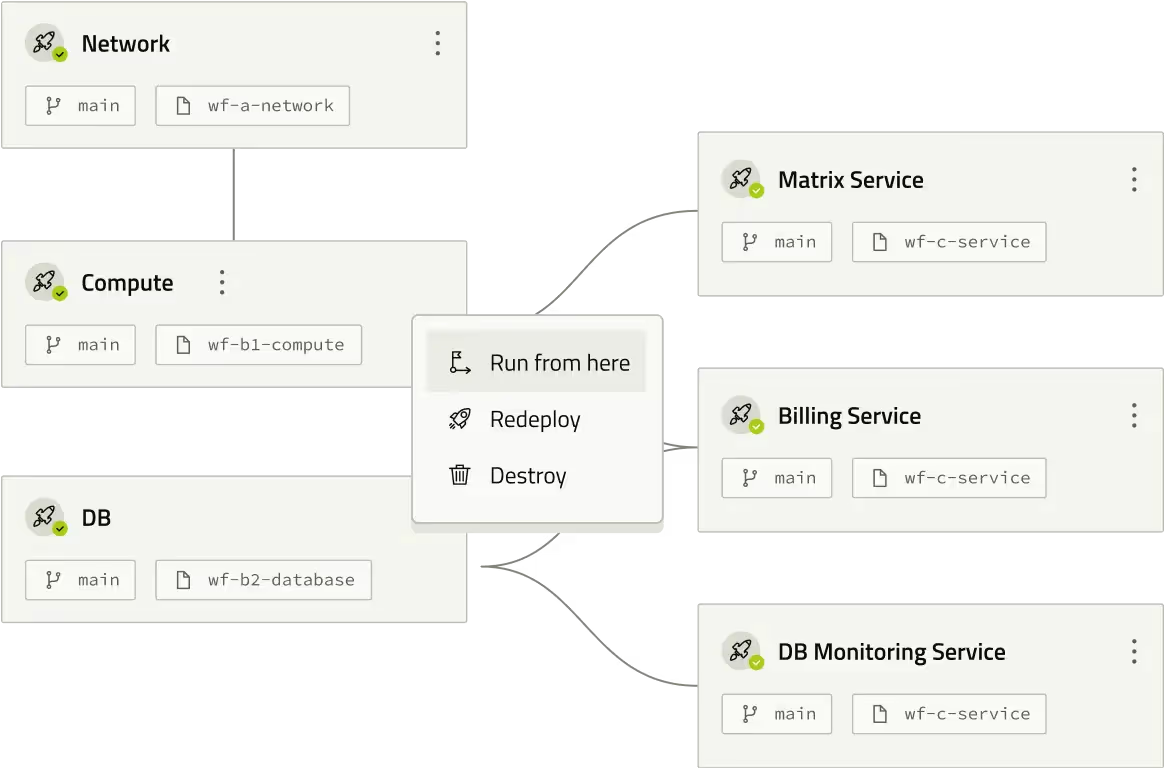
Effective approval workflows are designed to support both speed and governance. They are predictable, transparent, and integrated into the development process.
Instead of relying on manual reviews for every request, good workflows use policy-driven automation. Routine actions are approved automatically, while higher-risk actions are escalated when necessary.
Developers have visibility into the process. They can see the status of their requests, understand why approvals are required, and know what to expect.
Most importantly, approval workflows are embedded into infrastructure workflows rather than existing as a separate system. This ensures that approvals feel like a natural part of the process rather than an external barrier.
Reducing Friction Through Automation
Automation is the most important factor in improving approval workflows.
By automating routine approvals, organizations can eliminate unnecessary delays. Developers no longer need to wait for manual reviews for low-risk actions, allowing them to move quickly.
Automation also improves consistency. Decisions are based on predefined policies rather than individual judgment, ensuring that similar requests are treated the same way.
This reduces confusion and builds trust in the system.
Providing Clarity and Transparency
Transparency is critical for developer experience. Developers need to understand how approval workflows operate and what is expected of them.
Clear criteria for approvals help eliminate uncertainty. When developers know what triggers an approval or escalation, they can plan their work accordingly.
Visibility into workflow status is equally important. Real-time updates on request progress, approvals, and potential issues help developers stay informed and reduce frustration.
This clarity transforms approval workflows from a black box into a predictable system.
Balancing Speed with Governance
One of the biggest concerns with improving developer experience is the potential loss of control. Organizations often worry that making workflows faster will reduce governance.
In reality, well-designed approval workflows strengthen governance.
By using policy-driven rules, organizations can ensure that every request is evaluated consistently. High-risk actions are escalated, while low-risk actions are handled automatically.
This balance allows developers to move quickly without compromising security, compliance, or cost control.
Integrating Approval Workflows with Self-Service Infrastructure
Approval workflows are most effective when integrated with self-service infrastructure.
Developers should be able to request and provision resources through a single interface, with approvals applied automatically as part of the process.
This integration eliminates the need for separate approval systems and reduces friction. Developers interact with a unified workflow, making the process more intuitive and efficient.
It also ensures that governance is embedded into every action, rather than applied externally.
How Approval Workflows Improve Platform Adoption
Developer experience directly impacts platform adoption. If workflows are slow or difficult to use, developers will look for alternatives.
Improved approval workflows make the platform more attractive. Faster provisioning, clear processes, and predictable outcomes encourage developers to use the system consistently.
Higher adoption leads to greater standardization, better governance, and improved efficiency across the organization.
Avoiding Common Workflow Design Mistakes
Organizations often make the mistake of applying approvals too broadly. Requiring approval for every action reintroduces bottlenecks and reduces efficiency.
Another common issue is lack of communication. Without clear documentation and visibility, developers may not understand how workflows operate.
Overcomplicating workflows can also create problems. Complex approval processes are difficult to manage and can slow down operations.
Effective workflows are simple, targeted, and aligned with developer needs.
How env zero Enables Better Approval Workflows
Implementing effective approval workflows requires a platform that integrates automation, policy enforcement, and infrastructure orchestration.
env zero enables platform teams to define approval rules using policy-as-code, automate routine decisions, and integrate approvals directly into infrastructure workflows.
This allows organizations to create workflows that are both efficient and governed. Developers can move quickly, while platform teams maintain control and visibility.
Conclusion
Approval workflows do not have to be a barrier to developer productivity. When designed correctly, they can enhance developer experience while maintaining governance.
By automating routine approvals, providing transparency, and integrating workflows into self-service systems, organizations can create a balanced approach that supports both speed and control.
This shift transforms approvals from a bottleneck into an enabler of efficient and scalable platform engineering.
If your approval workflows are slowing down your teams, it’s time to rethink your approach. With env0, you can automate approvals, improve developer experience, and maintain full control over your infrastructure.
FAQs
How do approval workflows impact developer experience?
Approval workflows impact developer experience by influencing how quickly and efficiently developers can provision infrastructure. Well-designed workflows reduce delays and improve clarity.
Can approval workflows be automated?
Yes, many approval workflows can be automated using policy-driven rules. Routine actions are handled automatically, while high-risk actions are escalated for review.
Why are manual approvals inefficient?
Manual approvals introduce delays, inconsistency, and dependency on platform teams, making them difficult to scale in modern environments.
What makes a good approval workflow?
A good workflow is automated, transparent, predictable, and integrated into infrastructure processes, ensuring both efficiency and governance.
How do approval workflows support governance?
They ensure that all infrastructure actions are evaluated against predefined policies, maintaining compliance and reducing risk.
What role does transparency play in workflows?
Transparency helps developers understand the process, track request status, and build trust in the system.
How do workflows affect platform adoption?
Efficient workflows encourage developers to use the platform consistently, improving adoption and standardization.
Can approval workflows reduce bottlenecks?
Yes, by automating routine approvals and limiting manual reviews to high-risk actions, workflows can significantly reduce bottlenecks.
How do approval workflows integrate with self-service infrastructure?
They are embedded into provisioning workflows, ensuring that approvals happen automatically as part of the process.
How does env zero improve approval workflows?
env zero provides automation, policy enforcement, and workflow integration, enabling scalable and efficient approval processes.
Related Content
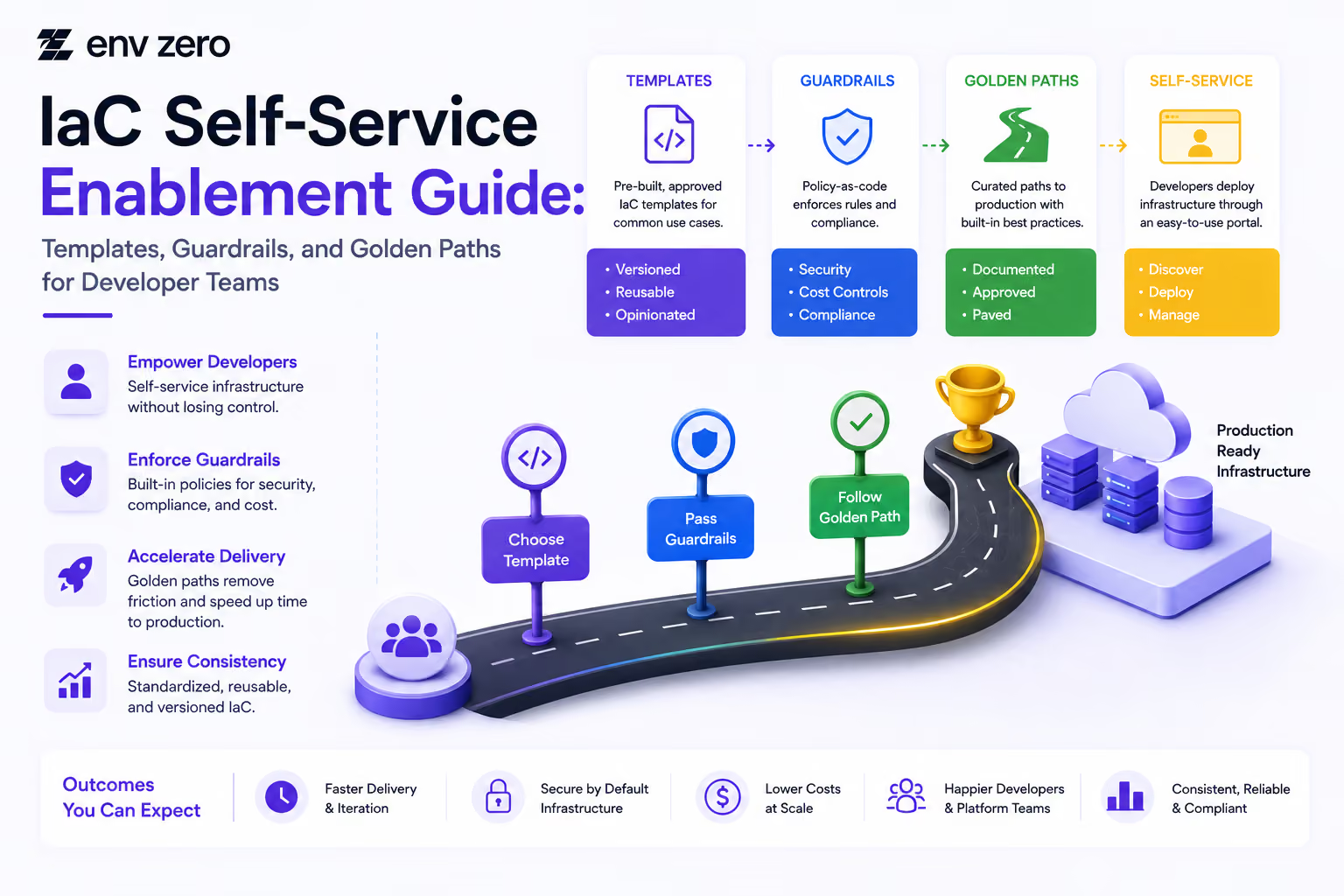
IaC Self-Service Enablement Guide: Templates, Guardrails, and Golden Paths for Developer Teams
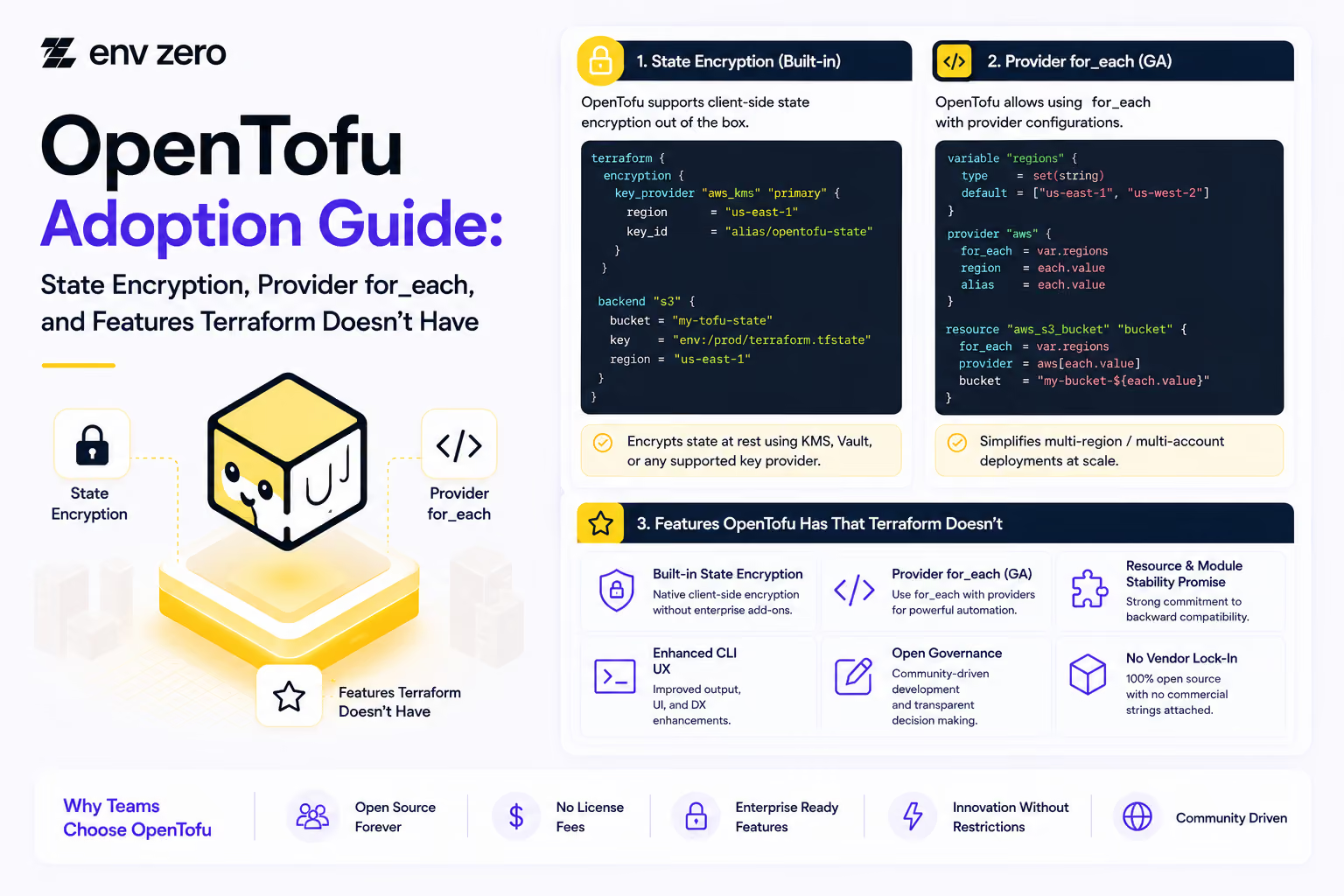
OpenTofu Adoption Guide: State Encryption, Provider for_each, and Features Terraform Doesn't Have
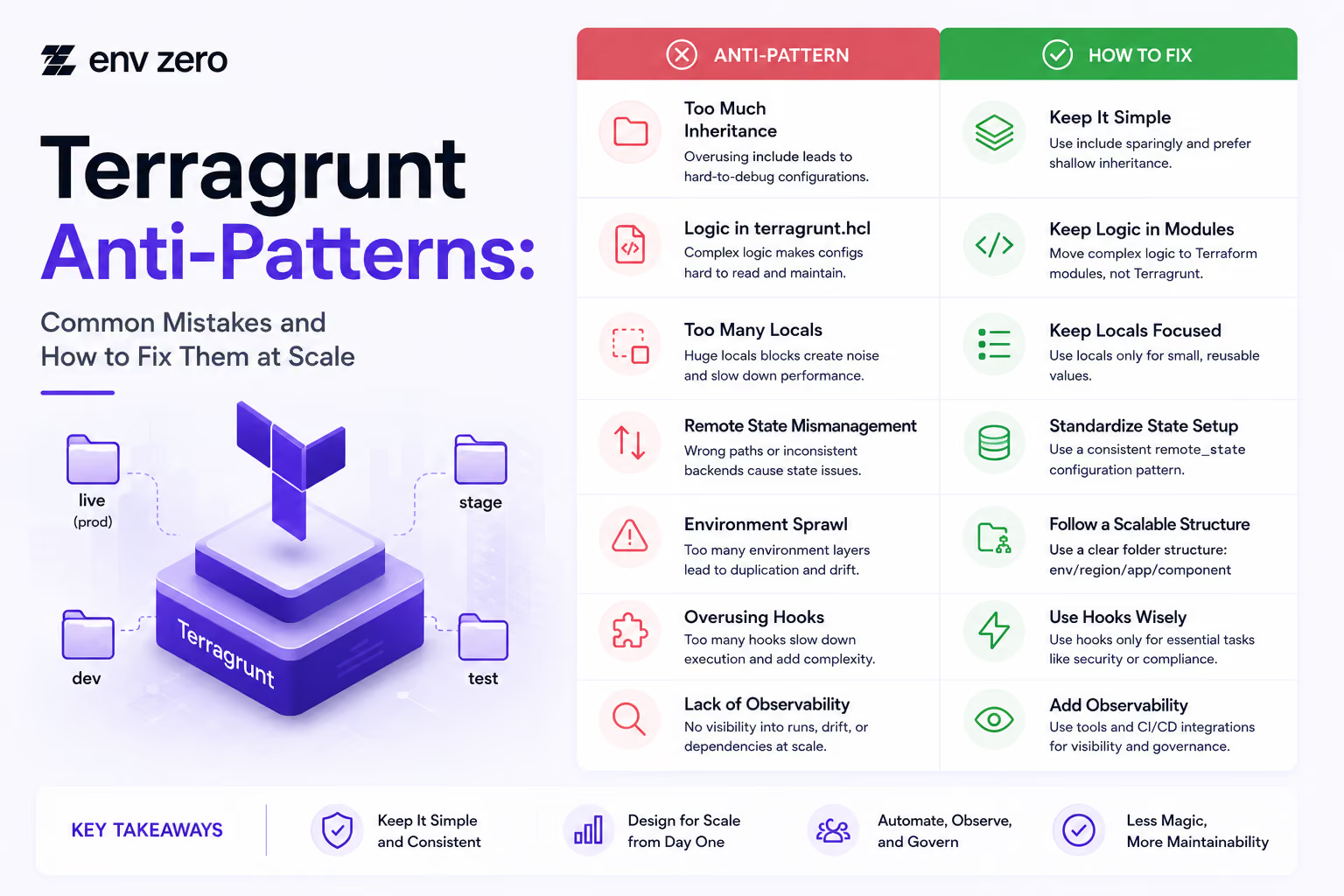
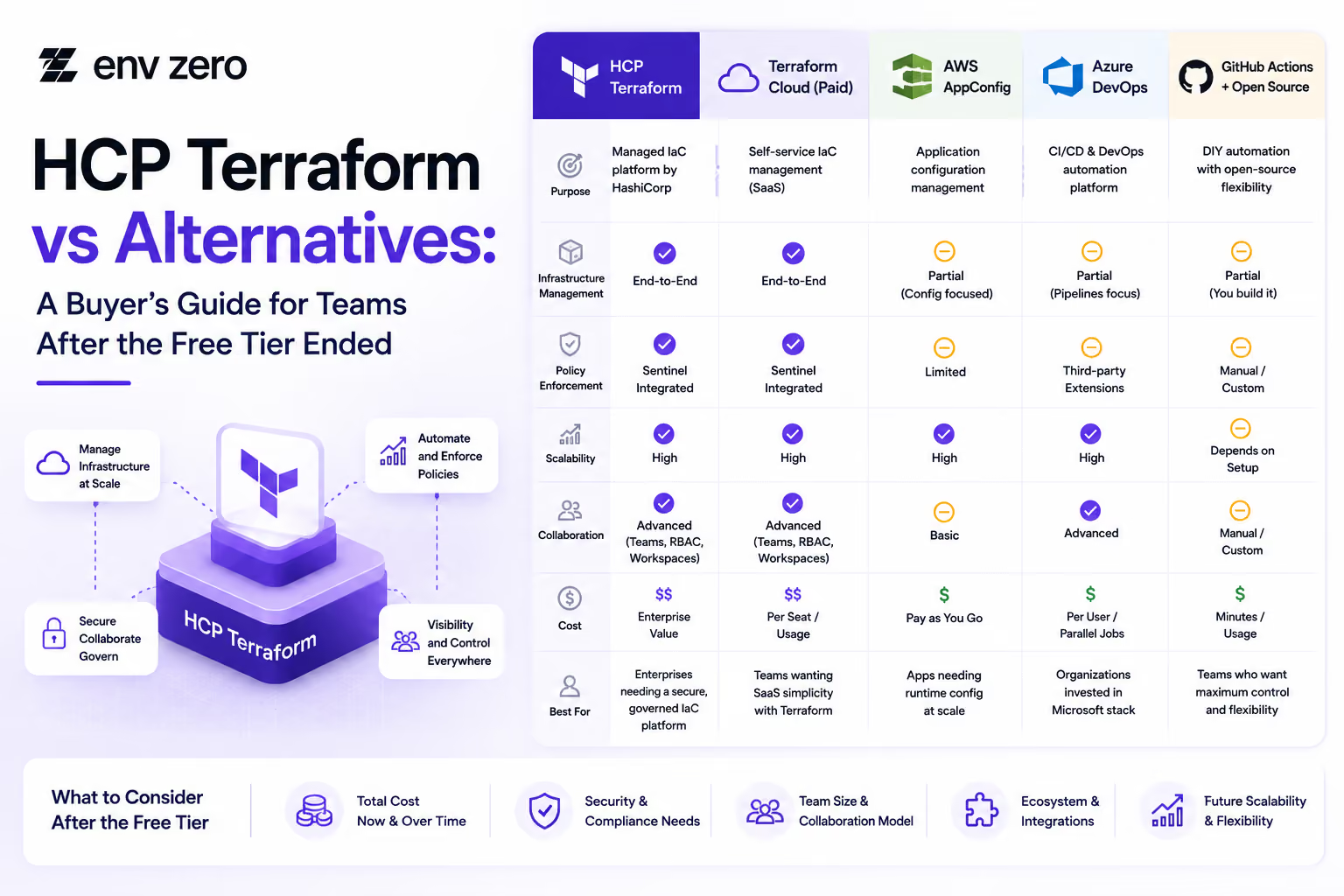

How to Install Terragrunt and Set Up Your First Multi-Environment Project (2026 Edition)
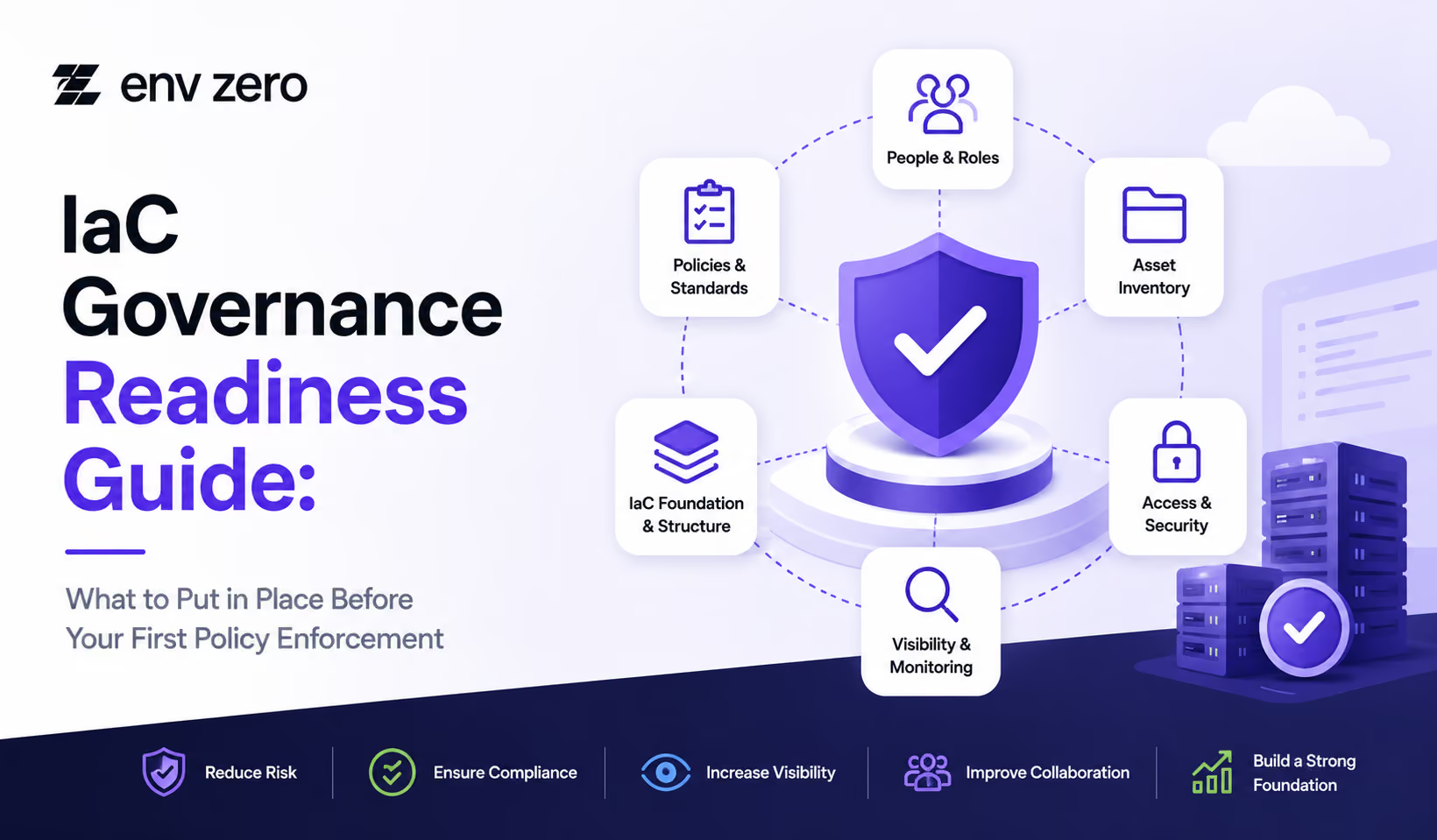
IaC Governance Readiness Guide: What to Put in Place Before Your First Policy Enforcement
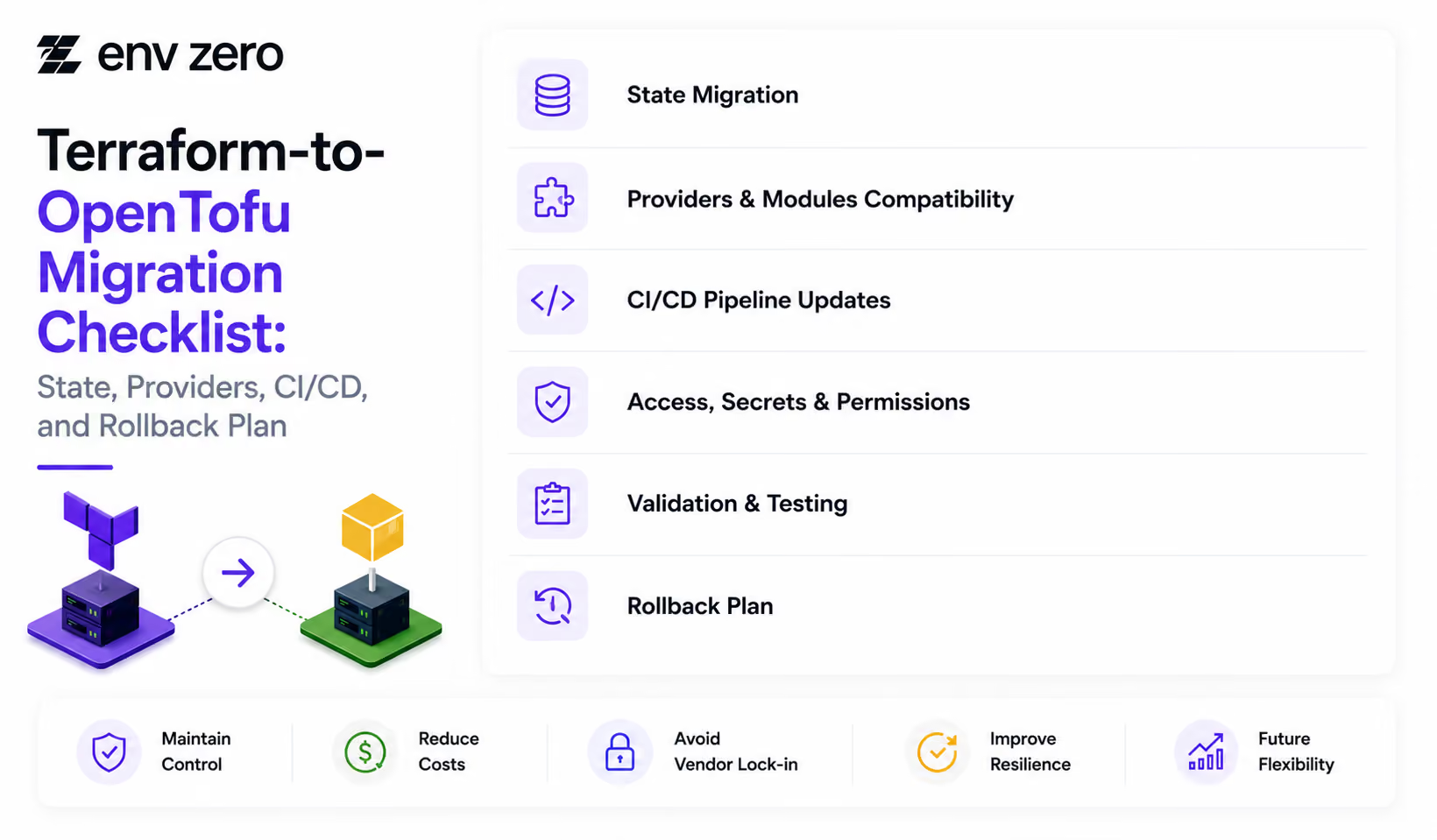
Terraform-to-OpenTofu Migration Checklist: State, Providers, CI/CD, and Rollback Plan
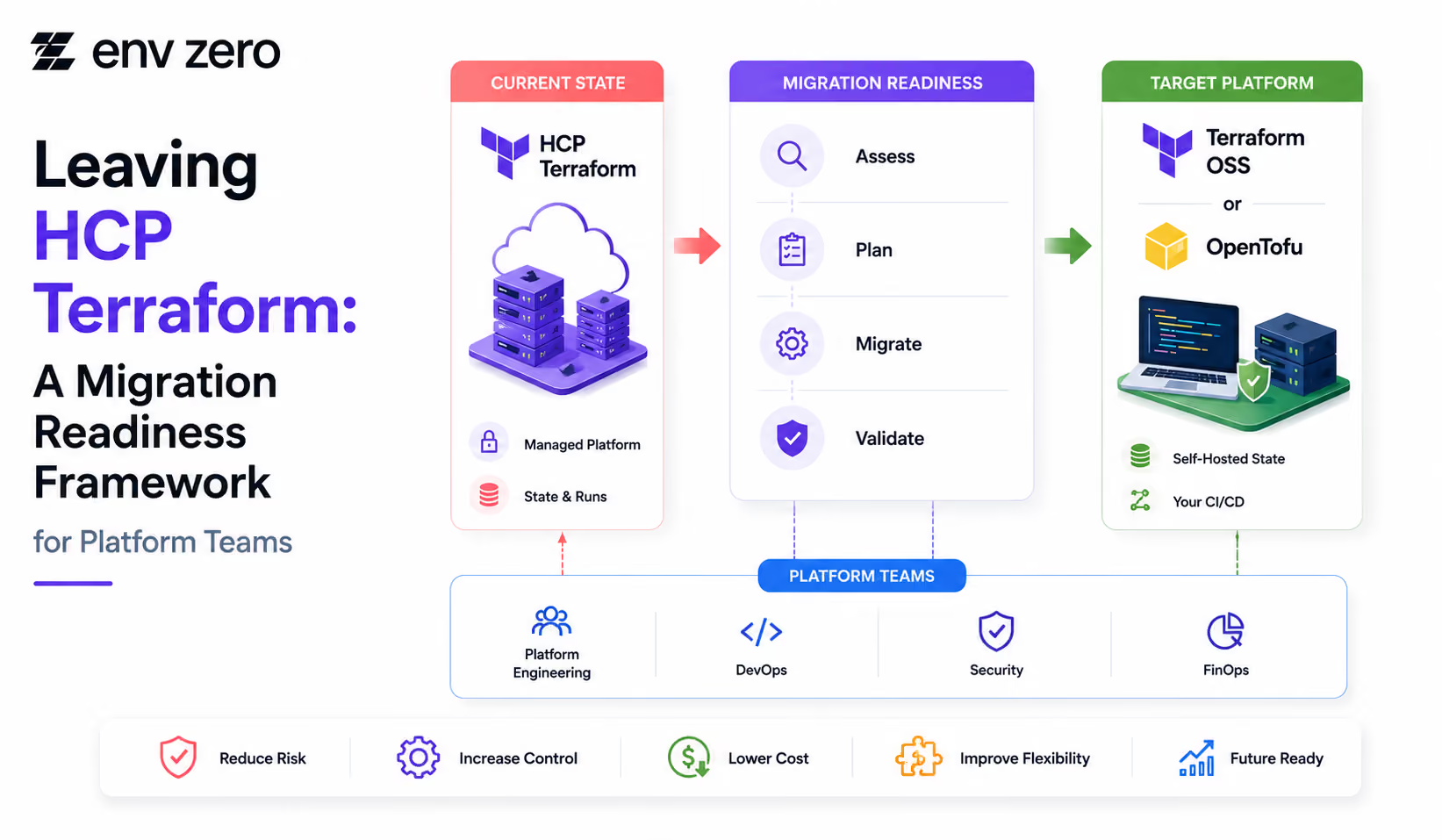
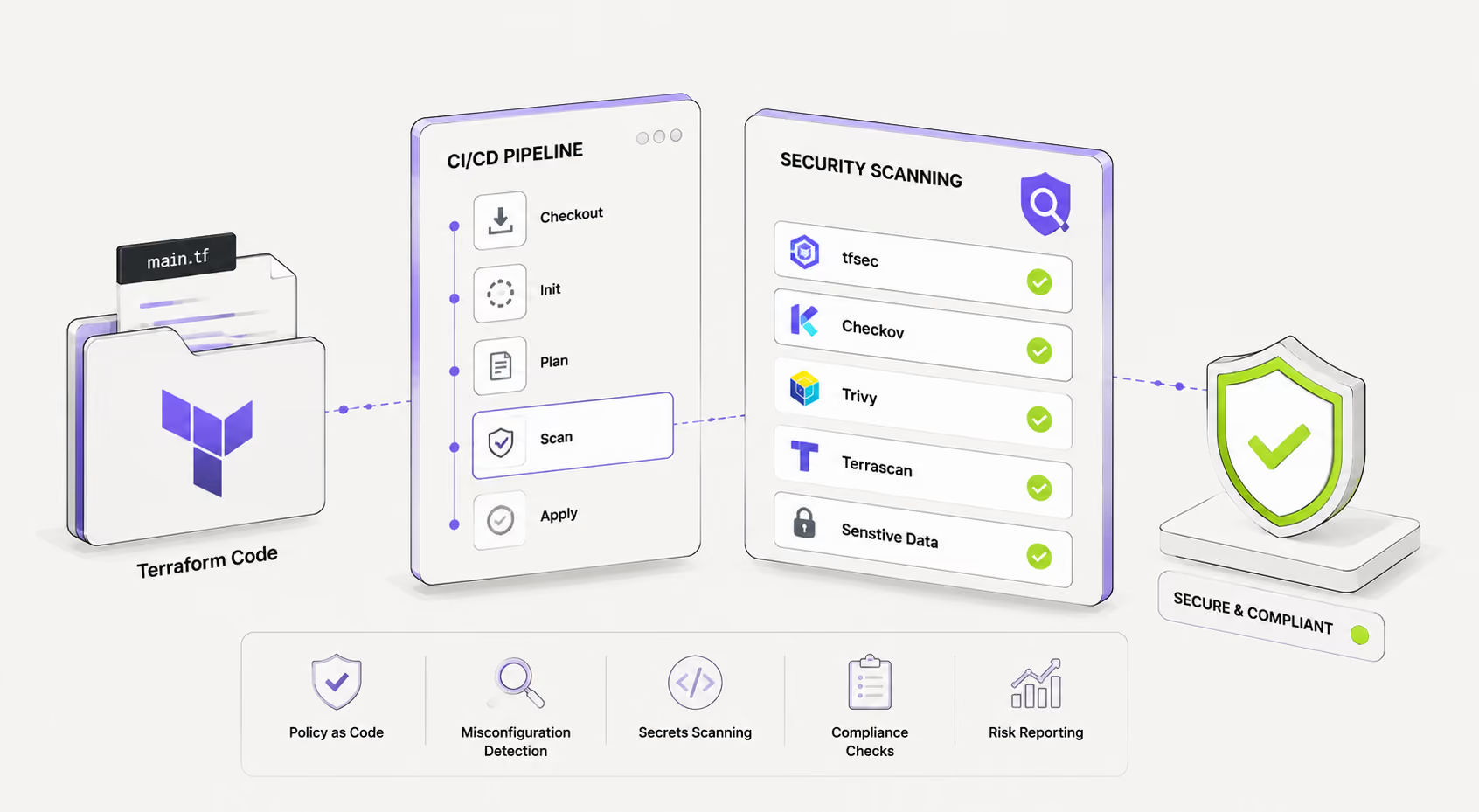
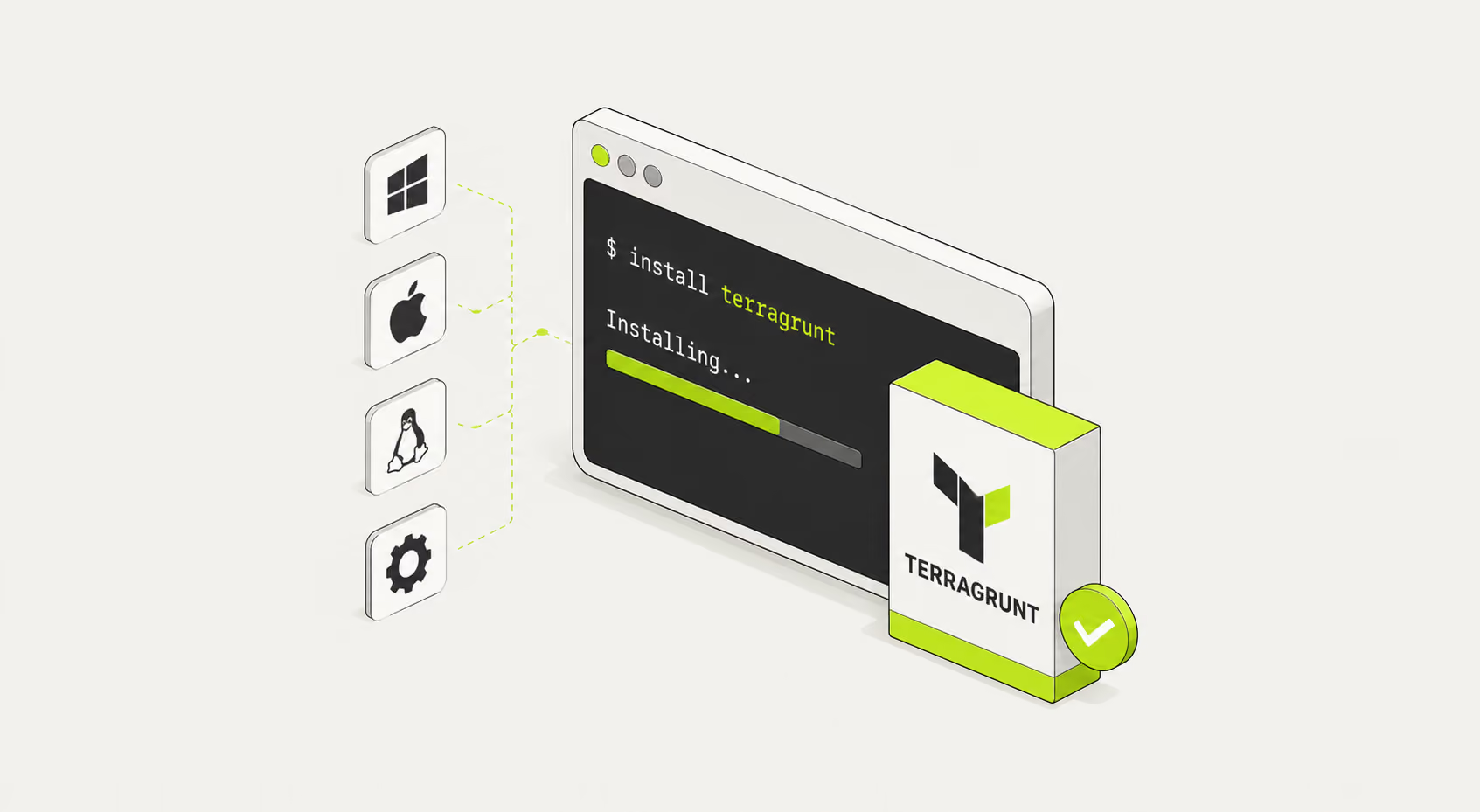










Audit Trail Setup Guide: Maintaining Compliance and Security Across Your Infrastructure


Pipeline Visibility Checklist: Ensuring Full Transparency Across Deployment Workflows

Rollback Readiness Checklist: Ensuring Fast and Reliable Recovery Across Environments
Deployment Automation Checklist: Ensuring Consistent and Reliable Infrastructure Delivery