.svg)


In today's IT environment, maintaining consistency across environments, such as development, staging, and production is essential for smooth application deployment.
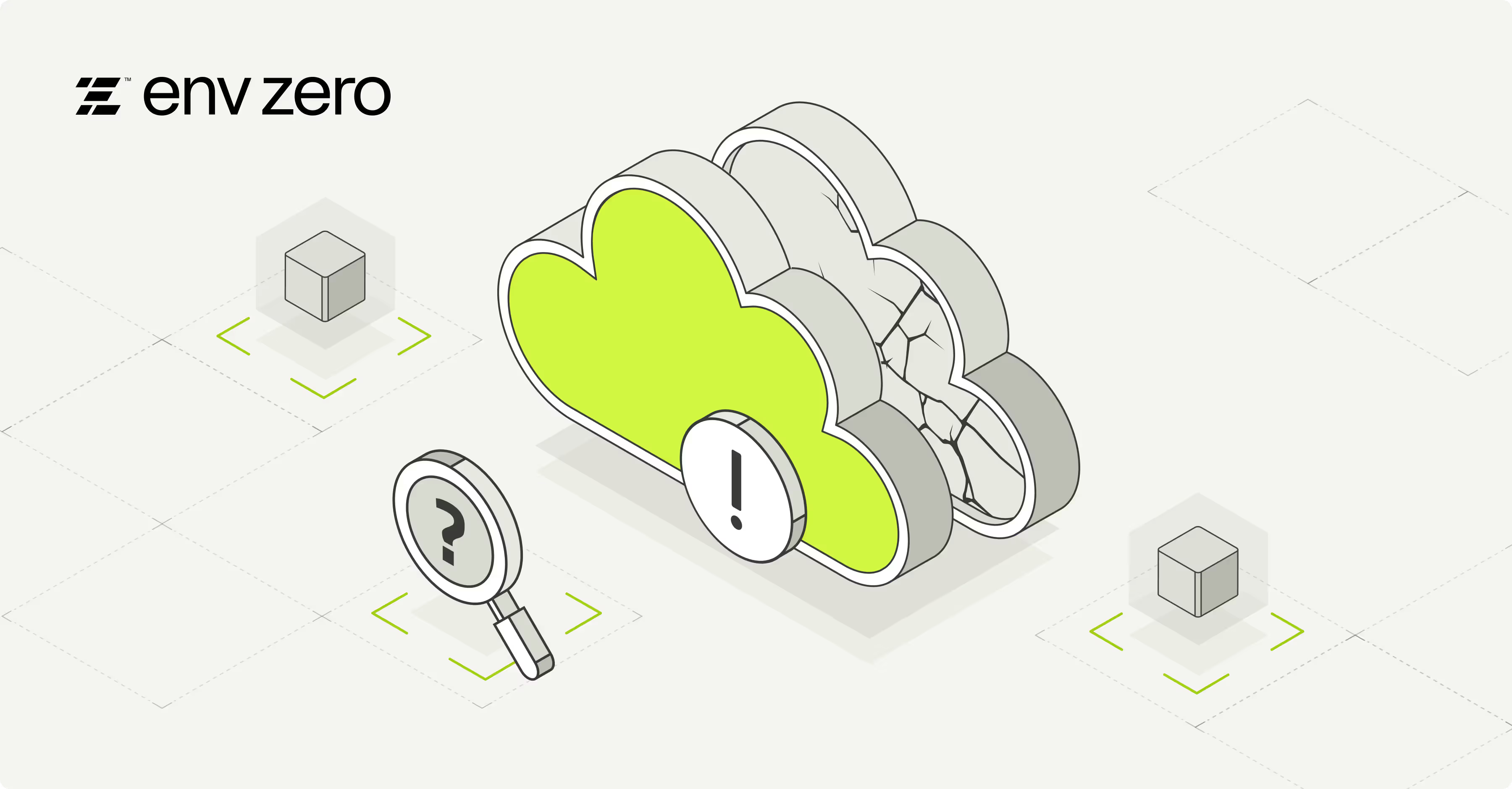
Environment drift refers to discrepancies between the desired and actual infrastructure configurations, often causing system inconsistencies, deployment failures, and security vulnerabilities.
Preventing drift is crucial to maintaining a stable, secure, and efficient infrastructure.
This checklist provides actionable strategies to ensure your environment remains predictable and compliant.
Introduction
Environment drift happens when infrastructure configurations deviate from what is specified, leading to inconsistencies across environments.
Drift can result from manual changes, unauthorized modifications, or unsynchronized updates, causing deployment issues, security risks, and troubleshooting difficulties.
For organizations with complex infrastructure, drift is a persistent challenge.
Understanding the causes of drift is essential to prevent it and maintain the integrity of your systems.
Key Causes of Environment Drift
Understanding the root causes of drift is essential to prevent it effectively. Here are some of the most common contributors:
Manual Changes
Manual interventions, such as direct edits by developers or operations teams, increase the risk of drift. These changes often go undocumented, making them difficult to track and fix.
Lack of Version Control
Without version control, it's hard to manage infrastructure changes. Drift can occur when environments are modified outside of a controlled, versioned process.
Inconsistent Configurations Across Environments
Development, staging, and production environments often have slight differences, making it challenging to ensure uniformity across all environments. Mismatched settings or dependencies can cause issues.
Misconfigured Infrastructure
If CI/CD pipelines or automation tools aren't properly set up to monitor infrastructure, drift can go undetected and escalate over time.
Changes Not Reflected in Code
Infrastructure as Code (IaC) tools like Terraform or Ansible require code updates to reflect changes made in the environment.
If changes are made outside of these tools or aren't properly committed, drift can occur, making it harder to track changes.
Why Professional Help is Essential for Preventing Drift
Environment drift can have serious consequences, including inconsistencies and deployment failures.
To ensure stable and predictable infrastructure, it’s vital to implement strategies that prevent drift.
Seeking professional help can make all the difference in effectively managing and preventing drift.
This is especially important when implementing cloud governance & risk management solutions, where policies, compliance controls, and cost governance must be enforced consistently across all infrastructure.
Expert Implementation of Infrastructure as Code (IaC)
Infrastructure as Code (IaC) allows for consistent provisioning across environments.
Professional teams ensure that changes are tracked, versioned, and reproducible, preventing unauthorized or manual changes from causing drift.
Automated Drift Detection with Industry Tools
By partnering with experts, you can integrate industry-leading drift detection tools such as Terraform, AWS Config, and Azure Policy into your environment.
Professionals will ensure that these tools are continuously monitoring your infrastructure for discrepancies, allowing you to detect and address drift immediately before it impacts your operations.
Version Control & Change Management
Managing configuration files in a version control system (VCS) like Git is critical, and an experienced team can set up a robust version control process that tracks changes effectively.
With professional assistance, you can ensure that all changes are fully documented and that rollback strategies are in place, enabling swift recovery from any drift-related issues.
CI/CD Integration for Drift Prevention
Professional teams are skilled in integrating drift detection into your CI/CD pipeline, making it part of the build or deployment process.
This integration ensures that any drift is detected and addressed early, preventing issues from reaching production.
Organizations that want to fully automate the full deployment lifecycle with guardrails can embed policy checks, approvals, and drift detection directly into their pipelines, ensuring consistency across every environment.
Backup and Restoration Strategies
Drift can sometimes lead to system failure.
With professional help, you can establish a reliable backup and restoration process to quickly revert to a stable, known good state with minimal downtime.
Experts will automate backups, manage versioned configurations, and regularly test restoration procedures to ensure you're always prepared.
Tools for Drift Prevention
Several tools help automate drift prevention:
- Terraform: Manages infrastructure as code with built-in drift detection.
- Ansible: Automates configuration management and enforces desired state configurations.
- Puppet: Ensures consistent environments through robust configuration management.
- Chef: Maintains infrastructure alignment with defined configurations for complex systems.
The Importance of Continuous Monitoring
Continuous monitoring is crucial for ensuring your environments remain compliant with your desired configurations.
Tools like Prometheus, Grafana, and Datadog provide real-time insights into the health of your infrastructure and can alert you to any potential drift.
By automating monitoring and alerting, you can immediately respond to changes and prevent environment drift before it causes major issues.
Conclusion
Preventing environment drift is essential for maintaining reliable, scalable, and secure infrastructure.
By following this drift prevention checklist, including using IaC, performing regular audits, and automating drift detection, you can ensure that your environments remain consistent and aligned with your desired state.
Preventing environment drift requires more than just tools and processes—it takes experience, precision, and constant vigilance.
With the right professional support, you can ensure that your infrastructure stays consistent, secure, and scalable.
Contact us today to learn how our expert team can help you maintain a stable, efficient, and drift-free environment.
We provide the tools, strategies, and ongoing support to keep your infrastructure in check, ensuring smooth, predictable deployments every time.
FAQs
How can automated drift detection help with my infrastructure management?
Automated drift detection tools continuously monitor environments for unauthorized changes, alerting you to discrepancies before they cause major issues.
What is the role of version control in preventing environment drift?
Version control tracks infrastructure changes, allowing you to identify and revert any unauthorized modifications to maintain consistency.
How can I integrate drift detection into my CI/CD pipeline?
Integrating drift detection into your CI/CD pipeline ensures real-time monitoring and early detection of configuration discrepancies during deployment.
What is test-driven infrastructure, and how does it prevent drift?
Test-driven infrastructure involves validating configuration changes through automated tests, ensuring they align with desired configurations and preventing drift.
Can automated backup and restoration processes help recover from environment drift?
Yes, automated backups allow quick restoration of configurations to a known stable state, minimizing downtime caused by drift. Regular testing of these backup and restoration processes ensures that recovery can be performed swiftly, reducing the impact of drift on your operations.
Related Content
IaC Self-Service Enablement Guide: Templates, Guardrails, and Golden Paths for Developer Teams
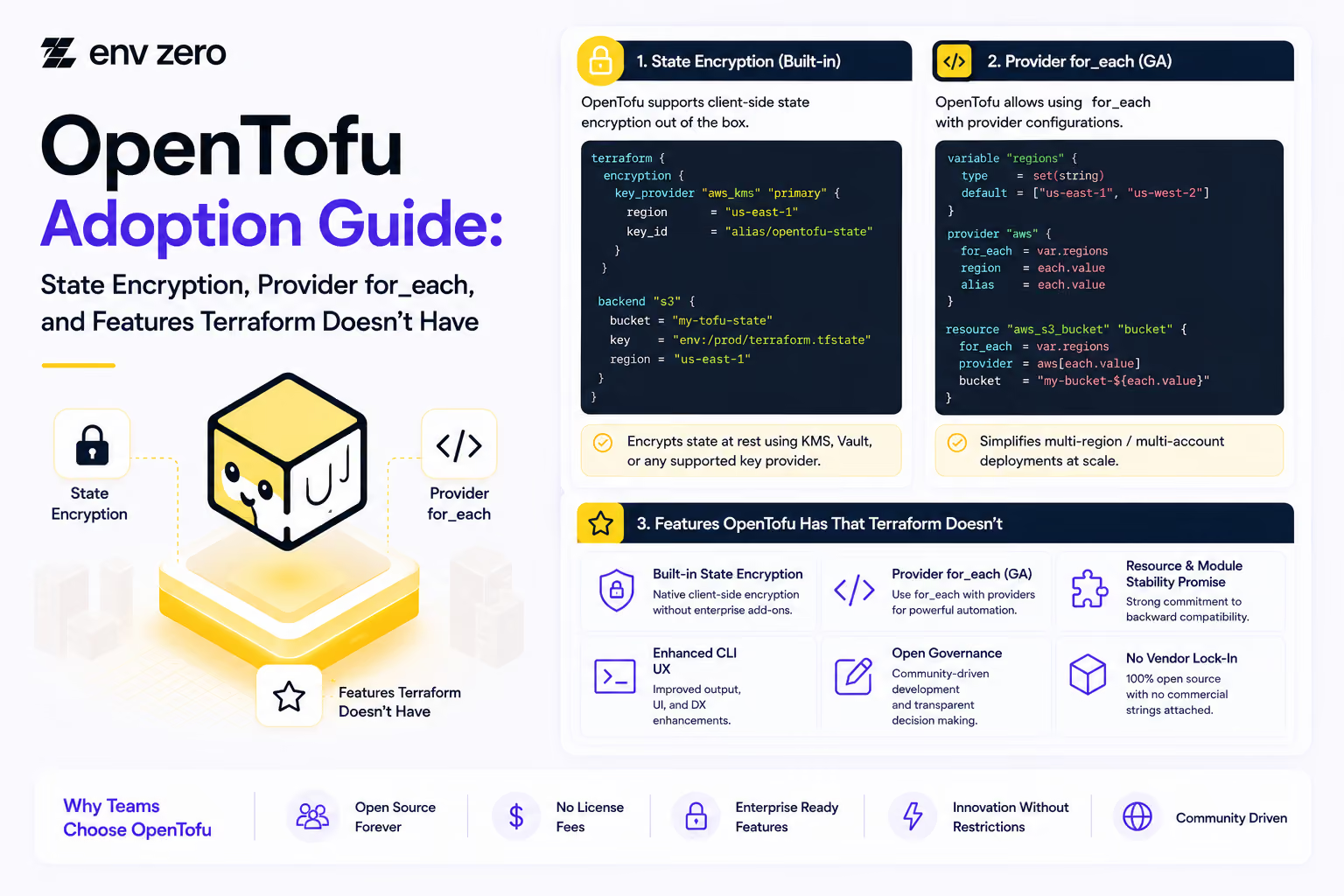
OpenTofu Adoption Guide: State Encryption, Provider for_each, and Features Terraform Doesn't Have
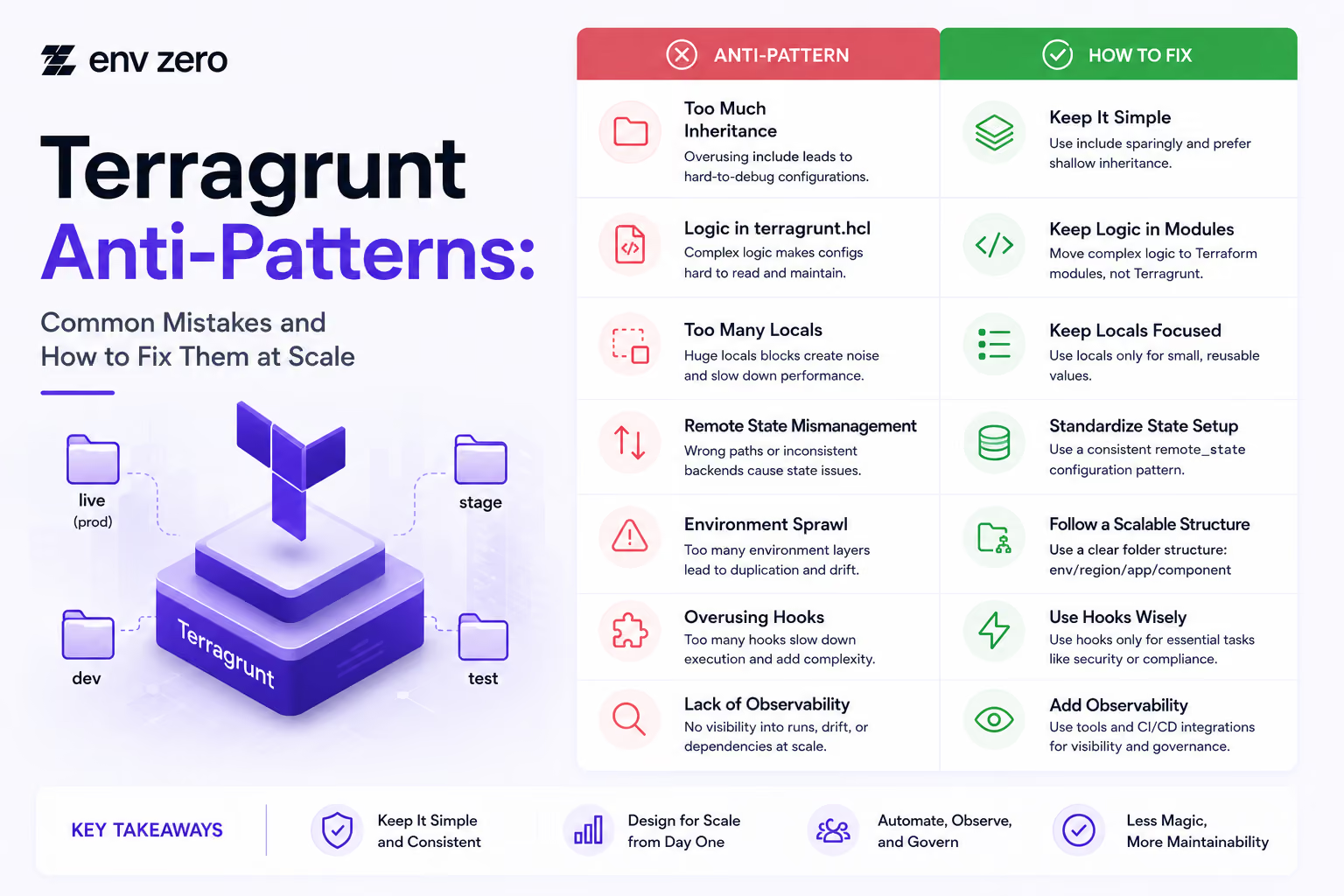

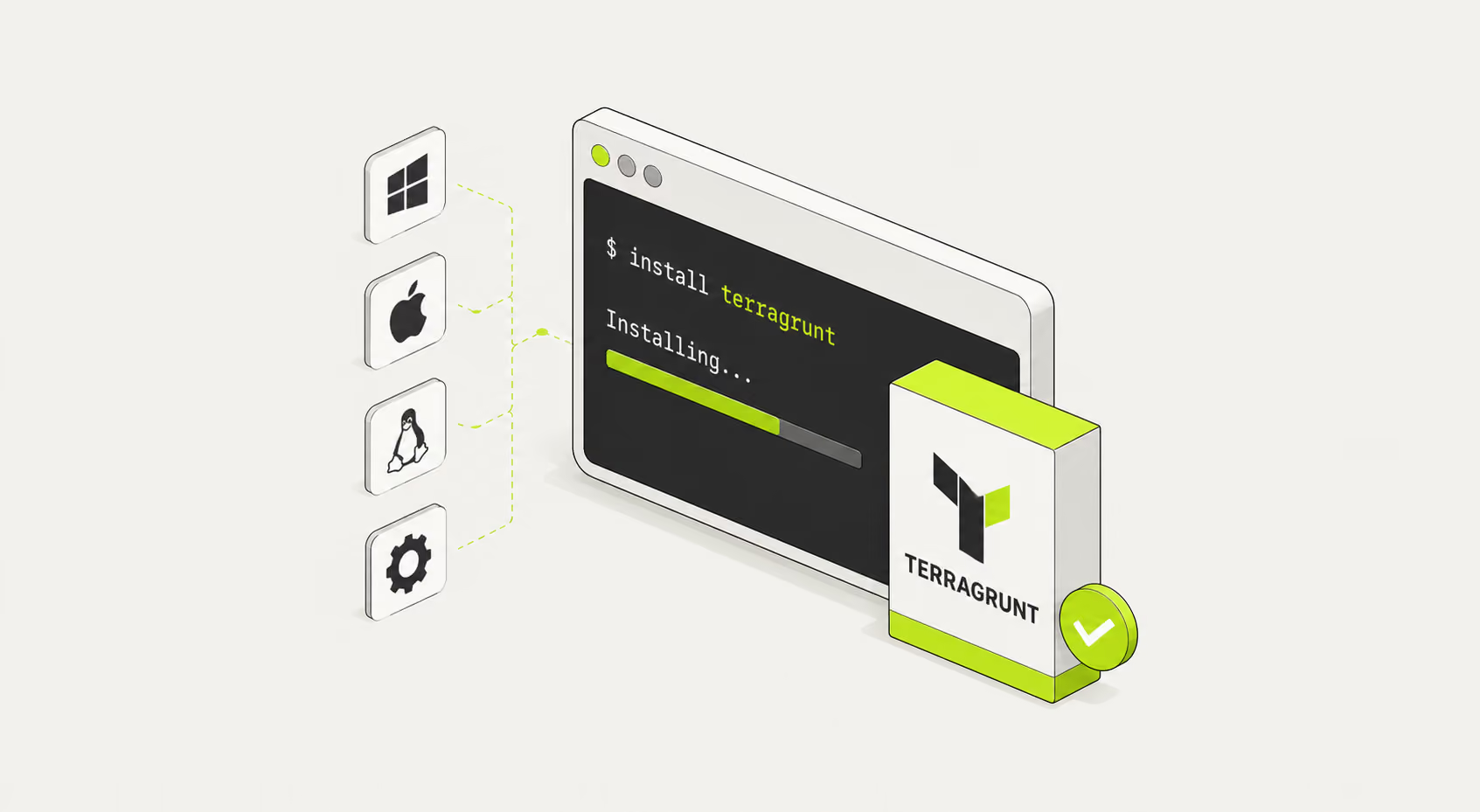
How to Install Terragrunt and Set Up Your First Multi-Environment Project (2026 Edition)
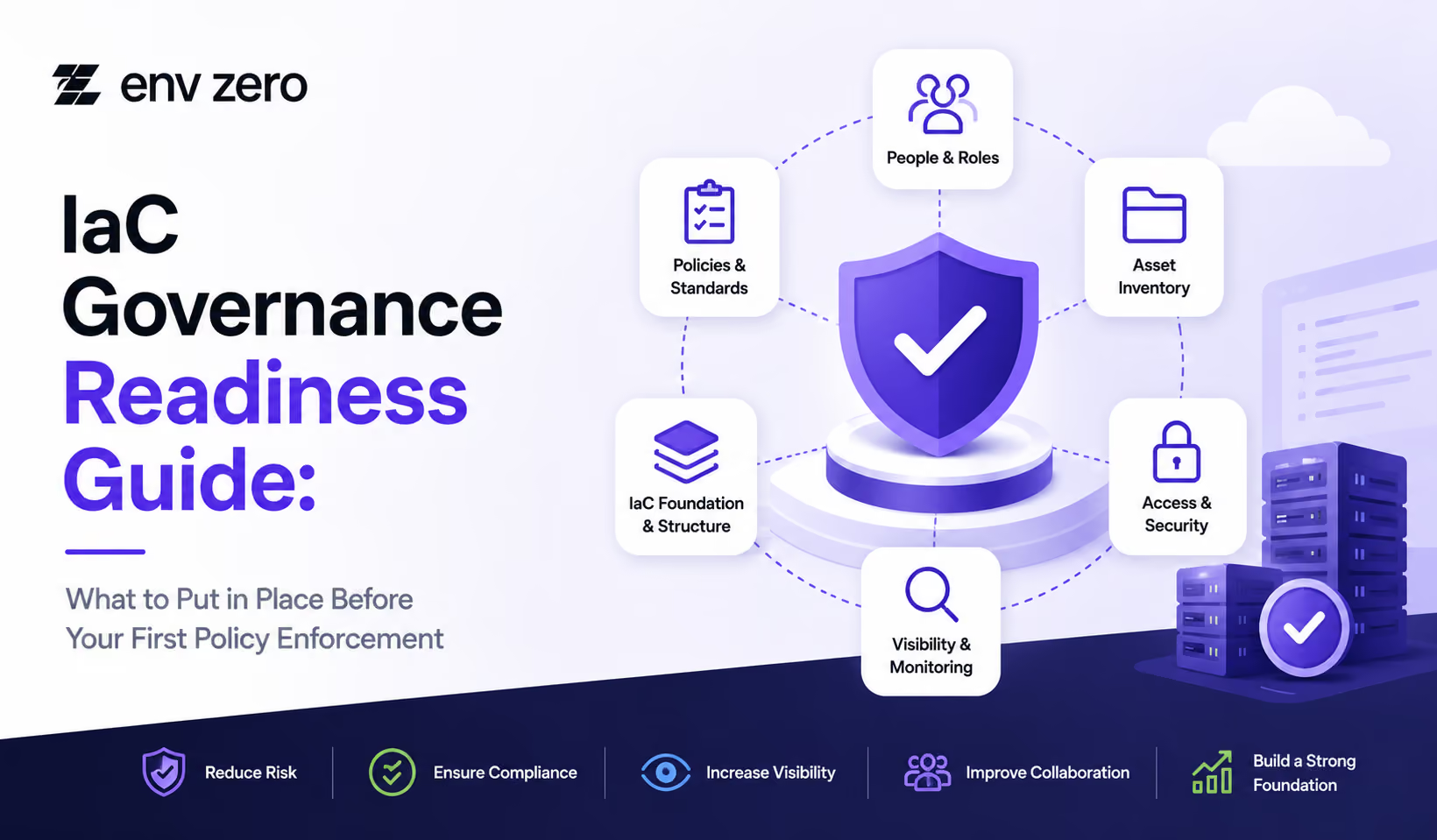
IaC Governance Readiness Guide: What to Put in Place Before Your First Policy Enforcement
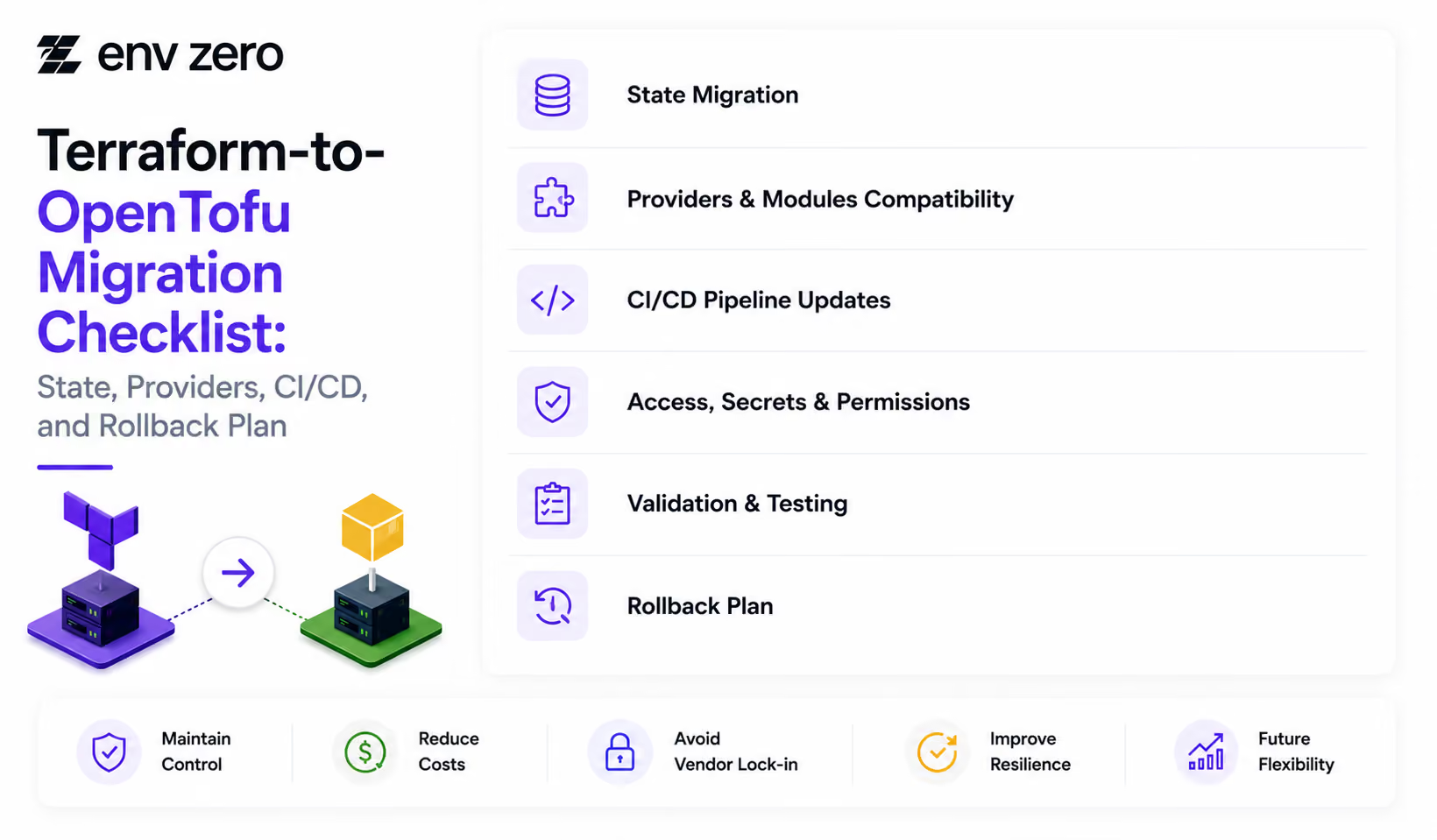
Terraform-to-OpenTofu Migration Checklist: State, Providers, CI/CD, and Rollback Plan
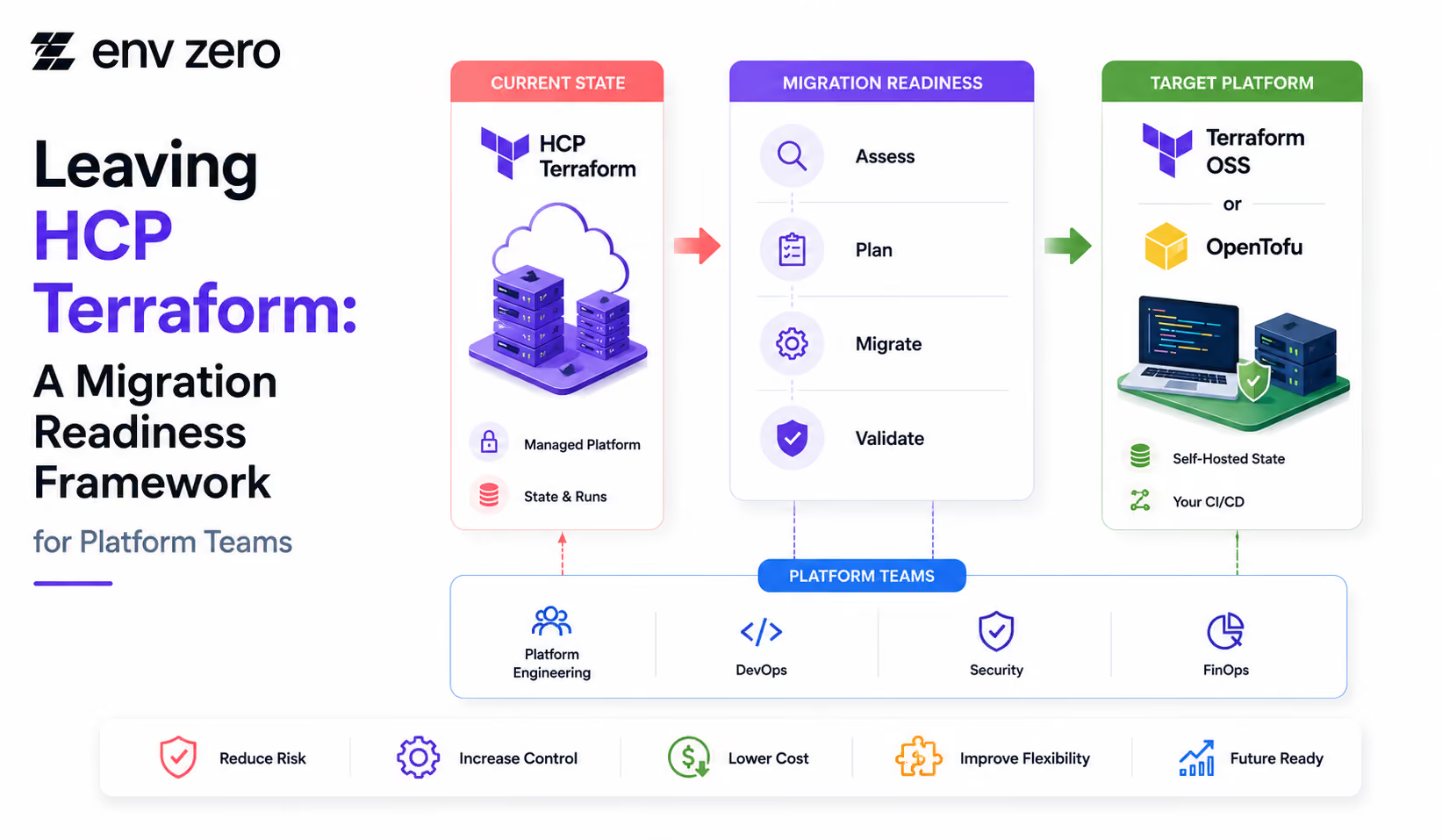
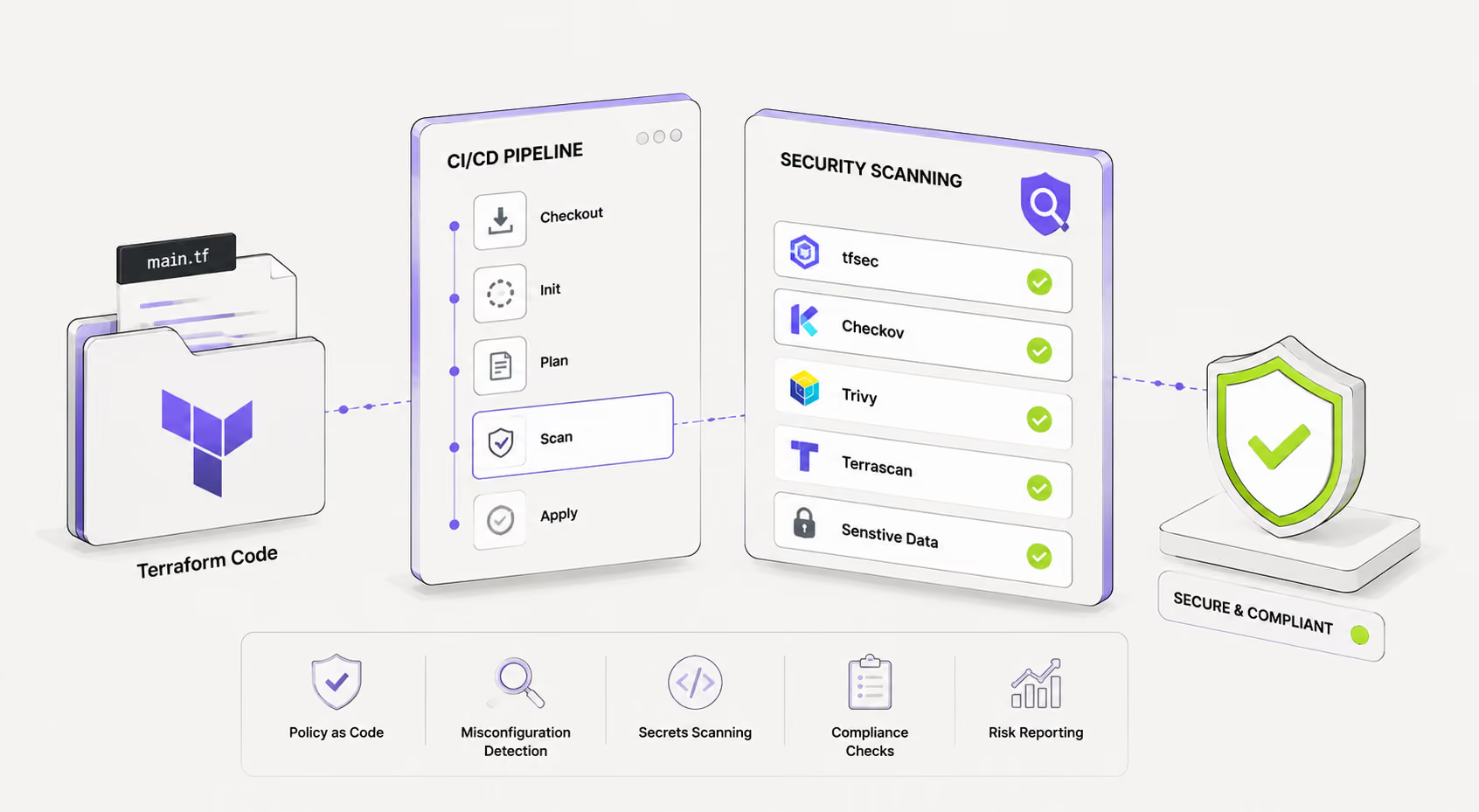








Audit Trail Setup Guide: Maintaining Compliance and Security Across Your Infrastructure


Pipeline Visibility Checklist: Ensuring Full Transparency Across Deployment Workflows

Rollback Readiness Checklist: Ensuring Fast and Reliable Recovery Across Environments
Deployment Automation Checklist: Ensuring Consistent and Reliable Infrastructure Delivery