.svg)


Introduction
Approval workflows are essential for maintaining governance, security, and compliance in infrastructure delivery.
However, as organizations scale, these workflows can become a major source of delay, slowing down deployments and frustrating development teams.
Approval delays often result from unclear ownership, manual processes, or poorly designed workflows.
This approval delay troubleshooting Guide helps platform teams identify the root causes of delays and resolve bottlenecks to maintain both speed and control in deployment pipelines.
What Causes Approval Delays?
Approval delays typically occur when workflows are not optimized for scale.
As infrastructure grows, the number of approvals, stakeholders, and dependencies increases, making it harder to maintain efficient processes.
Delays can stem from manual approvals, lack of visibility, unclear responsibilities, or overly restrictive controls.
Identifying these causes is the first step toward improving workflow efficiency.
Common Approval Delay Issues
Unclear Approval Ownership
When it is not clear who is responsible for approving changes, requests can remain pending for extended periods.
This creates confusion and slows down the deployment process.
Clear ownership ensures that approval requests are directed to the right stakeholders without delay.
Manual Approval Processes
Manual approvals often introduce unnecessary delays, especially when stakeholders are unavailable or unaware of pending requests.
These processes do not scale well in large environments.
Automating approvals where possible helps reduce wait times and improves workflow efficiency.
Overly Strict Approval Requirements
Requiring approvals for every change, regardless of risk level, creates bottlenecks.
Low-risk changes should not be treated the same as high-risk production updates.
Without proper prioritization, approval pipelines become overloaded and inefficient.
Lack of Visibility into Approval Status
When teams cannot see where an approval request is in the process, delays become harder to identify and resolve.
This lack of transparency leads to confusion and miscommunication.
Visibility into approval workflows is essential for maintaining efficiency.
Dependency-Driven Delays
Some approvals depend on other actions, such as testing, policy validation, or external system checks.
If these dependencies are delayed, approvals are also delayed.
Understanding and managing dependencies helps reduce bottlenecks.
Inefficient Notification Systems
If stakeholders are not notified promptly about pending approvals, requests can remain unattended.
Delayed or missed notifications significantly impact approval timelines.
Efficient notification systems ensure timely responses.
How to Troubleshoot Approval Delays
To effectively resolve approval delays, teams must first understand where and why bottlenecks occur within the workflow.
A structured troubleshooting approach helps uncover inefficiencies and improve overall process speed.
Identify Bottlenecks in the Workflow
Analyze the approval pipeline to determine where delays occur.
Look for stages where requests remain pending the longest and identify patterns in delays.
This helps pinpoint inefficiencies in the process.
Define Clear Ownership
Ensure that every approval step has a clearly assigned owner. This eliminates confusion and ensures accountability.
Ownership should be aligned with roles such as platform teams, security teams, or environment-specific stakeholders.
Automate Low-Risk Approvals
Not all changes require manual review. Automate approvals for low-risk deployments while maintaining manual approval for critical changes.
This reduces unnecessary delays without compromising governance.
A self-service infrastructure model with built-in guardrails allows developers to move fast on routine changes while keeping high-risk deployments under proper review.
Simplify Approval Workflows
Reduce unnecessary approval layers and streamline workflows. Focus on essential validation steps to maintain efficiency.
Simplified workflows are easier to manage and scale.
Organizations that invest in standardized workflows across teams and departments find it significantly easier to enforce consistent approval standards without adding overhead.
Improve Visibility and Tracking
Implement systems that provide real-time visibility into approval status. This allows teams to track progress and identify delays quickly.
Visibility ensures transparency and improves coordination across teams.
Optimize Notifications
Ensure that approval requests trigger immediate notifications to the right stakeholders. Use automated alerts to prevent missed approvals.
Efficient communication is key to reducing delays.
Benefits of Optimizing Approval Workflows
Improving approval workflows reduces deployment delays, enabling faster delivery without sacrificing governance.
It enhances efficiency by removing bottlenecks and improving coordination across teams.
Optimized workflows also ensure that approvals are handled consistently, reducing the chances of missed steps or unnecessary rework.
By clearly defining ownership, teams can respond faster to requests and maintain accountability throughout the deployment process.
In addition, streamlined approval processes support scalability, allowing organizations to handle increasing deployment volumes without slowing down operations.
This leads to more predictable workflows, improved reliability, and greater confidence in infrastructure delivery.
Common Gaps Without Troubleshooting
Without addressing approval delays, organizations often face slow deployments, frustrated teams, and reduced productivity. Bottlenecks can grow over time, making workflows increasingly inefficient.
As delays accumulate, teams may start bypassing processes or rushing approvals, which increases the risk of errors, security issues, and non-compliant changes.
Lack of troubleshooting also makes it difficult to identify root causes, allowing the same issues to repeat across multiple deployments.
This leads to inconsistent processes, poor coordination between teams, and reduced confidence in deployment systems, ultimately impacting overall delivery speed and reliability.
How env zero Helps Reduce Approval Delays
env0 helps platform teams optimize approval workflows by integrating automation, visibility, and governance into deployment pipelines.
With env0, teams can define custom approval rules, automate low-risk approvals, and enforce policies through Policy-as-Code. This ensures that approvals are both efficient and compliant.
env zero also provides real-time visibility into approval status, allowing teams to track requests and identify delays quickly.
Automated notifications ensure that stakeholders are informed immediately, reducing response times.
By combining automation with structured workflows, env zero helps eliminate bottlenecks and improve deployment speed.
Conclusion
Approval delays are a common challenge in enterprise infrastructure workflows, but they can be resolved with the right approach.
By identifying bottlenecks, simplifying workflows, and automating approvals, platform teams can maintain both speed and control.
With tools like env0, organizations can streamline approval pipelines, reduce delays, and ensure that deployments remain efficient, secure, and scalable.
Experiencing delays in your approval workflows? env0 helps you automate approvals, improve visibility, and eliminate bottlenecks. Optimize your deployment pipelines today.
With centralized control and flexible policy enforcement, you can streamline decision-making without adding complexity.
FAQs
What causes approval delays in deployment pipelines?
Approval delays are typically caused by unclear ownership, manual processes, lack of visibility, and overly strict approval requirements.
How can approval delays be reduced?
Delays can be reduced by automating low-risk approvals, defining clear ownership, simplifying workflows, and improving visibility and notifications.
Why is approval workflow visibility important?
Visibility allows teams to track approval status, identify bottlenecks, and ensure that requests are processed efficiently.
What role does automation play in approvals?
Automation speeds up approval processes by reducing manual intervention and ensuring consistent validation of low-risk changes.
How does env zero improve approval workflows?
env zero automates approval processes, enforces policy checks, and provides real-time visibility, helping teams reduce delays and maintain governance.
Related Content
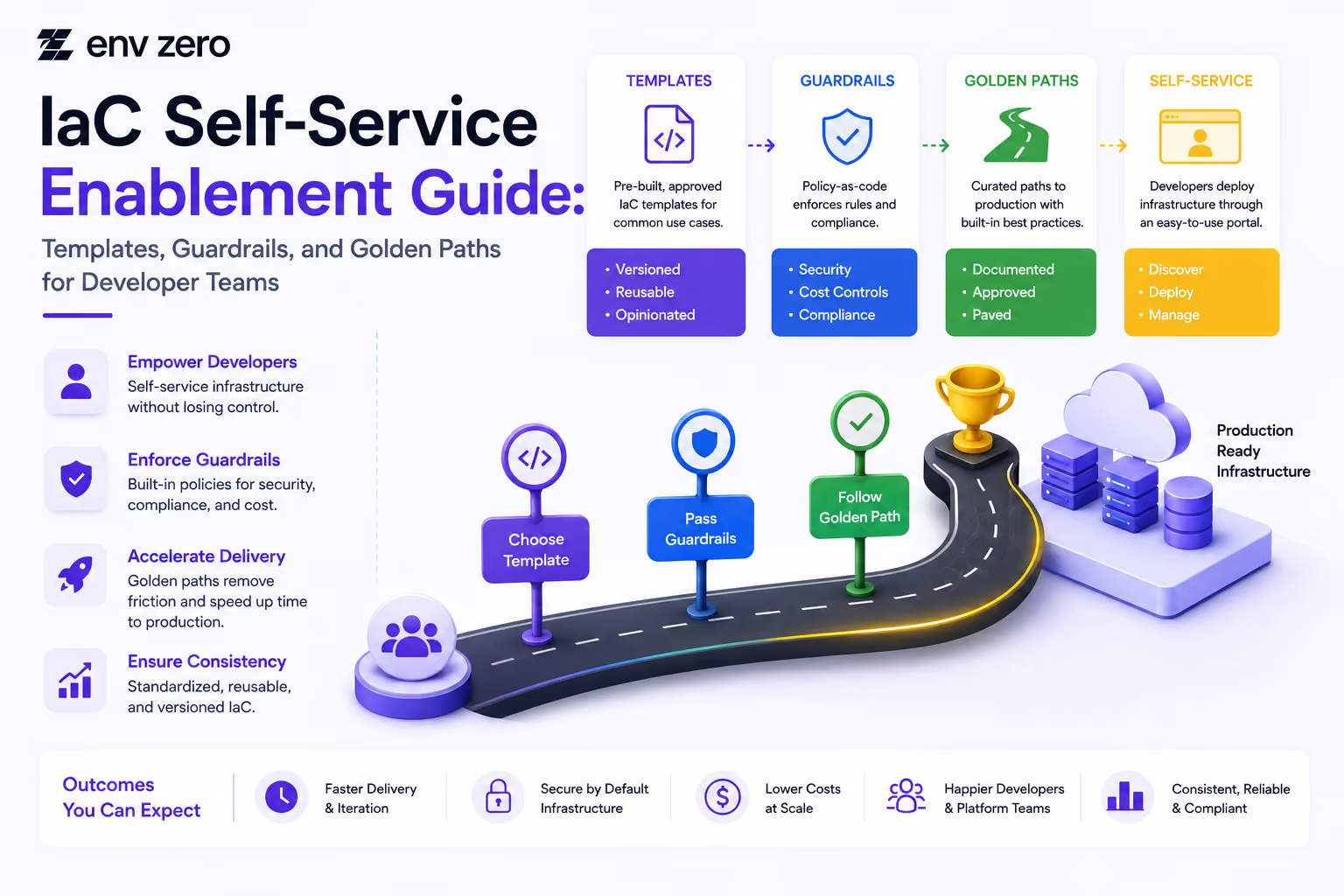
IaC Self-Service Enablement Guide: Templates, Guardrails, and Golden Paths for Developer Teams
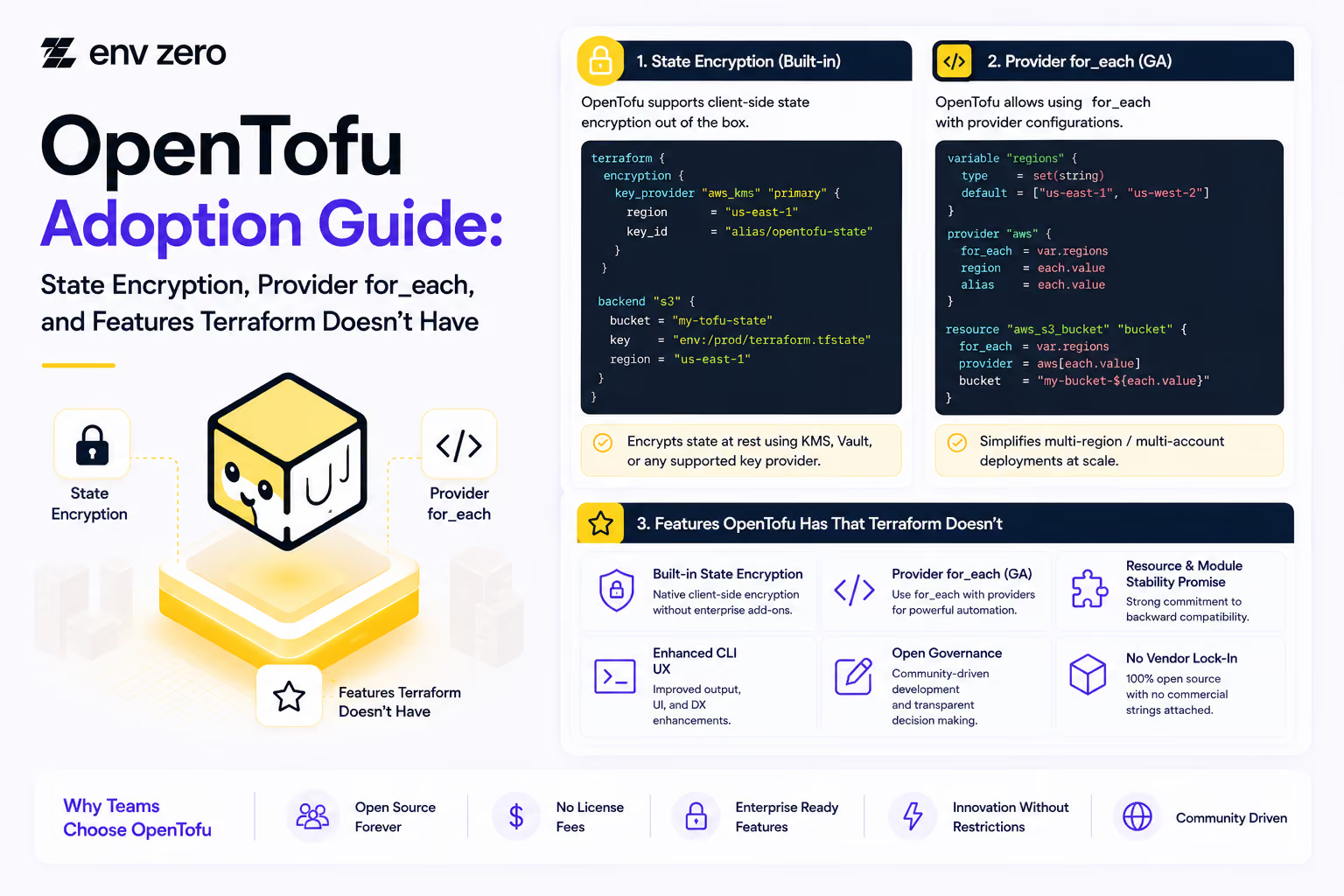
OpenTofu Adoption Guide: State Encryption, Provider for_each, and Features Terraform Doesn't Have
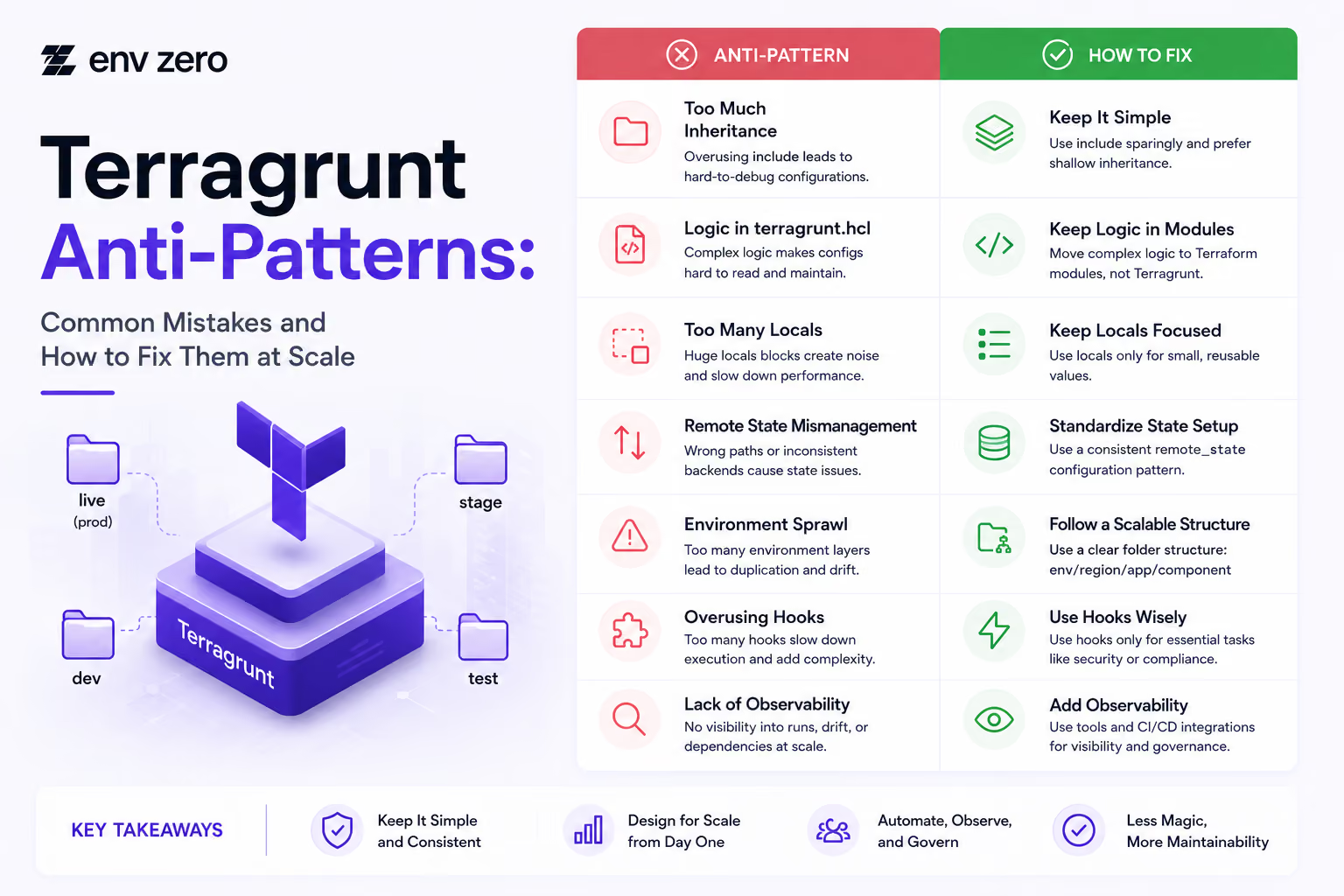

How to Install Terragrunt and Set Up Your First Multi-Environment Project (2026 Edition)
IaC Governance Readiness Guide: What to Put in Place Before Your First Policy Enforcement
Terraform-to-OpenTofu Migration Checklist: State, Providers, CI/CD, and Rollback Plan











Audit Trail Setup Guide: Maintaining Compliance and Security Across Your Infrastructure


Pipeline Visibility Checklist: Ensuring Full Transparency Across Deployment Workflows
Rollback Readiness Checklist: Ensuring Fast and Reliable Recovery Across Environments
Deployment Automation Checklist: Ensuring Consistent and Reliable Infrastructure Delivery