.svg)


Introduction
Platform engineering is no longer a theoretical investment—it is a strategic function that organizations expect to deliver measurable value.
However, one of the most common challenges teams face is proving that value.
Leaders want to know:
- Are we moving faster?
- Are we reducing costs?
- Are we improving efficiency?
Without clear metrics, platform engineering can appear as an operational expense rather than a business driver.
A structured ROI metrics checklist helps organizations measure impact effectively. It connects platform initiatives to tangible outcomes, enabling teams to demonstrate value and make informed decisions.
Why Measuring ROI in Platform Engineering Is Critical
Platform engineering impacts multiple areas of the organization, from developer productivity to infrastructure governance.
Without measurement, it is difficult to:
- Justify investment
- Align stakeholders
- Identify improvement opportunities
ROI metrics provide visibility into how the platform is performing and where it is delivering value.
They also help shift the conversation from cost to impact, positioning platform engineering as a strategic enabler rather than a support function.
Category 1: Developer Productivity Metrics
One of the most direct indicators of ROI is developer productivity.
Metrics such as deployment frequency and lead time for changes show how quickly teams can deliver new features and updates. Faster delivery cycles indicate that developers are spending less time on infrastructure-related tasks and more time on building value.
Provisioning time is another key metric. When developers can create environments in minutes instead of hours or days, productivity increases significantly.
These metrics demonstrate how platform engineering accelerates development and improves overall output.
Category 2: Operational Efficiency Metrics
Operational efficiency reflects how effectively infrastructure workflows are managed.
Manual intervention rate is a critical indicator. A reduction in manual steps shows that automation is working and that workflows are scalable.
Workflow completion time also provides insight into efficiency. Faster workflows indicate that processes are streamlined and well-integrated.
These metrics highlight the impact of platform engineering on reducing operational overhead and improving system performance.
Category 3: Cost Optimization Metrics
Cost is one of the most visible aspects of ROI.
Metrics such as infrastructure utilization and cost per deployment help organizations understand how efficiently resources are being used. Improved utilization indicates that resources are not being wasted.
Tracking unused or idle resources can also reveal opportunities for cost savings — making this category a core part of any cost governance and FinOps enablement strategy that keeps infrastructure spending aligned with business priorities.
Cost optimization metrics demonstrate how platform engineering contributes to financial efficiency without compromising performance.
Category 4: Governance and Compliance Metrics
Governance is often overlooked in ROI discussions, but it plays a crucial role.
Compliance rates and policy adherence metrics show how effectively the platform enforces standards. A high level of compliance reduces risk and ensures consistency across environments.
Tracking the number of policy violations or security incidents can provide additional insight into governance effectiveness — key indicators that form the foundation of a strong cloud governance and risk management approach.
These metrics demonstrate how platform engineering improves control and reduces potential risks.
Category 5: Platform Adoption Metrics
Adoption is a key indicator of success.
If developers are actively using the platform, it means the system is delivering value. Metrics such as usage rates, number of active users, and service catalog adoption provide insight into how widely the platform is being used.
Low adoption may indicate issues with usability, workflows, or alignment with developer needs.
High adoption, on the other hand, reflects strong trust and effectiveness.
Building a Baseline for Accurate Measurement
Before measuring ROI, organizations must establish a baseline.
This involves capturing current performance metrics before implementing platform engineering initiatives. Without a baseline, it is difficult to quantify improvement or demonstrate value.
Baseline metrics provide a reference point for tracking progress and identifying the impact of changes over time.
Connecting Metrics to Business Outcomes
Metrics alone are not enough—they must be tied to business outcomes.
For example, faster deployment cycles can lead to quicker time-to-market, which directly impacts revenue. Improved efficiency can reduce operational costs, while better governance can minimize risk.
By connecting metrics to business goals, organizations can present a clear and compelling case for platform engineering.
Common Mistakes When Measuring ROI
One common mistake is focusing on too many metrics at once. This can make it difficult to identify meaningful insights.
Another issue is measuring only technical performance without considering business impact. Metrics should reflect both operational improvements and organizational outcomes.
Organizations also sometimes fail to update metrics as systems evolve, leading to outdated or irrelevant data.
A focused and adaptable approach ensures that ROI measurement remains effective.
How env zero Helps Track ROI Metrics
Measuring platform engineering ROI requires visibility into infrastructure workflows, automation, and policy enforcement.
env zero provides this visibility by tracking key metrics such as provisioning time, deployment activity, and policy compliance. It enables platform teams to monitor performance and identify areas for improvement.
With centralized insights and automated workflows, env zero makes it easier to quantify ROI and optimize platform performance.
Conclusion
Proving platform engineering ROI requires more than intuition—it requires data.
By tracking key metrics across productivity, efficiency, cost, governance, and adoption, organizations can demonstrate the true value of their platform initiatives.
A structured metrics checklist ensures that measurement is consistent, meaningful, and aligned with business goals.
If you want to prove the value of your platform engineering efforts, start with the right metrics. With env0, you can gain the visibility needed to track performance, optimize workflows, and demonstrate real ROI.
FAQs
What are the most important metrics for platform engineering ROI?
The most important metrics include deployment frequency, lead time for changes, provisioning speed, cost efficiency, and policy compliance. Together, these metrics provide a comprehensive view of how platform engineering improves productivity, efficiency, and governance.
Why is it difficult to measure platform engineering ROI?
ROI is difficult to measure because its impact spans multiple areas, including developer productivity, operational efficiency, and risk reduction. Some benefits are indirect or long-term, making it harder to quantify without a structured framework.
How do developer productivity metrics reflect ROI?
Productivity metrics show how quickly teams can deliver features and updates. Faster deployment cycles and reduced provisioning time indicate that developers are working more efficiently, which directly contributes to organizational output.
What role do cost metrics play in ROI measurement?
Cost metrics help organizations understand how efficiently infrastructure resources are being used. By tracking utilization and identifying waste, teams can optimize spending and demonstrate financial impact.
How can organizations track governance as part of ROI?
Governance can be measured through compliance rates, policy adherence, and reduction in security incidents. These metrics show how effectively the platform enforces standards and reduces risk.
Why is platform adoption important for ROI?
Adoption indicates whether the platform is being used consistently. High adoption means that developers trust the system and that it is delivering value across the organization.
What is the importance of baseline metrics?
Baseline metrics provide a starting point for measurement. Without them, it is difficult to quantify improvements or demonstrate the impact of platform engineering initiatives.
How do ROI metrics connect to business outcomes?
Metrics such as faster deployments and improved efficiency translate into business benefits like quicker time-to-market, reduced costs, and improved competitiveness.
What mistakes should be avoided when measuring ROI?
Common mistakes include tracking too many metrics, ignoring business impact, and failing to update metrics as systems evolve. A focused approach ensures meaningful insights.
How does env zero help measure platform engineering ROI?
env zero provides visibility into infrastructure workflows, tracks key performance metrics, and enforces policies. This allows organizations to monitor performance, identify improvements, and demonstrate ROI effectively.
Related Content
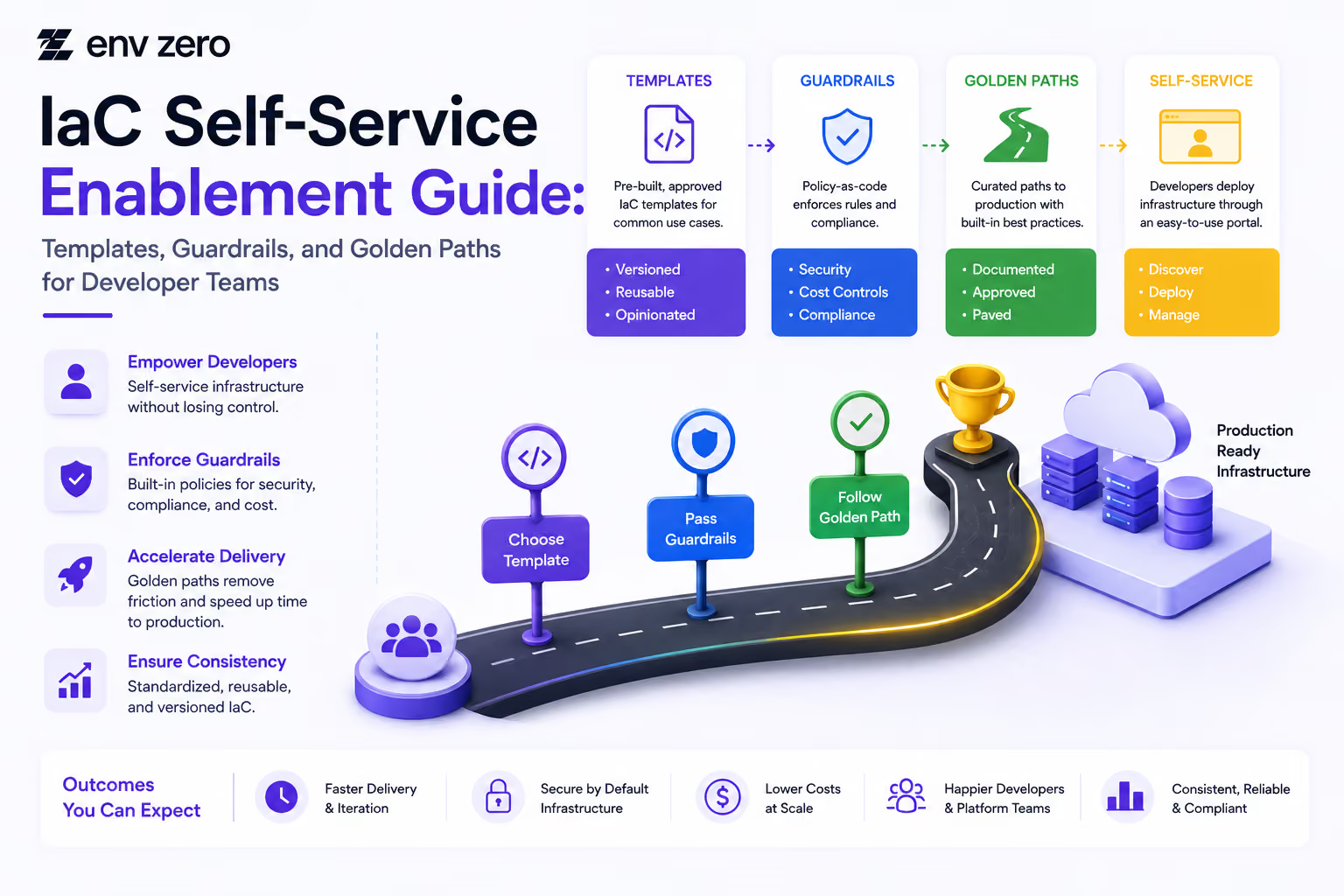
IaC Self-Service Enablement Guide: Templates, Guardrails, and Golden Paths for Developer Teams
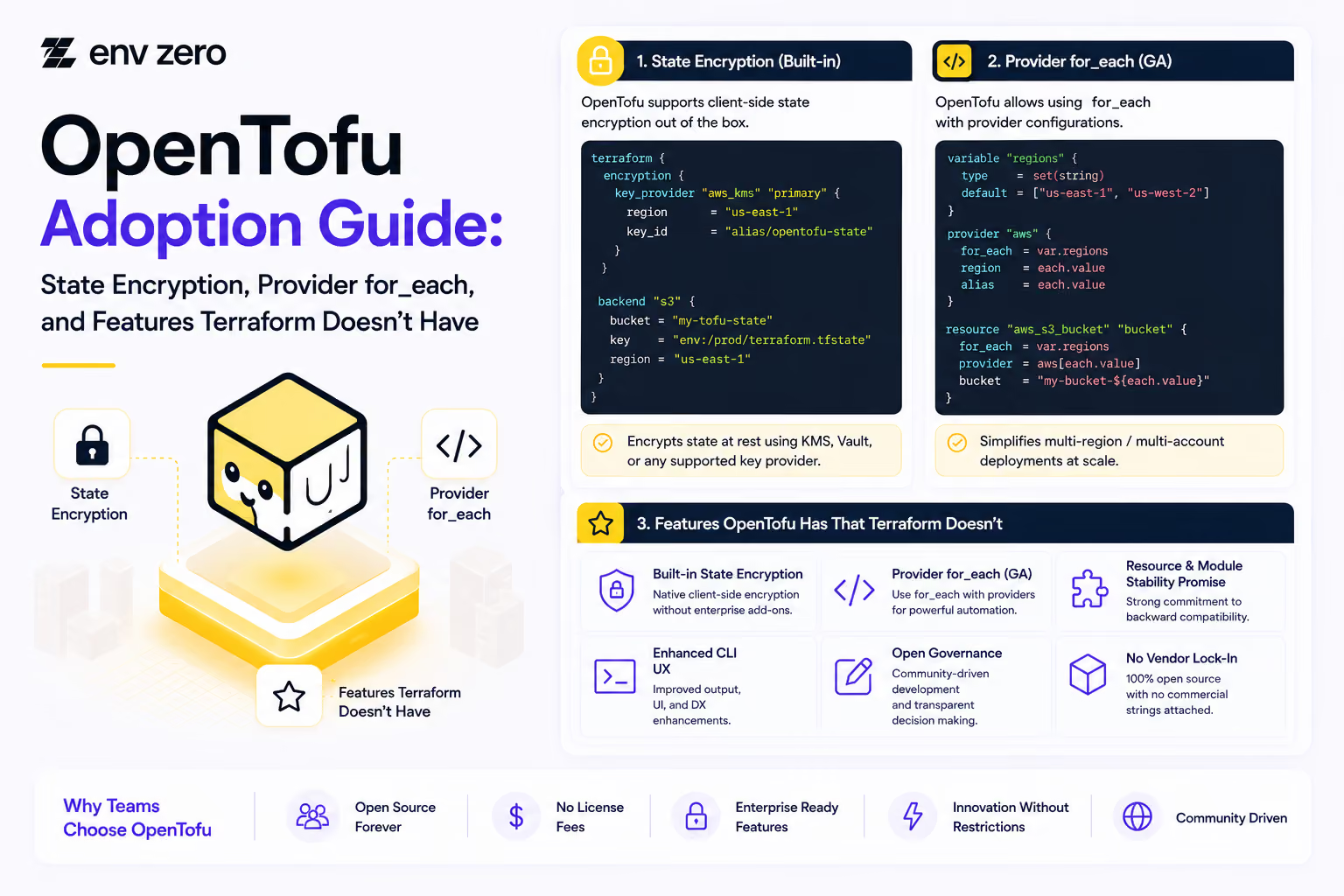
OpenTofu Adoption Guide: State Encryption, Provider for_each, and Features Terraform Doesn't Have
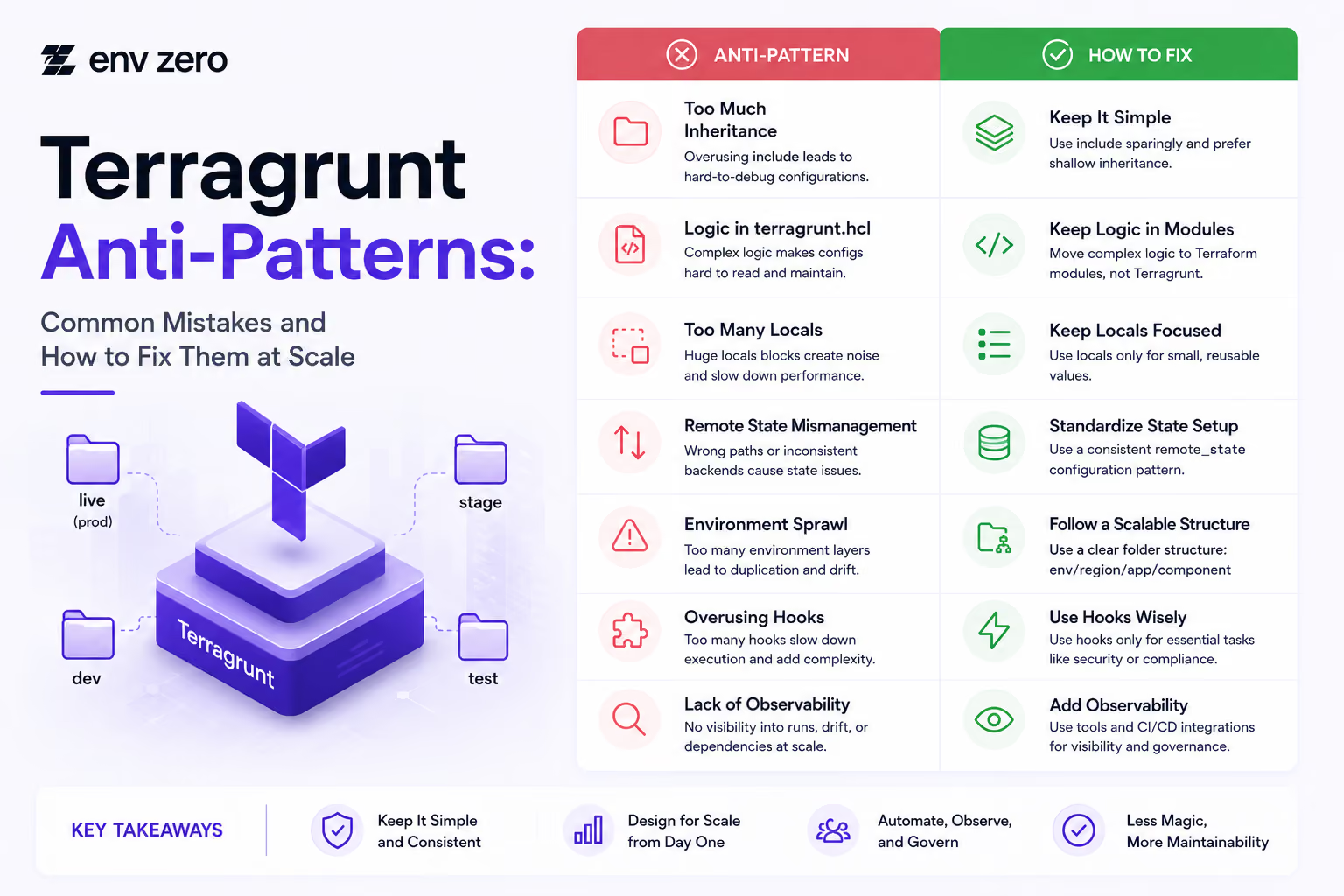

How to Install Terragrunt and Set Up Your First Multi-Environment Project (2026 Edition)
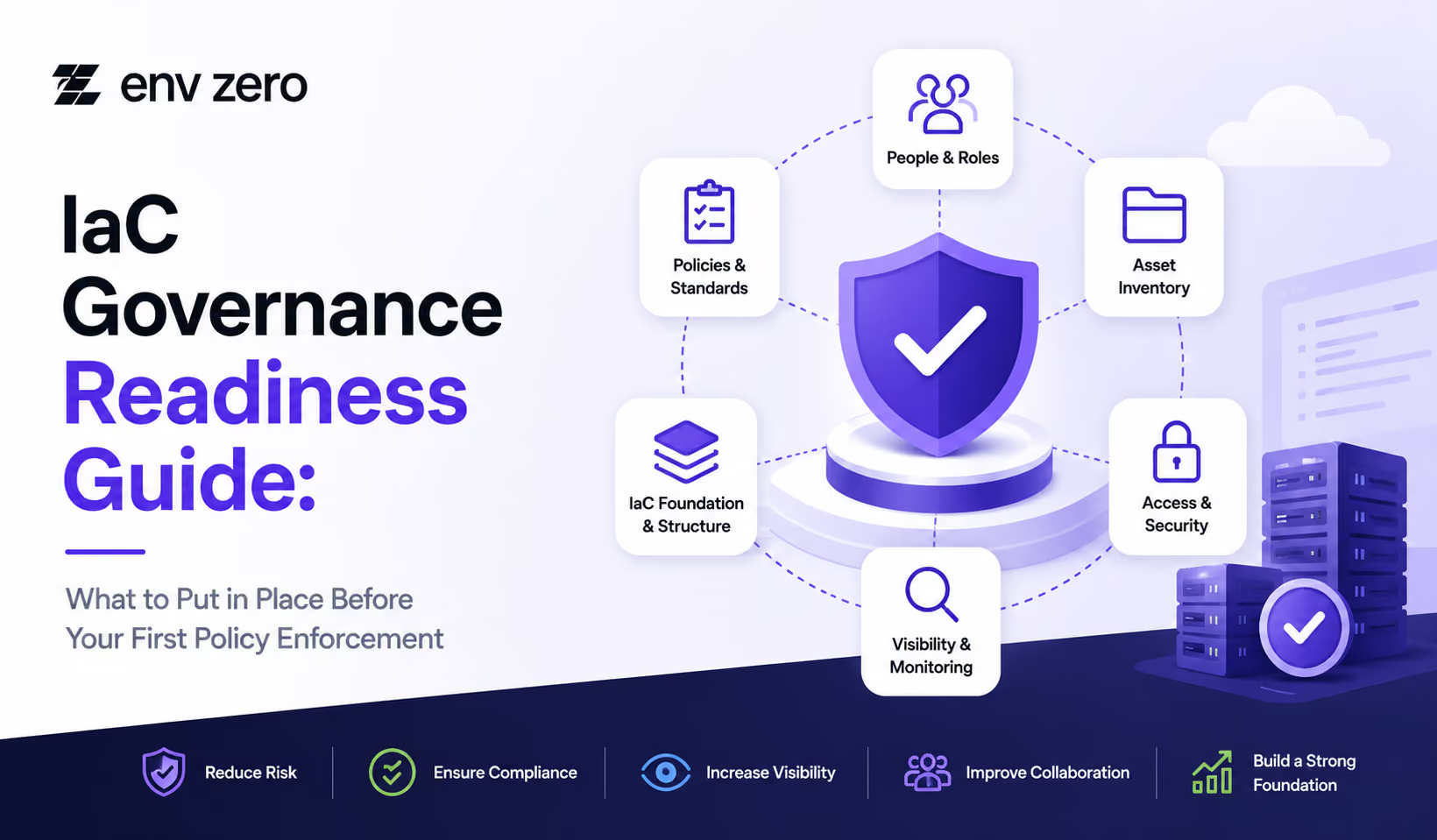
IaC Governance Readiness Guide: What to Put in Place Before Your First Policy Enforcement
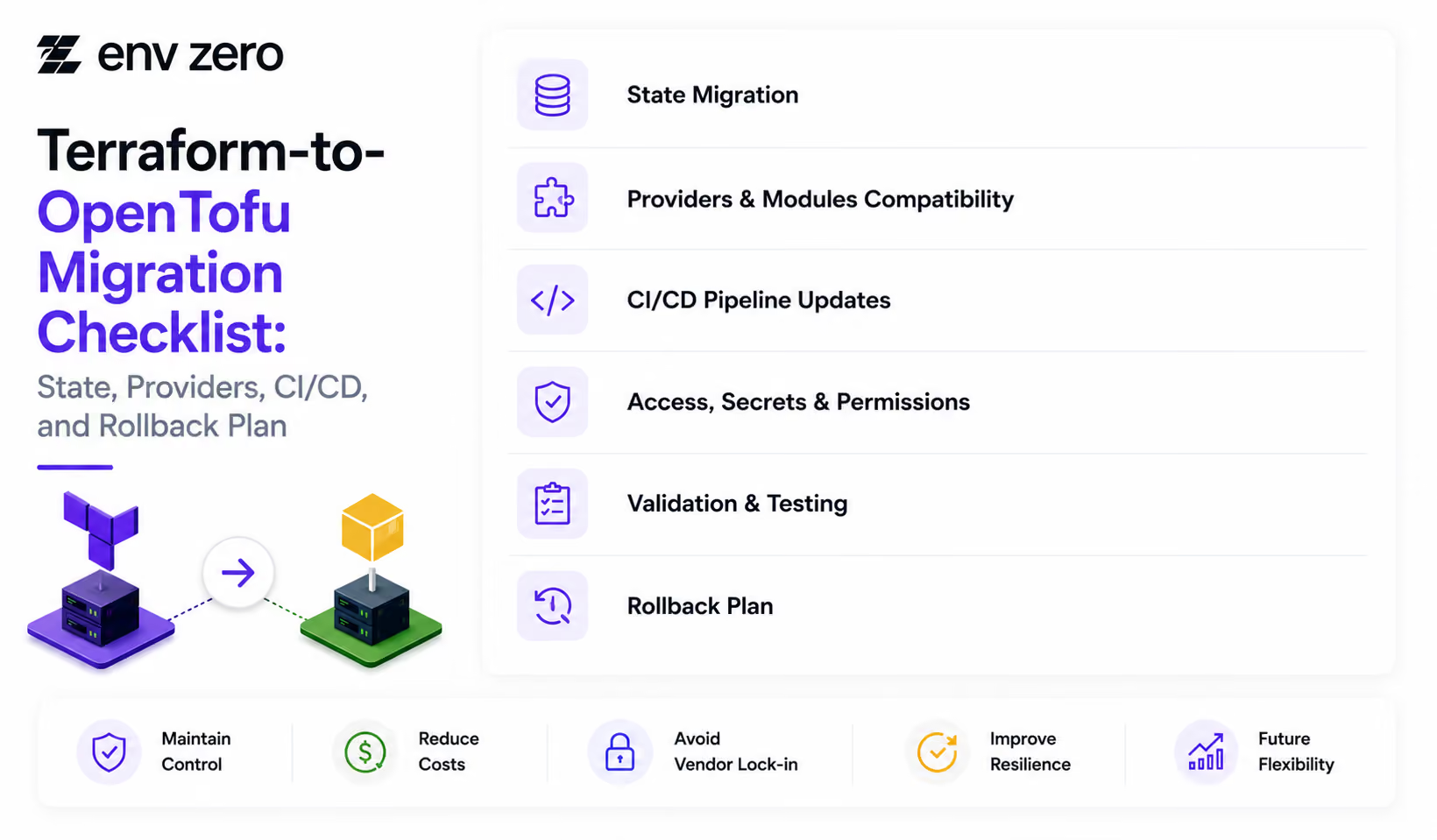
Terraform-to-OpenTofu Migration Checklist: State, Providers, CI/CD, and Rollback Plan














Audit Trail Setup Guide: Maintaining Compliance and Security Across Your Infrastructure


Pipeline Visibility Checklist: Ensuring Full Transparency Across Deployment Workflows

Rollback Readiness Checklist: Ensuring Fast and Reliable Recovery Across Environments
Deployment Automation Checklist: Ensuring Consistent and Reliable Infrastructure Delivery