.svg)


Risk management is a core part of cloud governance.
As cloud environments grow, organizations face more complexity across infrastructure, security, compliance, operations, and cost control.
Without a structured approach to risk reviews, teams may overlook issues that can lead to outages, security incidents, compliance failures, or unexpected spending.
Many cloud risks are not caused by a single major event. They often build slowly through weak controls, unclear ownership, inconsistent policies, manual changes, or poor visibility across environments.
A risk review checklist helps organizations identify these gaps before they become larger problems. It gives platform, security, compliance, and operations teams a repeatable framework for reviewing cloud risk and improving governance.
Why Risk Reviews Matter
Cloud environments change quickly. Teams provision resources, update configurations, release applications, and make infrastructure changes across multiple environments.
Without regular risk reviews, organizations may struggle to answer important questions such as:
- Which systems create the highest operational risk?
- Which environments are most exposed to security issues?
- Where are policy violations occurring?
- Which teams have unresolved compliance gaps?
- Which infrastructure changes create financial risk?
Risk reviews help organizations improve visibility and reduce the likelihood of major incidents.
They also support:
- Stronger security controls
- Better compliance readiness
- Improved change management
- Faster issue resolution
- Better cost visibility
- Clearer accountability across teams
What a Risk Review Should Include
A strong cloud risk review should cover:
- Security controls
- Compliance requirements
- Infrastructure changes
- Cost management
- Resource ownership
- Access permissions
- Deployment workflows
- Environment drift
- Incident response readiness
Without a broad review process, organizations may focus too heavily on one type of risk while overlooking others.
The Risk Review Checklist
Use the checklist below to evaluate whether your organization is reviewing cloud risk effectively.
Define High-Risk Environments
Not every environment carries the same level of risk.
Organizations should identify:
- Production environments
- Shared infrastructure
- Regulated workloads
- Customer-facing applications
- High-cost systems
- Critical business services
High-risk environments should receive more frequent reviews and stronger governance controls.
Review Identity and Access Controls
Access management is one of the most important areas of cloud risk.
Teams should review:
- Admin permissions
- Shared accounts
- Expired temporary access
- Service account privileges
- Multi-factor authentication usage
- Access policies across environments
Weak access controls can increase both security and compliance risk.
Evaluate Infrastructure Changes
Infrastructure changes can introduce risk when they happen without proper review.
Organizations should assess:
- Manual changes outside approved workflows
- Unreviewed production changes
- Missing rollback plans
- Inconsistent deployment processes
- Unapproved configuration updates
Strong change management reduces the risk of outages and failed deployments.
Monitor Security Findings
Security findings should be reviewed regularly and prioritized by severity.
Organizations should track:
- Open vulnerabilities
- Misconfigured cloud services
- Unencrypted resources
- Exposed network ports
- Outdated software versions
- Unresolved security alerts
Unresolved findings can create major long-term risk.
Review Compliance Requirements
Organizations operating in regulated industries should review compliance risk regularly.
This may include:
- Data retention requirements
- Audit evidence
- Policy enforcement records
- Encryption standards
- Access review history
- Regulatory reporting requirements
Compliance reviews help organizations avoid gaps that may lead to penalties or failed audits.
Check Resource Ownership
Cloud resources should always have a clear owner.
Teams should identify:
- Resources without ownership tags
- Shared environments without accountability
- Applications without support teams
- Cost centers without owners
- Unused resources with no assigned team
Ownership gaps often lead to delayed response times and poor governance.
Review Cloud Costs and Spending Risks
Cloud costs can create financial risk when teams lack visibility or controls.
Organizations should review:
- Budget overruns
- Unused resources
- Oversized infrastructure
- High-cost environments
- Unapproved spending increases
- Shared costs without clear allocation
Regular reviews help organizations avoid waste and improve budget accuracy.
Evaluate Drift and Configuration Risk
Infrastructure drift increases operational and security risk.
Organizations should assess:
- Differences between code and deployed environments
- Manual changes in production
- Environment inconsistencies
- Outdated templates
- Temporary policy exceptions that remain active
Drift reviews help organizations maintain more consistent environments.
Review Incident Response Readiness
Organizations should review how prepared teams are to respond to incidents.
This may include:
- On-call coverage
- Escalation paths
- Incident response procedures
- Communication plans
- Backup and recovery readiness
- Service monitoring coverage
A strong incident response process reduces the impact of unexpected issues.
Review Risk Trends Regularly
Risk management should not happen only during major incidents.
Organizations should review trends such as:
- Repeat policy violations
- Frequent escalation requests
- Common security findings
- Cost spikes
- Delayed remediation timelines
- Repeated deployment failures
Trend analysis helps teams improve governance over time.
Common Risk Review Mistakes
Many organizations focus only on security risk while ignoring operational, financial, and compliance risks.
Another common mistake is performing reviews too infrequently. Risks can grow quickly in fast-moving cloud environments.
Organizations also often fail to assign ownership for risk remediation. When nobody is responsible for resolving a risk, issues may remain open for long periods of time.
Finally, some teams document risks but never follow up on whether they were resolved.
Best Practices for Improving Risk Reviews
Organizations can improve risk reviews by following several best practices.
Prioritize High-Risk Areas
Production systems, shared infrastructure, regulated workloads, and customer-facing applications should receive the most attention.
Use Consistent Review Criteria
Risk reviews should use the same categories, scoring methods, and reporting structure across teams.
Combine Automation and Manual Reviews
Automation can help detect drift, security findings, and cost anomalies, while manual reviews provide additional context.
Assign Clear Ownership
Every identified risk should have a clear owner responsible for remediation and follow-up.
Review Risk Data Frequently
Regular reviews help organizations identify patterns and reduce recurring issues.
Conclusion
Risk reviews are a critical part of cloud governance and risk management.
They help organizations identify gaps, reduce uncertainty, and improve operational resilience across cloud environments.
A risk review checklist gives enterprise teams a repeatable framework for reviewing security, compliance, cost, access, drift, and operational risk.
For organizations focused on cloud governance, risk reviews are not a one-time task. They are an ongoing process that supports stronger decision-making, better visibility, and more consistent cloud operations.
FAQs
What is a cloud risk review?
A cloud risk review is a process for identifying and evaluating security, compliance, operational, and financial risks across cloud environments.
Why are risk reviews important?
Risk reviews are important because they help organizations identify issues early, reduce operational risk, improve security, and strengthen governance.
What areas should be included in a risk review?
Risk reviews should include access controls, infrastructure changes, security findings, compliance requirements, cloud costs, ownership, and incident response readiness.
How often should organizations perform risk reviews?
Organizations should perform risk reviews regularly, especially for production systems, shared environments, and high-risk workloads.
Related Content
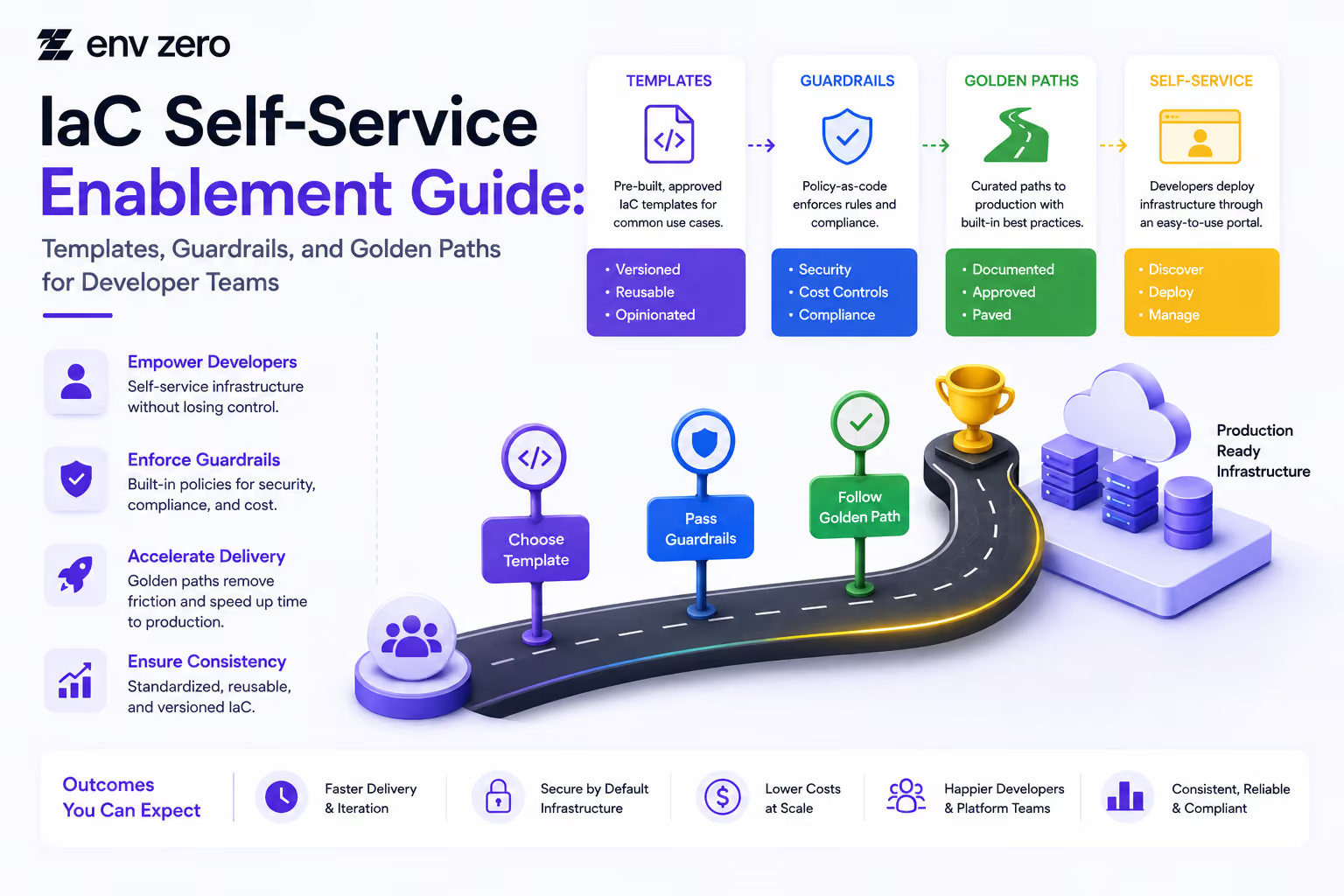
IaC Self-Service Enablement Guide: Templates, Guardrails, and Golden Paths for Developer Teams
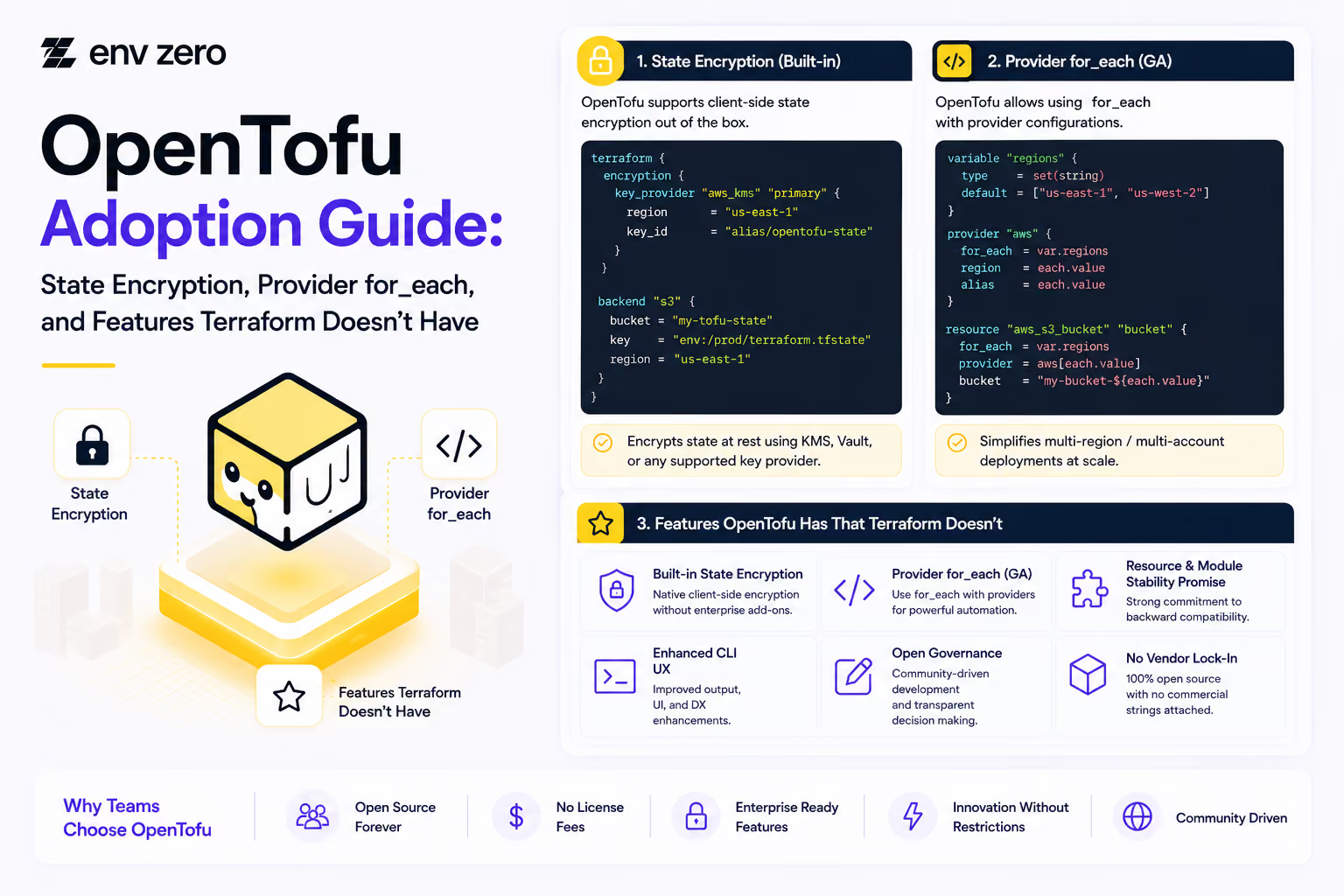
OpenTofu Adoption Guide: State Encryption, Provider for_each, and Features Terraform Doesn't Have
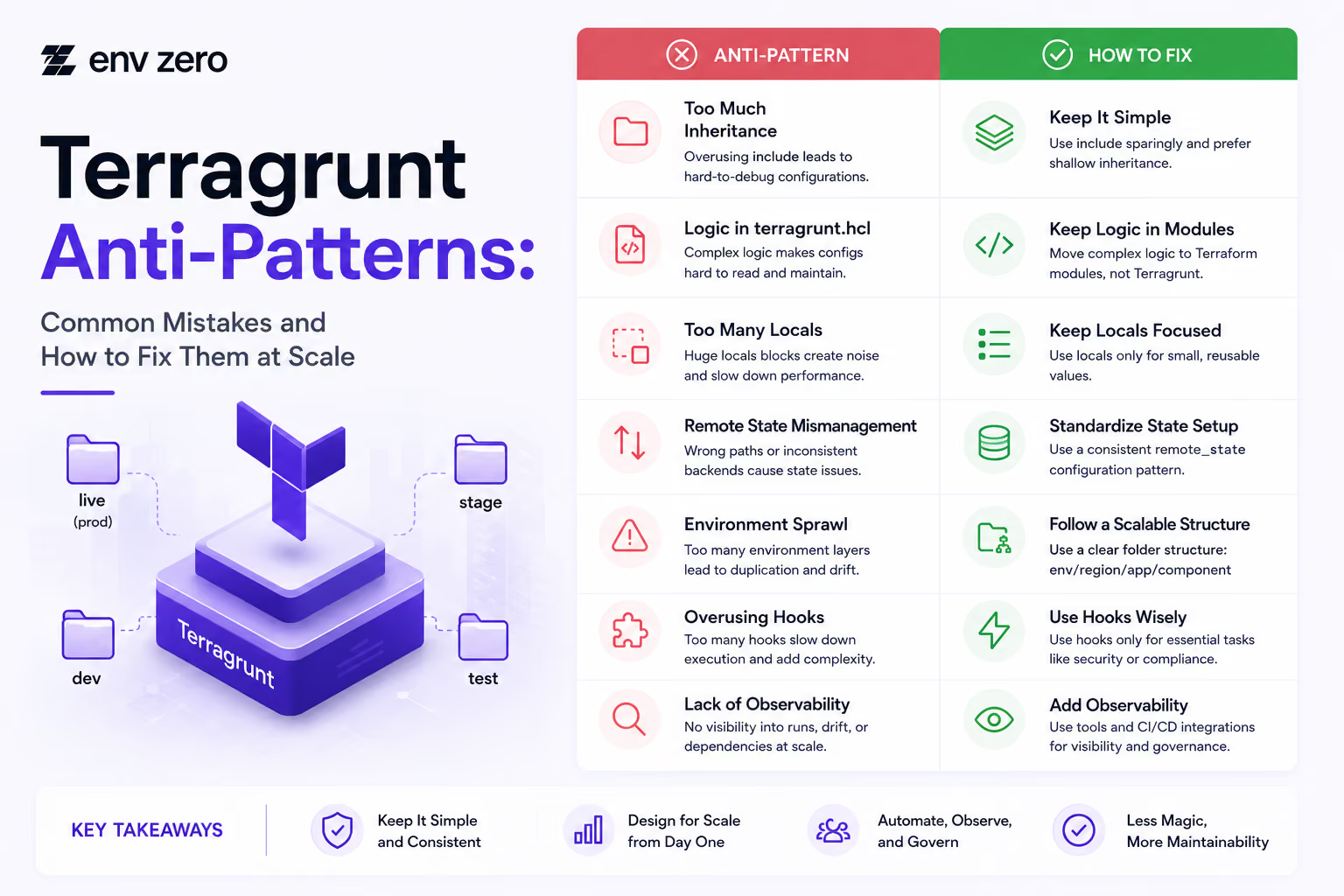

How to Install Terragrunt and Set Up Your First Multi-Environment Project (2026 Edition)
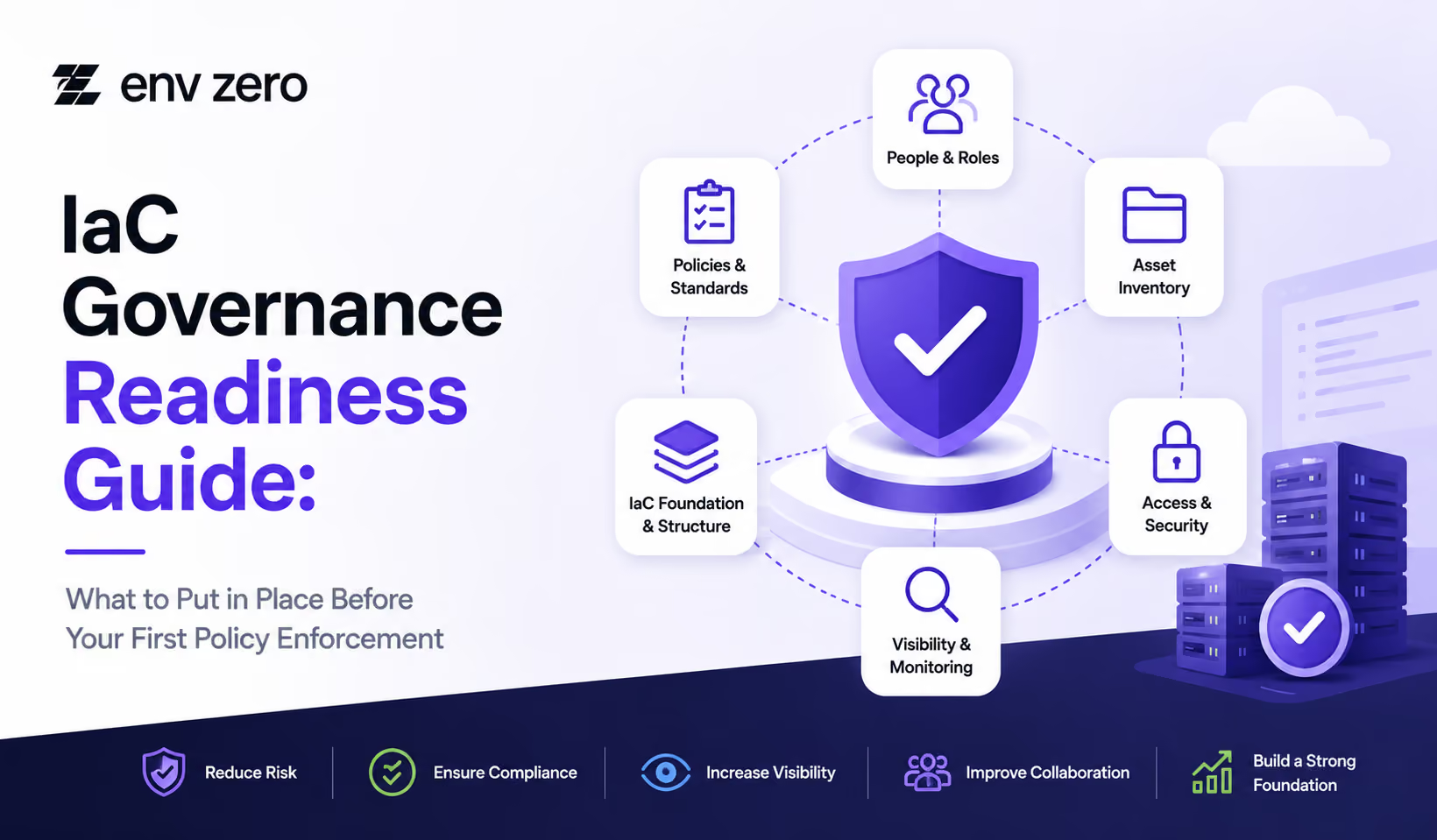
IaC Governance Readiness Guide: What to Put in Place Before Your First Policy Enforcement
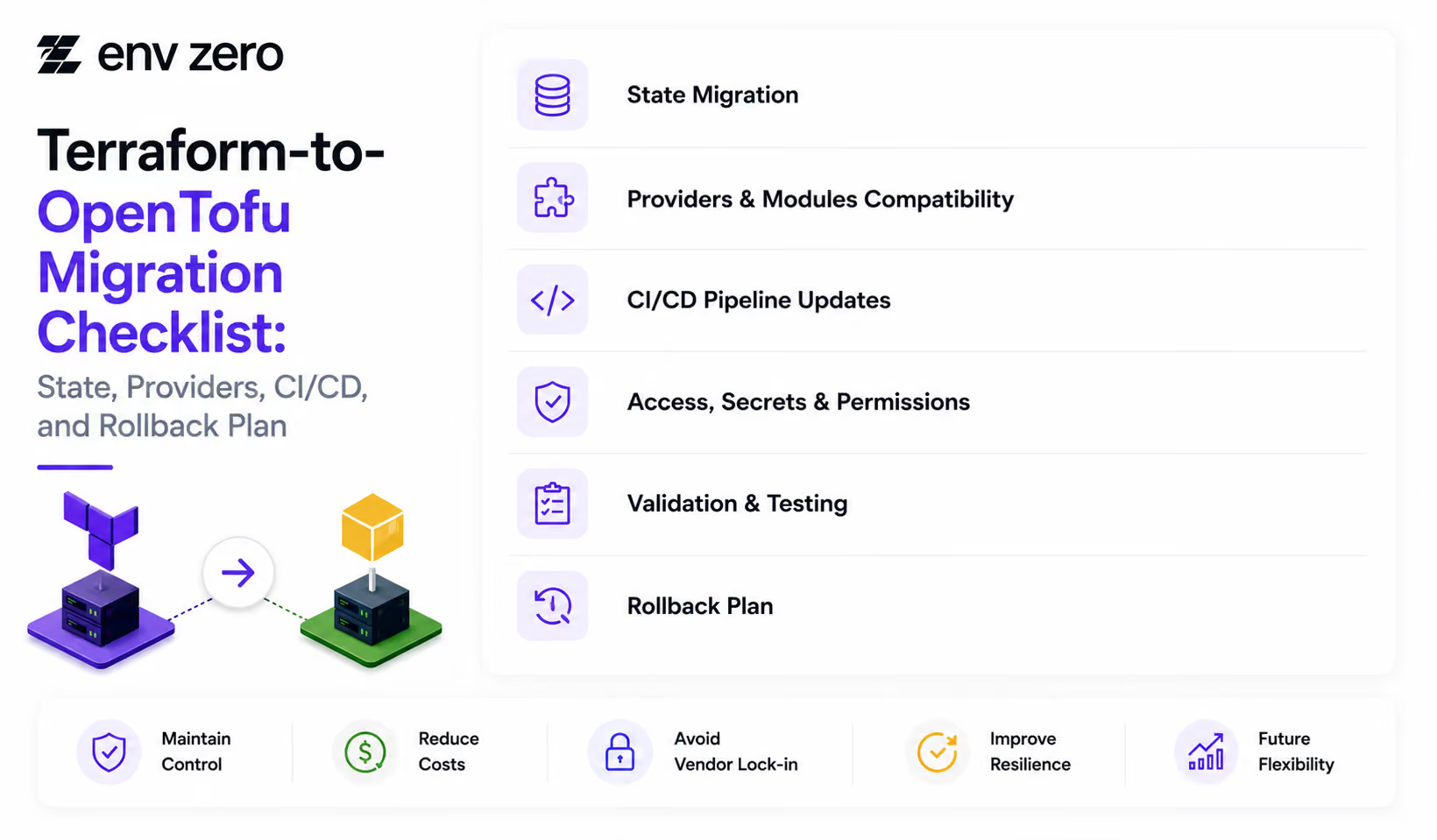
Terraform-to-OpenTofu Migration Checklist: State, Providers, CI/CD, and Rollback Plan
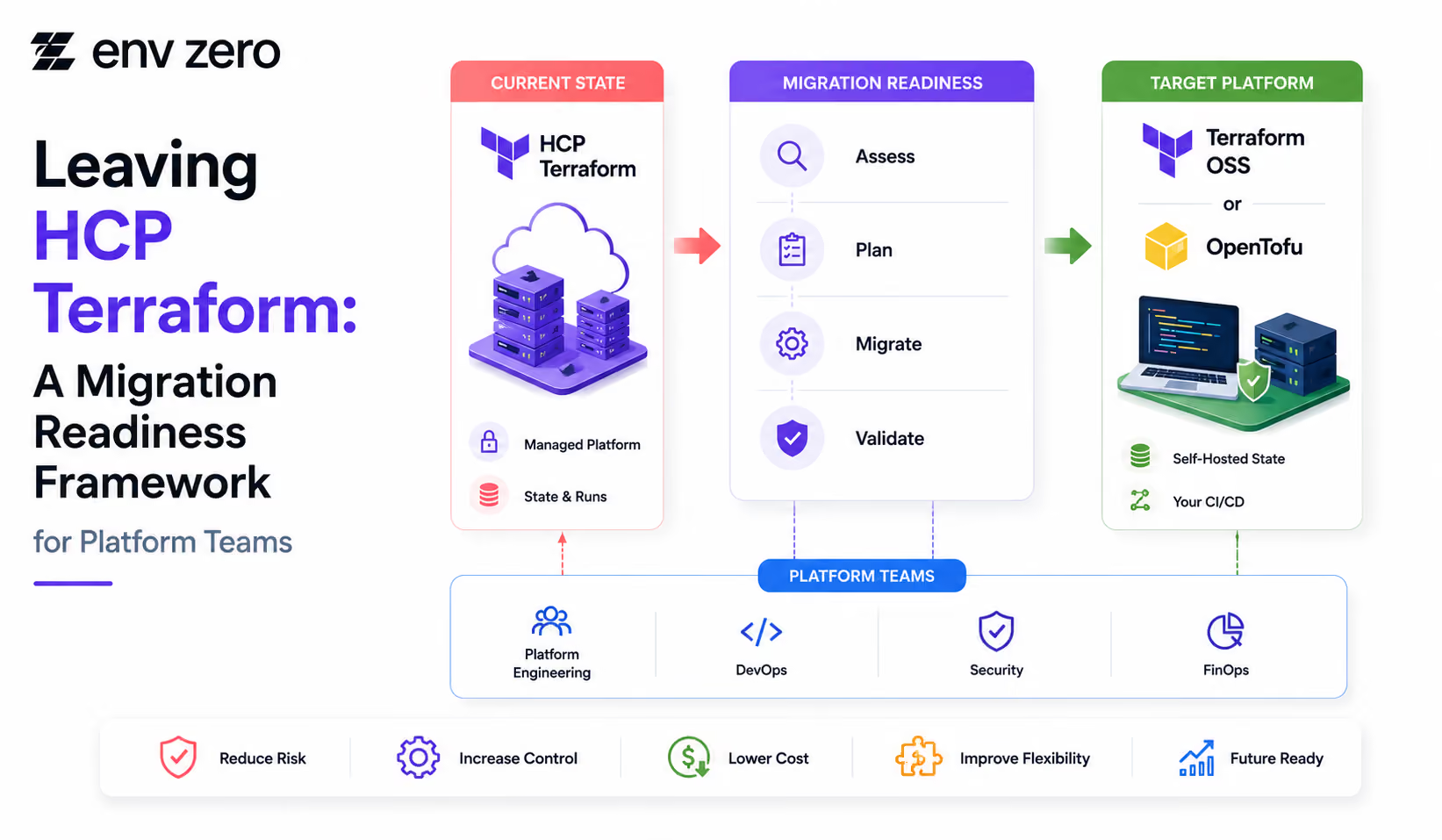
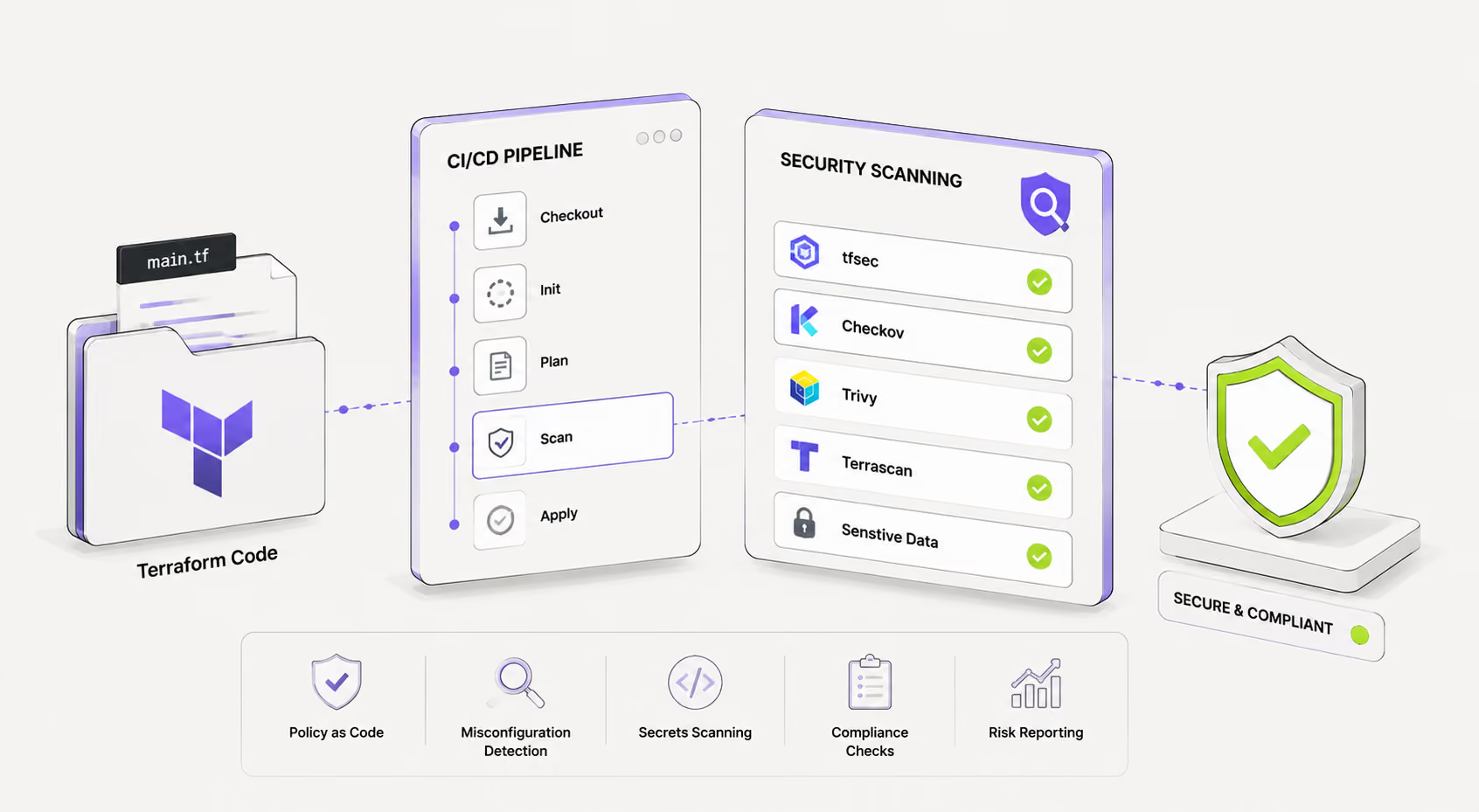









Audit Trail Setup Guide: Maintaining Compliance and Security Across Your Infrastructure


Pipeline Visibility Checklist: Ensuring Full Transparency Across Deployment Workflows

Rollback Readiness Checklist: Ensuring Fast and Reliable Recovery Across Environments
Deployment Automation Checklist: Ensuring Consistent and Reliable Infrastructure Delivery