.svg)
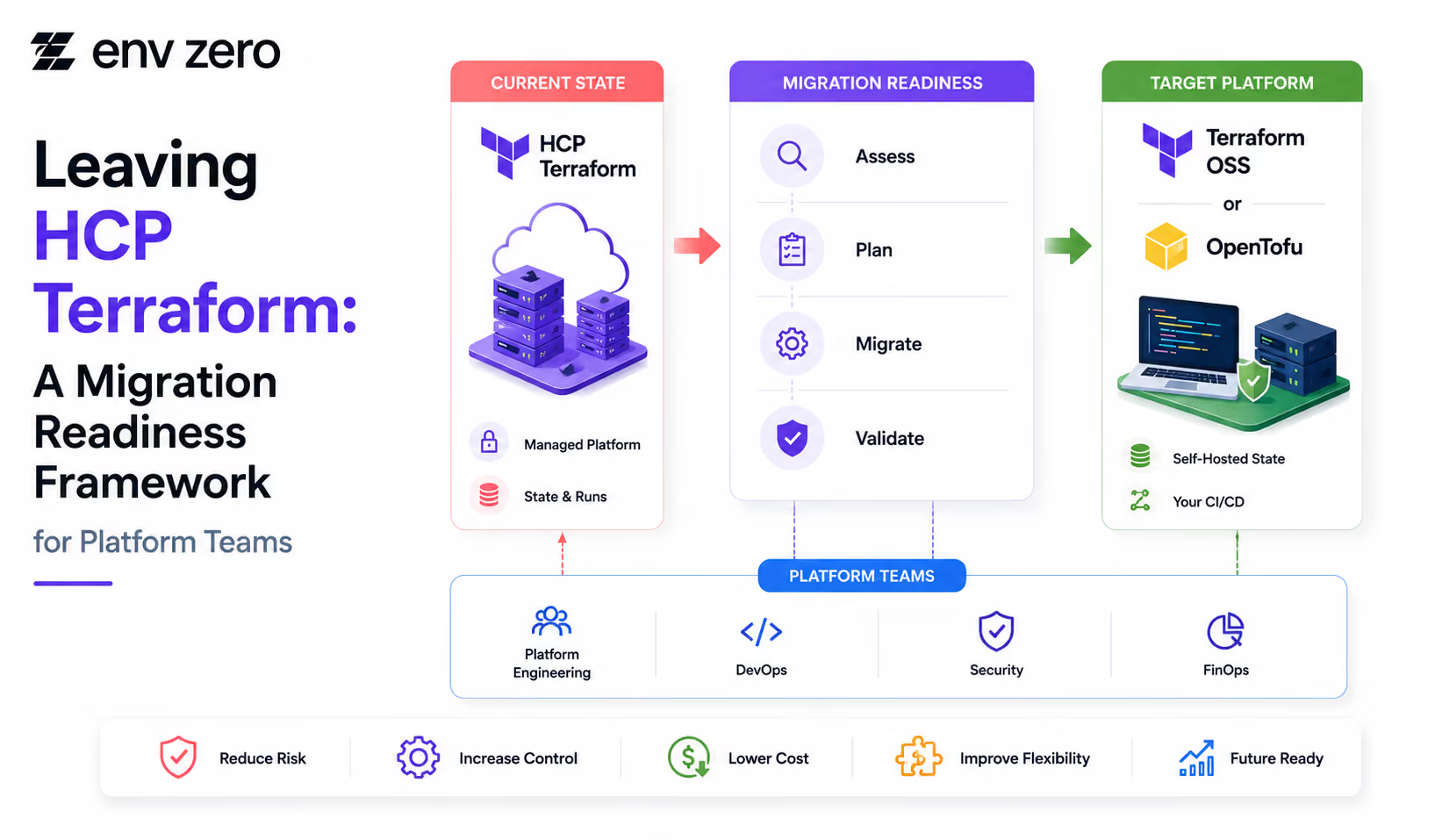

Terraform alternatives are now a serious evaluation topic for platform teams that need better governance, cost visibility, OpenTofu support, or more flexible infrastructure workflows.
But switching away from HCP Terraform, Terraform Cloud, or a homegrown Terraform process should not be rushed.
The wrong move can create state risk, broken pipelines, policy gaps, duplicated workflows, or higher operational overhead.
The right move can improve developer self-service, reduce bottlenecks, and give platform teams stronger control over infrastructure delivery.
Use this checklist before choosing a Terraform alternative, Atlantis alternative, OpenTofu migration path, or broader IaC governance platform.
Key Takeaways
Platform teams should evaluate Terraform alternatives by operating model, not only feature lists.
The best choice should support governance, state safety, cost visibility, approvals, drift detection, and developer self-service.
env zero helps teams govern Terraform, OpenTofu, Terragrunt, Pulumi, Helm, Kubernetes, and broader IaC workflows from one platform.
Why Are We Switching?
Start with the reason. Are you switching because of Terraform Cloud pricing, OpenTofu strategy, governance gaps, vendor concerns, or developer experience?
A pricing problem needs a cost model review. A governance problem needs RBAC, policies, audit logs, and approvals.
A migration problem needs state, providers, and CI/CD validation.
If the reason is unclear, the evaluation will become a tool comparison instead of a platform decision.
Are We Replacing Terraform or Terraform Cloud?
These are different decisions. Terraform is the IaC engine. Terraform Cloud is the platform layer for runs, state, collaboration, and policy workflows.
Some teams may keep Terraform but move to a different management platform.
Others may evaluate OpenTofu as a Terraform-compatible alternative. Some may use Pulumi or another IaC framework for specific teams.
Be clear about what is changing: the engine, the platform, or both.
How Important Is OpenTofu Support?
An OpenTofu vs Terraform platform engineering comparison should look beyond licensing.
Teams should review provider compatibility, state handling, module behavior, policy support, and workflow governance.
OpenTofu can be attractive for teams that want Terraform-style workflows with a more open-source direction.
But migration should still be tested carefully, especially for production workspaces.
A strong Terraform alternative should support both current and future IaC strategy.
What Happens to State?
State is one of the biggest migration risks. Before switching, identify where the state lives, who owns it, which workspaces are active, and which environments are production-critical.
Create a state inventory with workspace name, environment, owner, backend, dependencies, and risk level. Do not move to a high-risk production state first.
A platform decision is not ready until state safety is clear.
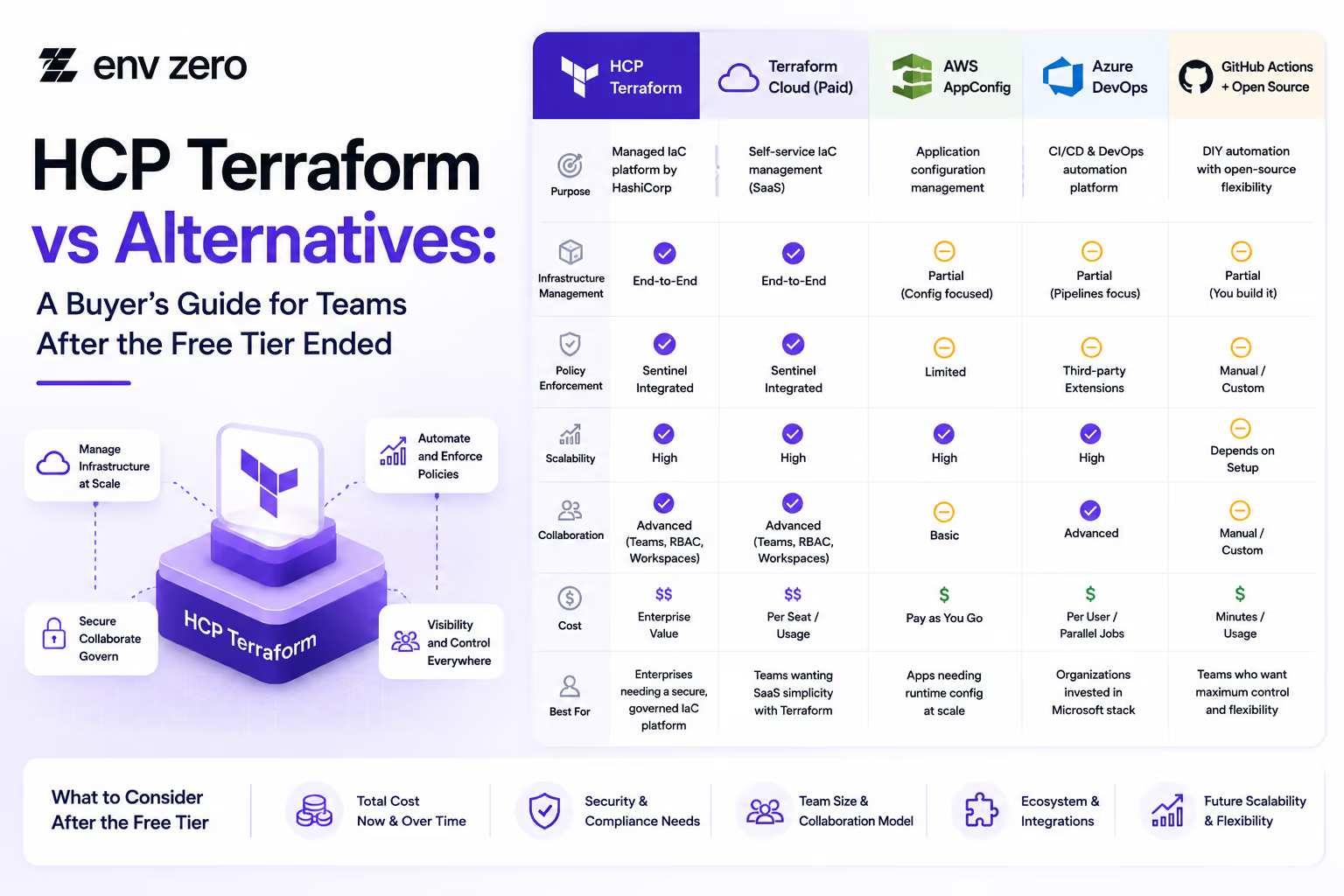
What Is Our Terraform Cloud Pricing Exposure?
Terraform Cloud pricing should be evaluated against current and future usage.
Look at managed resources, team growth, workspaces, run volume, support needs, and governance requirements.
Also compare hidden costs. A cheaper platform may become expensive if your team must build missing approvals, drift detection, audit logs, and cost controls manually.
Pricing should be measured against total operating cost, not only subscription cost.
Do We Need an Atlantis Alternative?
Atlantis Terraform workflows can be useful for pull request-based automation, especially for smaller teams. But Atlantis alone is not a complete governance platform.
If your team needs RBAC, approvals, audit logs, drift detection, cost visibility, self-service templates, and policy enforcement, you may need an Atlantis alternative or a broader platform layer.
Ask whether Atlantis still fits your team’s scale and compliance needs.
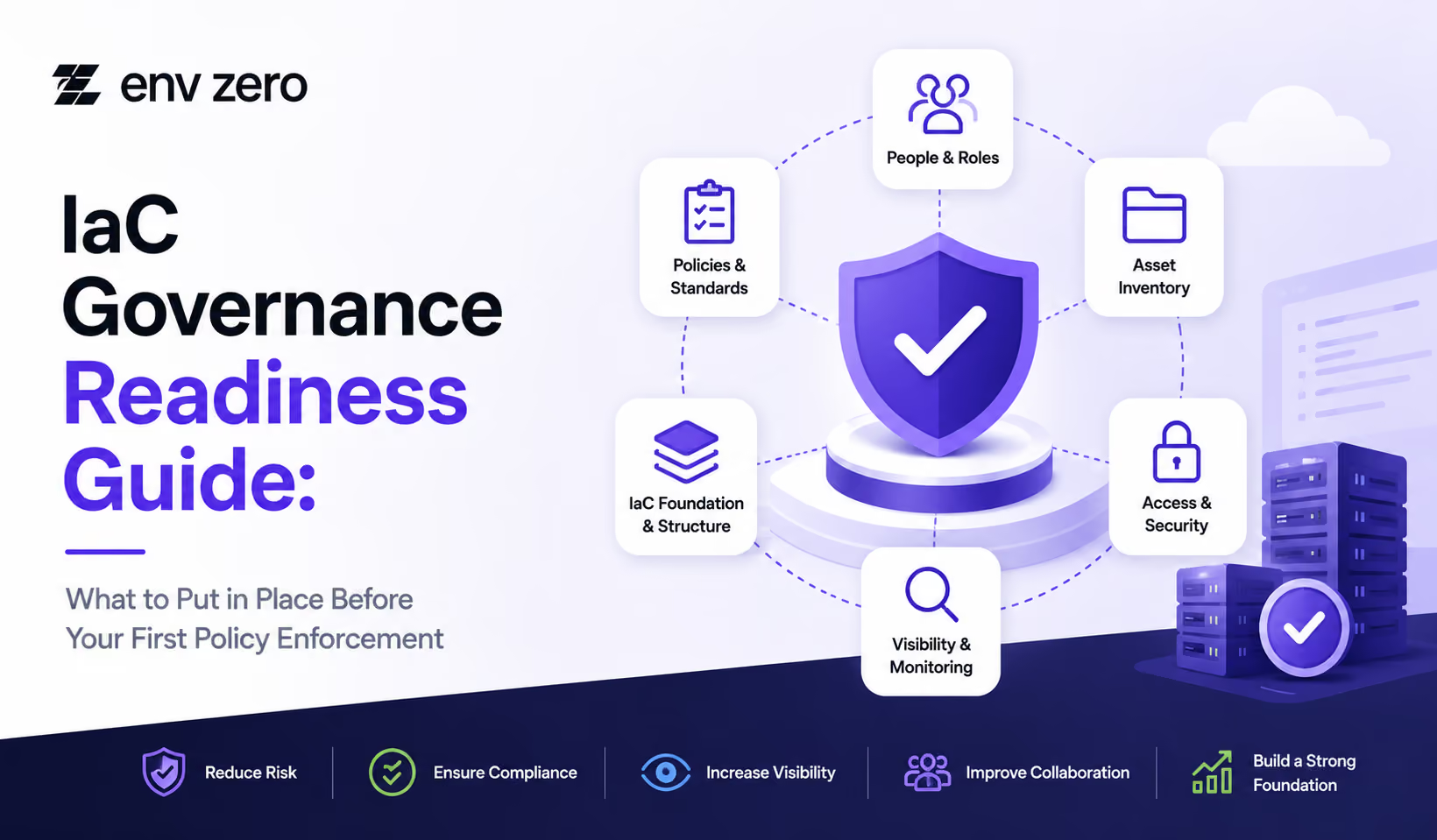
How Will Policies Be Enforced?
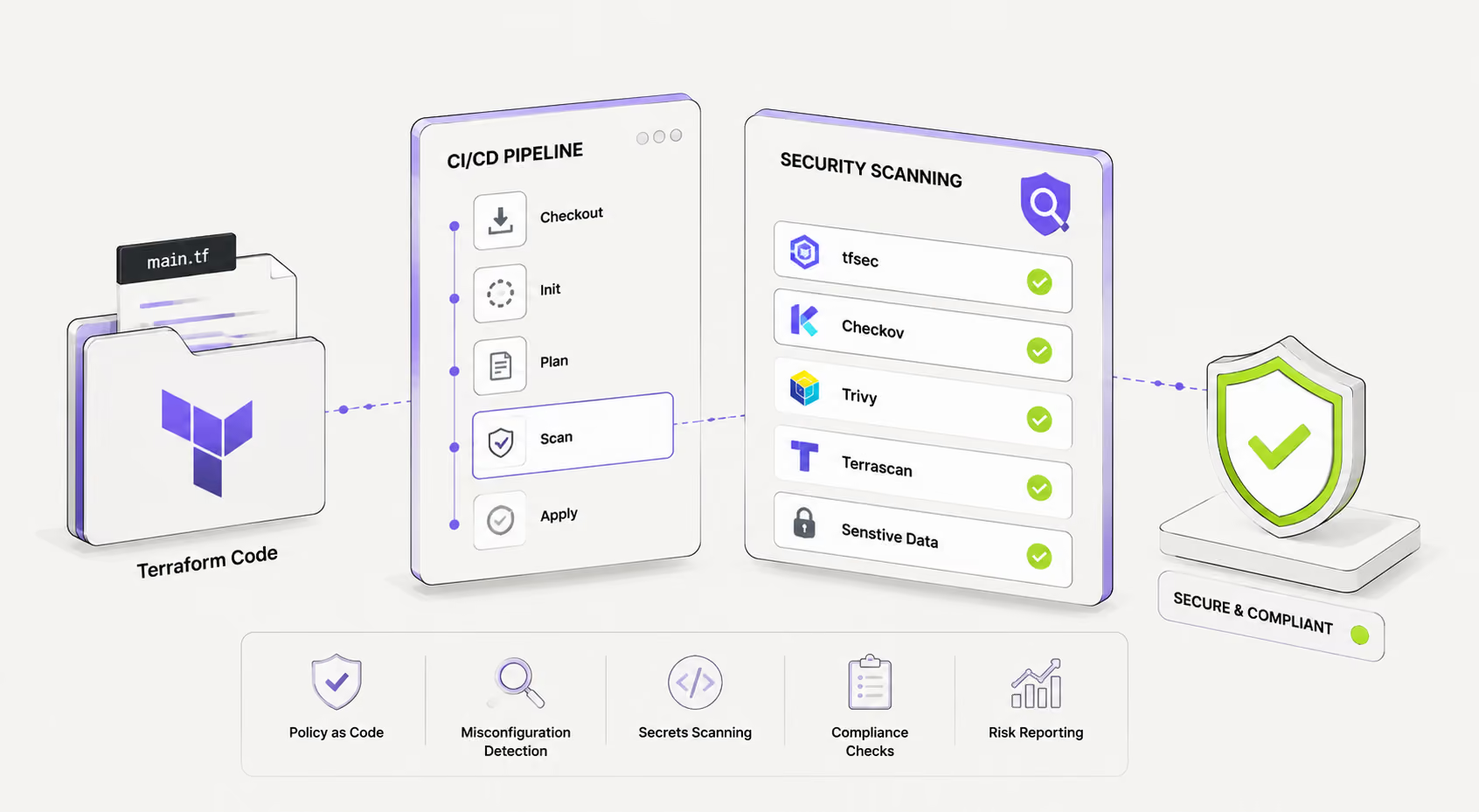
Terraform alternatives should support policy-as-code or policy workflows that match your risk model.
Production changes may need strict enforcement, while development environments may allow more flexibility.
Policies should cover security, cost, compliance, tags, regions, public access, and approved modules. They should also include exception workflows.
Without policy enforcement, switching platforms may only move the same governance gaps somewhere else.
Who Can Approve and Apply Changes?
Access control matters more as infrastructure scales. A good platform should define who can plan, approve, apply, edit variables, manage templates, and change production workflows.
Role-Based Access Control helps teams avoid over-permissioned infrastructure access.
Approval workflows help separate low-risk automation from high-risk production changes.
If permissions are unclear today, migration is a chance to fix them.
How Will Drift Be Detected?
Drift happens when real infrastructure no longer matches code. This may happen through cloud console changes, emergency fixes, or unmanaged scripts.
Before switching, ask how the new platform detects drift, reports it, and helps teams respond. Drift detection is not a nice-to-have for enterprise infrastructure. It is part of operational control.
Will Developers Get Better Self-Service?
A Terraform alternative should not only help platform teams. It should also improve developer experience.
Look for reusable templates, approved variables, guided workflows, and safe self-service infrastructure.
Developers should be able to request common resources without waiting on platform tickets.
The best platform makes the safe path the easiest path.
Can It Support Multi-IaC Workflows?
Many organizations will not use one IaC tool forever.
They may keep Terraform, adopt OpenTofu, use Terragrunt, test Pulumi, or manage Kubernetes and Helm workflows.
A platform that supports only one narrow workflow may create future limits. env zero helps teams manage multiple IaC frameworks through one governance layer, reducing fragmentation across teams.
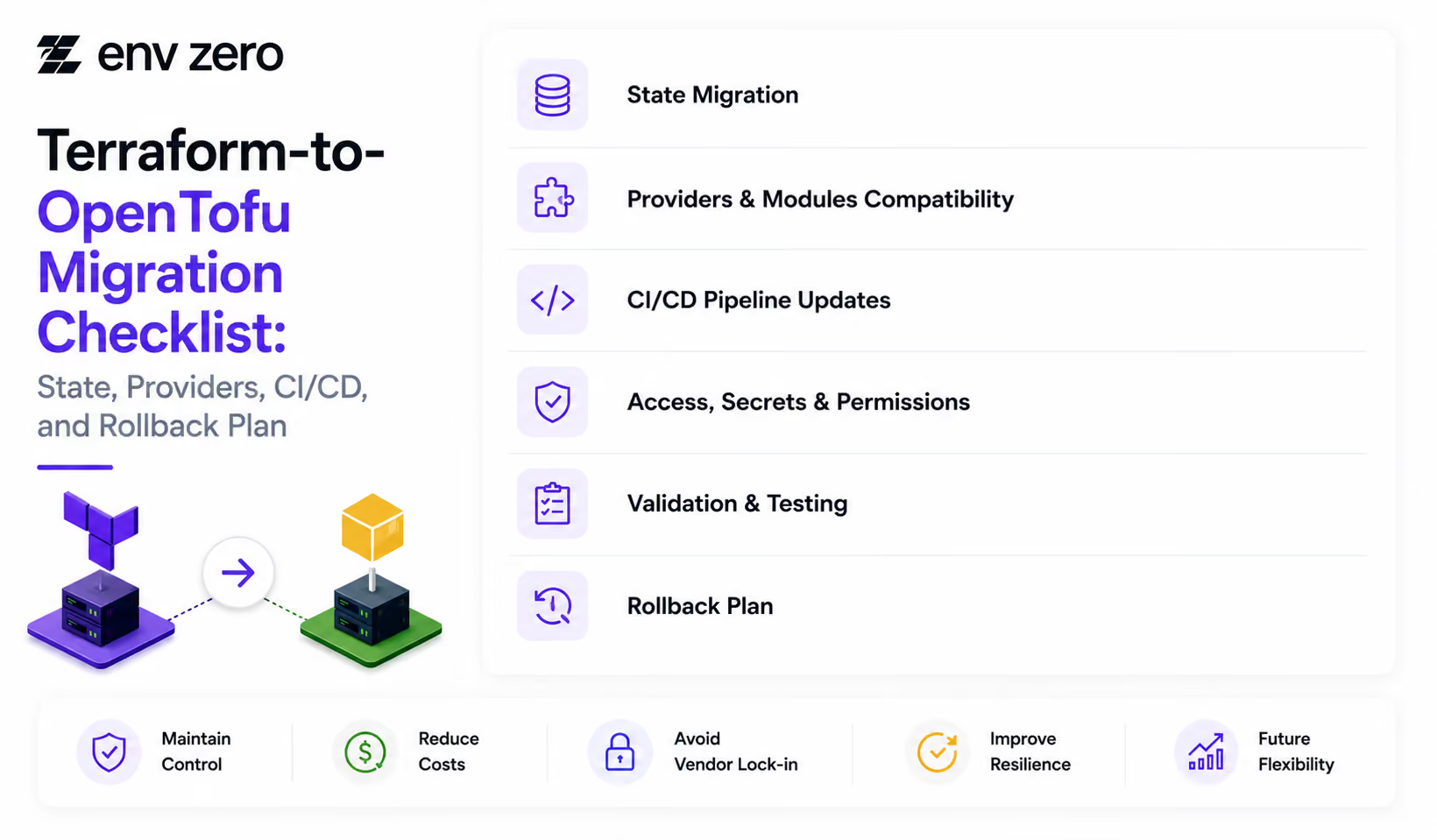
What Is the Migration Plan?
A strong migration plan should be phased. Start with low-risk workspaces, then move active non-production environments, then staging, and finally production-critical infrastructure.
Each phase should include plan comparison, state backup, secrets validation, policy testing, approval review, and rollback planning.
Do not judge migration success by speed. Judge it by stability, governance continuity, and reduced operational risk.
Why env zero Belongs on the Shortlist
env zero is built for teams that need more than a Terraform runner. It helps platform teams govern Terraform, OpenTofu, Terragrunt, Pulumi, Helm, Kubernetes, and broader IaC workflows.
With env0, teams can manage approvals, RBAC, policy controls, drift detection, cost visibility, audit logs, and developer self-service from one platform.
This makes it a strong fit for organizations evaluating Terraform alternatives, Atlantis alternatives, OpenTofu adoption, or Terraform Cloud pricing pressure.
Conclusion: Switch Only When the Operating Model Is Ready
The best Terraform alternative is not simply the tool with the most features.
It is the platform that supports your infrastructure operating model.
Before switching, answer the 12 questions in this checklist.
Review your state, pricing, policies, approvals, drift process, developer workflows, and migration plan.
A well-planned switch can improve governance and delivery speed. A rushed switch can create avoidable production risk.
Explore and Govern Terraform Alternatives with env0
env0 enables teams to evaluate Terraform alternatives while maintaining governance across multi-IaC environments.
Manage OpenTofu migrations, unify fragmented workflows, enforce policies, and scale infrastructure delivery safely.
Partner with env zero to transition from your current Terraform setup to a modern, controlled, and efficient IaC solutions platform that supports growth and compliance.
FAQs
What are Terraform alternatives?
Terraform alternatives include tools or platforms that replace, extend, or govern Terraform workflows. They may include OpenTofu, Pulumi, Atlantis alternatives, or platforms like env zero that manage Terraform and broader IaC workflows.
What should teams check before switching Terraform platforms?
Teams should review state, workspaces, pricing, policies, approvals, secrets, provider versions, drift detection, audit logs, and migration risk before switching.
Is OpenTofu a Terraform alternative?
Yes. OpenTofu is commonly evaluated as a Terraform-compatible alternative. Teams should still test providers, state, modules, pipelines, and governance before production migration.
Is Atlantis a good Terraform Cloud alternative?
Atlantis can work for pull request-based Terraform automation, but it may not be enough for teams that need RBAC, audit logs, drift detection, cost visibility, approvals, and self-service workflows.
How does env zero help with Terraform alternatives?
env zero helps teams govern Terraform, OpenTofu, Terragrunt, Pulumi, Helm, Kubernetes, and broader IaC workflows with approvals, RBAC, policies, drift detection, cost visibility, and auditability.
Related Content
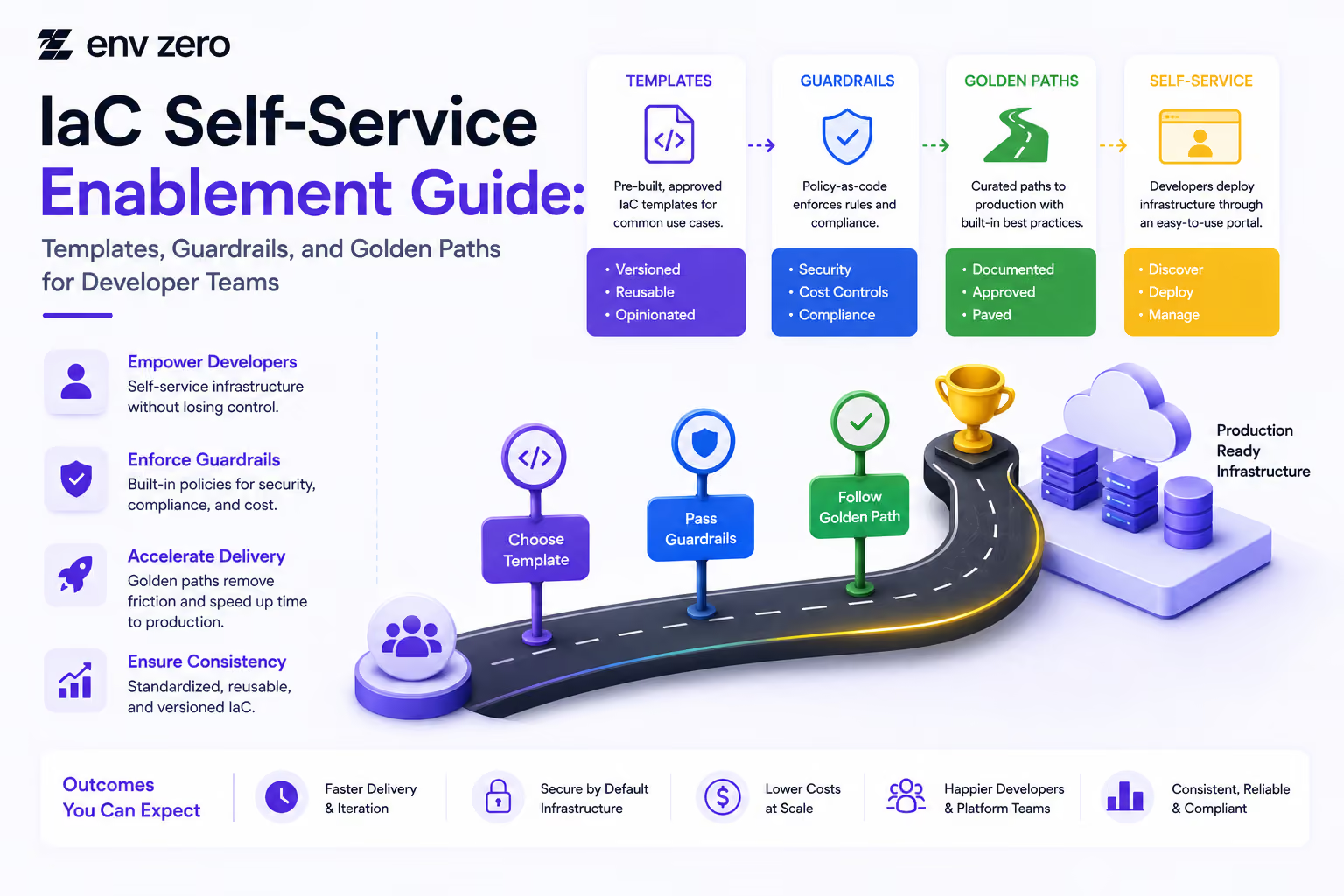
IaC Self-Service Enablement Guide: Templates, Guardrails, and Golden Paths for Developer Teams
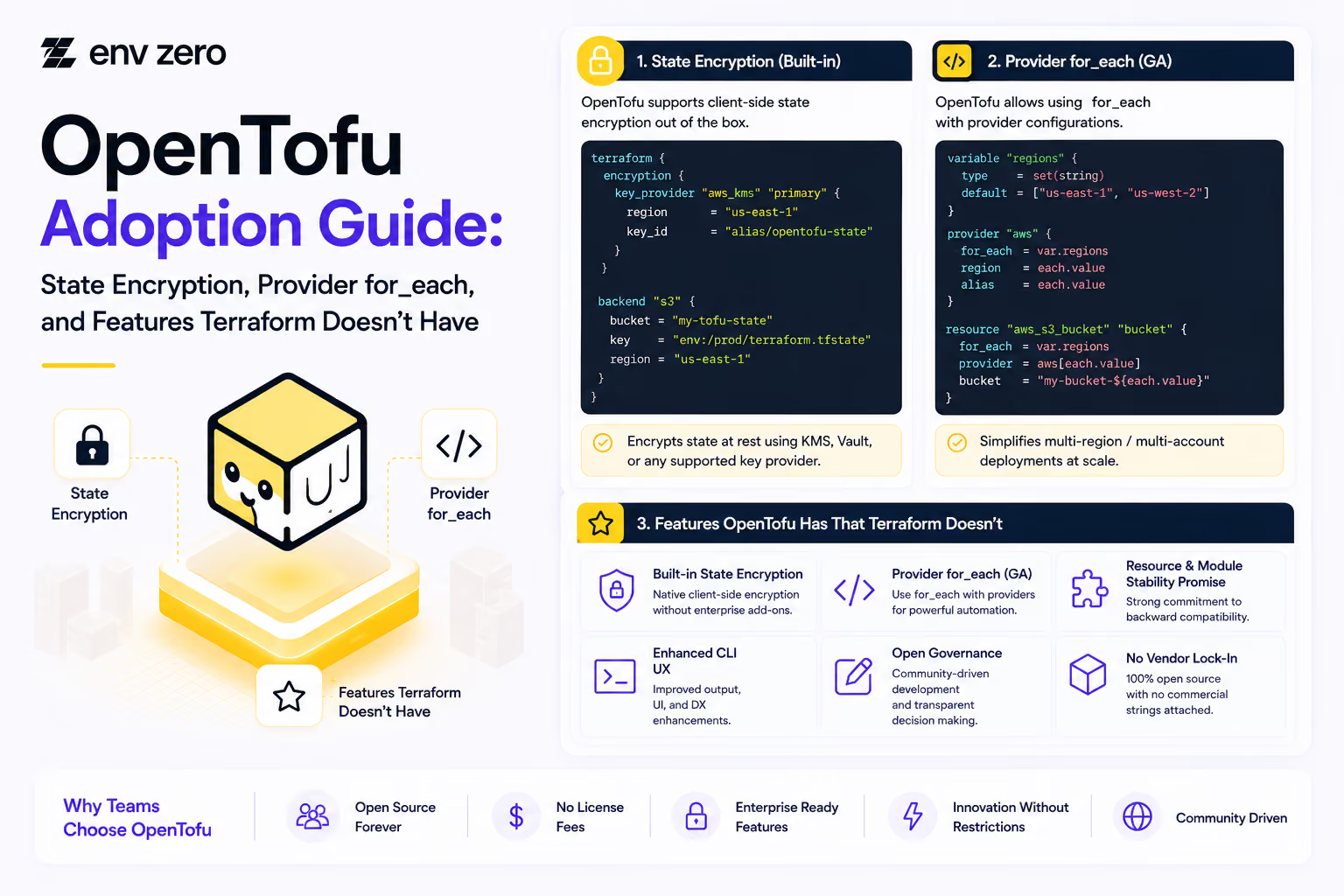
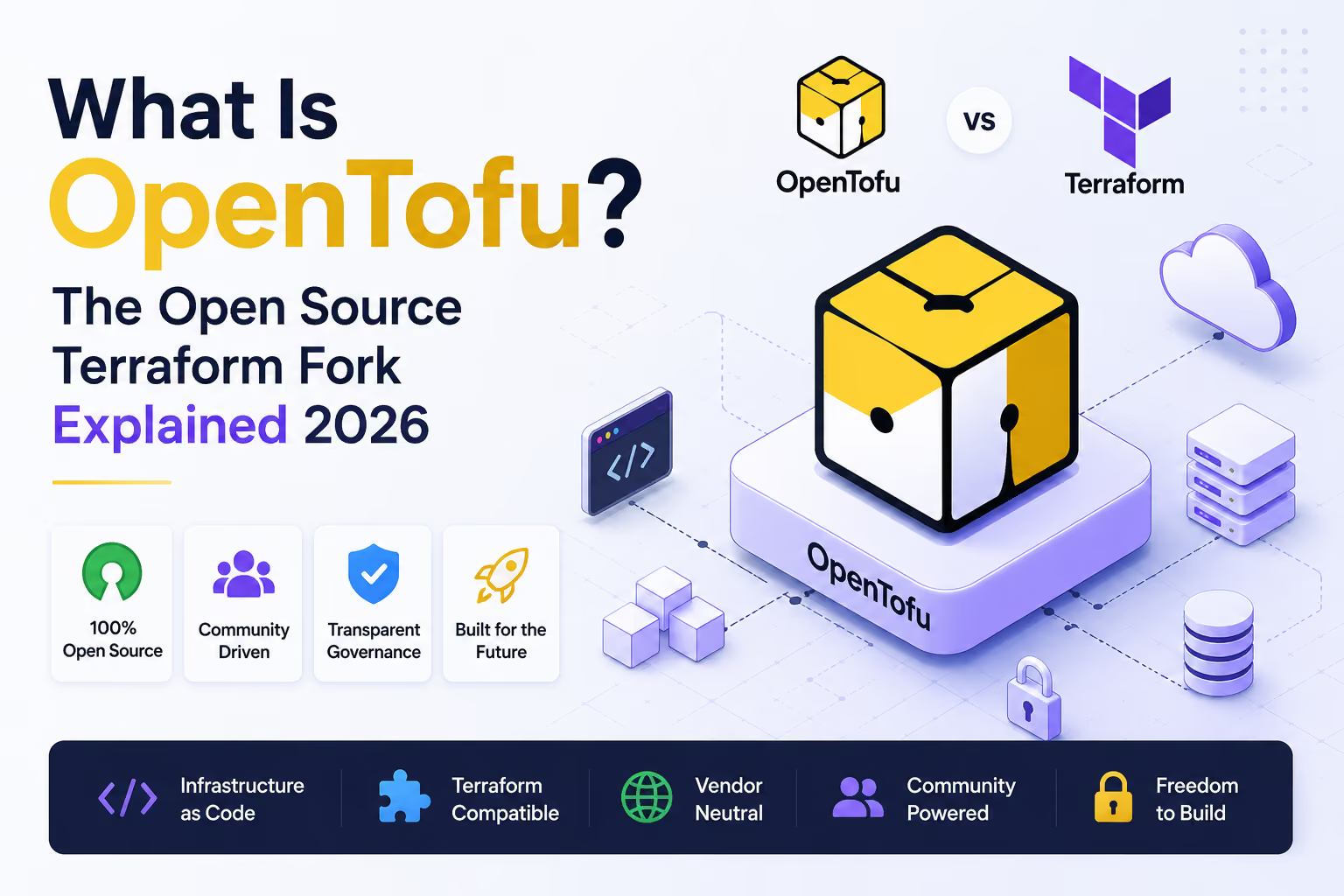
OpenTofu Adoption Guide: State Encryption, Provider for_each, and Features Terraform Doesn't Have
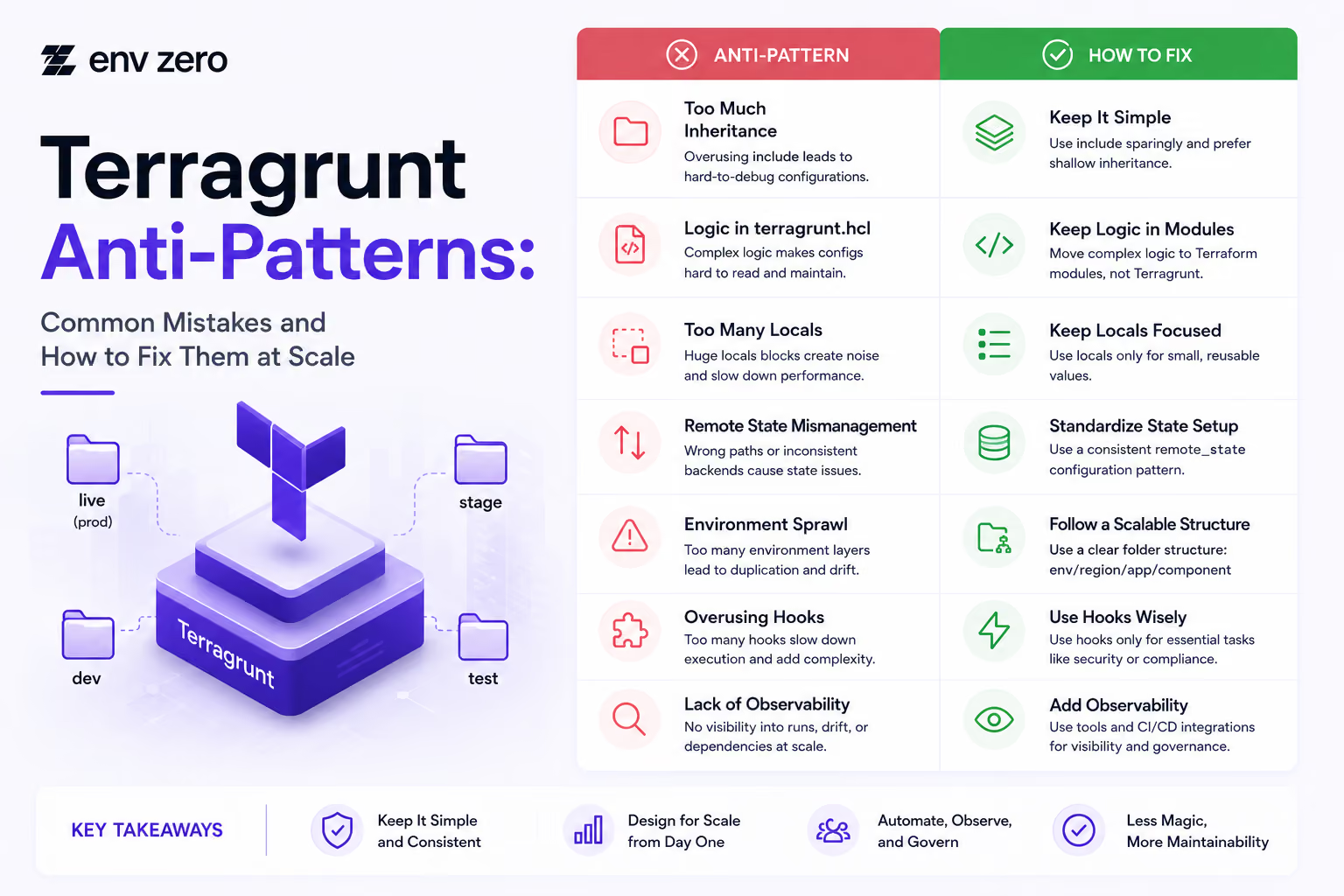

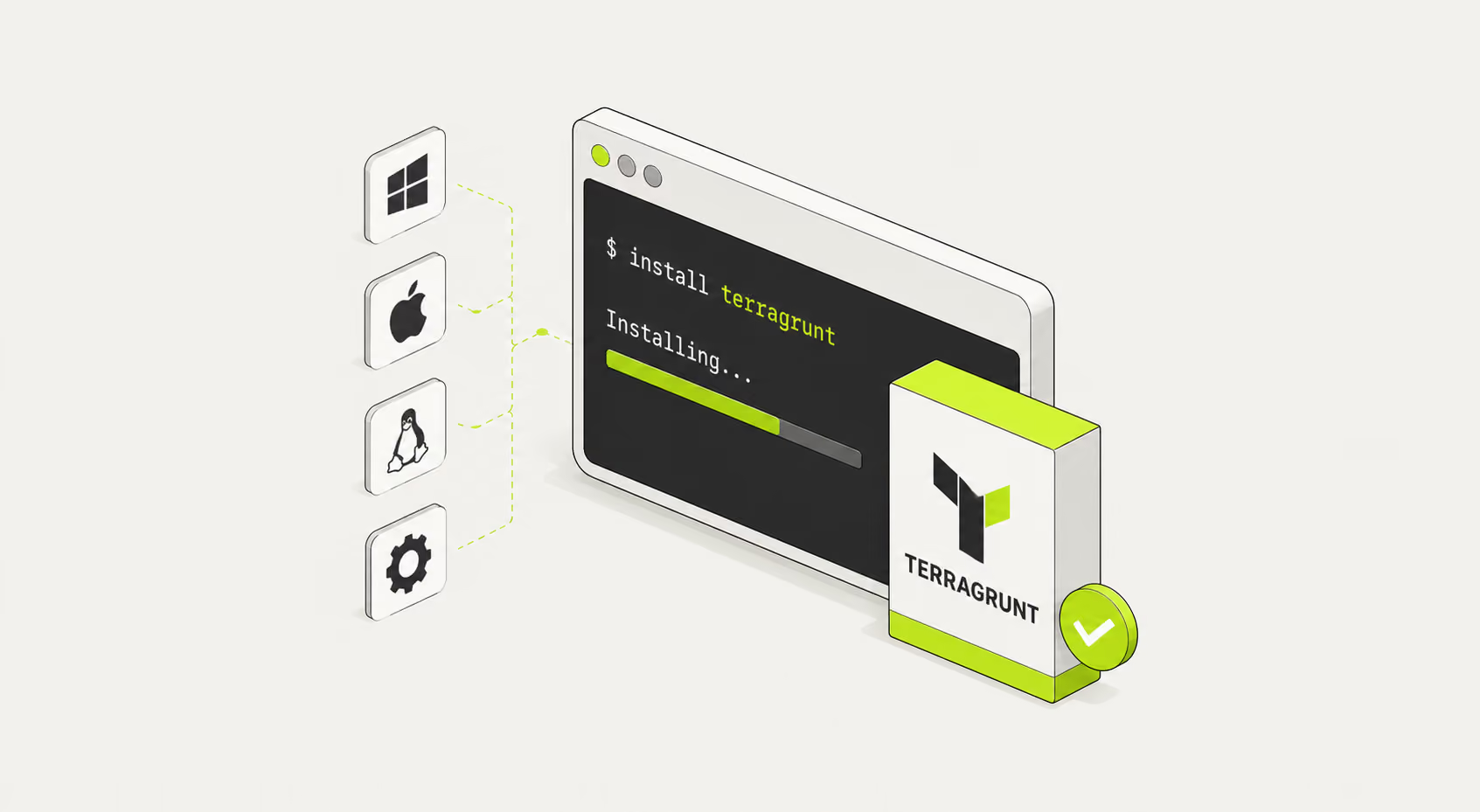
How to Install Terragrunt and Set Up Your First Multi-Environment Project (2026 Edition)
IaC Governance Readiness Guide: What to Put in Place Before Your First Policy Enforcement
Terraform-to-OpenTofu Migration Checklist: State, Providers, CI/CD, and Rollback Plan









Audit Trail Setup Guide: Maintaining Compliance and Security Across Your Infrastructure


Pipeline Visibility Checklist: Ensuring Full Transparency Across Deployment Workflows

Rollback Readiness Checklist: Ensuring Fast and Reliable Recovery Across Environments
Deployment Automation Checklist: Ensuring Consistent and Reliable Infrastructure Delivery