.svg)


Infrastructure templates are at the core of self-service infrastructure and platform engineering. They define how resources are provisioned, enforce best practices, and enable consistency across environments. However, many organizations treat templates as static artifacts, created once and rarely updated.
This approach quickly leads to problems. As infrastructure evolves, templates become outdated, inconsistent, or misaligned with current standards, which introduces risk, reduces efficiency, and limits the effectiveness of platform engineering over time.
An infrastructure template lifecycle framework addresses this challenge by treating templates as living assets. It defines how templates are created, governed, updated, and eventually retired, ensuring that templates remain relevant, reliable, and aligned with organizational requirements.
Why Templates Need Lifecycle Management
In dynamic cloud environments, infrastructure is constantly changing. New services are introduced, security requirements evolve, and cost optimization strategies shift, and templates must adapt to these changes.
Without lifecycle management, templates become fragmented, introducing vulnerabilities and inefficiencies that directly impact cloud governance and risk management. Templates are also one of the core building blocks of a broader operating model; see the Golden Path Operating Model.
Lifecycle management ensures that templates are continuously improved and aligned with current standards, providing a structured approach to maintaining consistency and governance across all infrastructure provisioning workflows.
What the Template Lifecycle Framework Includes
An infrastructure template lifecycle framework defines the stages that templates go through from creation to retirement, along with the processes and responsibilities associated with each stage.
The framework includes mechanisms for validating templates before they're used, ensuring that they meet security, compliance, and performance requirements. It also defines how templates are versioned, updated, and distributed across teams, and includes governance controls that ensure templates are used consistently, such as restricting access to approved templates or enforcing policies that prevent the use of outdated versions.
By defining these processes, the framework ensures that templates remain a reliable foundation for self-service infrastructure.
Stage 1: Template Creation and Standardization
The lifecycle begins with template creation. At this stage, platform teams define templates based on common use cases and organizational requirements.
Templates should be designed to embed best practices for security, cost efficiency, and performance, and should follow standardized workflows to ensure consistency across environments. This stage is critical because it establishes the baseline for all future deployments. Well-designed templates reduce complexity and provide a strong foundation for scalable infrastructure.
Stage 2: Validation and Policy Alignment
Before templates are made available to developers, they must be validated, including testing to ensure they function correctly and comply with organizational policies.
Validation also involves aligning templates with governance requirements. Policies related to security, access control, and cost management should be embedded into the template structure, ensuring that every deployment using the template adheres to organizational standards without requiring additional oversight.
Stage 3: Distribution Through Service Catalogs
Once validated, templates are made available to developers through service catalogs or self-service platforms. This stage focuses on accessibility and usability.
Templates should be easy to discover and use, with clear documentation and predefined workflows, encouraging adoption and ensuring that developers rely on approved templates rather than creating their own.
How that catalog itself is structured is covered in the Internal Infrastructure Service Catalog Framework. Effective distribution is essential for scaling platform engineering practices across the organization.
Stage 4: Usage, Monitoring, and Feedback
As templates are used, it's important to monitor their performance and gather feedback from developers, providing insights into how templates are being used and where improvements may be needed.
Monitoring can include tracking usage patterns, identifying errors, and analyzing cost efficiency. Feedback helps platform teams understand developer needs and refine templates accordingly, ensuring that templates remain aligned with real-world use cases and continue to deliver value.
Stage 5: Iteration and Versioning
Templates must evolve over time to reflect changes in infrastructure, policies, and best practices. Iteration involves updating templates based on feedback and new requirements.
Versioning is a critical part of this process: each update should be tracked and managed to ensure that changes are applied consistently, and older versions may need to be maintained temporarily to support existing deployments. This stage ensures that templates remain current and continue to support scalable infrastructure operations.
Stage 6: Deprecation and Retirement
Eventually, templates may become obsolete, whether due to changes in technology, architecture, or organizational requirements.
The lifecycle framework should define how templates are deprecated and retired, including communicating changes to developers, providing migration paths, and ensuring that outdated templates are no longer used. Proper retirement prevents fragmentation and ensures that all infrastructure provisioning aligns with current standards.
Why Lifecycle Management Improves Platform Engineering ROI
Managing templates through a lifecycle framework improves platform engineering ROI by increasing efficiency, reducing risk, and enabling scalability.
Consistent templates reduce errors and simplify troubleshooting, which lowers operational overhead, while automated validation and policy enforcement ensure compliance and reduce the risk of costly issues. By continuously improving templates, organizations can optimize resource usage and improve performance, leading to better outcomes and more efficient use of infrastructure investments.
How Lifecycle Frameworks Support Self-Service Infrastructure
Self-service infrastructure relies heavily on templates. Without a lifecycle framework, self-service can become inconsistent and difficult to manage.
A lifecycle framework ensures that all templates used in self-service workflows are validated, up to date, and aligned with governance requirements, creating a reliable system where developers can provision resources confidently. It also enables platform teams to scale self-service capabilities without losing control, which is essential for enterprise environments.
How env zero Enables Template Lifecycle Management
Implementing a template lifecycle framework requires a platform that can manage templates, enforce policies, and integrate with infrastructure workflows.
env zero provides these capabilities by letting platform teams define, version, and manage templates in a centralized system. It supports policy enforcement through policy-as-code and integrates templates into self-service workflows. With env zero, organizations can maintain consistency across templates, ensure governance, and continuously improve infrastructure provisioning processes, enabling scalable and efficient platform engineering.
If you want the plain-language explainer version of this before diving into the framework, see Why Templates Matter in Self-Service Infrastructure.
Conclusion
Infrastructure templates aren't static assets. They're foundational components of platform engineering that must evolve over time. A template lifecycle framework ensures that templates remain consistent, compliant, and aligned with organizational needs.
By managing templates through a structured lifecycle, organizations can improve efficiency, reduce risk, and scale their infrastructure operations effectively. This approach transforms templates into a strategic asset that supports long-term growth and innovation.
If your templates are becoming inconsistent or outdated, it's time to implement a lifecycle framework. With env zero, you can manage templates at scale, enforce governance, and ensure your infrastructure evolves with your organization.
FAQs
What is an infrastructure template lifecycle?
An infrastructure template lifecycle defines the stages through which templates are created, validated, used, updated, and retired. It ensures that templates remain consistent and aligned with organizational standards.
Why is template lifecycle management important?
Lifecycle management ensures that templates stay up to date with evolving infrastructure, security requirements, and best practices, reducing risk and improving efficiency.
How do templates support self-service infrastructure?
Templates provide standardized configurations that allow developers to provision resources quickly and consistently without manual setup, enabling scalable self-service workflows.
What happens if templates are not updated?
Outdated templates can introduce security vulnerabilities, inefficiencies, and inconsistencies, making infrastructure harder to manage and increasing operational risk.
What is template versioning?
Template versioning tracks changes over time, allowing organizations to manage updates, maintain compatibility, and ensure consistency across deployments.
How are templates distributed to developers?
Templates are typically distributed through service catalogs or self-service platforms, making them easy to access and use within defined workflows.
What role do policies play in template lifecycle management?
Policies ensure that templates meet governance requirements, including security, compliance, and cost controls, before they are used in production.
Can template lifecycle management improve ROI?
Yes, by reducing errors, improving efficiency, and enabling scalable infrastructure, lifecycle management contributes directly to platform engineering ROI.
How do organizations retire outdated templates?
Templates are retired by deprecating older versions, providing migration paths, and restricting access to ensure that only approved templates are used.
What tools support template lifecycle frameworks?
Platforms that support template management, policy enforcement, and automation are essential. Solutions like env zero provide these capabilities in a unified system.
Related Content
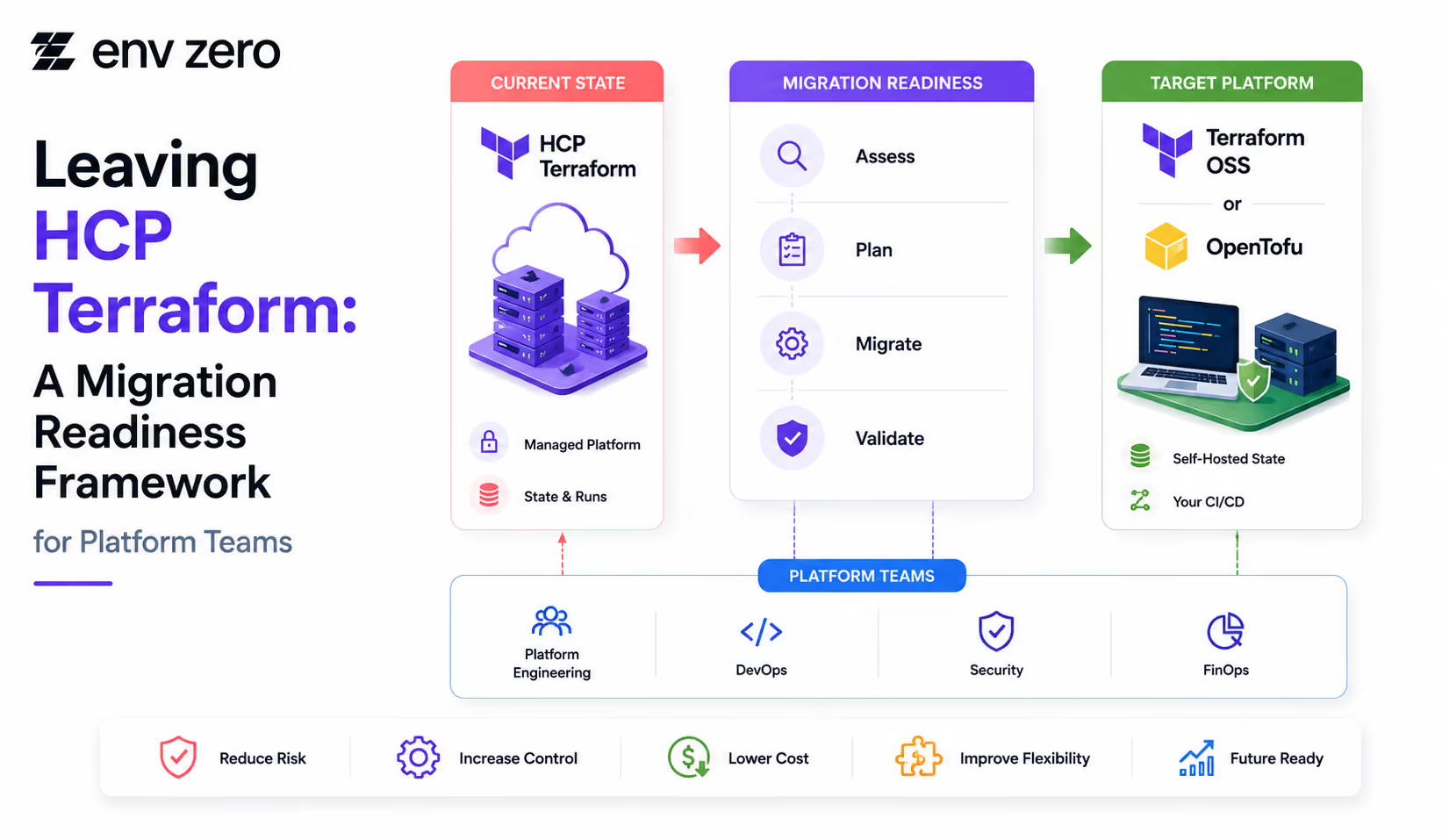

Pulumi vs Terraform vs OpenTofu: A Decision Framework Based on Team Type, Scale, and License Risk


Terragrunt Directory Structure Framework: DRY Configs Across Dev, Staging, and Prod
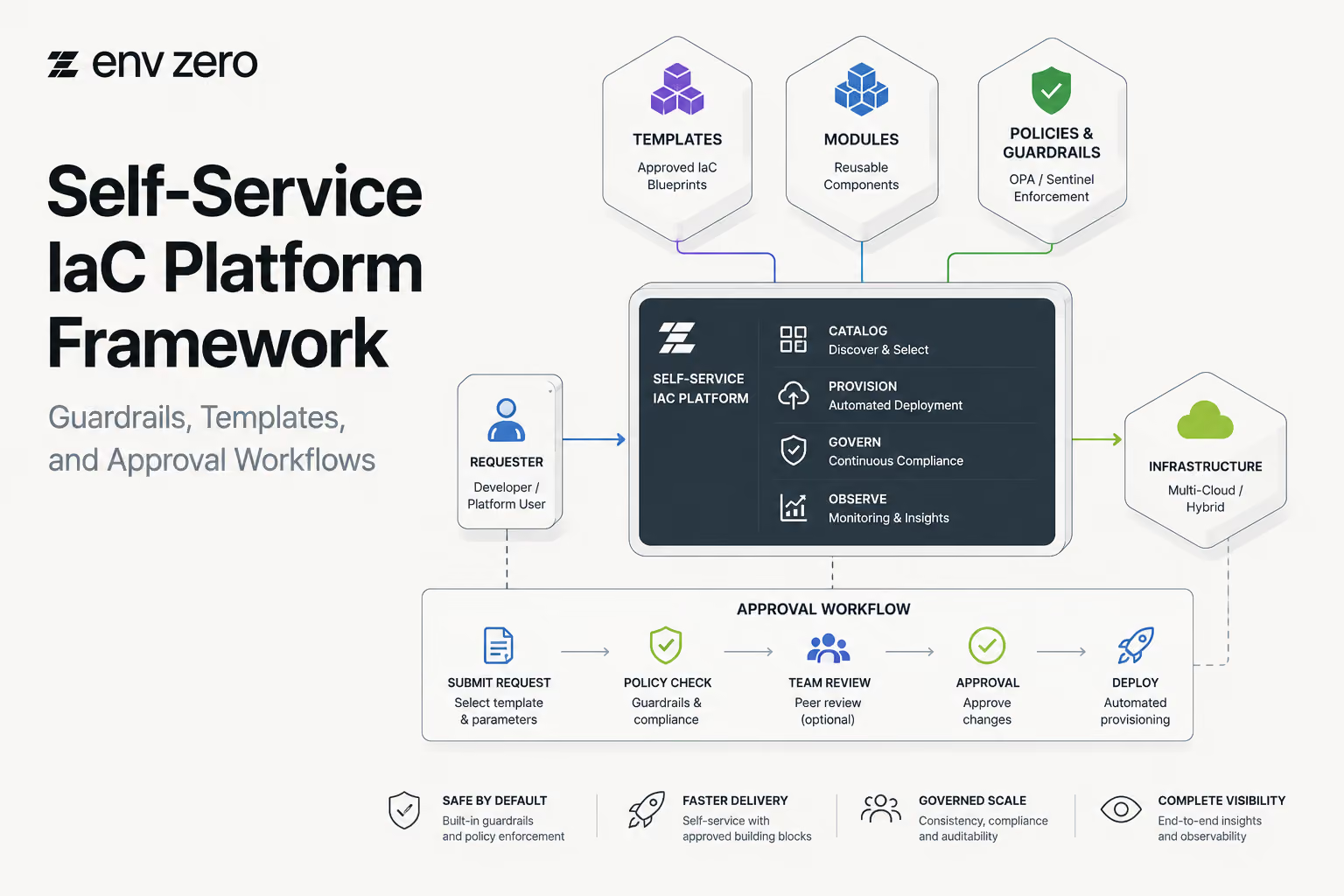
Self-Service IaC Platform Framework: Guardrails, Templates, and Approval Workflows
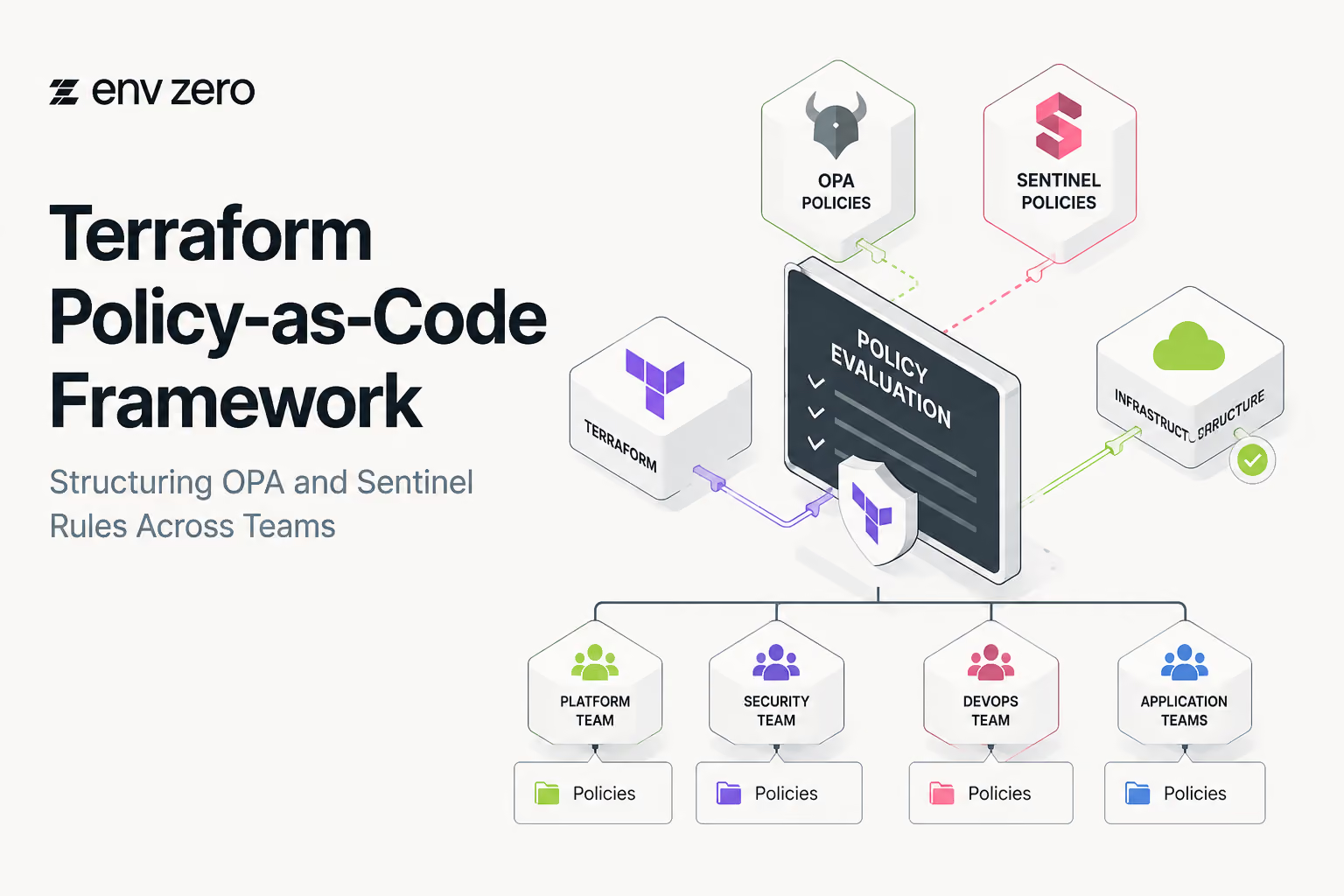
Terraform Policy-as-Code Framework: Structuring OPA and Sentinel Rules Across Teams
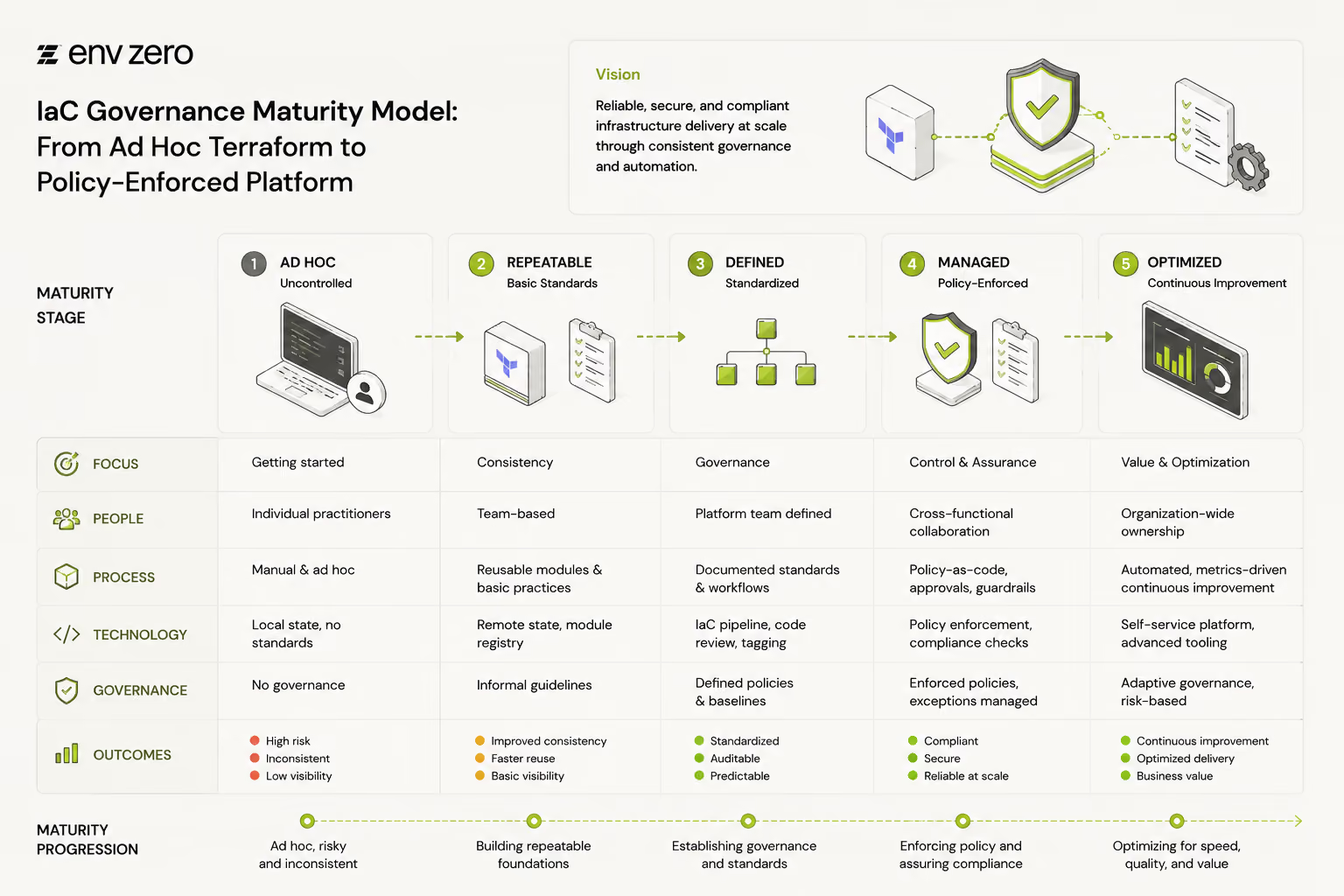
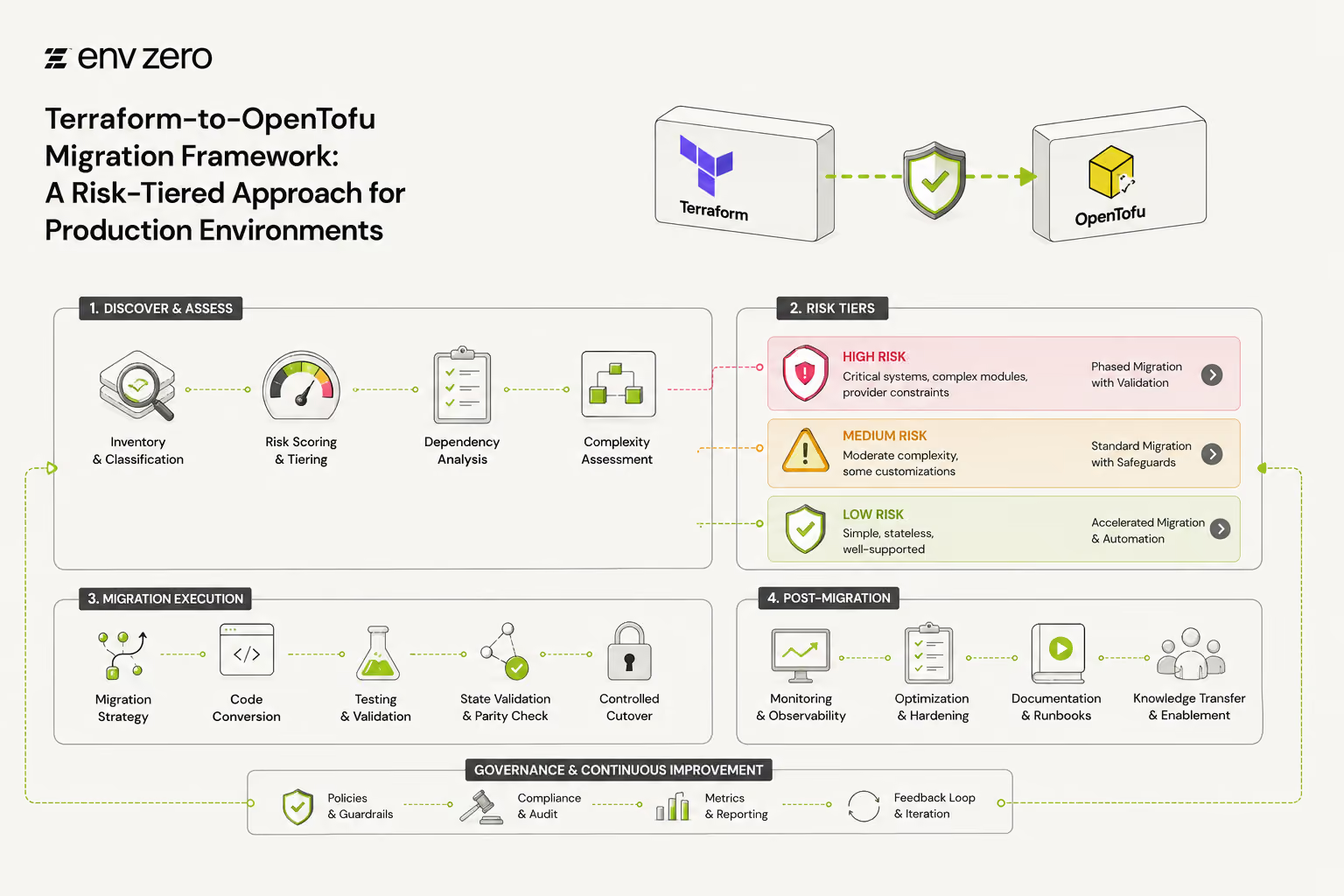
Terraform-to-OpenTofu Migration Framework: A Risk-Tiered Approach for Production Environments
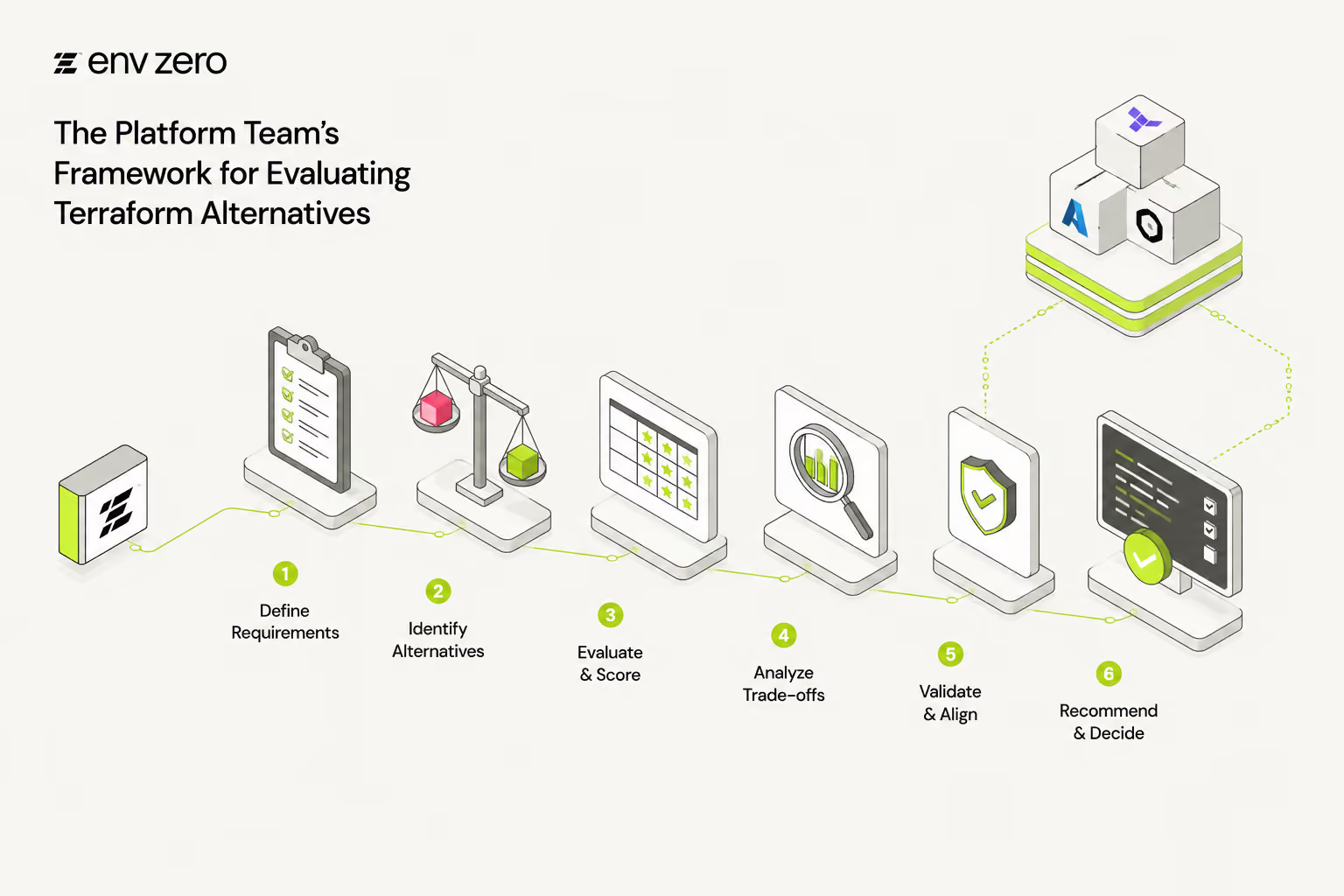


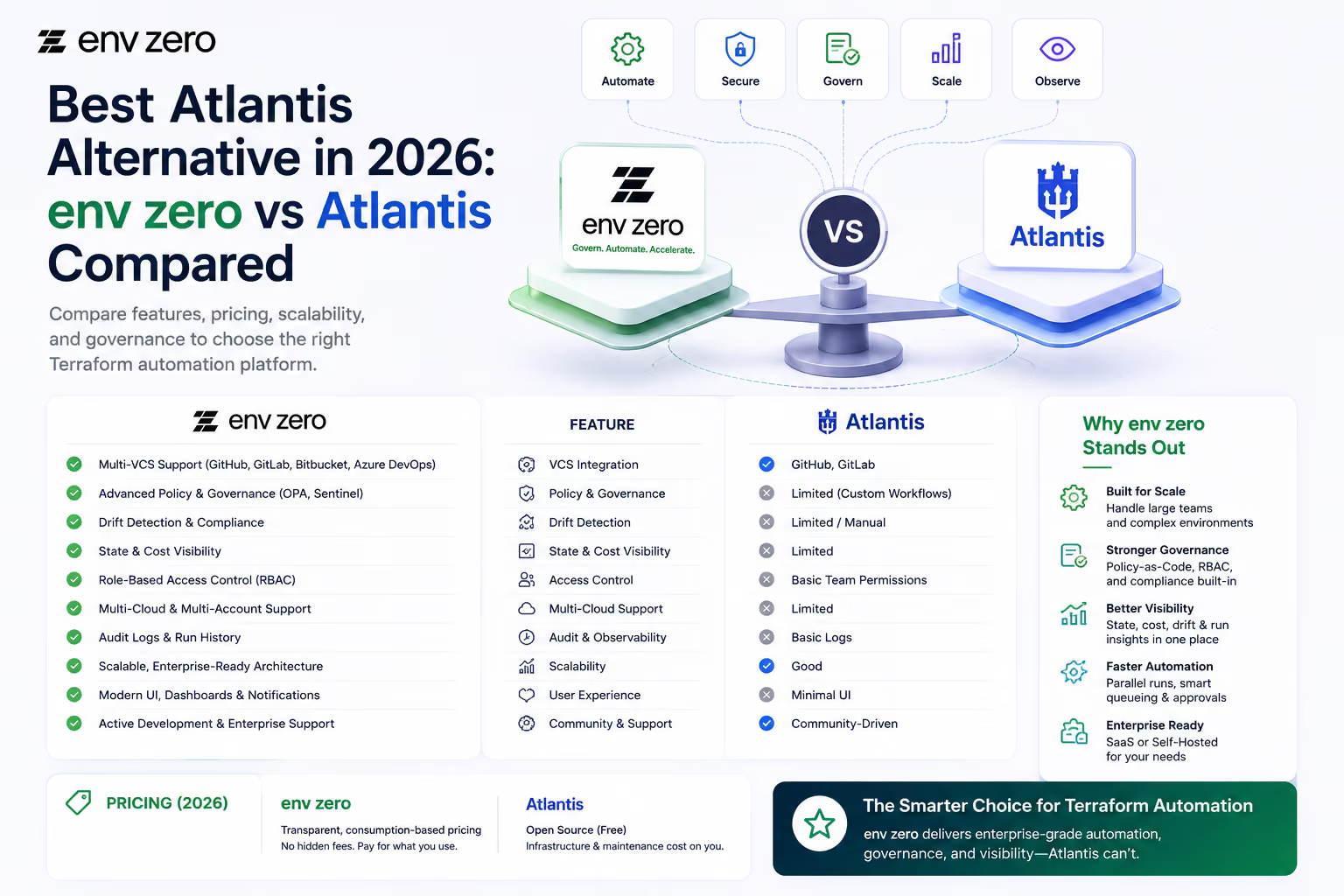






Enterprise Release Control Model: Structuring Secure and Scalable Deployment Workflows
Policy Checkpoint Framework: Enforcing Consistent and Scalable Governance Across Deployments

Audit Trail Governance Framework: Ensuring Transparency, Compliance, and Accountability Across Infrastructure
Release Governance Framework: Structuring Controlled and Compliant Infrastructure Releases

Environment Drift Detection Model: Maintaining Consistency Across Infrastructure Environments
Pipeline Visibility Framework: Structuring Transparent and Controlled Deployment Workflows