.svg)


As infrastructure environments grow in complexity, governance can no longer rely on a single layer of control. Organizations must enforce policies across multiple levels, ranging from infrastructure templates to runtime behavior, while still enabling developers to move quickly.
The challenge isn't just defining policies, but applying them in a way that's scalable, consistent, and adaptable. This is where a policy layering model becomes essential.
A policy layering model allows platform teams to enforce governance across different stages of infrastructure workflows. Instead of relying on isolated controls, policies are applied in layers, each addressing a specific aspect of infrastructure management. This approach ensures comprehensive governance without creating bottlenecks or limiting developer autonomy.
Why a Single-Layer Policy Approach Fails
Many organizations attempt to enforce governance through a single control point, such as approval workflows or template restrictions. While this may work initially, it doesn't scale effectively.
A single-layer approach often leads to gaps in enforcement. Policies applied only at the approval stage may not account for changes made after deployment, and template-level controls may not prevent misuse at runtime. This results in inconsistent governance, increased risk, and a lack of visibility into infrastructure activity.
A layered approach addresses these limitations by distributing policy enforcement across multiple stages, ensuring that governance is continuous and comprehensive.
Core Layers in the Policy Layering Model
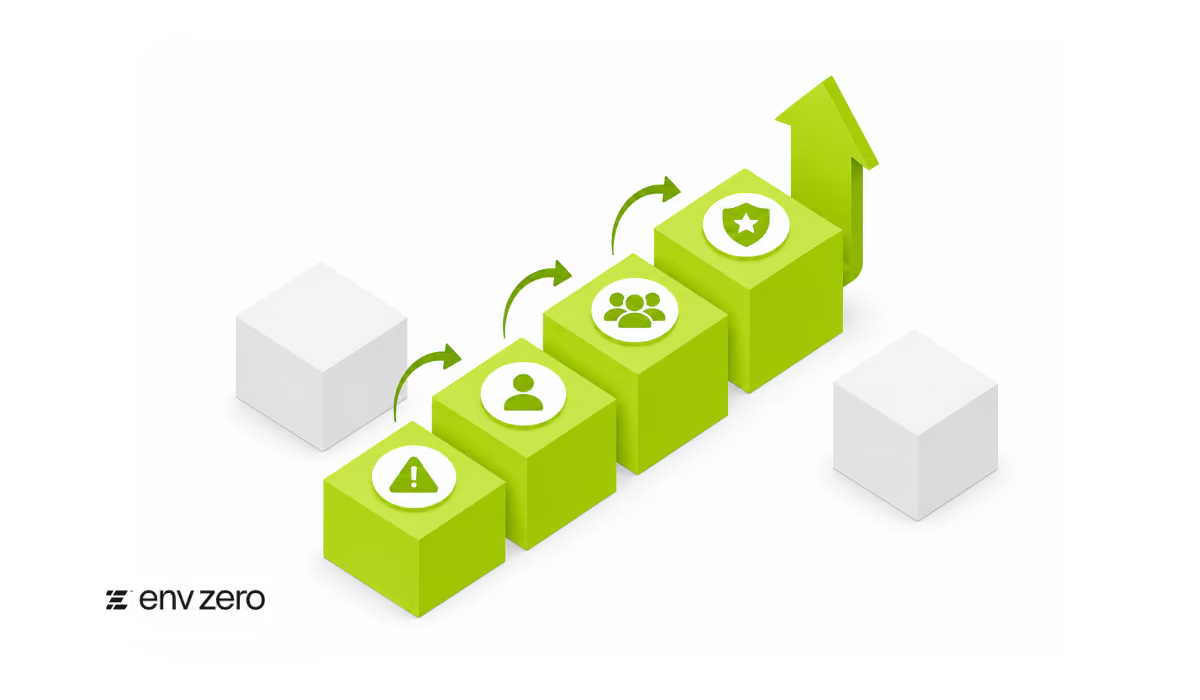
A robust policy layering model consists of multiple layers, each responsible for enforcing governance at a specific point in the infrastructure lifecycle:
- Template layer. Defines the foundation. Policies at this level ensure that all infrastructure is provisioned using approved configurations, including standards for resource types, security settings, and naming conventions.
- Input validation layer. Governs how users interact with templates, restricting parameters and ensuring that only valid configurations can be requested, preventing misconfigurations before they occur.
- Workflow layer. Applies policies during the provisioning process, including approval rules, conditional checks, and automated validations that determine whether a request can proceed.
- Environment layer. Enforces policies based on context. Different environments, such as development, staging, and production, may have different rules, keeping governance aligned with the level of risk.
- Runtime layer. Monitors and enforces policies after deployment, ensuring that infrastructure continues to comply with organizational standards over time.
Together, these layers create a comprehensive system that governs infrastructure from creation to operation.
Who actually owns each of those layers is covered in the Infrastructure Governance Ownership Matrix.
How Policy Layers Work Together
The strength of a policy layering model lies in how its layers interact.
Each layer addresses a specific aspect of governance, but they're designed to complement each other. For example, template policies ensure that infrastructure is created correctly, while runtime policies ensure that it remains compliant. If an issue isn't caught at one layer, it can be addressed at another, and this redundancy reduces the risk of gaps in enforcement and improves overall system reliability.
At the same time, layering allows for more targeted control. Instead of applying strict rules everywhere, organizations can enforce policies where they're most effective.
Balancing Governance and Developer Experience
One of the biggest challenges in policy design is maintaining a balance between governance and developer experience.
Overly restrictive policies can slow down workflows and reduce adoption. Developers may look for ways to bypass controls, leading to shadow infrastructure and increased risk. A layered approach helps mitigate this by distributing governance across multiple points: instead of relying on heavy restrictions at a single stage, policies can be applied more subtly and effectively across the workflow, letting developers work within a controlled environment without feeling constrained and improving both compliance and productivity.
Implementing Policy-as-Code Across Layers
To make policy layering scalable, organizations must adopt a policy-as-code approach. Policy-as-code allows policies to be defined, versioned, and enforced programmatically, ensuring consistency across environments and reducing the risk of human error.
Each layer in the model can be implemented using policy-as-code, enabling automated enforcement at every stage of the infrastructure lifecycle. This approach also makes it easier to update policies as requirements change: instead of modifying manual processes, organizations can update code and apply changes across the system.
Adapting Policy Layers to Different Environments
Not all environments require the same level of governance. Development environments may prioritize flexibility and speed, allowing for more experimentation, while production environments require stricter controls to ensure stability and security.
A policy layering model allows organizations to adapt policies based on context. By defining environment-specific rules, platform teams can ensure that governance is aligned with risk levels, which is essential for maintaining both agility and control.
Measuring the Effectiveness of Policy Layering
To ensure that a policy layering model is working effectively, organizations need to track key indicators:
- Compliance rates. A high compliance rate indicates that the system is functioning as intended.
- Frequency of policy violations. Can highlight gaps in enforcement or areas where policies need to be refined.
- Developer experience metrics. Provisioning time and workflow completion rates help assess the impact of policies on productivity.
By monitoring these metrics, organizations can continuously improve their policy layering strategy.
Common Mistakes in Policy Layering
Common mistakes in policy layering include:
- Overcomplicating the model. Too many layers or overly complex rules can make the system difficult to manage and understand.
- Lack of coordination between layers. If policies aren't aligned, they may conflict or create unnecessary friction.
- Neglecting the runtime layer. Focusing only on pre-deployment controls leaves infrastructure vulnerable to drift and non-compliance over time.
Avoiding these mistakes requires careful planning and a clear understanding of how each layer contributes to the overall system.
How env zero Enables Policy Layering at Scale
Implementing a policy layering model requires a platform that can enforce governance across multiple stages of infrastructure workflows.
env zero enables platform teams to apply policies at the template, workflow, and runtime levels using a unified system. With policy-as-code, organizations can define rules that are enforced automatically across all layers. env zero also provides visibility into policy enforcement, letting teams monitor compliance and identify issues in real time, making it possible to build a scalable governance model that supports both control and flexibility.
Conclusion
A policy layering model is essential for managing infrastructure at scale. By applying governance across multiple layers, organizations can ensure consistent enforcement while maintaining flexibility for developers. This approach reduces risk, improves compliance, and enables scalable infrastructure operations.
As infrastructure environments continue to evolve, policy layering will become a foundational component of modern platform engineering.
If your governance model is fragmented or difficult to scale, it's time to adopt policy layering. With env zero, you can enforce policies across every stage of your infrastructure lifecycle without slowing down your teams.
FAQs
What is policy layering in infrastructure?
Policy layering is a governance approach that applies rules at multiple stages of infrastructure workflows. It ensures consistent enforcement while allowing flexibility for developers.
Why is policy layering important?
It provides comprehensive governance by addressing different aspects of infrastructure management, reducing risk and improving compliance.
What are the main layers in a policy layering model?
The main layers include template policies, input validation, workflow policies, environment-specific rules, and runtime enforcement.
How does policy layering improve security?
By enforcing policies at multiple stages, it reduces the likelihood of misconfigurations and ensures that infrastructure remains compliant over time.
What is policy-as-code?
Policy-as-code is a method of defining and enforcing policies using code, allowing for automated, consistent, and scalable governance.
Can policy layering impact developer productivity?
When implemented correctly, it improves productivity by embedding governance into workflows, reducing manual checks and delays.
How do organizations implement policy layering?
They define policies for each layer, integrate them into infrastructure workflows, and use automation to enforce them consistently.
What challenges exist in policy layering?
Challenges include overcomplication, misalignment between layers, and lack of runtime enforcement.
How does policy layering support compliance?
It ensures that all infrastructure actions follow predefined rules, making it easier to meet regulatory and organizational requirements.
How does env zero support policy layering?
env zero enables policy enforcement across templates, workflows, and runtime using policy-as-code, providing centralized control and visibility.
Related Content
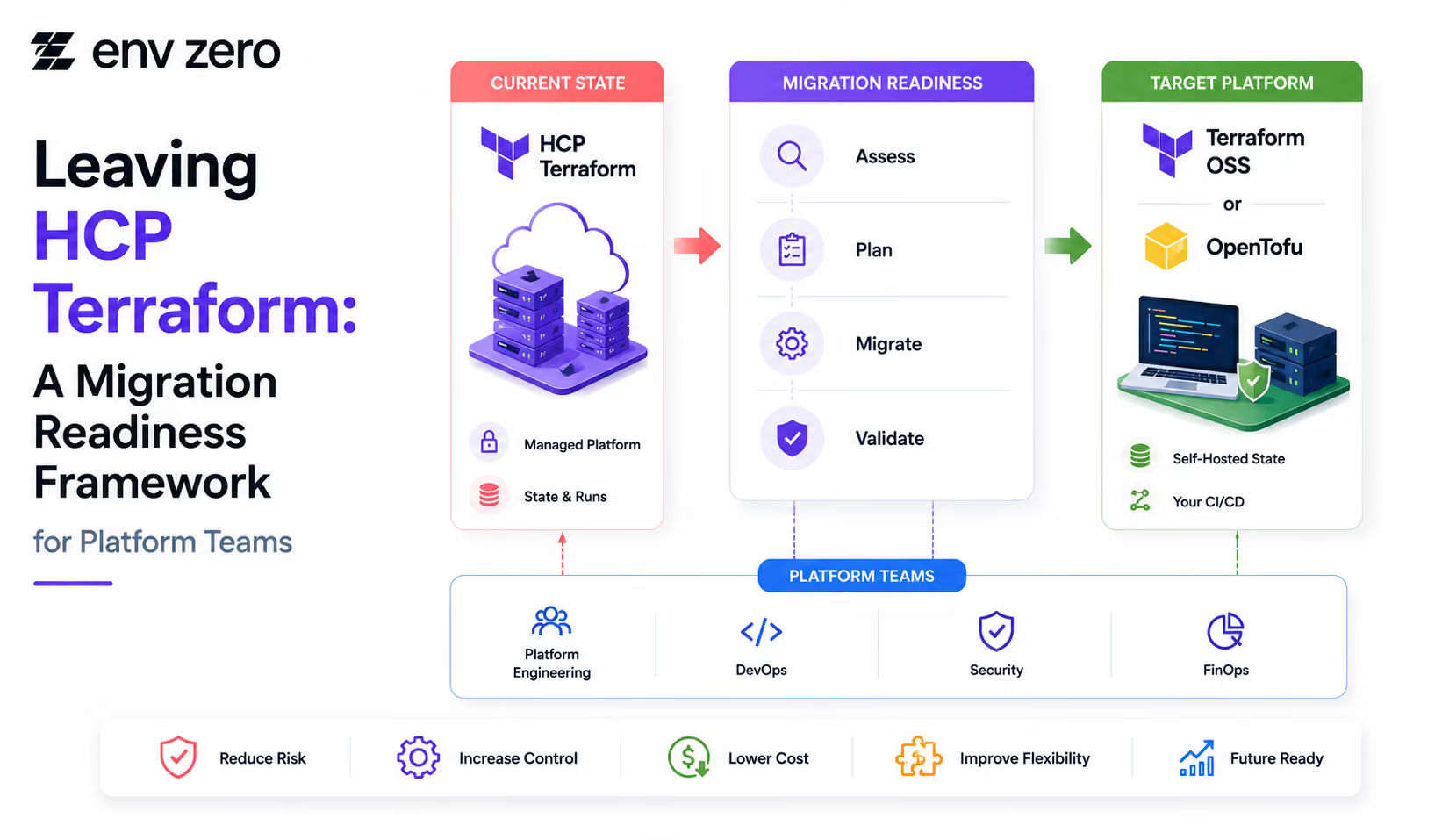

Pulumi vs Terraform vs OpenTofu: A Decision Framework Based on Team Type, Scale, and License Risk


Terragrunt Directory Structure Framework: DRY Configs Across Dev, Staging, and Prod
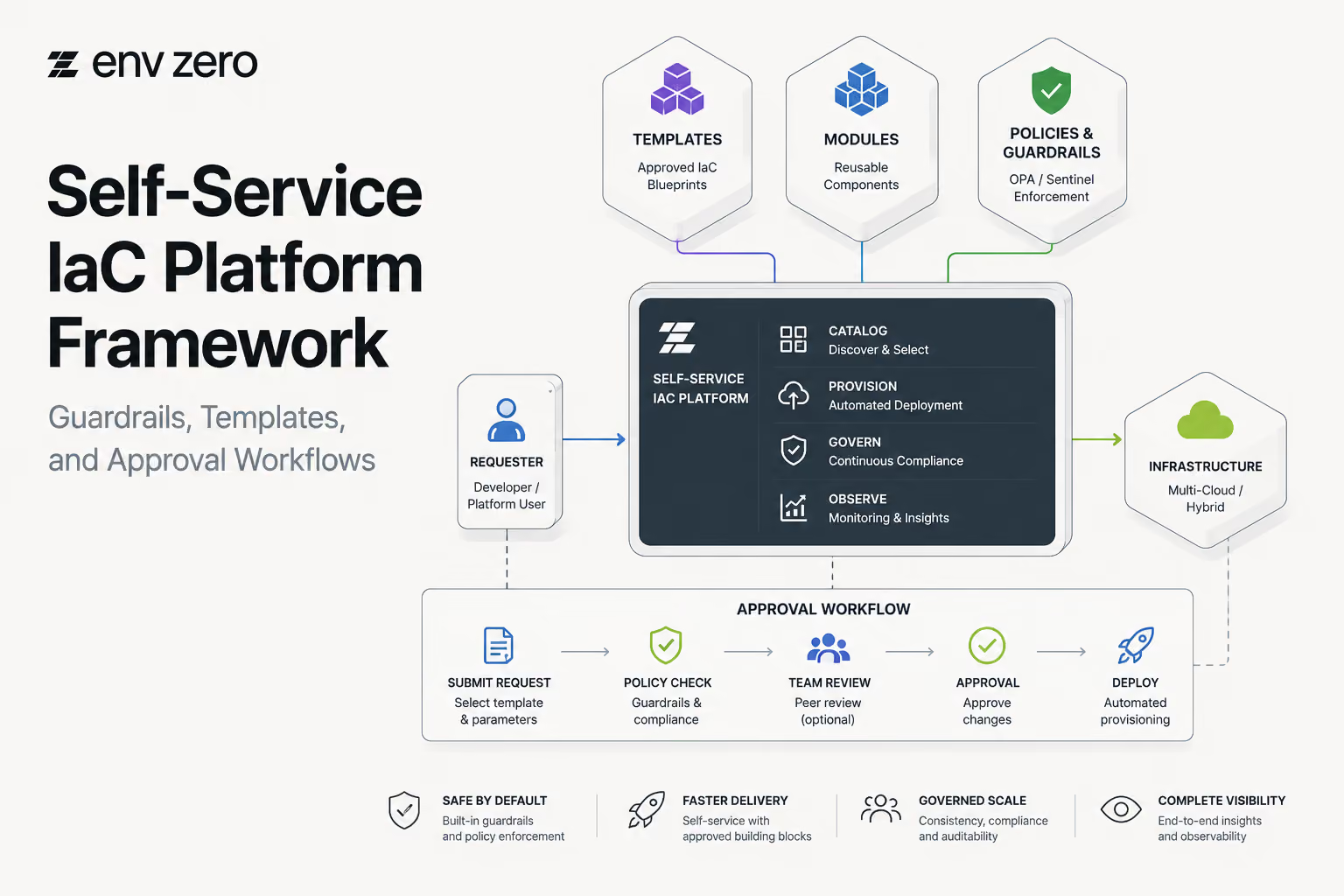
Self-Service IaC Platform Framework: Guardrails, Templates, and Approval Workflows
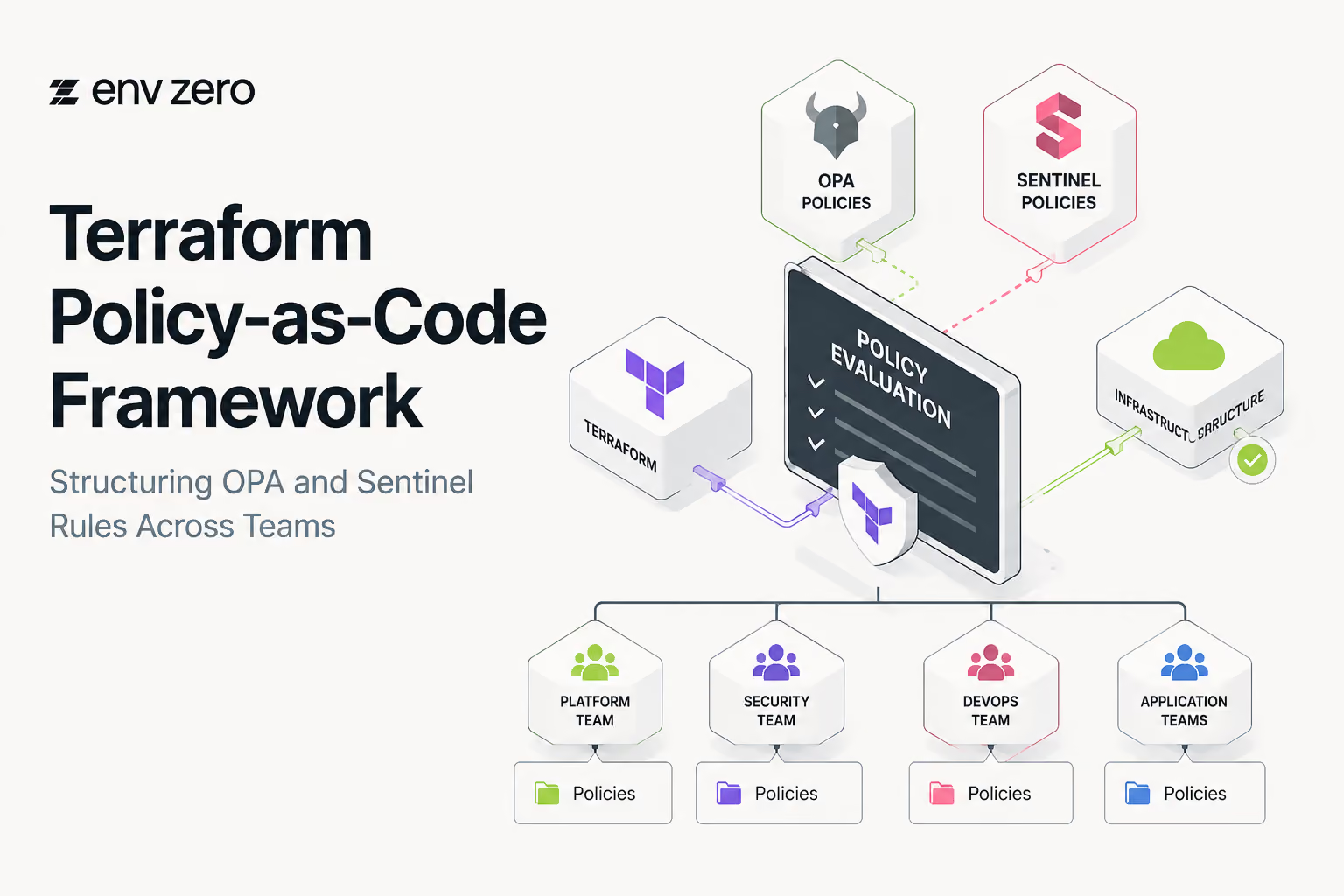
Terraform Policy-as-Code Framework: Structuring OPA and Sentinel Rules Across Teams
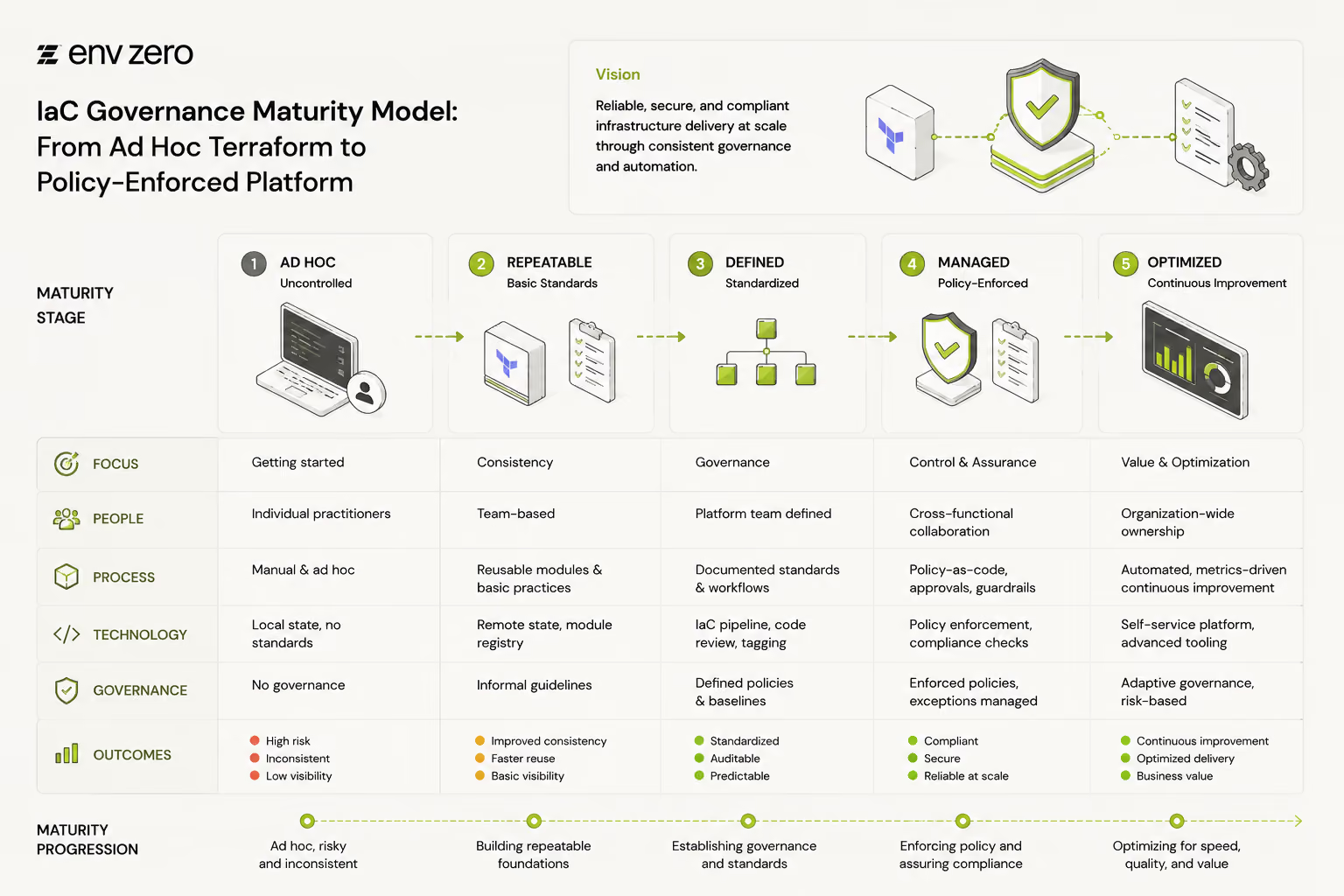
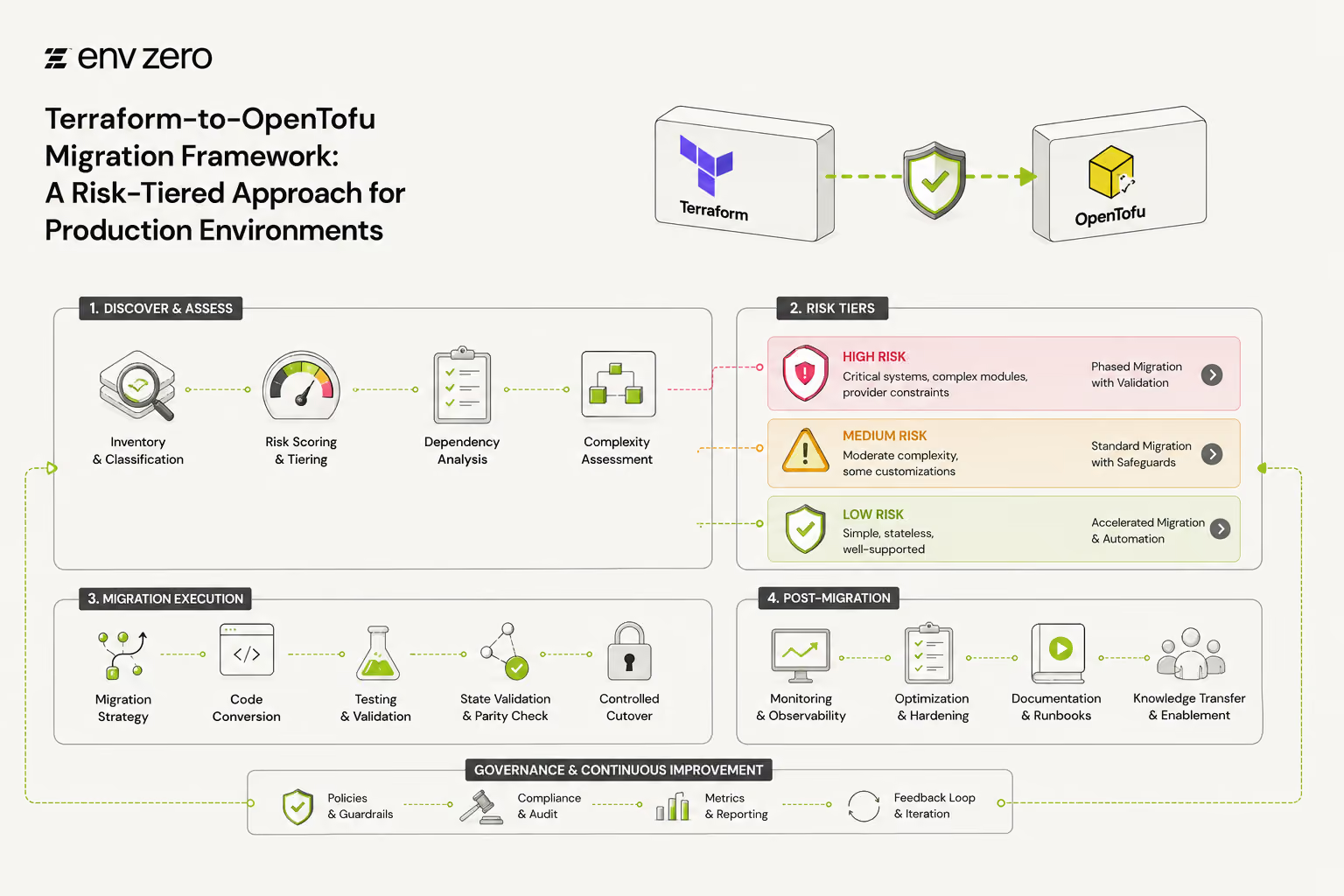
Terraform-to-OpenTofu Migration Framework: A Risk-Tiered Approach for Production Environments
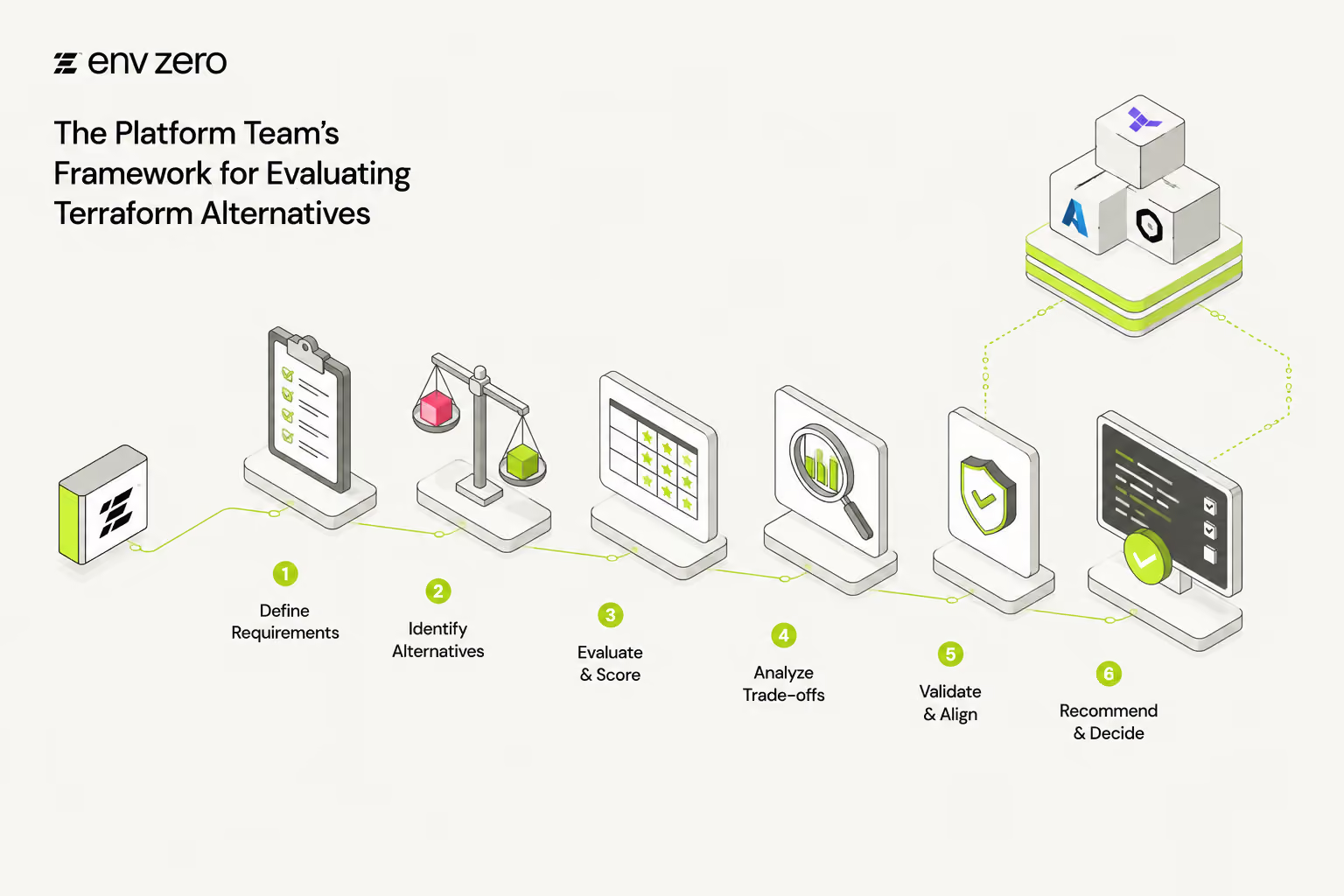


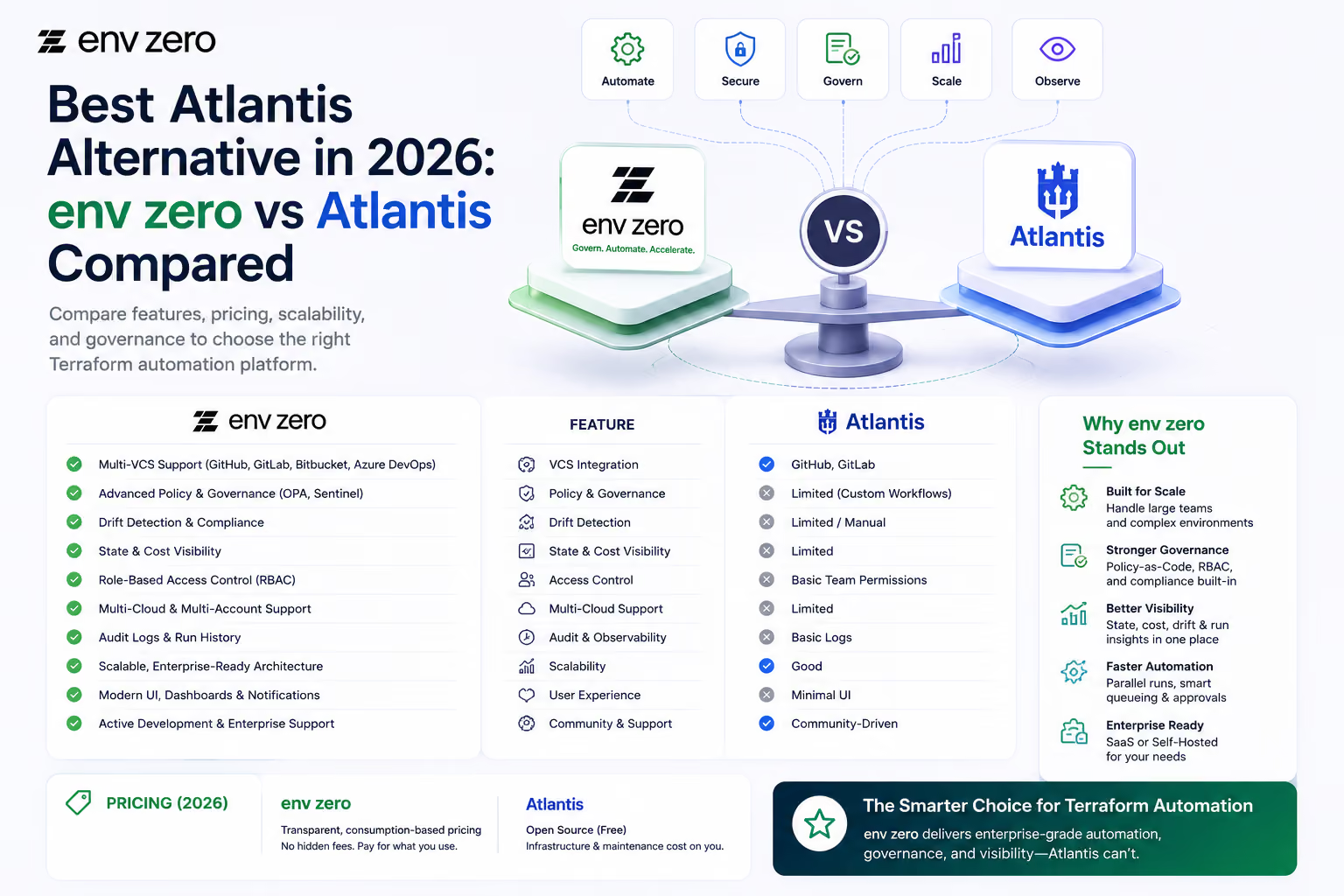





Enterprise Release Control Model: Structuring Secure and Scalable Deployment Workflows
Policy Checkpoint Framework: Enforcing Consistent and Scalable Governance Across Deployments

Audit Trail Governance Framework: Ensuring Transparency, Compliance, and Accountability Across Infrastructure
Release Governance Framework: Structuring Controlled and Compliant Infrastructure Releases

Environment Drift Detection Model: Maintaining Consistency Across Infrastructure Environments
Pipeline Visibility Framework: Structuring Transparent and Controlled Deployment Workflows