.svg)


As infrastructure and teams scale, managing responsibilities across deployments becomes more complex. Without clearly defined ownership, workflows can quickly become inconsistent and difficult to control.
Unclear ownership is one of the leading causes of delays, misconfigurations, and deployment failures in modern infrastructure environments. Platform engineering enables self-service and automation, but it also increases the need for structured responsibility models; without them, deployments become harder to manage and govern effectively.
A Deployment Ownership Matrix provides a structured way to define responsibilities across the deployment lifecycle, ensuring clarity, accountability, and consistent execution across teams.
What Is a Deployment Ownership Matrix?
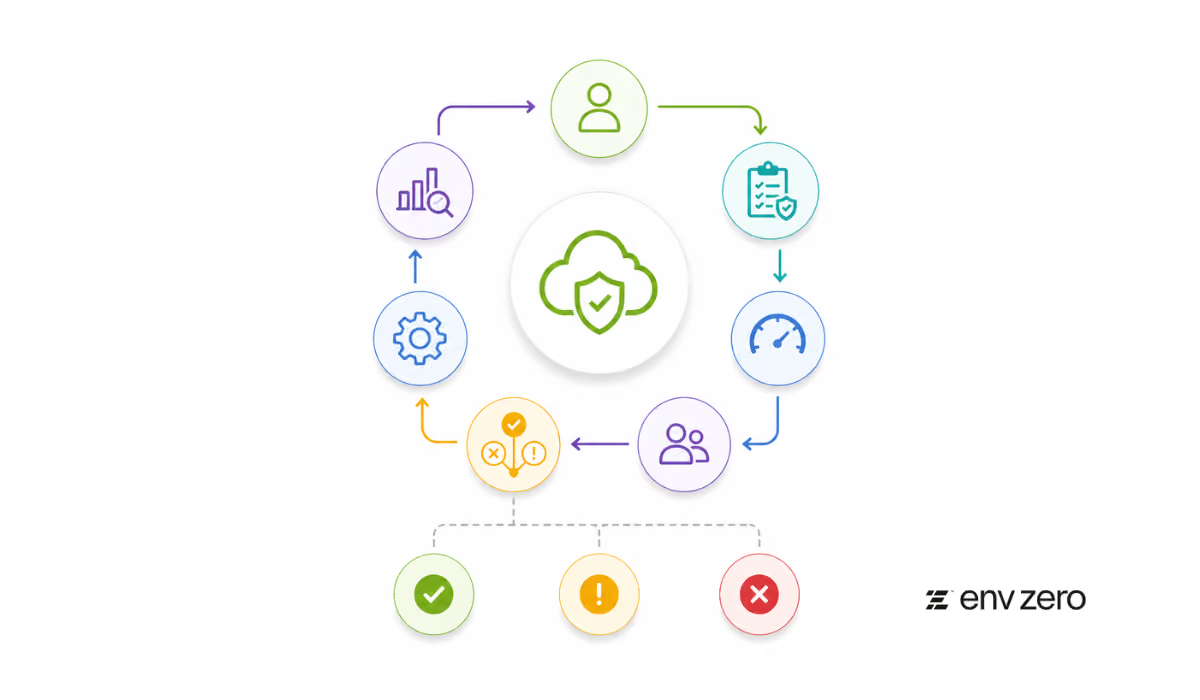
A Deployment Ownership Matrix is a framework that maps roles and responsibilities across the deployment lifecycle. It defines which teams or individuals are responsible for specific actions such as infrastructure provisioning, approvals, policy enforcement, monitoring, and incident response.
Rather than relying on informal ownership, this matrix creates a standardized model that ensures every task is assigned, tracked, and executed consistently across environments.
Why Deployment Ownership Needs Structure
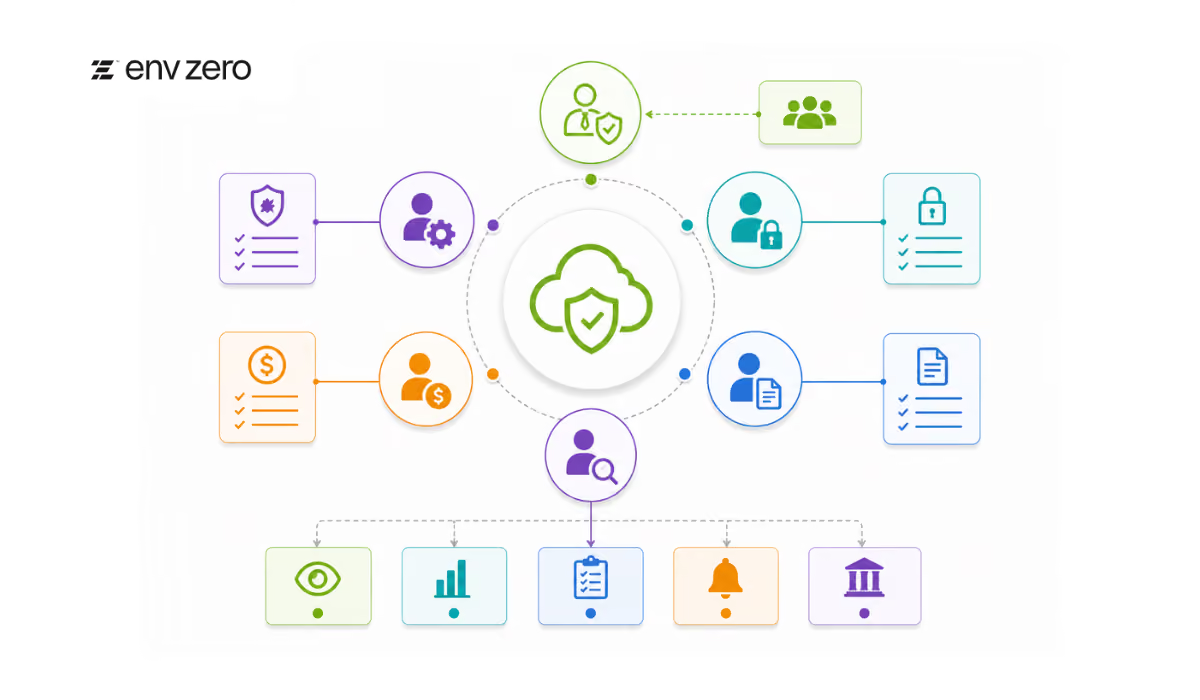
In enterprise environments, multiple teams interact with the same infrastructure. Developers deploy services, platform teams manage infrastructure, security teams enforce compliance, and operations teams handle reliability.
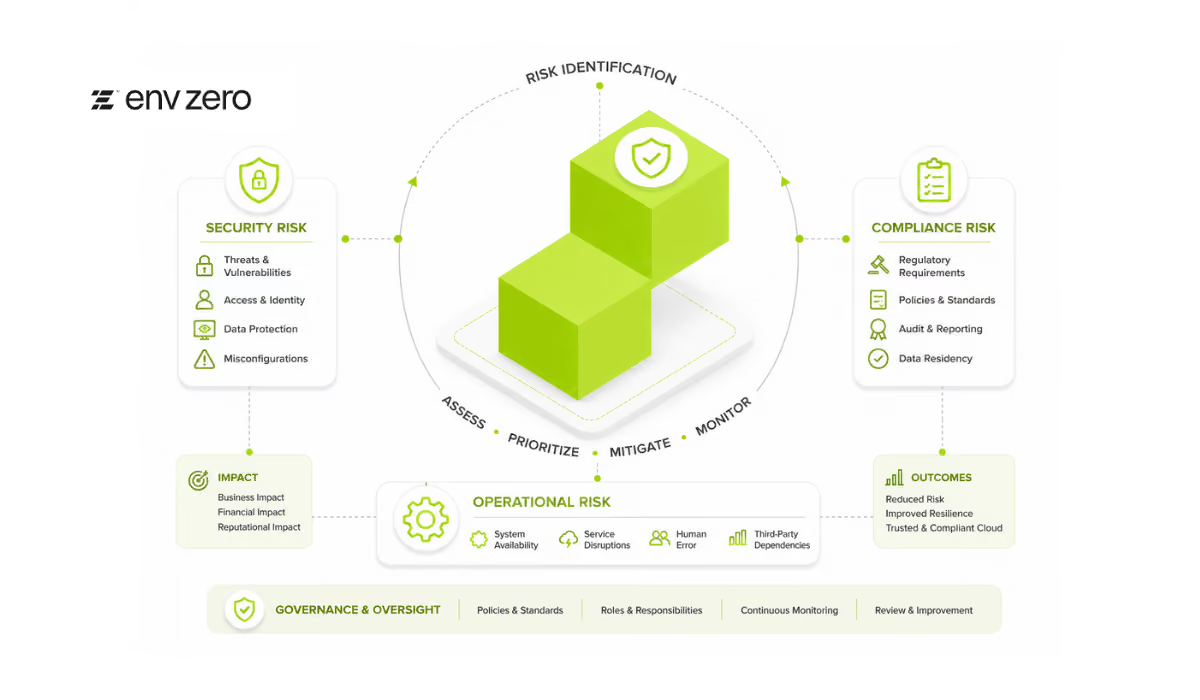
Without a structured ownership model, responsibilities overlap or are missed entirely, leading to deployment delays, misconfigurations, unclear accountability, and increased operational risk. A defined ownership matrix eliminates this ambiguity and ensures that every stage of deployment is properly managed.
Core Components of a Deployment Ownership Matrix
To ensure clarity and accountability, each stage of the deployment lifecycle must have clearly defined ownership responsibilities.
Provisioning Ownership
Provisioning ownership defines who is responsible for creating and managing infrastructure resources, typically platform teams or developers using Infrastructure as Code. Clear ownership ensures that resources are provisioned consistently and aligned with organizational standards.
Approval Ownership
Approval ownership defines who reviews and approves changes before deployment. This may involve platform teams, security teams, or designated stakeholders depending on the risk level of the change, ensuring that governance is enforced without delays or confusion.
How that approval step fits into the broader release process is covered in the Release Governance Framework.
Policy Ownership
Policy ownership ensures that governance rules, such as security, compliance, and cost controls, are defined and maintained, often by platform or security teams. It ensures that all deployments are validated against organizational standards.
How those policy rules get enforced at each stage of a deployment is covered in the Policy Checkpoint Framework.
Execution Ownership
Execution ownership defines who is responsible for triggering and managing deployments, which can include developers, CI/CD systems, or automated workflows. Clear execution ownership ensures that deployments are initiated correctly and consistently.
Monitoring Ownership
Monitoring ownership ensures that systems are observed after deployment, including tracking performance, detecting anomalies, and responding to alerts. Defining this ownership ensures that issues are identified and resolved quickly.
Incident Response Ownership
Incident response ownership defines who is responsible for handling failures or outages, including troubleshooting, rollback execution, and system recovery. Having clear ownership in this stage reduces downtime and improves system reliability.
How a Deployment Ownership Matrix Works in Practice
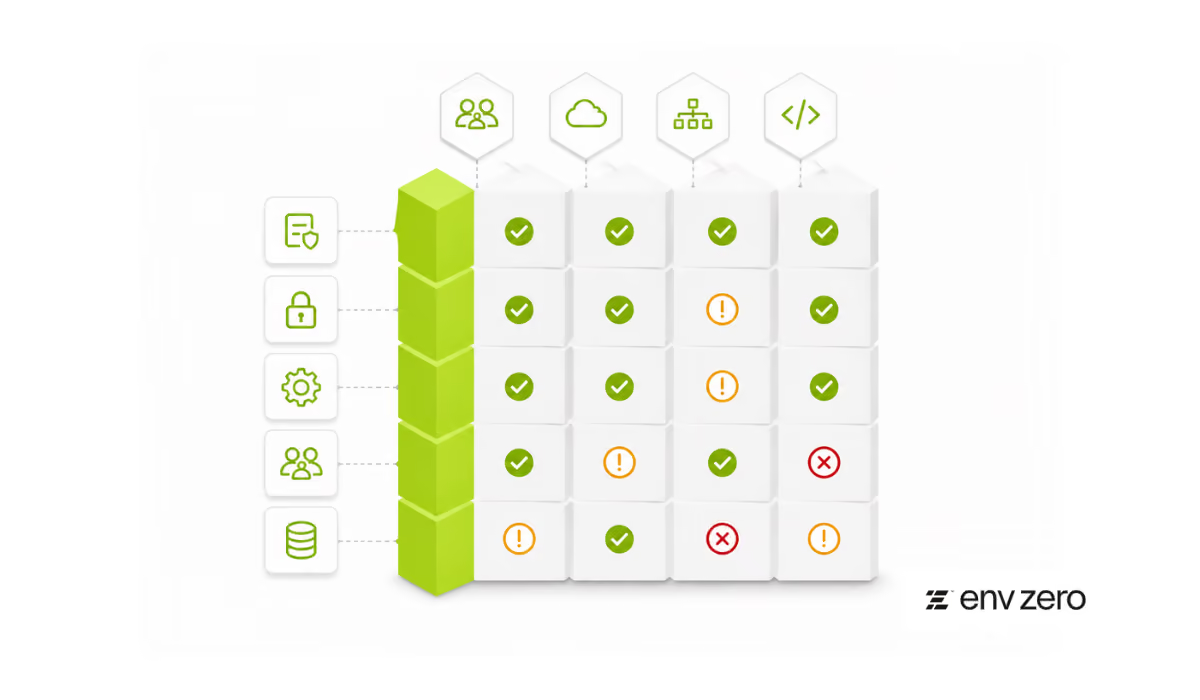
In practice, a deployment ownership matrix assigns responsibilities across roles such as developers, platform engineers, security teams, and operations teams:
Deployment StageTypically Owned ByProvisioningPlatform teams / developers (via IaC)ApprovalPlatform teams, security teams, or designated stakeholdersPolicyPlatform or security teamsExecutionDevelopers, CI/CD systems, or automated workflowsMonitoringOperations teamsIncident responseOperations teams
This structured mapping ensures that every stage of the deployment lifecycle is covered without overlap or gaps, and it helps streamline communication between teams by making responsibilities clearly understood. By aligning ownership with specific roles and workflows, organizations can reduce confusion, improve coordination, and maintain consistent control across complex deployment environments.
Benefits of Using a Deployment Ownership Matrix
A structured ownership model delivers several concrete benefits:
- Accountability. Every task has a clear owner.
- Fewer deployment delays. Eliminates confusion around responsibilities and streamlines workflows.
- Stronger governance. Approvals, policies, and validations are consistently enforced.
- Better collaboration. Responsibilities are clearly shared across teams.
- Scalability. Organizations can manage complex infrastructure environments without losing control.
Common Challenges Without an Ownership Matrix
Without a defined ownership structure, teams often face unclear responsibilities, duplicated efforts, and missed tasks. Approval processes may stall due to lack of ownership, while security and compliance checks may be inconsistently applied.
As a result, teams struggle with coordination and accountability, making it difficult to track who's responsible for resolving issues or advancing deployments. Over time, these gaps contribute to unreliable deployments, increased risk, and reduced confidence in automation workflows, ultimately impacting scalability and overall system performance.
How env zero Supports Deployment Ownership
env zero helps organizations implement and enforce a Deployment Ownership Matrix by integrating ownership directly into deployment workflows.
Through role-based access control (RBAC), env zero lets teams define who can provision, approve, and manage infrastructure changes, ensuring that responsibilities are clearly assigned and enforced across environments. env zero also provides visibility into deployment activity, letting teams track who initiated, approved, and executed each change, which improves accountability and ensures ownership is maintained throughout the deployment lifecycle. By combining automation with governance, env zero enables scalable infrastructure management with clearly defined ownership.
For the practical, get-started version of this topic, see Full Deployment Lifecycle Automation Explained.
Conclusion
A Deployment Ownership Matrix is essential for managing infrastructure at scale. It provides clarity, reduces risk, and ensures that every stage of the deployment lifecycle is properly managed. By defining ownership across provisioning, approvals, policy enforcement, and monitoring, organizations can build reliable, efficient, and governed deployment workflows. With platforms like env zero, implementing and maintaining ownership becomes seamless and scalable.
Looking to bring clarity and control to your deployment workflows? env zero helps you define ownership, enforce governance, and scale infrastructure with confidence, gaining full visibility and streamlining collaboration across teams while maintaining consistent and reliable deployments at scale.
FAQs
What is a deployment ownership matrix?
A deployment ownership matrix is a framework that defines responsibilities across the deployment lifecycle, ensuring that every task has a clearly assigned owner for better accountability and control.
Why is ownership important in deployment workflows?
Ownership ensures accountability, reduces confusion, and enables faster decision-making, helping teams manage deployments more efficiently and reliably. It also improves coordination across teams by clearly defining responsibilities at each stage of the deployment lifecycle.
Who should own deployment processes?
Ownership is typically shared across teams, including developers, platform engineers, security teams, and operations, with responsibilities defined for each stage of the lifecycle. This shared model ensures balanced control, clear accountability, and efficient collaboration across the entire deployment process.
How does a deployment ownership matrix improve governance?
It ensures that approvals, policies, and validations are consistently applied, reducing the risk of non-compliant or insecure deployments.
How does env zero support deployment ownership?
env zero uses role-based access control and workflow automation to define and enforce ownership, ensuring accountability and visibility across all deployment activities.
What happens without clear deployment ownership?
Without clear ownership, deployments can become inconsistent, delayed, and prone to errors, leading to increased operational risk.
How do you implement a deployment ownership matrix?
A deployment ownership matrix is implemented by mapping responsibilities across roles for each stage of the deployment lifecycle and enforcing them through tools and workflows.
Related Content
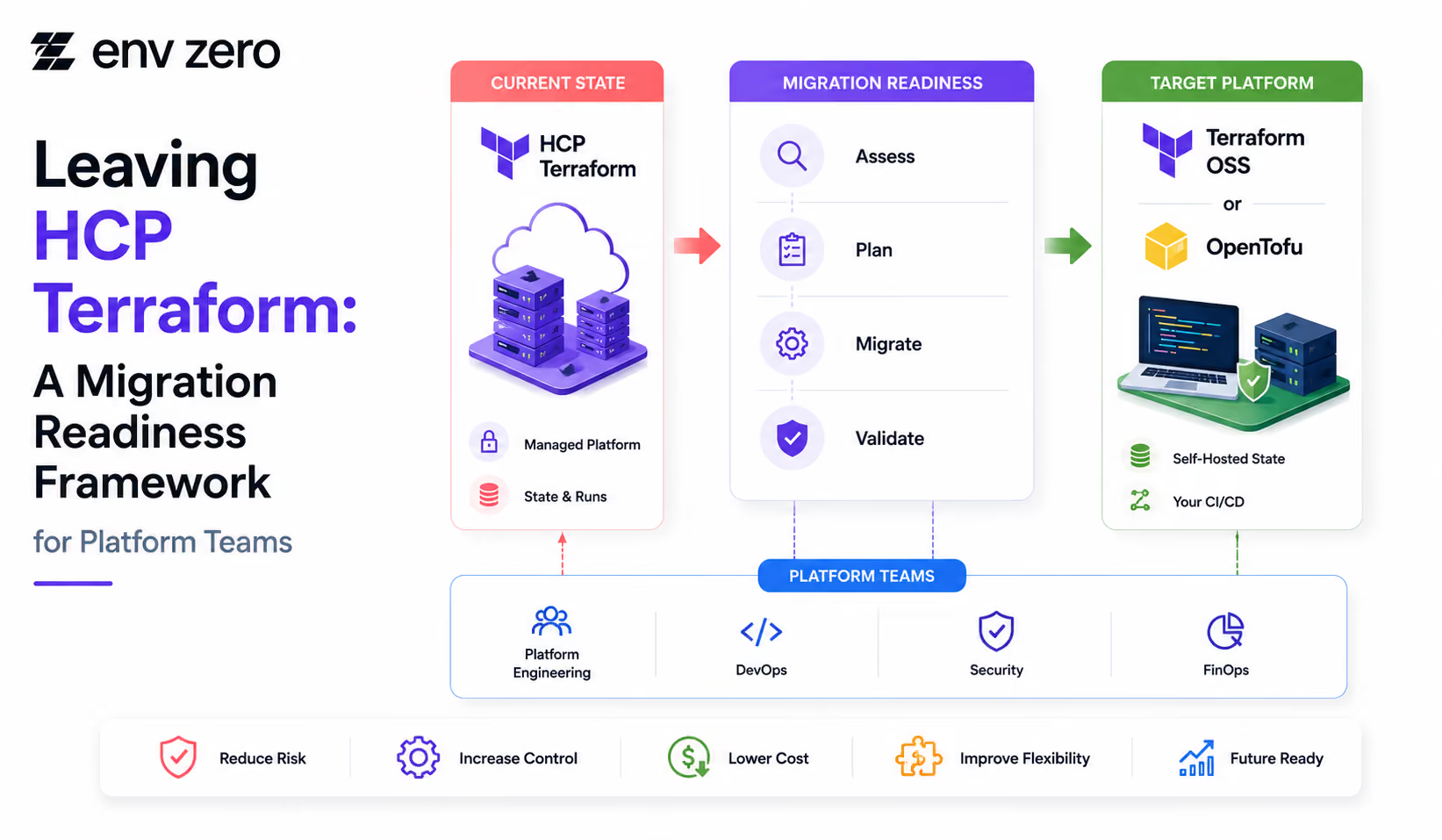

Pulumi vs Terraform vs OpenTofu: A Decision Framework Based on Team Type, Scale, and License Risk


Terragrunt Directory Structure Framework: DRY Configs Across Dev, Staging, and Prod
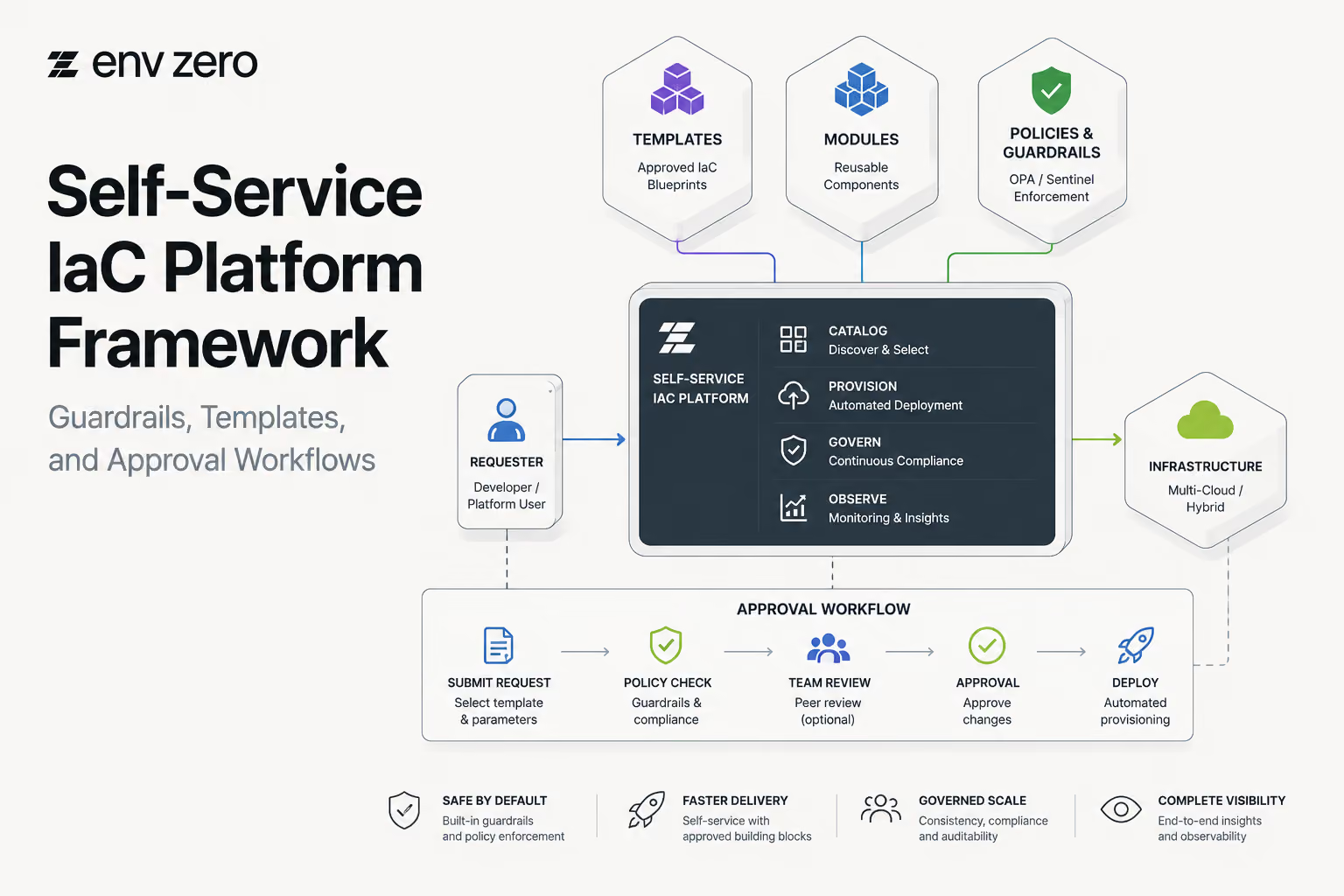
Self-Service IaC Platform Framework: Guardrails, Templates, and Approval Workflows
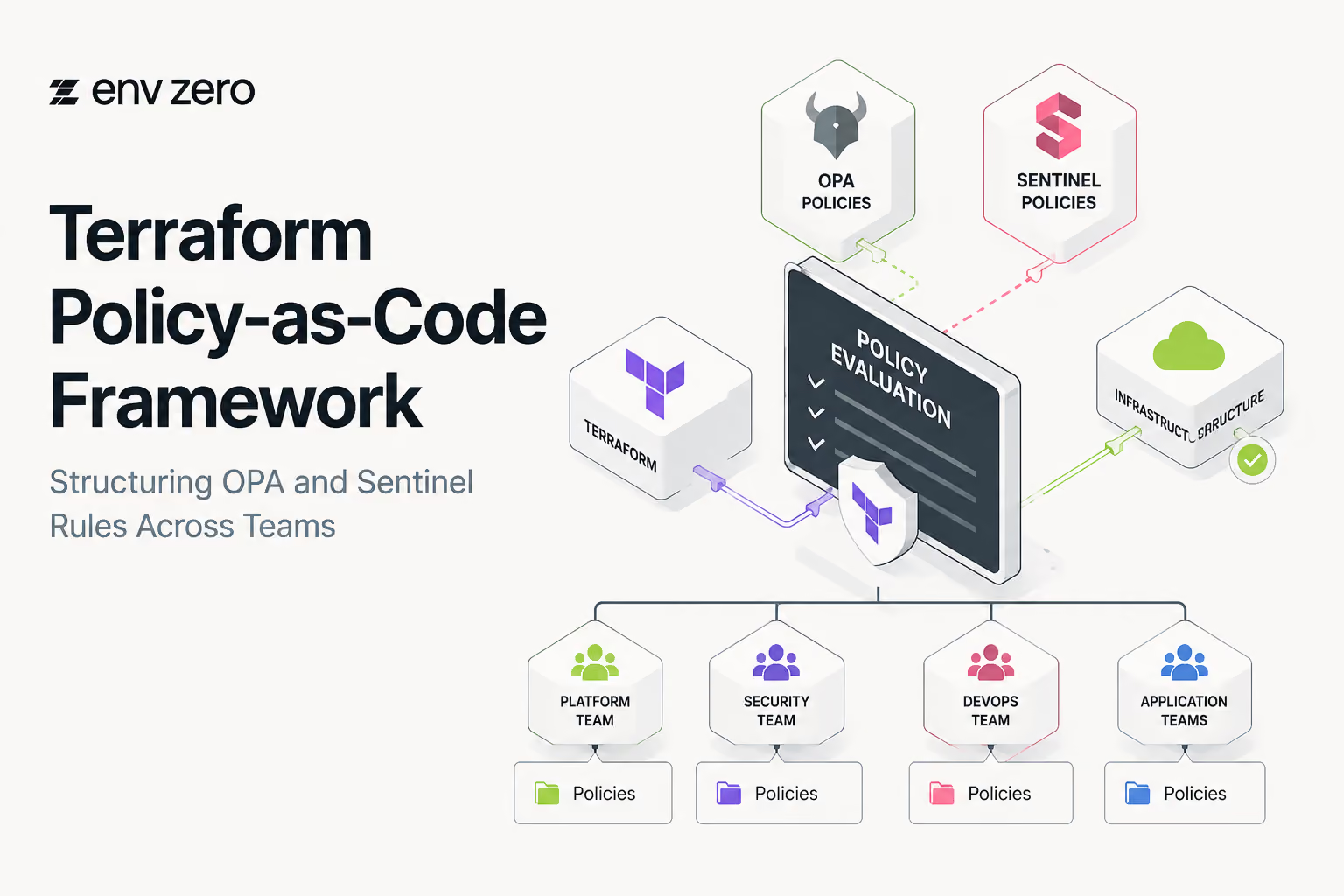
Terraform Policy-as-Code Framework: Structuring OPA and Sentinel Rules Across Teams
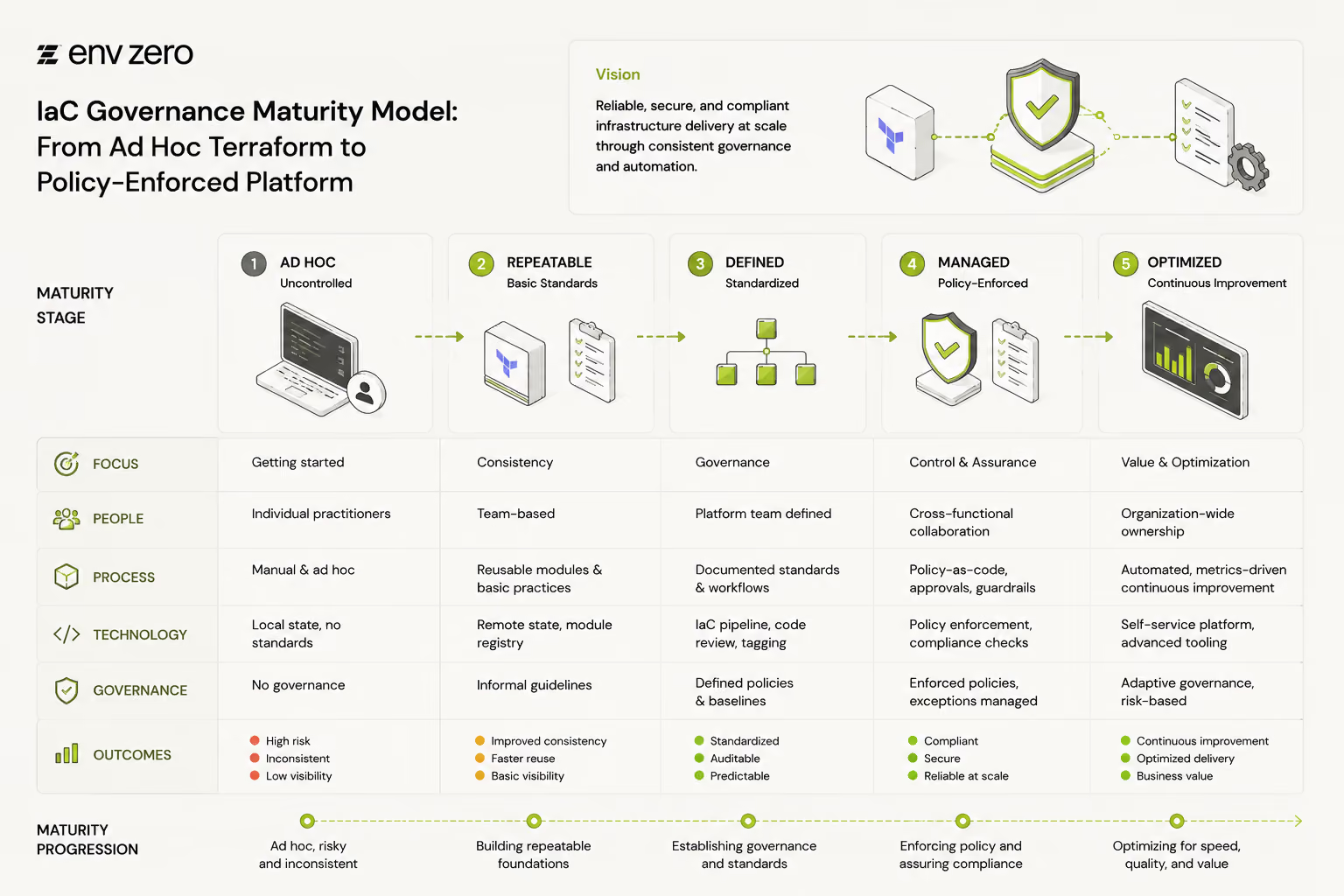
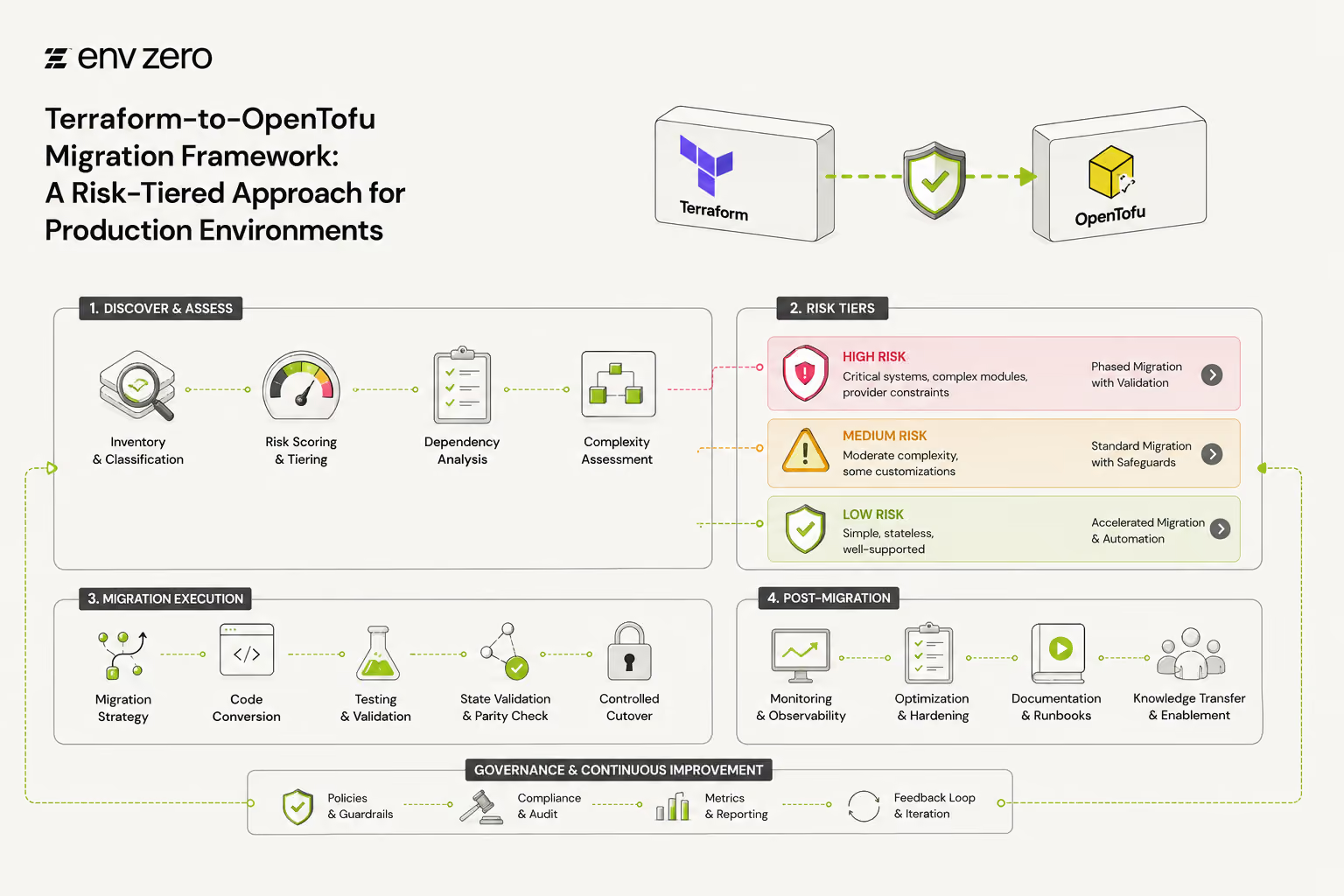
Terraform-to-OpenTofu Migration Framework: A Risk-Tiered Approach for Production Environments
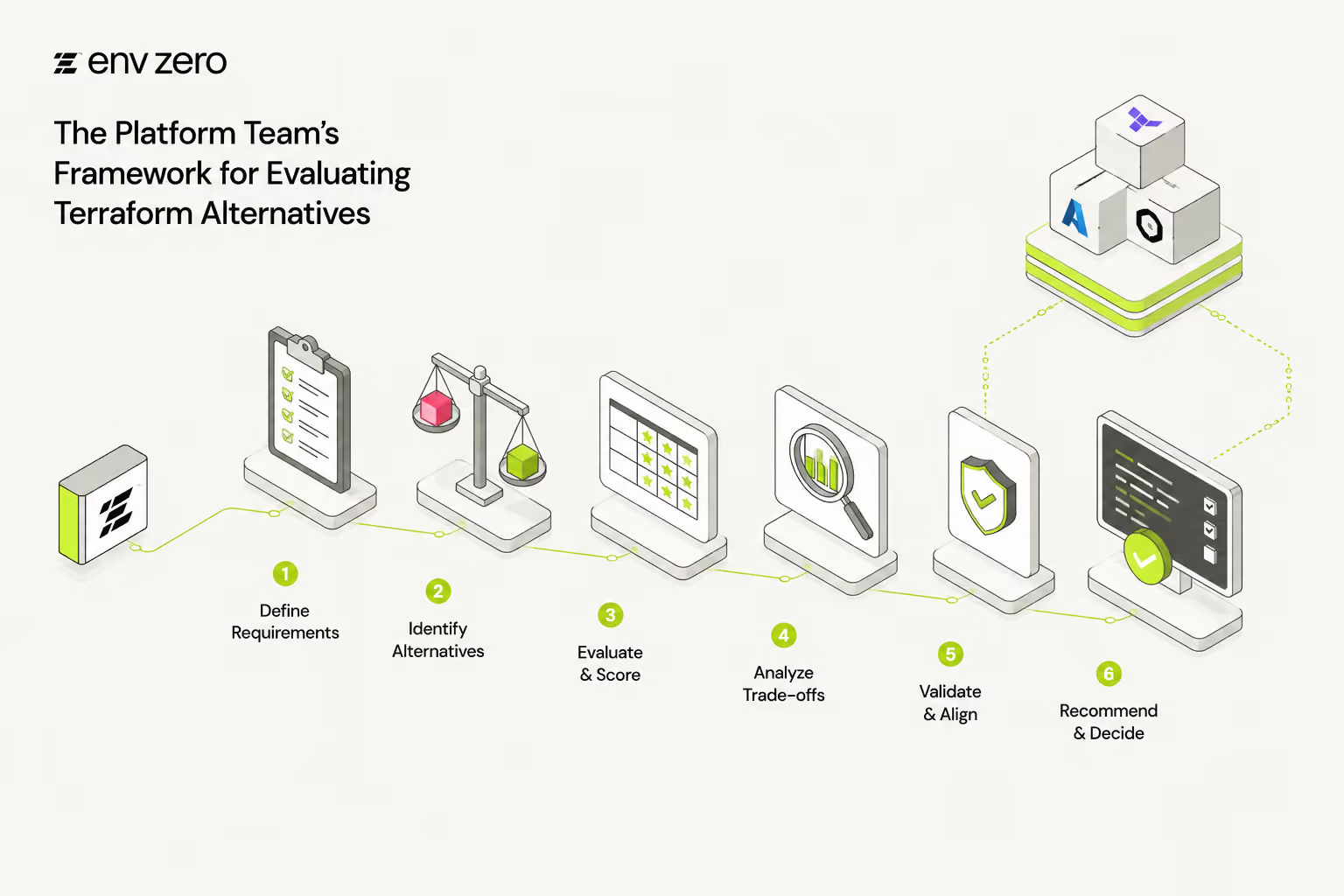


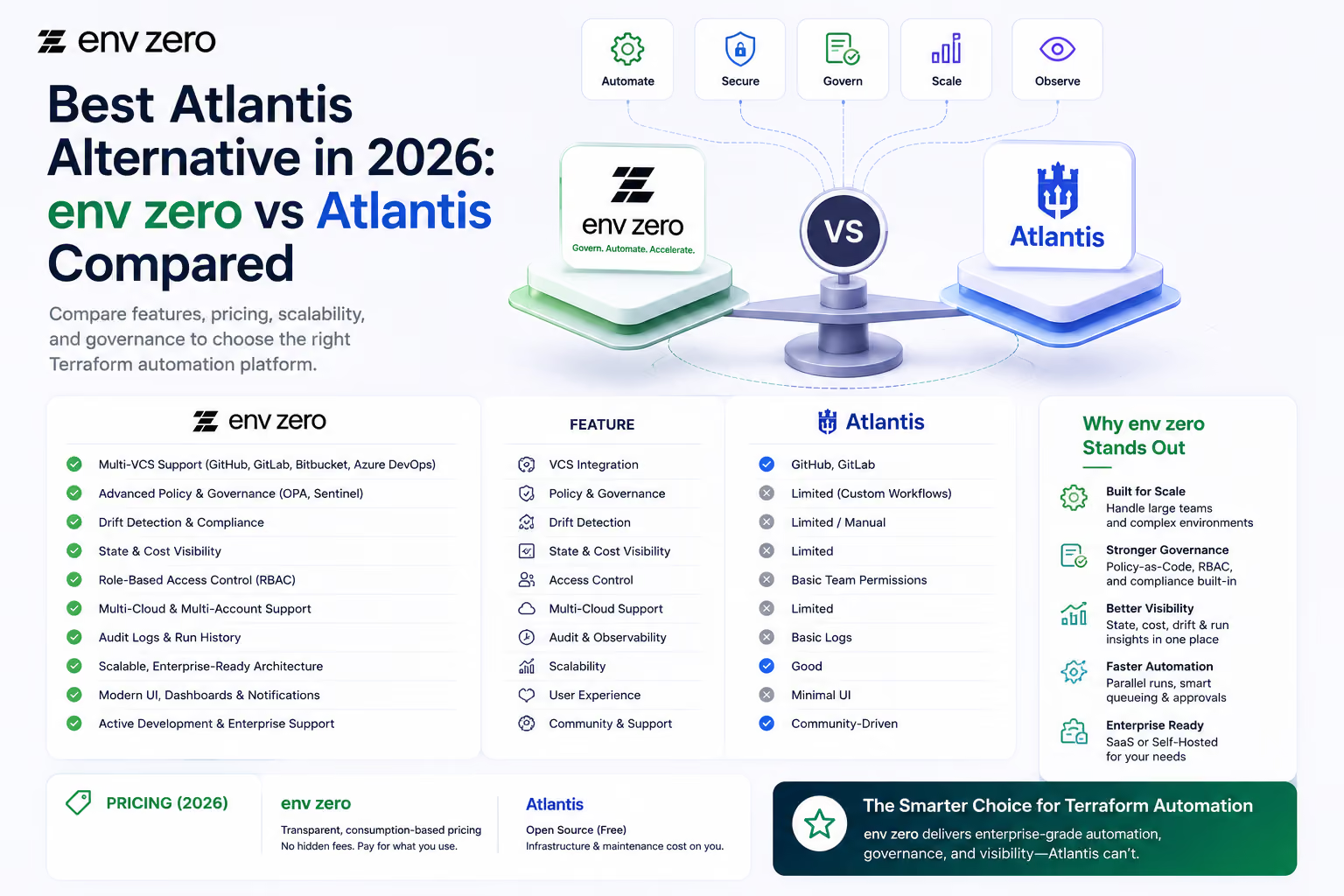







Enterprise Release Control Model: Structuring Secure and Scalable Deployment Workflows

Policy Checkpoint Framework: Enforcing Consistent and Scalable Governance Across Deployments

Audit Trail Governance Framework: Ensuring Transparency, Compliance, and Accountability Across Infrastructure
Release Governance Framework: Structuring Controlled and Compliant Infrastructure Releases
Environment Drift Detection Model: Maintaining Consistency Across Infrastructure Environments
Pipeline Visibility Framework: Structuring Transparent and Controlled Deployment Workflows