.svg)


As deployment velocity increases, maintaining control over releases becomes more critical. A structured governance framework ensures that every change is validated, approved, and aligned with organizational standards.
As organizations scale infrastructure and adopt faster deployment cycles, maintaining control over releases becomes increasingly complex. Enterprise environments involve multiple teams, tools, compliance requirements, and dependencies, making unstructured release processes risky and inefficient.
A Release Governance Framework provides a structured approach to managing how releases are validated, approved, executed, and monitored. It ensures that deployments remain consistent, secure, and compliant while enabling teams to move efficiently at scale.
What Is a Release Governance Framework?
A Release Governance Framework is a structured model that defines the rules, controls, and processes applied to infrastructure and application releases. It ensures that every deployment aligns with organizational policies, security standards, and compliance requirements.
By embedding governance directly into deployment workflows, this framework enables organizations to maintain control without slowing down delivery or introducing unnecessary complexity.
Why Release Governance Needs Structure
In enterprise environments, releases involve multiple stakeholders, systems, and dependencies. Without structured governance, deployments can become inconsistent, unverified, and difficult to manage.
A well-defined framework ensures that all releases follow standardized validation and approval processes. It reduces operational risk, improves reliability, and ensures that governance is applied consistently across environments.
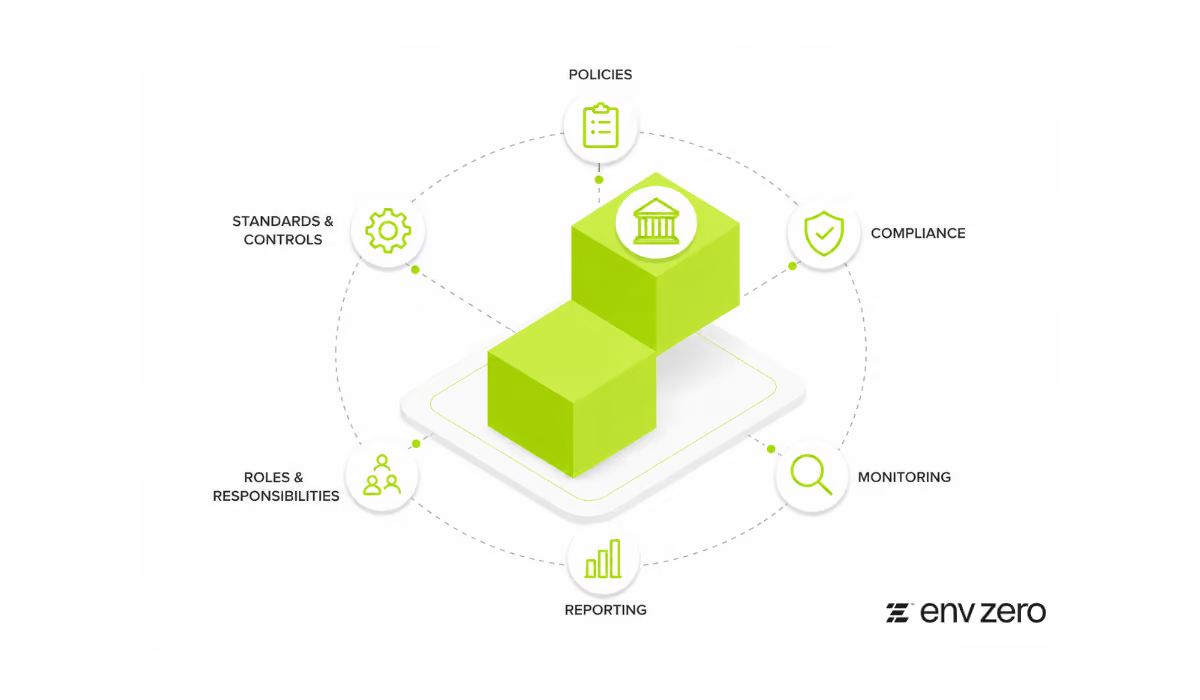
Core Components of a Release Governance Framework
To ensure governance is effective and scalable, control mechanisms must be clearly defined and integrated across the deployment lifecycle.
Policy Enforcement
Policies define the rules that govern deployments, including security, compliance, and cost requirements. These policies are typically implemented using Policy-as-Code to ensure consistent enforcement, validating every deployment against predefined standards before execution.
At the enterprise scale, this enforcement typically sits within a dedicated layer of its own; see the Enterprise Release Control Model.
Approval and Control Mechanisms
Approval workflows ensure that critical changes are reviewed before deployment. These workflows may include manual approvals, automated validations, or hybrid approaches. Structured approval mechanisms help maintain governance while ensuring that workflows remain efficient and responsive.
Who holds responsibility for that approval step is defined in the Deployment Ownership Matrix.
Standardized Deployment Processes
Standardization ensures that all deployments follow consistent and repeatable workflows, including predefined templates, automation pipelines, and validation steps. Consistent processes reduce errors and improve scalability across teams and environments.
Risk-Based Governance
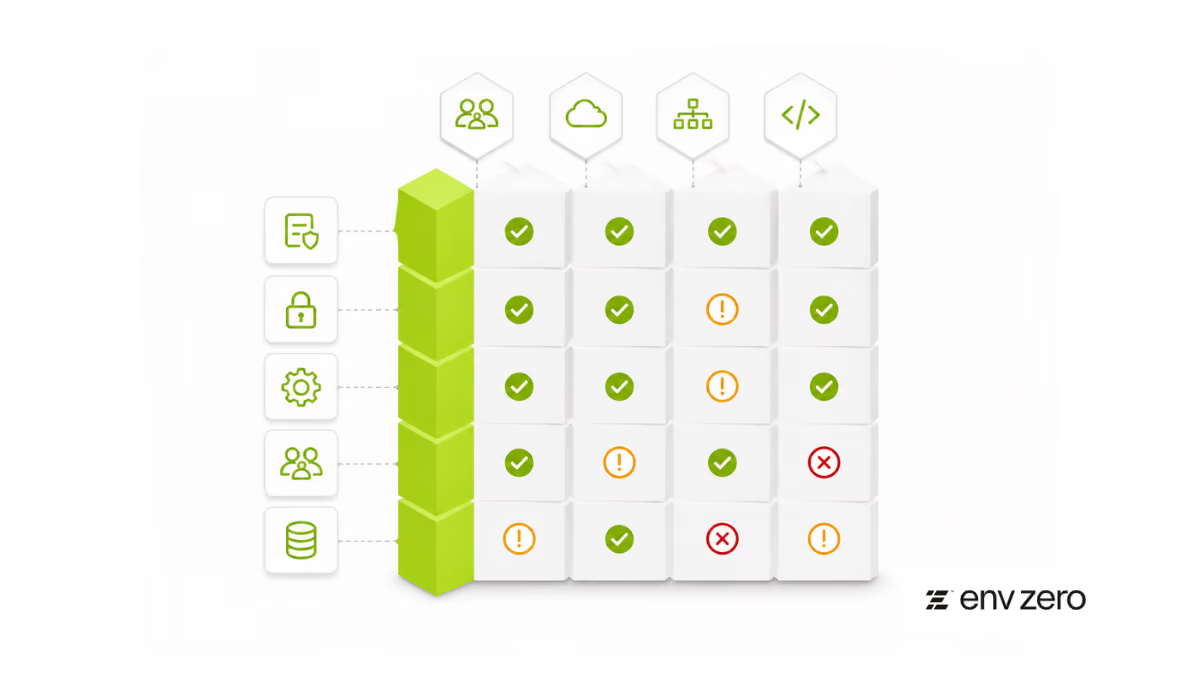
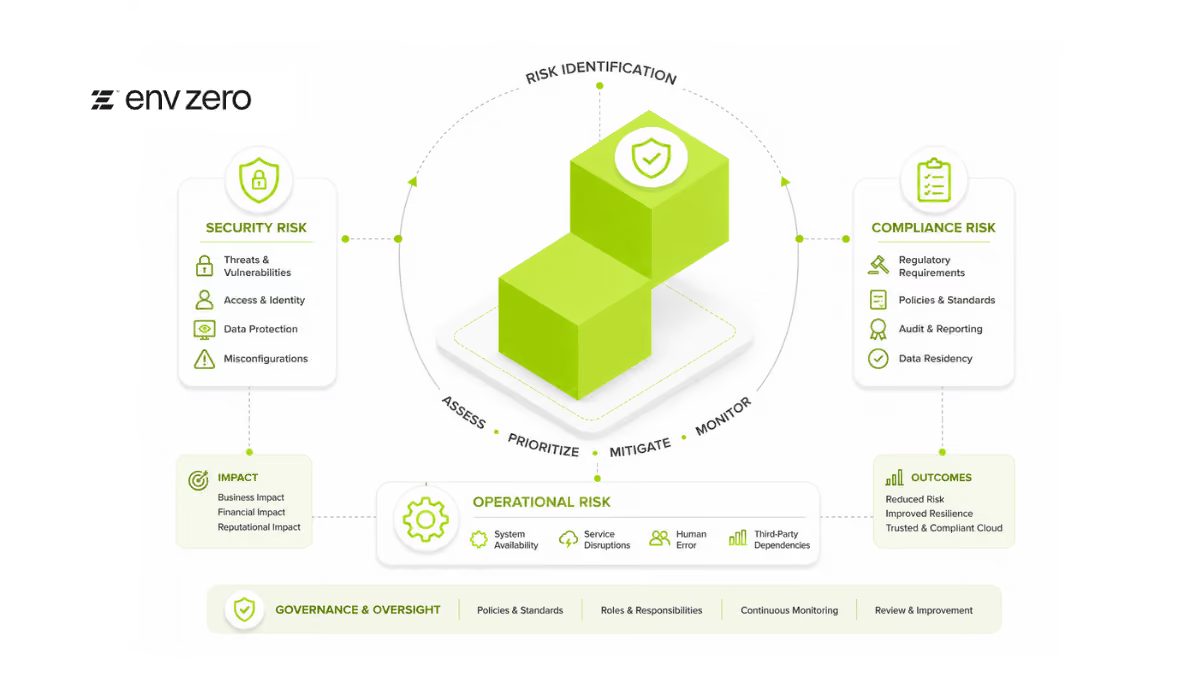
Governance should adapt based on the risk level of each deployment. High-risk changes require stricter validation and approvals, while low-risk changes can proceed with minimal intervention. This approach ensures that governance is applied where it matters most without slowing down overall delivery.
Monitoring and Compliance Oversight
Governance extends beyond deployment into continuous monitoring, including tracking system behavior, validating compliance, and ensuring that infrastructure operates within defined parameters. Ongoing oversight ensures that governance is maintained even after deployment is complete.
That ongoing record is exactly what the Audit Trail Governance Framework is built to maintain.
Auditability and Traceability
All actions within the release process should be recorded and traceable, including approvals, policy checks, deployment steps, and outcomes. Auditability supports compliance requirements and provides visibility into how changes are managed across environments.
How the Framework Works in Practice
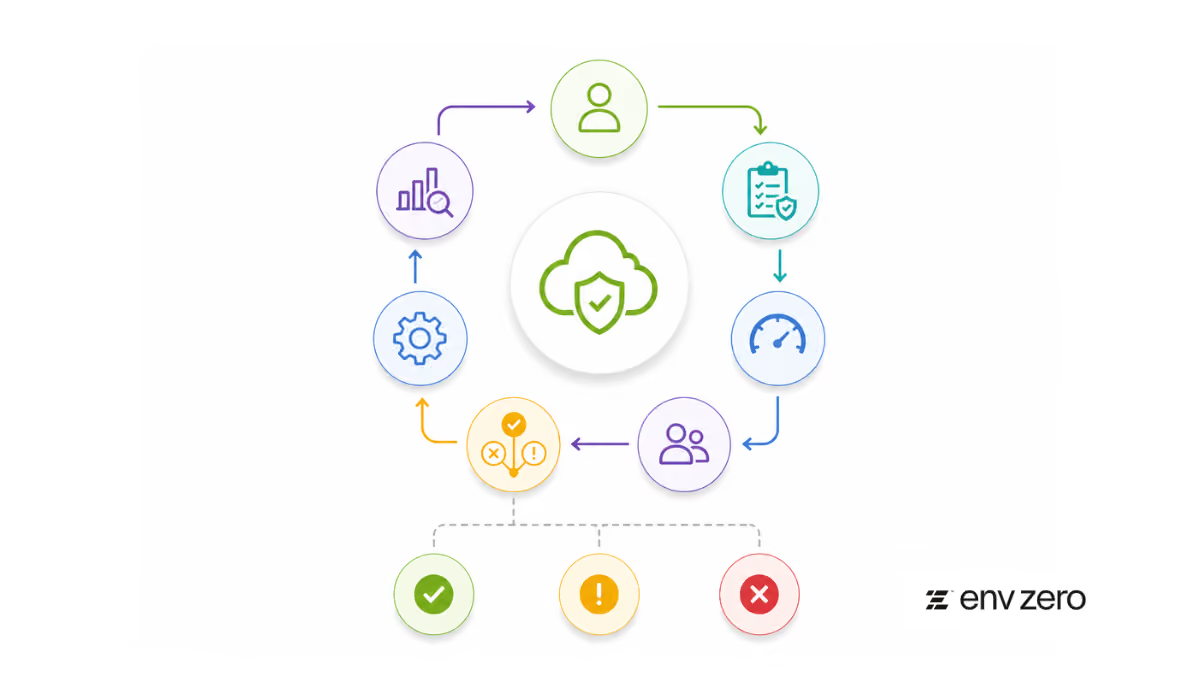
In practice, a Release Governance Framework integrates validation, policy enforcement, approvals, and monitoring into a unified workflow.
When a deployment is triggered, it passes through predefined validation checks, followed by policy enforcement and approval processes. The level of governance applied depends on the environment and risk level of the change. For example, development deployments may proceed automatically, while production releases require multiple approvals and strict policy validation. This ensures that governance is applied consistently without introducing unnecessary delays.
Benefits of a Release Governance Framework
A structured governance framework delivers several benefits:
- Consistency. All deployments follow the same process.
- Stronger security and compliance. Policy enforcement is embedded into workflows.
- Lower operational risk. Changes are validated before execution.
- Improved efficiency. Governance tasks are automated.
- Scalability. Organizations can manage complex infrastructure environments effectively.
Common Challenges Without Governance
Without a governance framework, deployments often lack structure and control. Teams may bypass validation steps, leading to misconfigurations, security vulnerabilities, and compliance issues.
This lack of governance increases operational risk, reduces visibility, and makes it difficult to scale infrastructure efficiently. Over time, it can lead to inconsistent workflows and reduced confidence in deployment systems.
How env zero Supports Release Governance
env zero helps organizations implement and enforce a Release Governance Framework by integrating policies, approvals, and automation into deployment workflows.
With env zero, teams can enforce Policy-as-Code, define approval workflows, and standardize deployment processes across environments, applying governance consistently without introducing friction. env zero also provides real-time visibility into deployment activity, enabling teams to track compliance, approvals, and outcomes, which helps maintain accountability and ensures that infrastructure remains controlled and aligned with organizational standards.
If you want the plain-language explainer version of this before diving into the framework, see Release Controls for Infrastructure Teams.
Conclusion
A Release Governance Framework is essential for managing infrastructure releases in modern environments. It provides the structure needed to ensure that deployments are secure, compliant, and consistent across all stages of the lifecycle.
By integrating governance into automated workflows, organizations can reduce risk, improve reliability, and scale operations effectively. With tools like env zero, governance becomes streamlined, automated, and highly scalable.
Need stronger control over your infrastructure releases? env zero helps you enforce governance, automate approvals, and maintain consistency across deployments, gaining better visibility and reducing risk so every deployment meets your organizational standards without slowing down delivery.
FAQs
What is a release governance framework?
A release governance framework defines the rules and processes that control how deployments are validated, approved, and executed. It ensures consistency, compliance, and security across environments while supporting scalable infrastructure delivery.
Why is governance important in release processes?
Governance ensures that deployments follow structured validation and approval processes, reducing risks such as misconfigurations and compliance violations. It also improves visibility and accountability across teams.
How does risk-based governance improve deployments?
Risk-based governance applies stricter controls to high-impact changes while allowing low-risk deployments to move faster. This ensures efficiency without compromising security or compliance.
How does automation support release governance?
Automation enforces policies, approvals, and validation steps consistently across deployments. It reduces manual effort, minimizes human error, and ensures reliable execution at scale.
How does env zero support release governance frameworks?
env zero integrates policy enforcement, approval workflows, and deployment automation into a unified system. This ensures consistent governance, real-time visibility, and efficient infrastructure management.
What happens without release governance?
Without governance, deployments become inconsistent and risky, leading to security issues, compliance failures, and operational inefficiencies across environments.
How can teams implement a release governance framework?
Teams can implement governance by defining policies, approval processes, and monitoring systems, then integrating them into automated deployment workflows for consistent enforcement.
Related Content

Pulumi vs Terraform vs OpenTofu: A Decision Framework Based on Team Type, Scale, and License Risk


Terragrunt Directory Structure Framework: DRY Configs Across Dev, Staging, and Prod
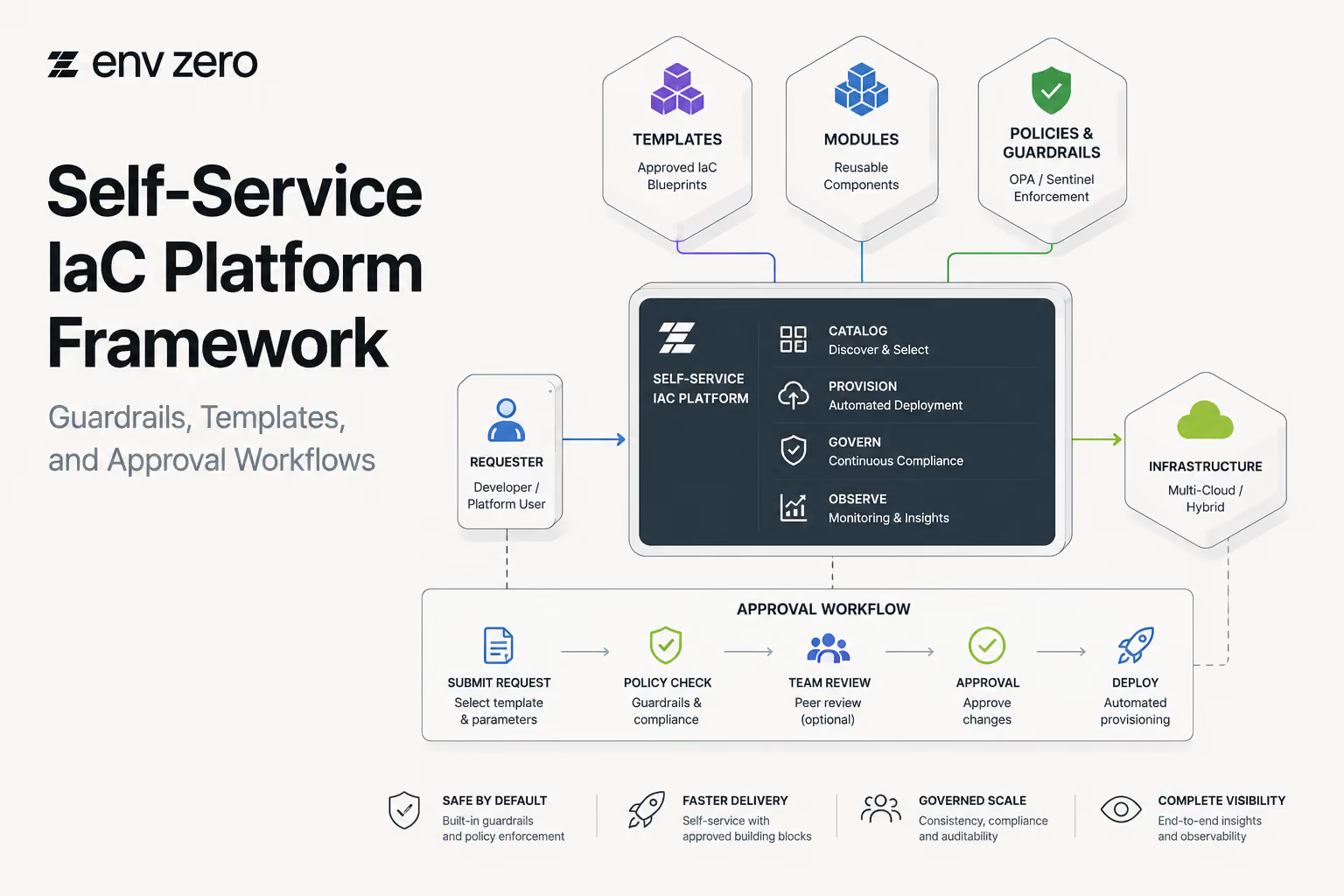
Self-Service IaC Platform Framework: Guardrails, Templates, and Approval Workflows
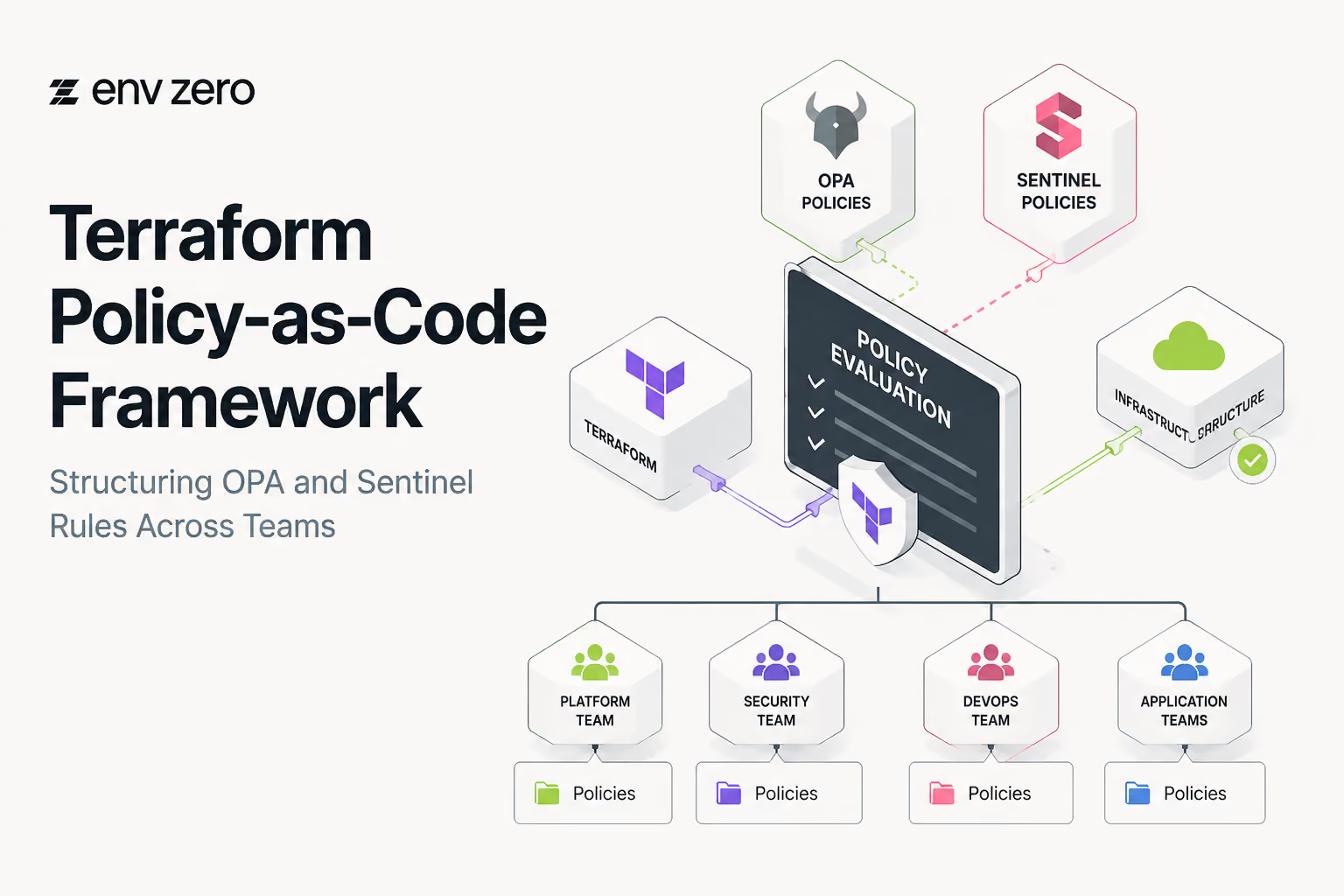
Terraform Policy-as-Code Framework: Structuring OPA and Sentinel Rules Across Teams
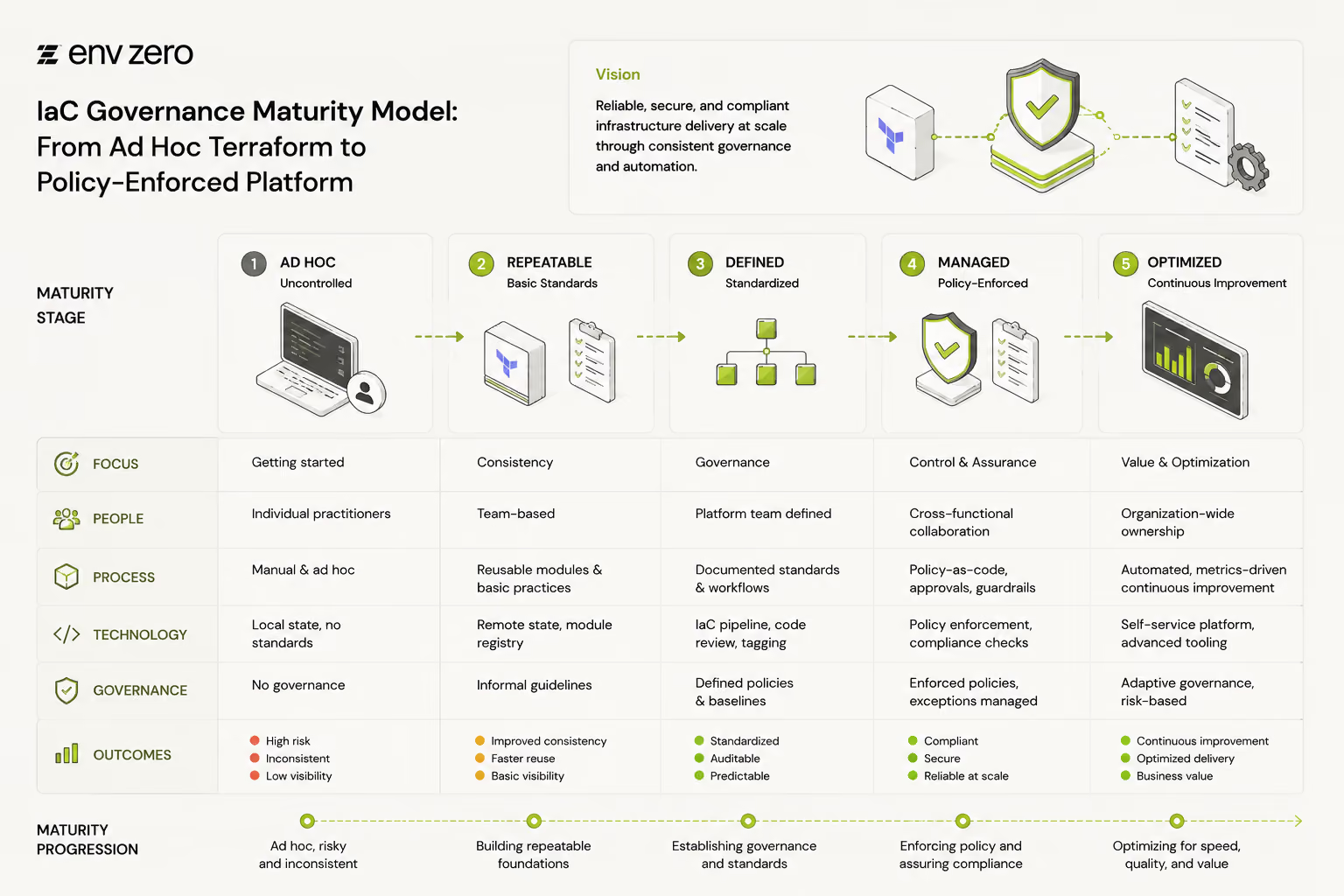
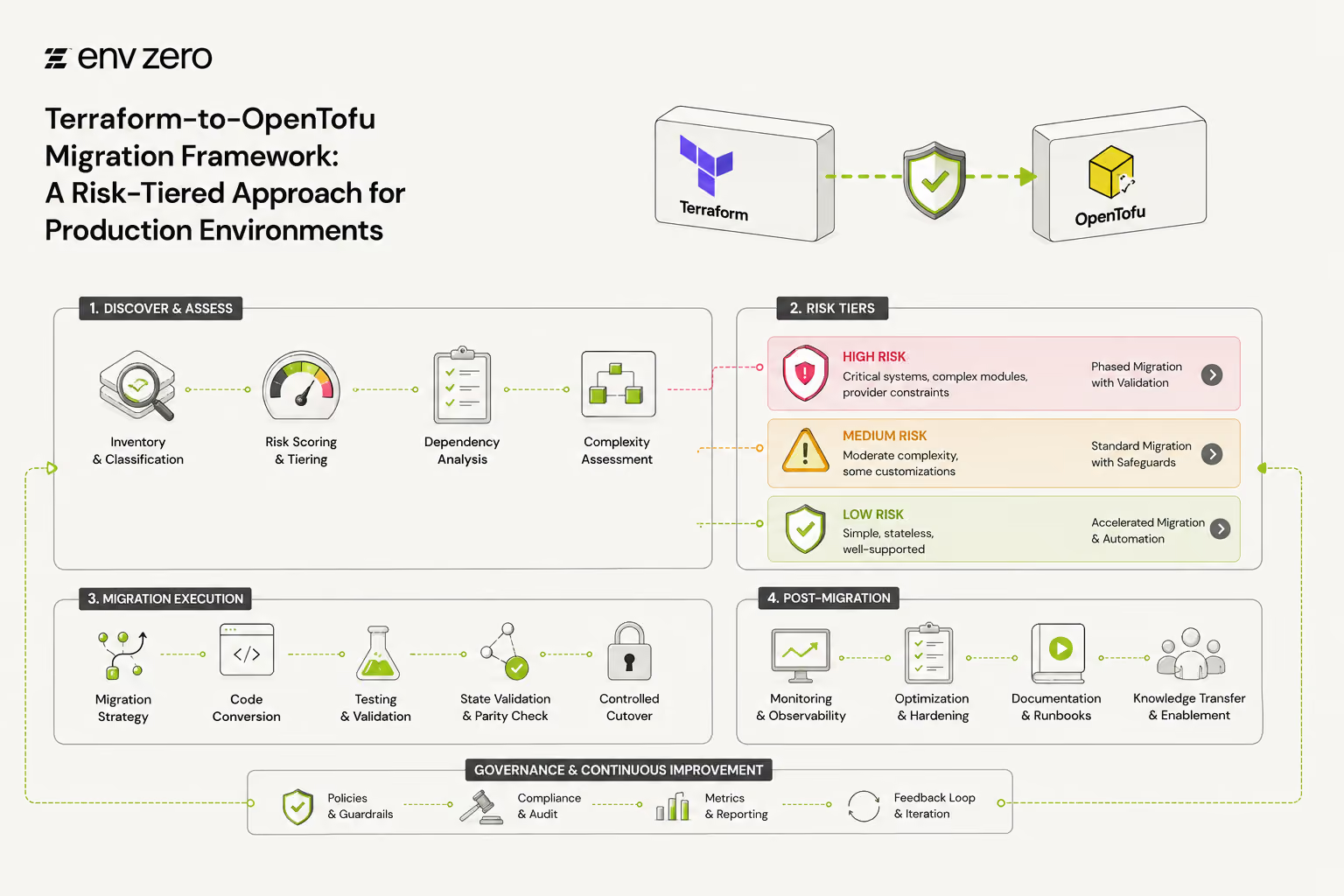
Terraform-to-OpenTofu Migration Framework: A Risk-Tiered Approach for Production Environments









Enterprise Release Control Model: Structuring Secure and Scalable Deployment Workflows

Policy Checkpoint Framework: Enforcing Consistent and Scalable Governance Across Deployments
Audit Trail Governance Framework: Ensuring Transparency, Compliance, and Accountability Across Infrastructure

Environment Drift Detection Model: Maintaining Consistency Across Infrastructure Environments
Pipeline Visibility Framework: Structuring Transparent and Controlled Deployment Workflows