.svg)


In modern infrastructure environments, every action must be traceable and accountable. A structured audit trail framework ensures complete visibility into changes, decisions, and system activity.
As infrastructure becomes more dynamic and automated, tracking changes across systems, environments, and teams becomes increasingly complex. Without proper visibility into actions and events, organizations face challenges in maintaining security, compliance, and operational control.
An Audit Trail Governance Framework provides a structured approach to capturing, managing, and analyzing activity across the deployment lifecycle. It ensures that every action is recorded, traceable, and aligned with organizational and regulatory requirements.
What Is an Audit Trail Governance Framework?
An Audit Trail Governance Framework is a structured model that defines how system activities, infrastructure changes, and user actions are logged, monitored, and governed. It ensures that audit data is consistently captured and maintained across environments.
This framework integrates logging, monitoring, and compliance processes into infrastructure workflows, enabling organizations to maintain transparency and accountability at scale. It also supports traceability, letting teams track actions over time and improve auditing, security, and operational decision-making.
Why Audit Trail Governance Needs Structure
In enterprise environments, infrastructure changes occur frequently across multiple tools and teams. Without a structured governance model, audit data can become fragmented, incomplete, or difficult to analyze.
A defined framework ensures that all relevant activities are captured consistently and stored securely, while also helping organizations meet compliance requirements and maintain visibility into system behavior.
Structured governance also helps standardize how logs are collected and managed, making it easier to trace actions, investigate incidents, and identify patterns over time. This improves both operational efficiency and the ability to respond quickly to security or compliance-related events.
Core Components of an Audit Trail Governance Framework
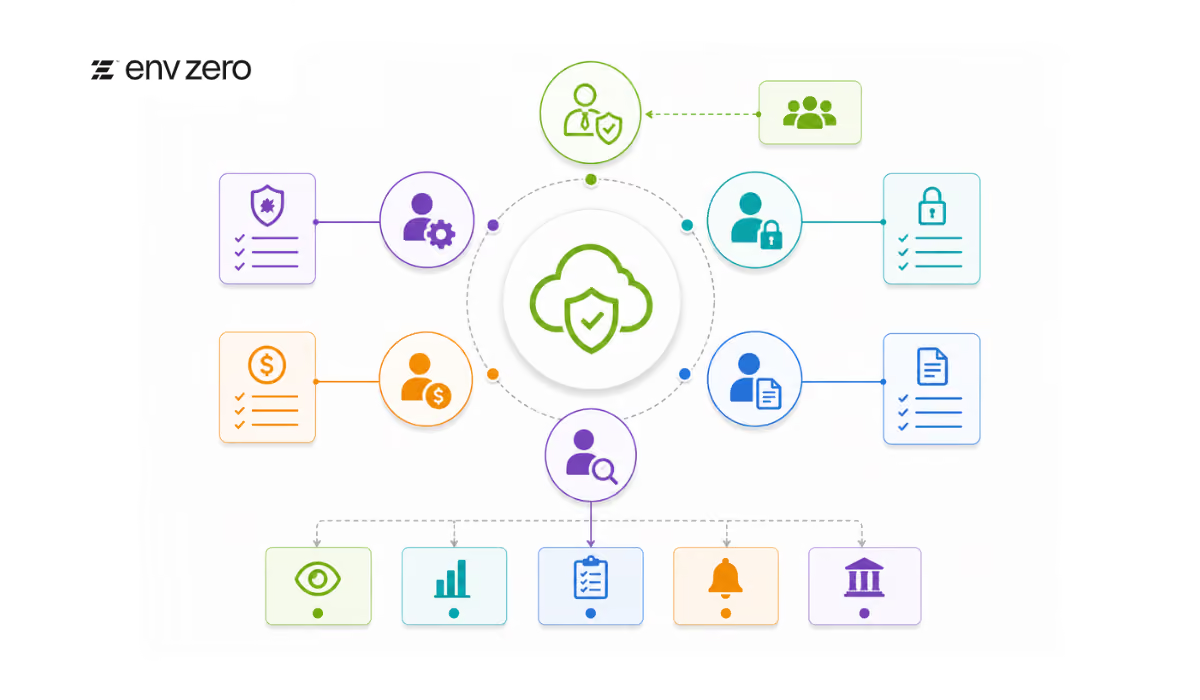
To ensure effective audit tracking and governance, organizations must define clear processes for logging, monitoring, and managing audit data across the lifecycle.
Comprehensive Activity Logging
All relevant actions should be logged, including infrastructure provisioning, configuration changes, access events, and deployment activities. Comprehensive logging ensures that no critical event is missed and provides a complete record of system activity.
That record is what makes ongoing compliance oversight possible after a release; see the Release Governance Framework.
Centralized Log Management
Audit data should be collected and stored in a centralized system to ensure easy access and analysis. Centralization eliminates fragmentation and enables teams to query, monitor, and analyze logs efficiently.
Data Integrity and Security
Audit logs must be protected from tampering and unauthorized access. Techniques such as immutable storage and encryption help ensure that logs remain secure and trustworthy. Maintaining data integrity is essential for compliance and reliable auditing.
Real-Time Monitoring and Alerts
Audit trails should be actively monitored for anomalies or suspicious activity, with alerts triggered when predefined conditions are met. Real-time monitoring enables faster response to potential issues and improves system security.
At the enterprise release scale, this monitoring is typically formalized as its own layer; see the Enterprise Release Control Model.
Access Control and Permissions
Access to audit logs should be restricted to authorized users. Role-based access control ensures that only relevant stakeholders can view or manage audit data, enhancing security and preventing misuse of sensitive information.
Retention and Lifecycle Management
Audit logs should be retained according to organizational policies and regulatory requirements. Proper lifecycle management ensures that logs are stored, archived, or deleted in a controlled and compliant manner.
Audit Analysis and Reporting
Audit data should be analyzed to identify patterns, detect inefficiencies, and support compliance reporting. Reporting capabilities help organizations gain insights into system behavior and improve governance practices.
How the Framework Works in Practice
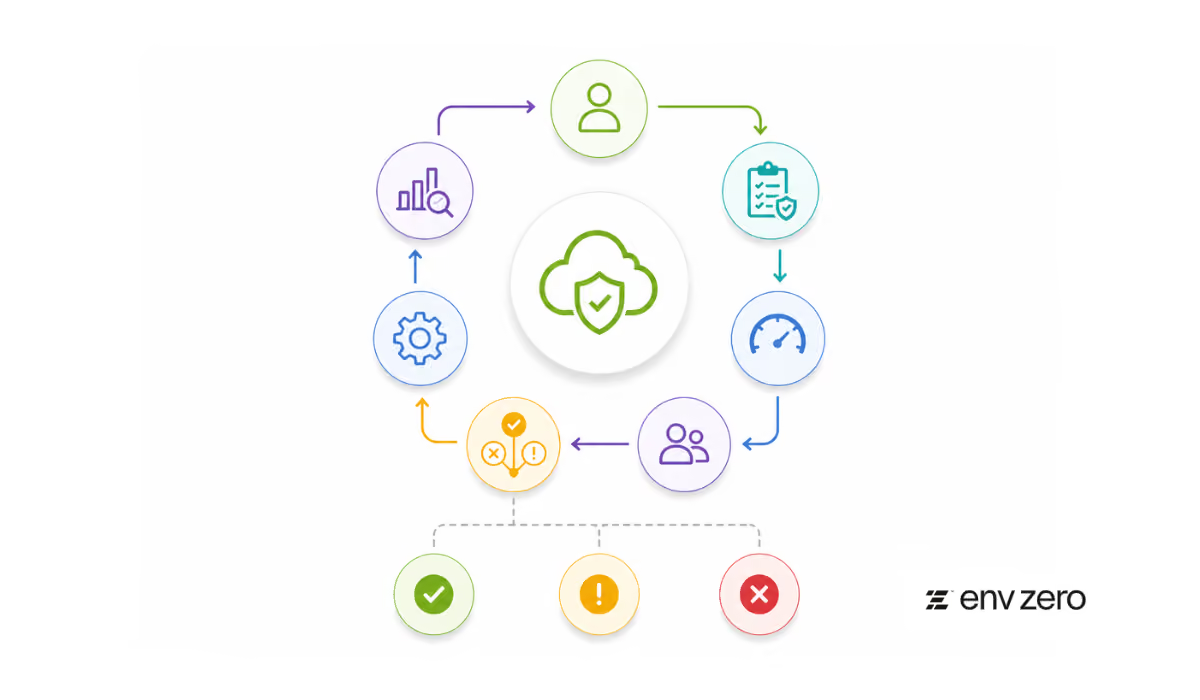
In practice, an Audit Trail Governance Framework continuously captures and processes activity across the infrastructure lifecycle. When a deployment or system change occurs, the framework logs the event, stores it securely, and makes it available for monitoring and analysis.
For example, when a configuration change is made, the system records who made the change, when it occurred, and what was modified. This information is stored in a centralized system and can be accessed for troubleshooting, auditing, or compliance reporting. This structured approach ensures that all actions are transparent, traceable, and aligned with governance requirements.
Benefits of an Audit Trail Governance Framework
A structured audit framework delivers several benefits:
- Transparency. Full visibility into system activity.
- Security. Unauthorized or suspicious actions are detected.
- Compliance. Accurate and complete records of all activities are maintained.
- Accountability. It's always clear who performed each action.
- Operational efficiency. Troubleshooting and analysis are simplified.
- Faster incident response. Clear timelines of events help teams identify trends or recurring issues.
Together, these let organizations continuously improve processes, strengthen governance, and maintain greater control over complex infrastructure environments.
Common Challenges Without Audit Governance
Without a governance framework, audit data is often incomplete, inconsistent, or difficult to access. Teams may struggle to track changes, identify issues, or meet compliance requirements.
This lack of structure increases security risks, reduces visibility, and makes it harder to manage infrastructure at scale. Over time, it can lead to operational inefficiencies and reduced trust in system processes.
How env zero Supports Audit Trail Governance
env zero helps organizations implement an Audit Trail Governance Framework by integrating logging, monitoring, and policy enforcement into deployment workflows.
With env zero, teams can capture detailed audit logs for every infrastructure action, ensuring full traceability. It integrates with centralized logging systems, enabling seamless data collection and analysis. env zero also enforces governance policies and provides real-time visibility into system activity, helping teams detect anomalies and maintain compliance, keeping audit trails accurate, secure, and actionable.
For a more approachable walkthrough of this same idea, see Why Audit Trails Matter in Deployment Automation.
Conclusion
An Audit Trail Governance Framework is essential for maintaining transparency, security, and compliance in modern infrastructure environments. It ensures that every action is recorded, traceable, and aligned with organizational standards.
By implementing a structured audit model, organizations can improve visibility, reduce risk, and enhance operational efficiency. With tools like env zero, audit governance becomes automated, scalable, and reliable.
Need better visibility and control over your infrastructure activity? env zero helps you implement secure, centralized audit trails with real-time monitoring and governance, ensuring every action is traceable, every change is accountable, and your infrastructure remains compliant at scale.
FAQs
What is an audit trail governance framework?
An audit trail governance framework defines how system activities and changes are logged, monitored, and managed to ensure transparency, security, and compliance across infrastructure.
Why are audit trails important in infrastructure management?
Audit trails provide visibility into system activity, helping teams track changes, detect issues, and maintain accountability across deployments.
What should be included in an audit trail system?
An audit trail system should include activity logging, centralized storage, monitoring, access control, and retention management to ensure complete and secure tracking.
How does audit trail governance support compliance?
It ensures that all actions are recorded and traceable, enabling organizations to meet regulatory requirements and demonstrate accountability.
How does env zero support audit trail governance?
env zero provides detailed logging, real-time monitoring, and policy enforcement, ensuring that all infrastructure actions are tracked and governed effectively.
What happens without proper audit trail governance?
Without governance, audit data can become incomplete or inconsistent, increasing security risks and making compliance and troubleshooting more difficult.
How can teams implement audit trail governance?
Teams can implement governance by defining logging standards, centralizing data, enforcing access controls, and integrating monitoring into deployment workflows.
Related Content
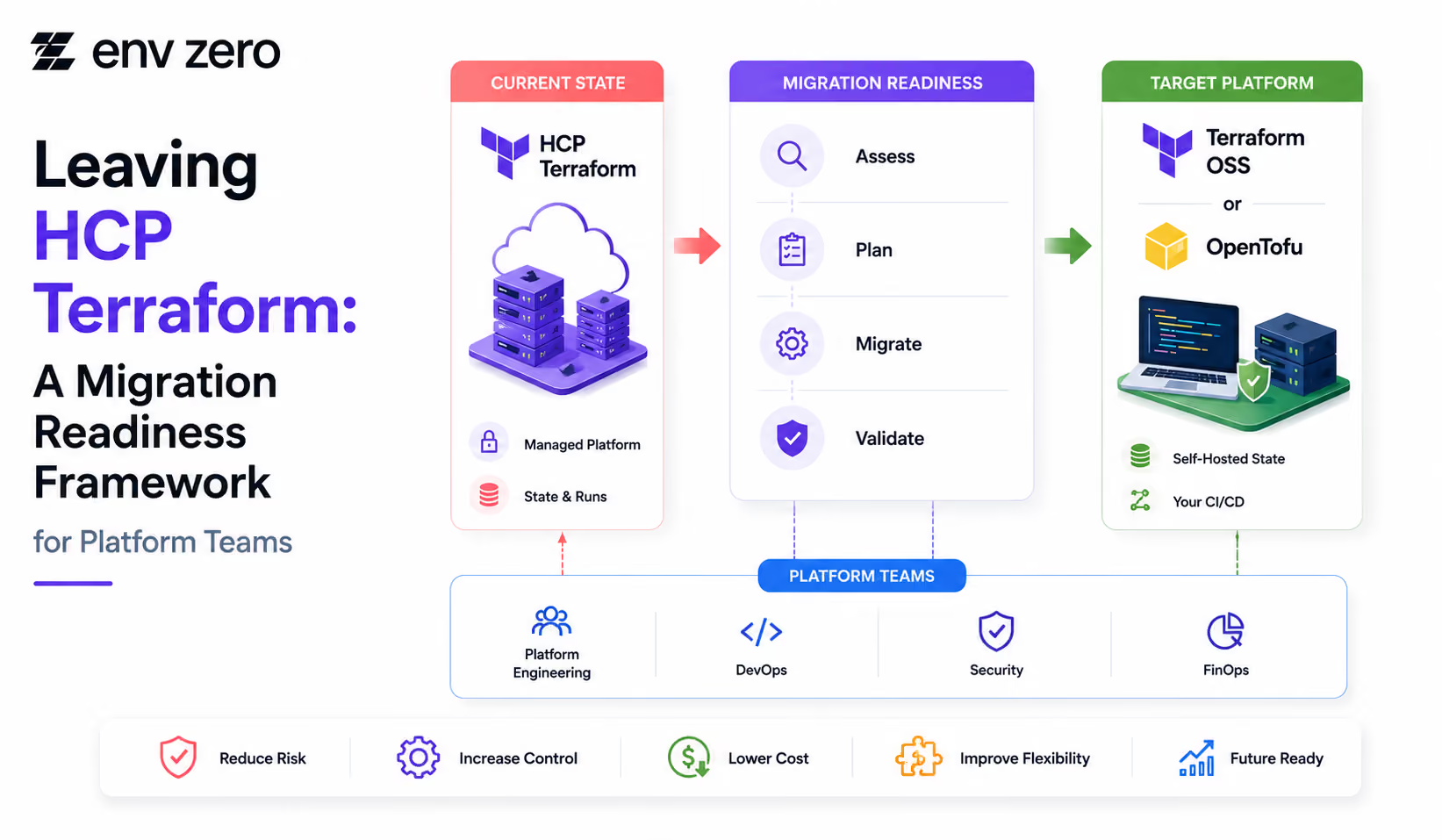

Pulumi vs Terraform vs OpenTofu: A Decision Framework Based on Team Type, Scale, and License Risk


Terragrunt Directory Structure Framework: DRY Configs Across Dev, Staging, and Prod
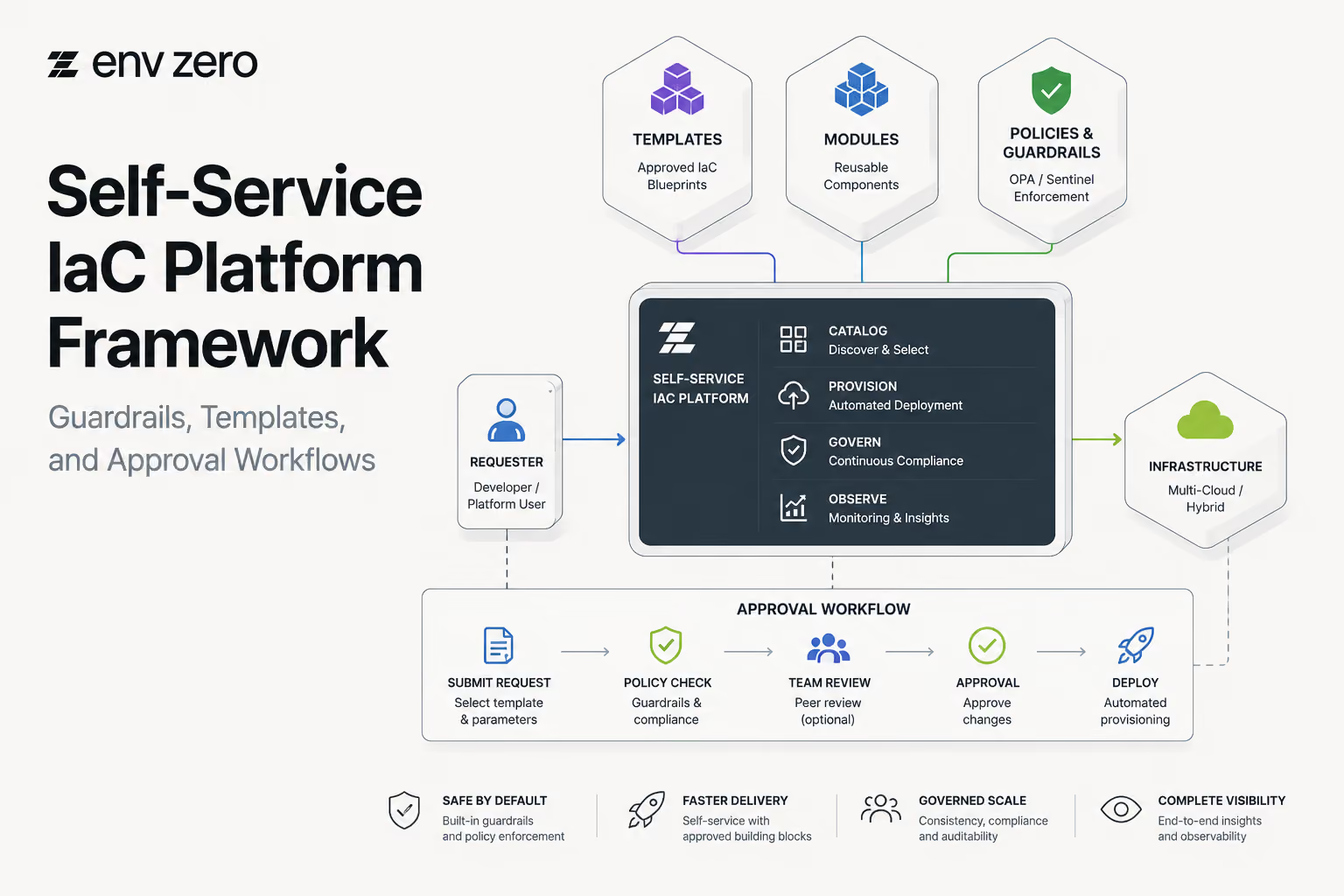
Self-Service IaC Platform Framework: Guardrails, Templates, and Approval Workflows
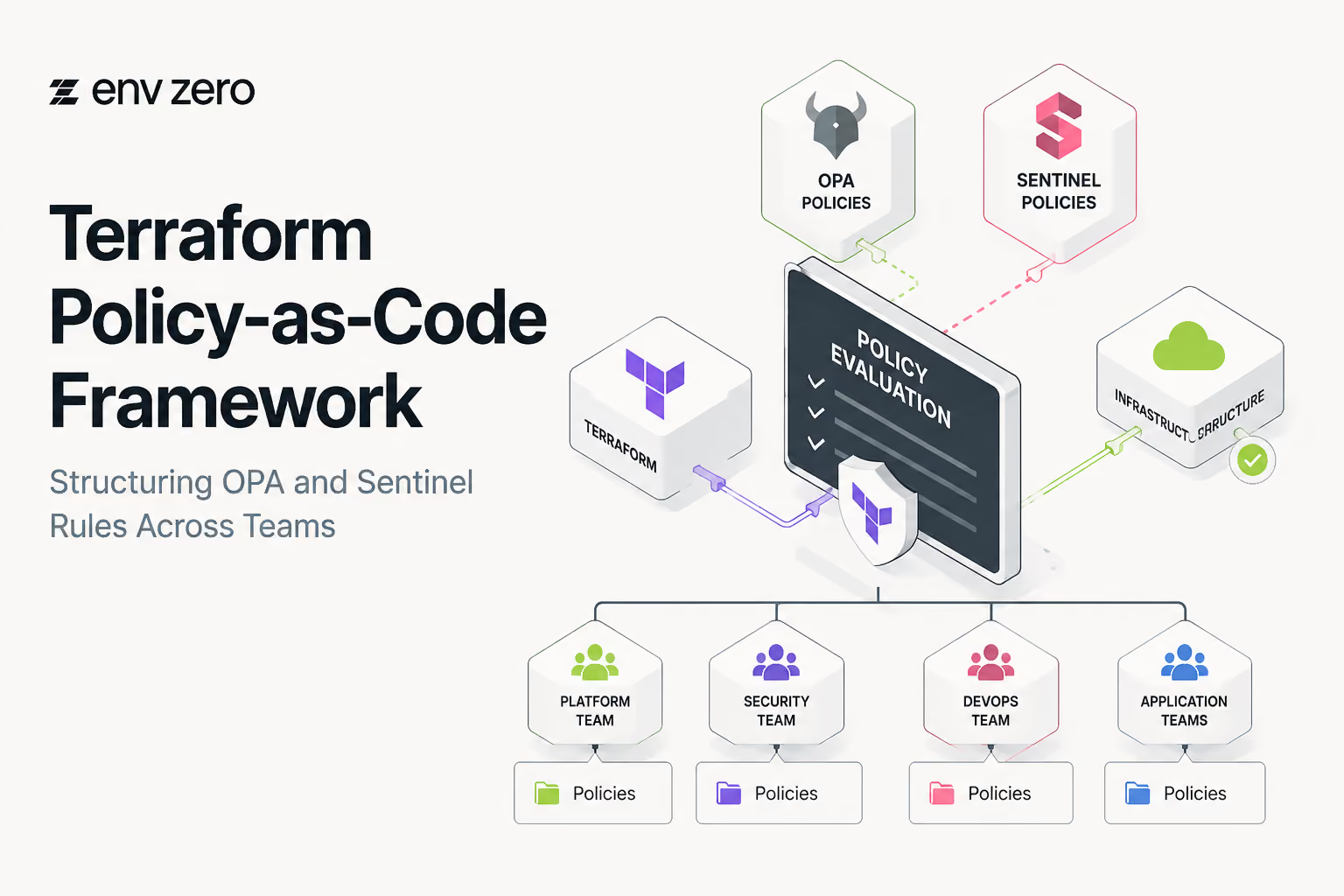
Terraform Policy-as-Code Framework: Structuring OPA and Sentinel Rules Across Teams
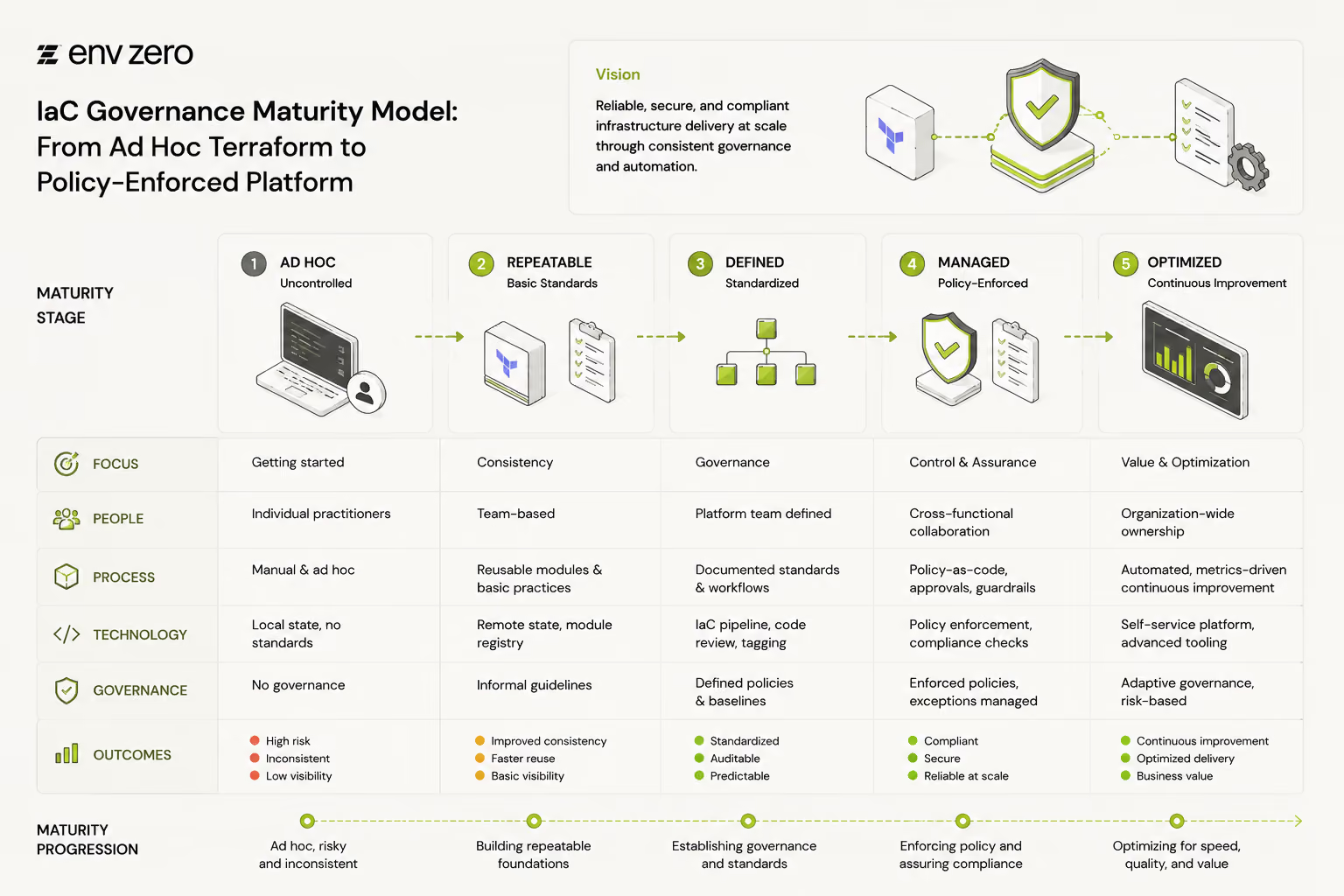
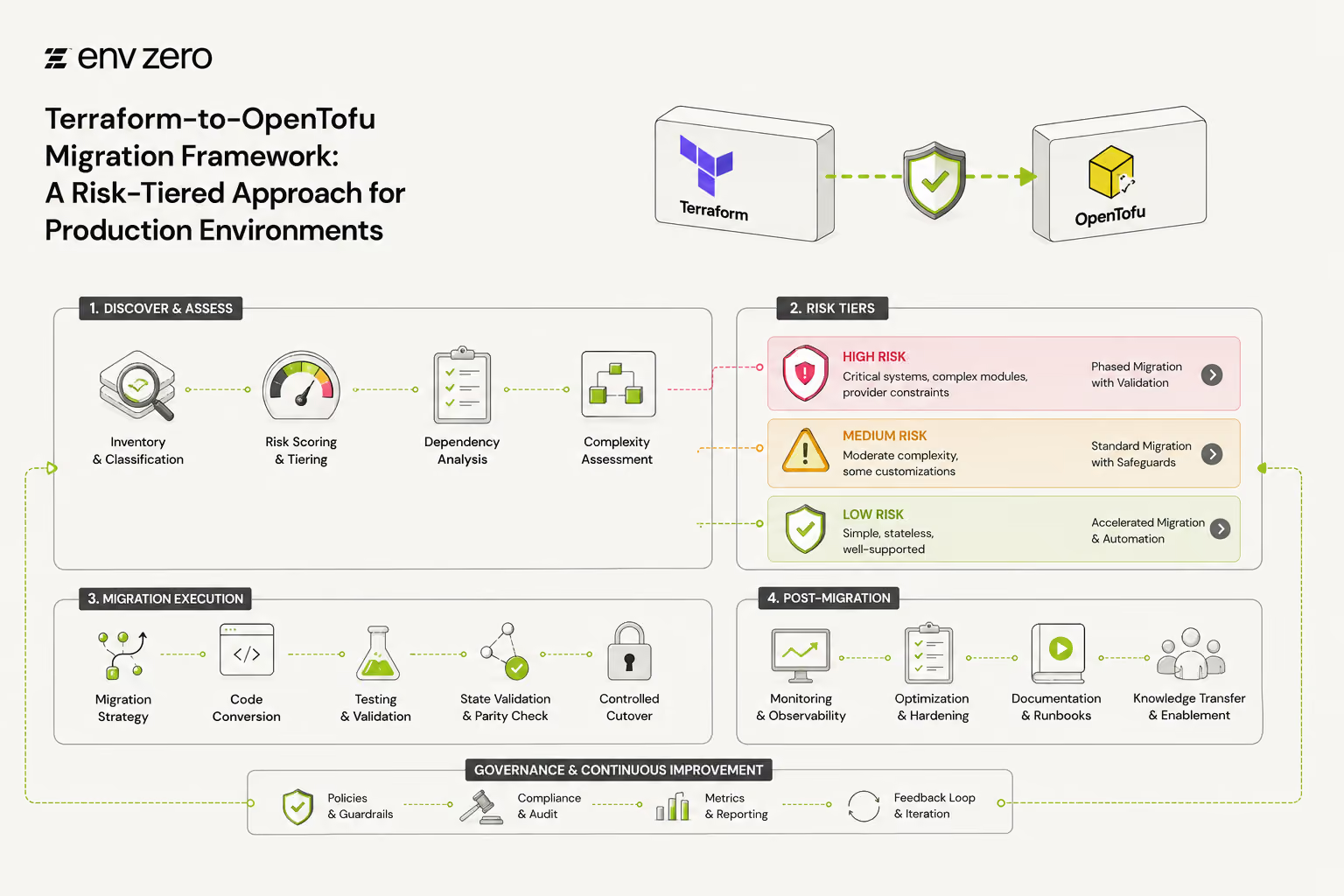
Terraform-to-OpenTofu Migration Framework: A Risk-Tiered Approach for Production Environments
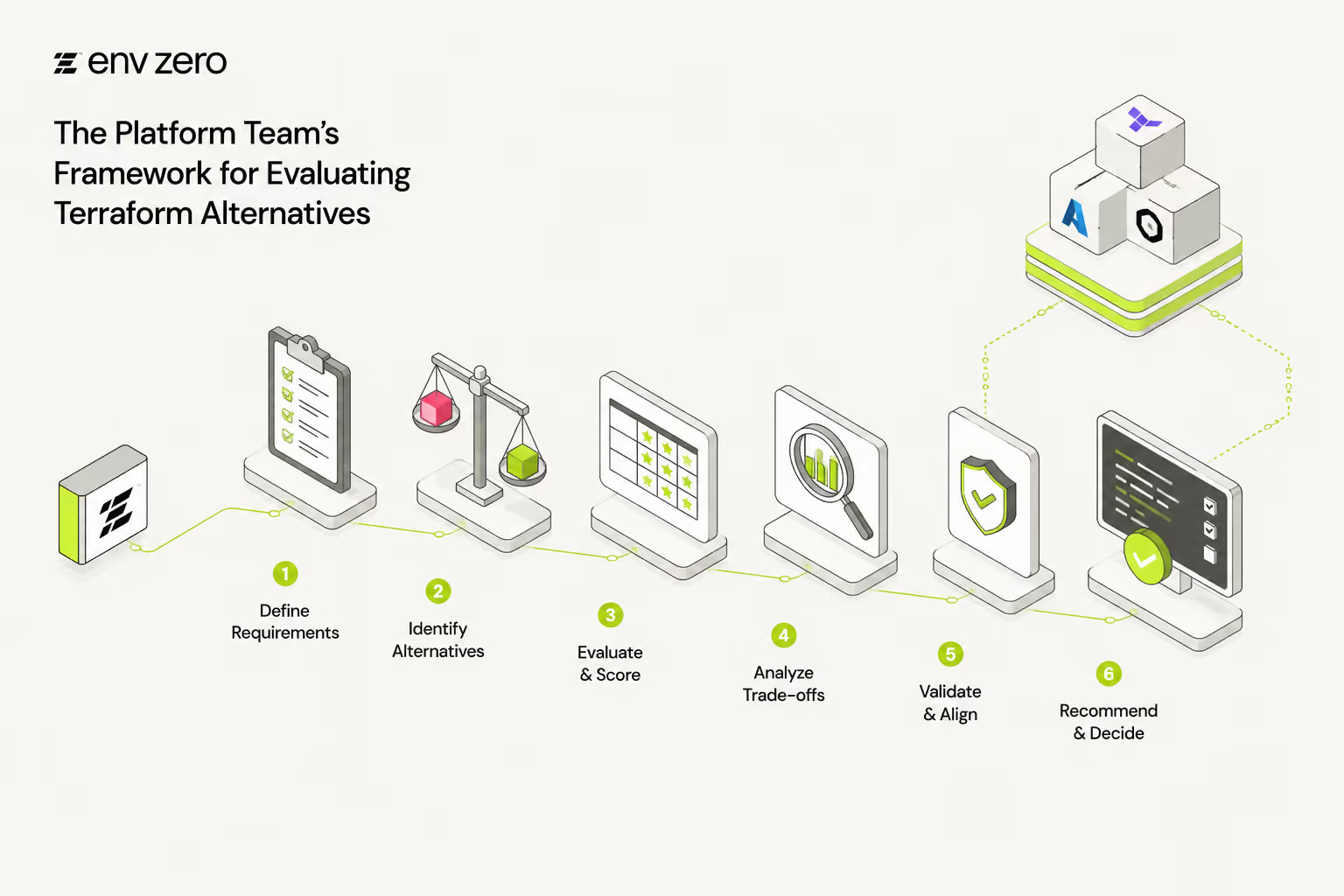


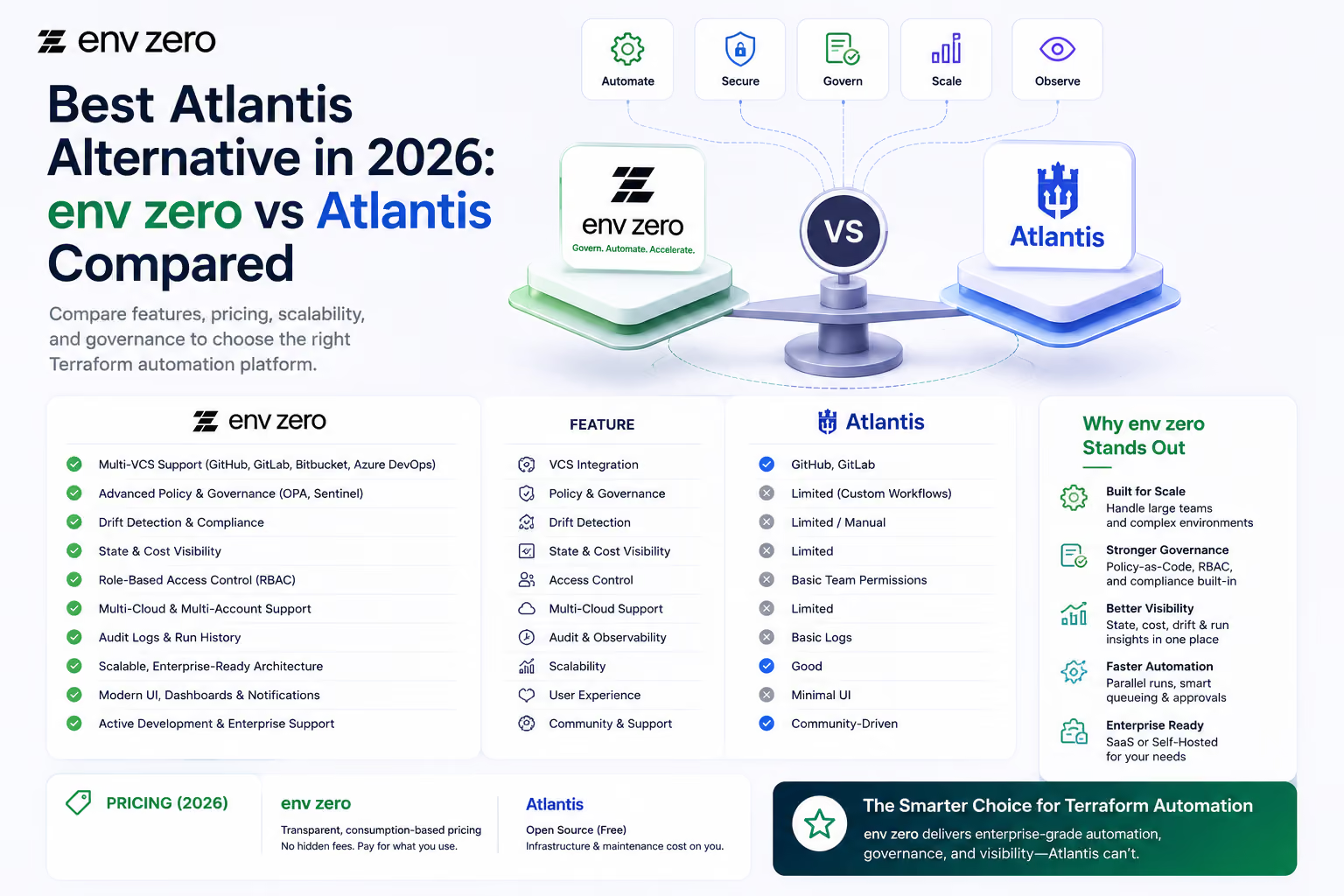






Enterprise Release Control Model: Structuring Secure and Scalable Deployment Workflows

Policy Checkpoint Framework: Enforcing Consistent and Scalable Governance Across Deployments
Release Governance Framework: Structuring Controlled and Compliant Infrastructure Releases

Environment Drift Detection Model: Maintaining Consistency Across Infrastructure Environments
Pipeline Visibility Framework: Structuring Transparent and Controlled Deployment Workflows