.svg)

Ownership layers are a critical part of cloud governance and risk management.
As infrastructure environments become larger and more complex, organizations often struggle to define who owns what, who approves changes, who manages risk, and who is responsible when problems appear.
Without a structured ownership model, cloud operations can quickly become inconsistent.
Teams may create resources without accountability, policy violations may go unresolved, and infrastructure changes may happen without clear approval.
This creates operational risk, weakens governance, and makes it harder to scale cloud environments across teams.
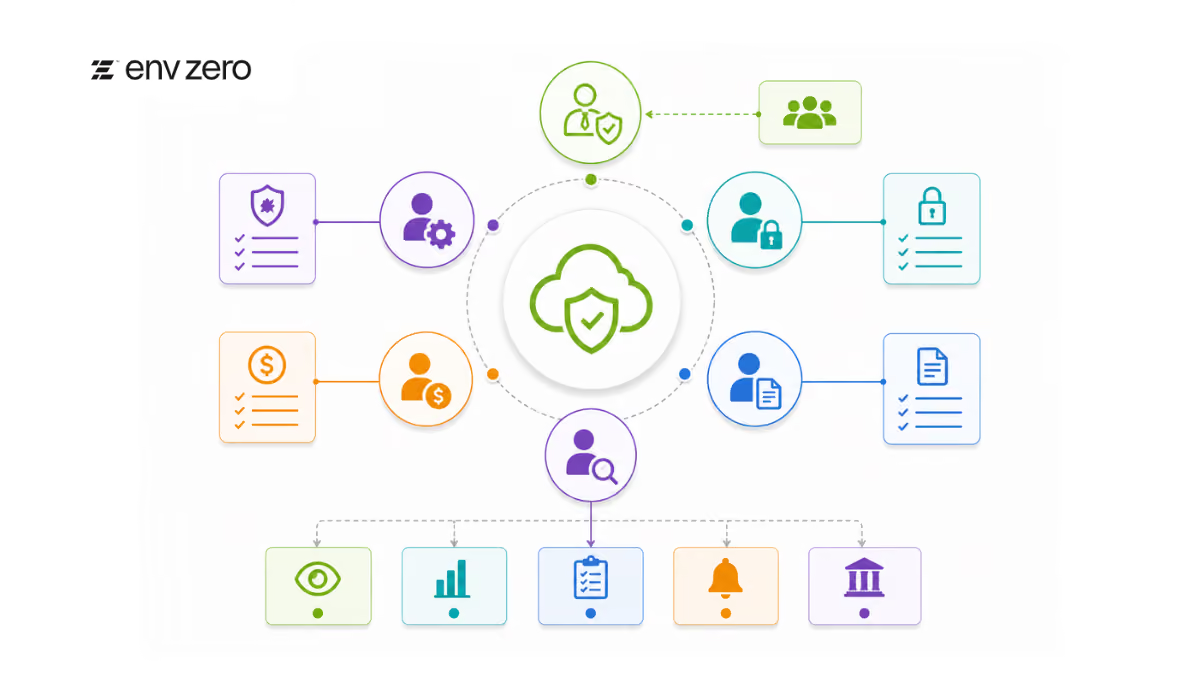
An ownership layer model helps organizations create clear boundaries for responsibility across infrastructure, applications, security, compliance, cost management, and platform operations.
Why Ownership Layers Matter
Many organizations assign ownership at only one level, such as the application team or the platform team.
While this may work in smaller environments, enterprise infrastructure requires a more detailed approach.
Cloud environments often involve multiple stakeholders, including:
- Platform teams
- Application teams
- Security teams
- Compliance teams
- Finance teams
- Business owners
- Operations teams
Each of these groups has different responsibilities. Without clear ownership layers, organizations often face several common problems:
Resources without clear owners
- Slow incident response
- Confusion around approval processes
- Security findings that remain unresolved
- Duplicate work across teams
- Poor visibility into cloud spend
- Weak accountability for compliance requirements
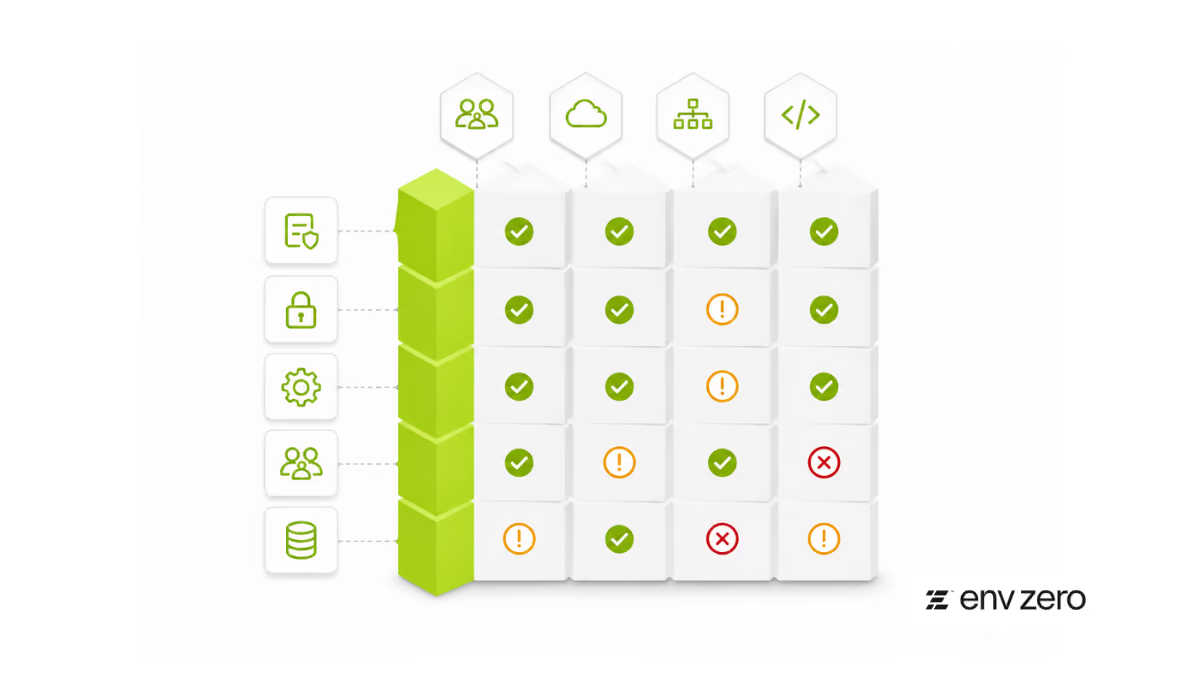
Ownership layers create structure by defining who is responsible for each part of the cloud operating model.
What an Ownership Layer Model Should Include
A strong ownership model should clearly define:
- Who owns infrastructure resources
- Who manages applications and services
- Who approves production changes
- Who monitors security controls
- Who reviews compliance requirements
- Who owns cloud costs and budgets
- Who handles incidents and escalations
- Who resolves policy violations
This helps organizations avoid gaps in accountability and improve operational consistency.
The Core Ownership Layers
The ownership layer model should separate responsibilities into multiple layers based on function and risk.
Infrastructure Ownership Layer
The infrastructure ownership layer is responsible for the underlying cloud environment.
This may include:
- Compute resources
- Storage systems
- Networking
- Shared cloud services
- Kubernetes clusters
- Infrastructure as code templates
Infrastructure owners are responsible for keeping environments stable, secure, and operational.
Application Ownership Layer
The application ownership layer focuses on the applications and services running on top of infrastructure.
Responsibilities may include:
- Application deployments
- Service configuration
- Runtime performance
- Application dependencies
- Feature releases
- Environment-specific settings
Application owners are usually responsible for ensuring that services operate correctly and align with business requirements.
Security Ownership Layer
The security ownership layer manages cloud security policies, access controls, threat monitoring, and risk management.
Security owners may be responsible for:
- Identity and access policies
- Security alerts
- Vulnerability management
- Encryption standards
- Network security controls
- Incident response coordination
Without a dedicated security ownership layer, cloud risk can increase quickly.
Compliance Ownership Layer
Compliance ownership focuses on regulatory, legal, and policy requirements.
This layer may manage:
- Audit preparation
- Compliance reporting
- Data retention rules
- Policy enforcement
- Industry-specific controls
- Evidence collection
Compliance ownership is especially important for organizations operating in regulated industries.
Cost Ownership Layer
Cloud spending should have a dedicated ownership layer.
Cost owners are responsible for:
- Budget management
- Cost forecasting
- Resource optimization
- Identifying waste
- Reviewing unused resources
- Allocating shared costs
Without cost ownership, cloud environments can become expensive and difficult to manage.
Operational Ownership Layer
Operational ownership focuses on day-to-day infrastructure support and incident management.
This may include:
- Monitoring systems
- Alert response
- Service reliability
- Change management
- On-call support
- Escalation handling
Operational owners help ensure that cloud services remain available and issues are resolved quickly.
How Ownership Layers Work Together
Ownership layers should not operate independently. Effective cloud governance requires coordination between teams. For example:
- Infrastructure teams may provision resources, while application teams deploy services on top of them
- Security teams may define access policies, while operations teams enforce them
- Finance teams may monitor spending, while platform teams optimize resource usage
- Compliance teams may define controls, while engineering teams implement them
The goal is to create clear responsibility without creating silos.
Best Practices for Ownership Layers
Organizations can improve ownership models by following several best practices.
Use Clear Documentation
Ownership should be documented clearly so teams know who is responsible for every resource, workflow, and approval path.
Apply Consistent Tagging
Cloud resources should include tags for:
- Team owner
- Environment
- Application name
- Cost center
- Compliance requirement
Consistent tagging helps teams identify ownership quickly.
Define Escalation Paths
Every ownership layer should include clear escalation rules.
Teams should know:
- Who responds to urgent issues
- Who approves emergency changes
- Who takes over when an owner is unavailable
- Who handles unresolved policy violations
- Review Ownership Regularly
Ownership models should be reviewed regularly because teams, projects, and cloud environments change over time. Organizations should look for:
- Resources without owners
- Outdated ownership information
- Duplicate responsibilities
- Gaps between teams
- Approval delays caused by unclear ownership
Regular reviews help organizations keep governance aligned with current operations.
Common Ownership Layer Mistakes
Many organizations assign ownership only at the team level instead of the resource or application level.
This often creates confusion because large teams may support many different environments.
Another common mistake is assigning ownership without authority. Accountability only works when owners have the ability to approve, change, review, or escalate issues.
Organizations also often fail to update ownership models as teams change. Over time, outdated ownership data can weaken governance and delay response times.
Conclusion
Ownership layers are essential for building a scalable cloud governance model.
They help organizations define who owns infrastructure, who manages applications, who controls security, and who is responsible for cost, compliance, and operations.
A strong ownership layer model reduces confusion, improves accountability, and creates better visibility across cloud environments.
For enterprise teams focused on cloud governance and risk management, ownership is not a side process.
It is a foundational structure that supports secure, compliant, and efficient cloud operations.
This layer structure is also what Cloud Accountability Model builds its accountability questions on top of. For the failure modes that show up when ownership layers aren’t in place, see Why Governance Fails in Multi-Team Cloud Environments.
FAQs
What is an ownership layer model?
An ownership layer model is a framework that defines responsibility across infrastructure, applications, security, compliance, cost management, and operations.
Why are ownership layers important?
Ownership layers are important because they reduce confusion, improve accountability, and help organizations manage cloud environments more effectively.
What teams are usually involved in ownership layers?
Ownership layers often include platform teams, application teams, security teams, finance teams, compliance teams, and operations teams.
How can organizations improve ownership visibility?
Organizations can improve ownership visibility by using clear documentation, tagging standards, approval workflows, and regular ownership reviews.
Related Content
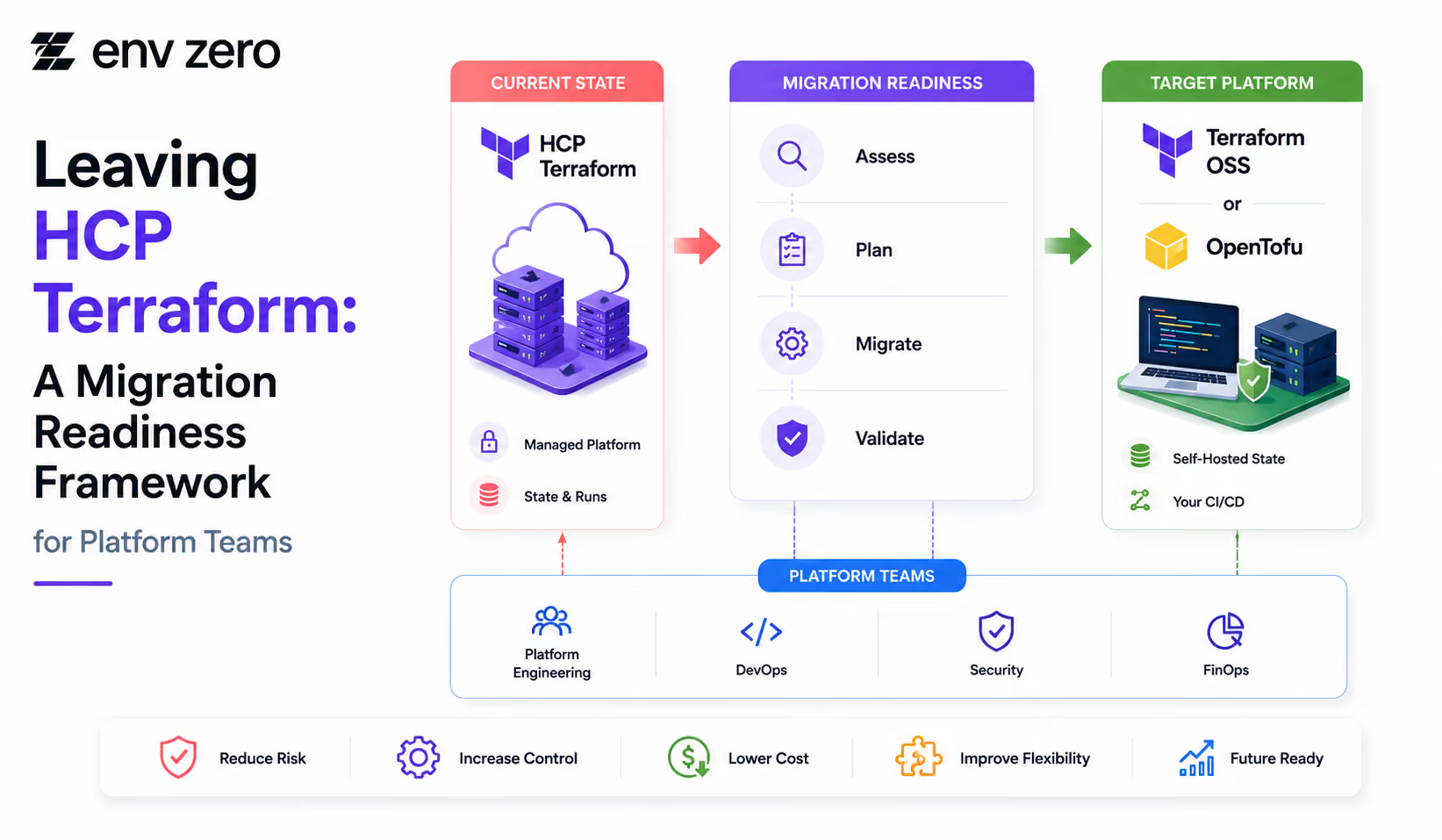

Pulumi vs Terraform vs OpenTofu: A Decision Framework Based on Team Type, Scale, and License Risk


Terragrunt Directory Structure Framework: DRY Configs Across Dev, Staging, and Prod
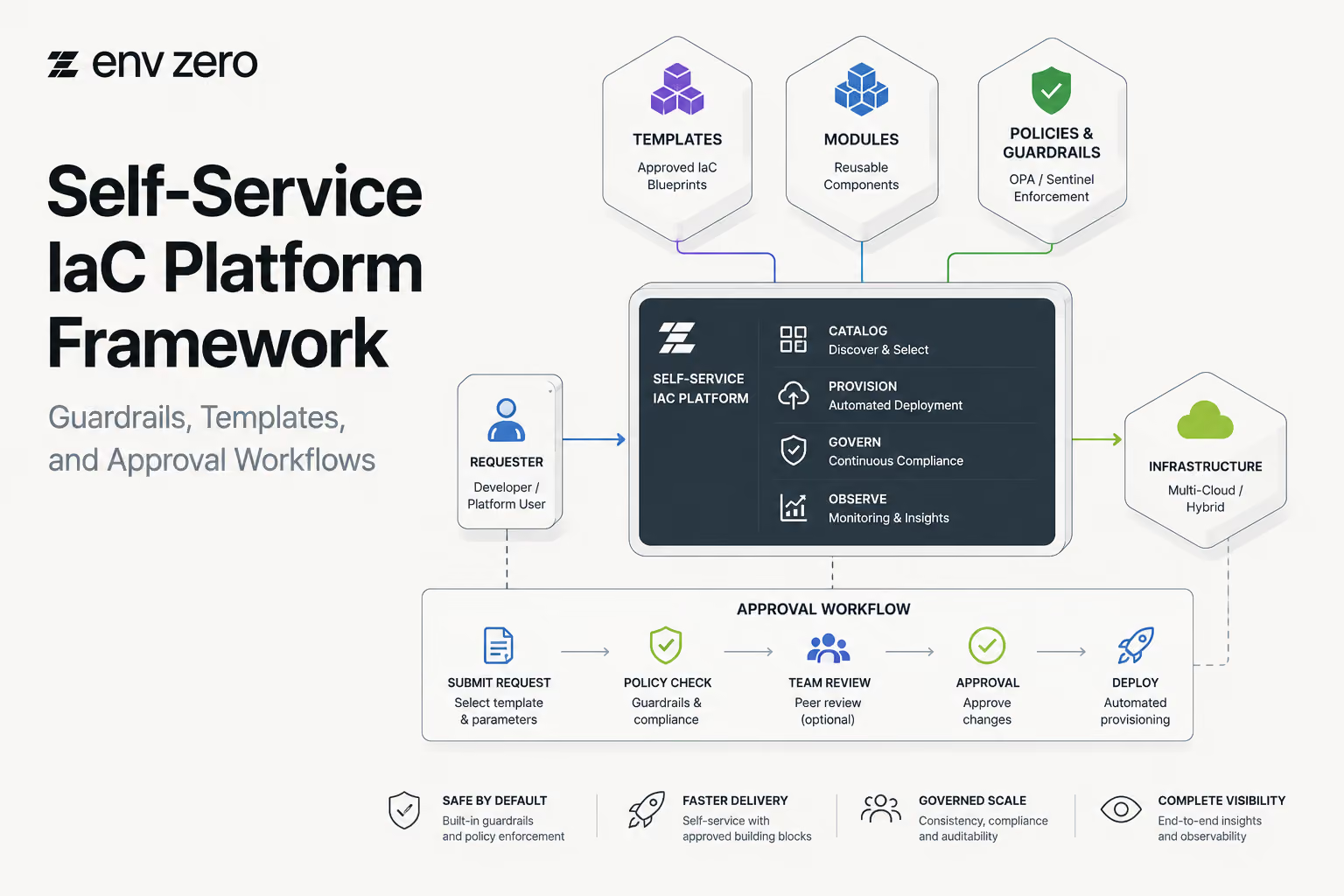
Self-Service IaC Platform Framework: Guardrails, Templates, and Approval Workflows
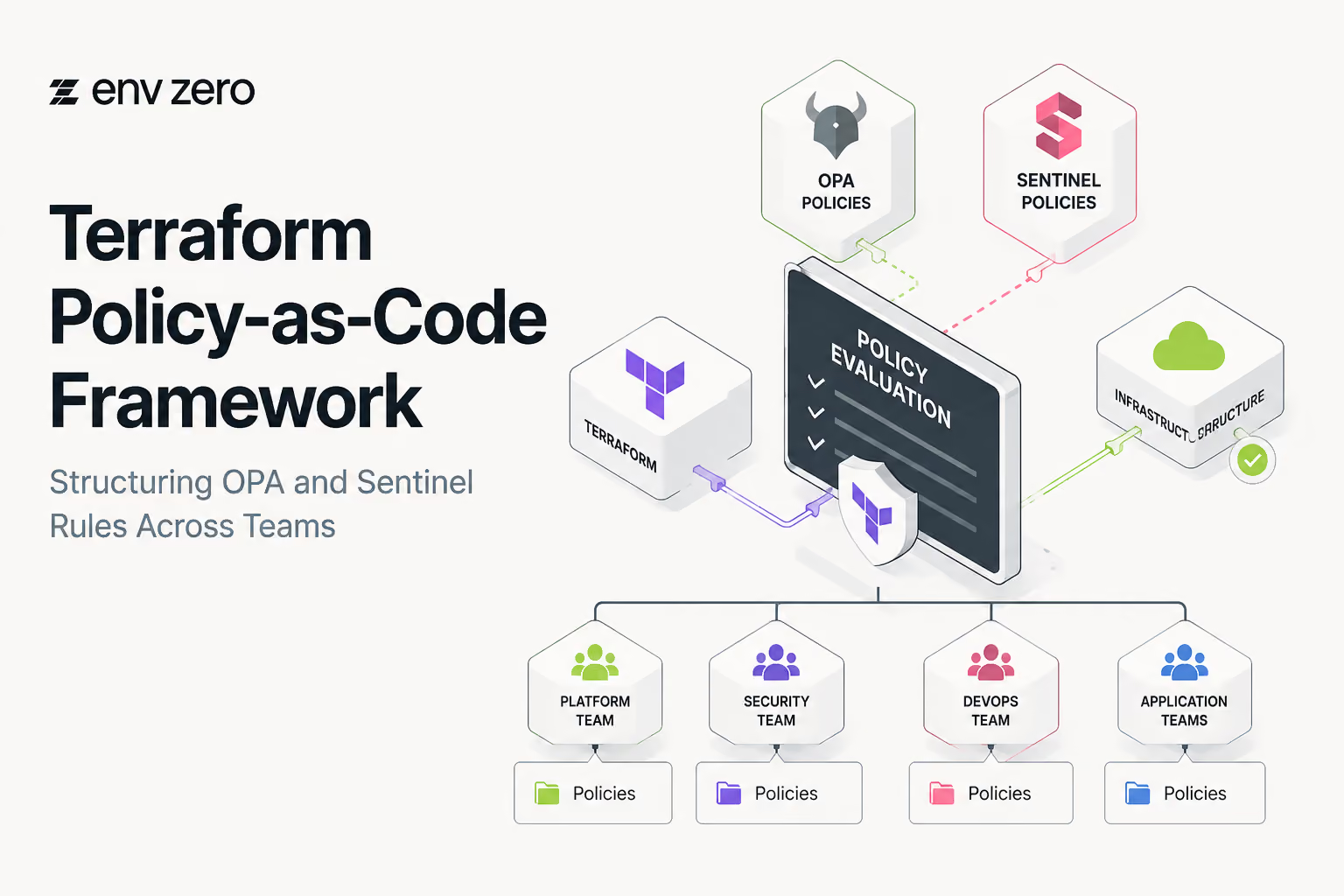
Terraform Policy-as-Code Framework: Structuring OPA and Sentinel Rules Across Teams
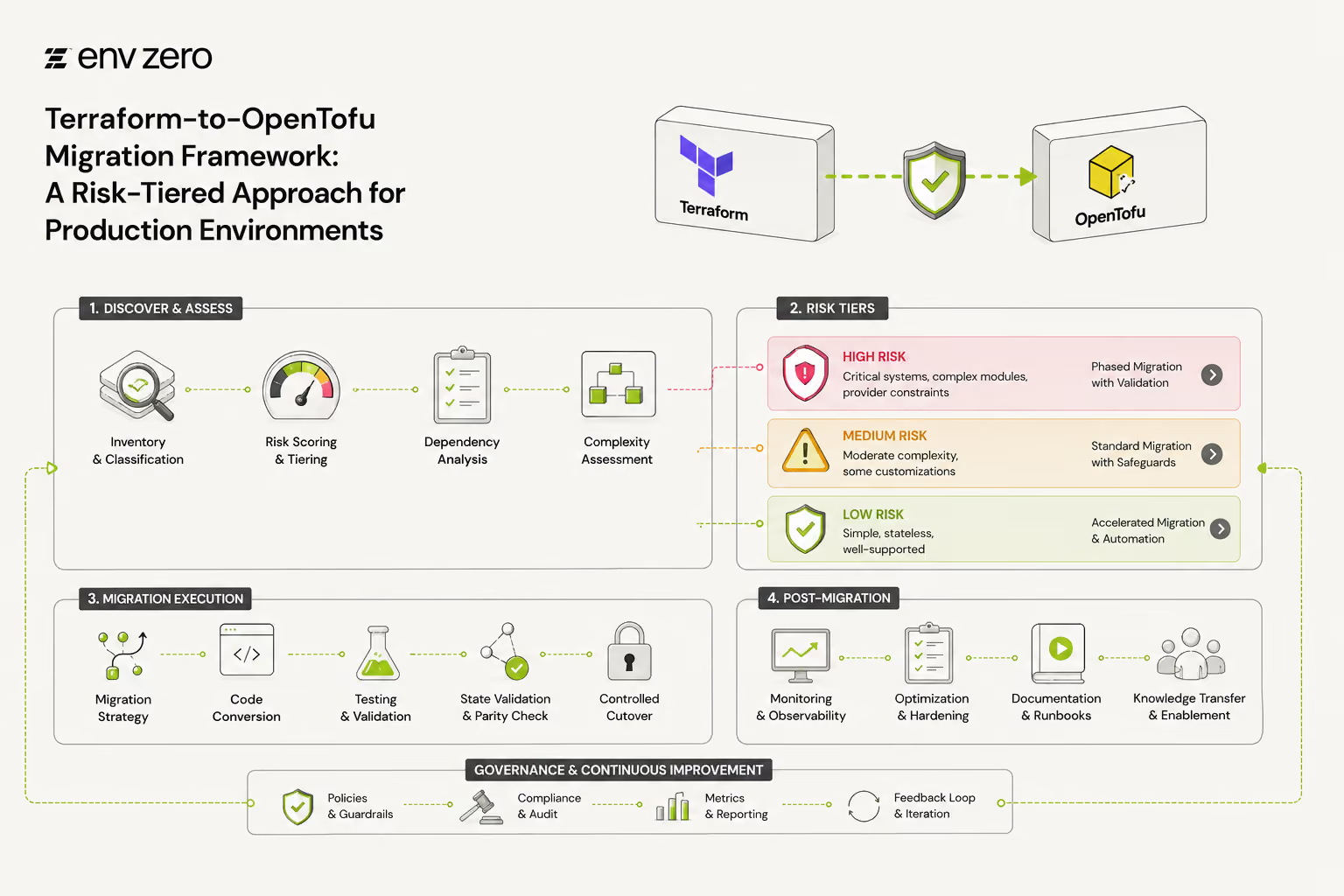
Terraform-to-OpenTofu Migration Framework: A Risk-Tiered Approach for Production Environments







Enterprise Release Control Model: Structuring Secure and Scalable Deployment Workflows
Policy Checkpoint Framework: Enforcing Consistent and Scalable Governance Across Deployments

Audit Trail Governance Framework: Ensuring Transparency, Compliance, and Accountability Across Infrastructure
Release Governance Framework: Structuring Controlled and Compliant Infrastructure Releases

Environment Drift Detection Model: Maintaining Consistency Across Infrastructure Environments
Pipeline Visibility Framework: Structuring Transparent and Controlled Deployment Workflows