.svg)


Managing enterprise releases requires a balance between speed, control, and compliance across complex environments. A structured release control approach ensures that every deployment is validated, governed, and executed with consistency, confidence, and operational efficiency.
As organizations scale infrastructure and adopt faster deployment cycles, maintaining control over releases becomes increasingly complex. Enterprise environments involve multiple teams, environments, compliance requirements, and dependencies, making unstructured release processes risky and inefficient.
An Enterprise Release Control Model provides a structured framework to manage how releases are validated, approved, and executed. It ensures that deployments remain consistent, secure, and compliant while still enabling teams to move quickly.
What Is an Enterprise Release Control Model?
An Enterprise Release Control Model is a framework that defines how releases are governed across the deployment lifecycle. It outlines the controls, validations, approvals, and monitoring processes required before and after a deployment.
This model ensures that every release follows a consistent process, reducing the risk of errors and ensuring alignment with organizational standards. It acts as a bridge between deployment automation and governance, enabling both speed and control.
Why Enterprise Releases Need Structured Control
In enterprise environments, a single release can impact multiple systems, teams, and users. Without structured controls, deployments can introduce misconfigurations, security risks, and compliance violations.
A defined control model ensures that every release is validated before execution, reducing uncertainty and improving reliability. It also helps standardize processes across teams, making deployments predictable and easier to manage at scale.
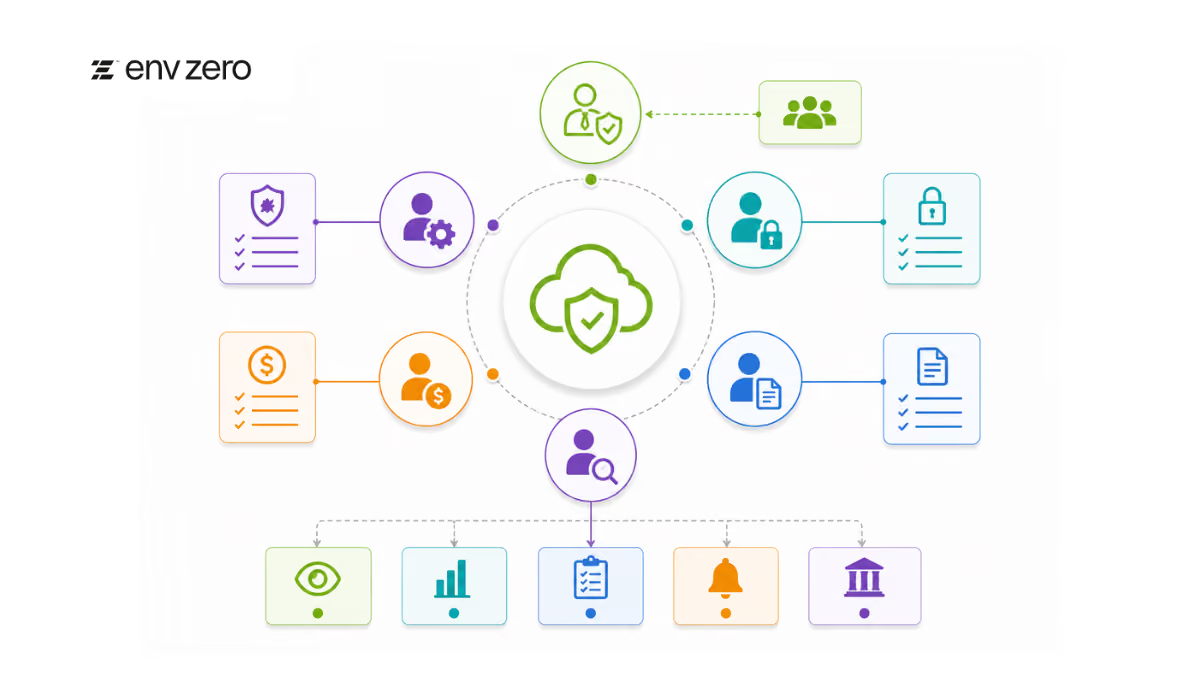
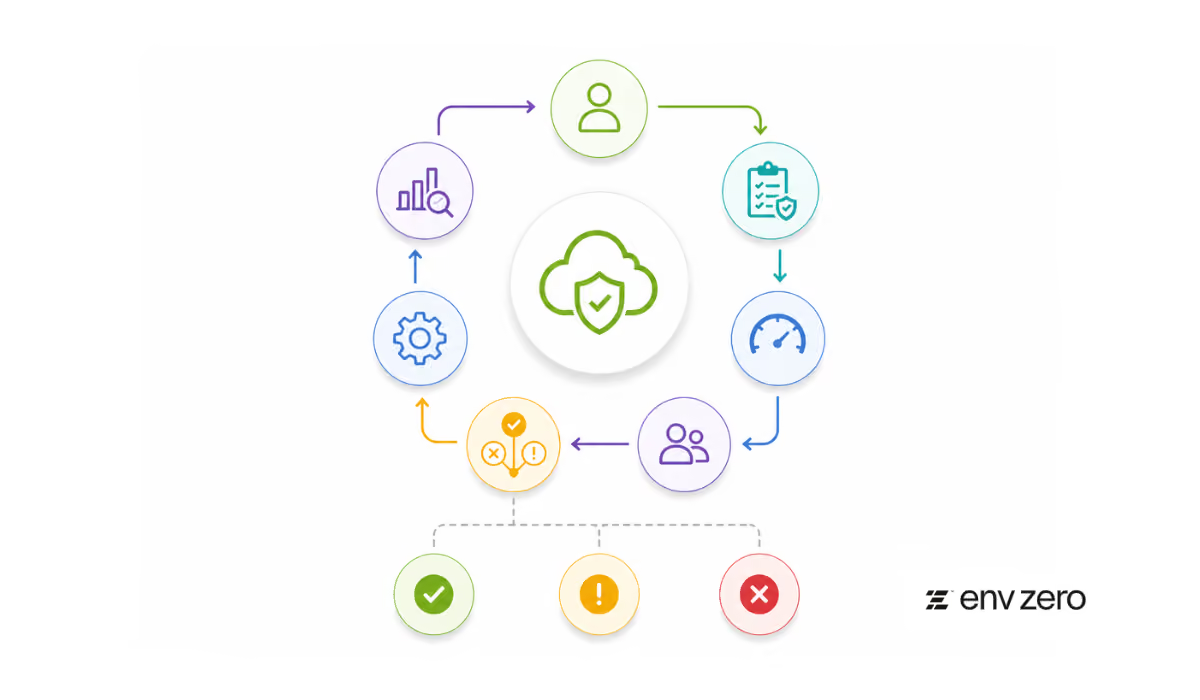
Core Layers of an Enterprise Release Control Model
Validation Layer
The validation layer ensures that all infrastructure and application changes are tested before deployment, including automated testing, configuration validation, and dependency checks. By validating changes early, teams can identify issues before they impact production environments.
Policy Enforcement Layer
This layer enforces organizational rules related to security, compliance, and cost management. Policies are typically implemented using Policy-as-Code, ensuring that every deployment adheres to predefined standards and preventing non-compliant or insecure configurations from being deployed.
For how this enforcement fits alongside approval and monitoring in a release process end-to-end, see the Release Governance Framework.
Approval Layer
The approval layer introduces human or automated approvals for high-risk changes, ensuring that critical deployments are reviewed before execution. Approval workflows can vary based on environment or risk level, allowing flexibility while maintaining governance.
Execution Layer
The execution layer is responsible for triggering and managing deployments, typically through CI/CD pipelines or automated workflows. Standardized execution ensures that deployments are consistent across environments.
Monitoring and Observability Layer
After deployment, monitoring ensures that systems are functioning as expected. This layer includes logging, alerting, and performance tracking, letting teams detect issues early and respond quickly to anomalies.
The underlying activity log this layer draws on is covered in the Audit Trail Governance Framework.
Rollback and Recovery Layer
Even with strong controls, failures can occur. The rollback layer ensures that systems can revert to a stable state if needed, which is critical for minimizing downtime and maintaining system reliability. It also ensures that recovery processes are fast, consistent, and aligned with overall deployment workflows.
How the Model Works Across Environments
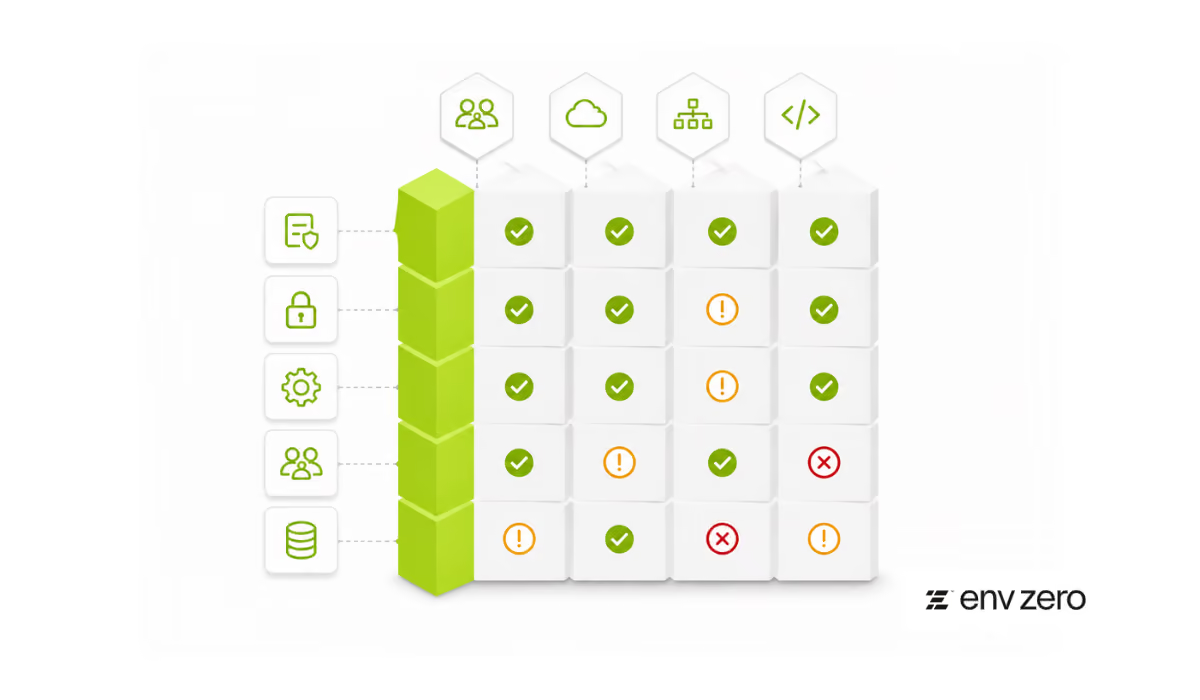
An Enterprise Release Control Model adapts controls based on the environment. In development environments, controls may be lighter to support experimentation and speed. In staging, validation and testing become stricter to ensure readiness. In production, the highest level of control applies, including policy enforcement, approvals, and monitoring. This layered approach ensures flexibility without compromising security or governance.
Benefits of an Enterprise Release Control Model
A structured control model delivers several benefits:
- Consistency. All deployments follow the same process.
- Stronger security and compliance. Policy enforcement is embedded into workflows.
- Lower deployment risk. Changes are validated before execution.
- Improved efficiency. Repetitive tasks are automated.
- Scalability. Organizations can scale infrastructure operations without losing control.
Common Gaps Without a Control Model
Without a defined release control model, organizations often face inconsistent deployment practices, unclear approval processes, and weak governance. This leads to deployment failures, compliance risks, and reduced visibility into infrastructure changes, and teams may struggle to identify issues quickly, increasing downtime and operational complexity.
How env zero Supports Enterprise Release Control
env zero enables organizations to implement a structured Enterprise Release Control Model by integrating governance into automated workflows.
Through Policy-as-Code, env zero enforces security, compliance, and cost policies at every stage of deployment. It also supports approval workflows, ensuring that critical changes are reviewed before execution. env zero provides full visibility into deployment activity, letting teams track validations, approvals, and outcomes. With built-in automation and control, env zero ensures that releases are both fast and governed.
If you want the plain-language explainer version of this before diving into the framework, see Rollback Control Framework.
Conclusion
An Enterprise Release Control Model is essential for managing deployments in complex environments. It provides the structure needed to ensure that releases are validated, secure, and compliant before reaching production. By implementing this model, organizations can reduce risk, improve reliability, and maintain control over their infrastructure. With tools like env zero, enforcing release controls becomes scalable, automated, and efficient.
Looking to bring structure and control to your enterprise releases? env zero helps you enforce policies, automate approvals, and manage deployments with confidence. Build a scalable release control model today.
FAQs
What is an enterprise release control model?
An enterprise release control model is a framework that defines how deployments are validated, approved, and executed, ensuring consistency, security, and compliance across environments. It provides a structured approach to managing releases, enabling organizations to maintain control while scaling infrastructure operations efficiently.
Why is release control important in enterprise environments?
Release control ensures that deployments are properly validated and governed, reducing risks such as misconfigurations, security issues, and compliance violations. It provides a structured approach to managing changes across complex environments, helping teams maintain consistency and reliability. By enforcing control at each stage, organizations can scale deployments while minimizing operational risks.
What are the key layers of a release control model?
Key layers include validation, policy enforcement, approvals, execution, monitoring, and rollback, each ensuring that deployments are controlled and reliable. These layers work together to verify changes before deployment, enforce governance, and monitor outcomes after execution. This structured approach helps maintain consistency and reduces the likelihood of failures across environments.
How does automation fit into release control?
Automation ensures that validation, policy checks, and deployments are executed consistently, reducing manual effort and improving efficiency. It eliminates human error by standardizing workflows and ensures that every deployment follows predefined rules. Automation also helps scale release processes, enabling faster delivery without compromising control or governance.
How does env zero support enterprise release control?
env zero integrates policy enforcement, approval workflows, and deployment automation into a unified system, ensuring that all releases follow defined control processes. It also provides visibility into each stage of the deployment lifecycle, helping teams maintain governance while scaling infrastructure efficiently.
What happens without a release control model?
Without a control model, deployments become inconsistent, risky, and difficult to manage, leading to increased failures and compliance issues. It can also result in unclear processes, delayed approvals, and reduced visibility across teams, making infrastructure harder to scale and govern.
How do you implement a release control model?
A release control model is implemented by defining validation steps, policies, approvals, and monitoring processes, then integrating them into automated workflows. This ensures that every deployment follows a consistent, governed process while maintaining efficiency and scalability across environments.
Related Content
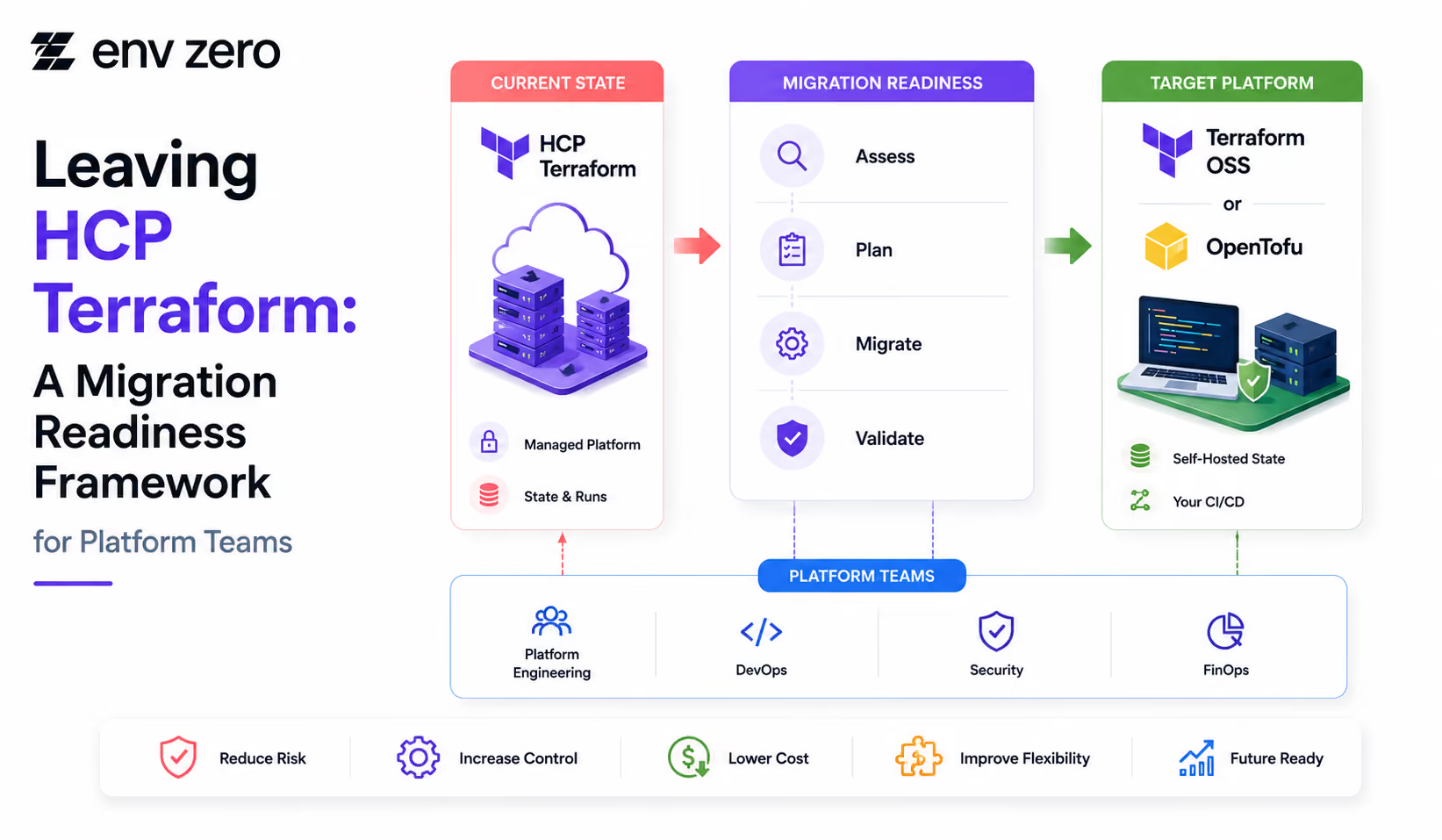

Pulumi vs Terraform vs OpenTofu: A Decision Framework Based on Team Type, Scale, and License Risk


Terragrunt Directory Structure Framework: DRY Configs Across Dev, Staging, and Prod
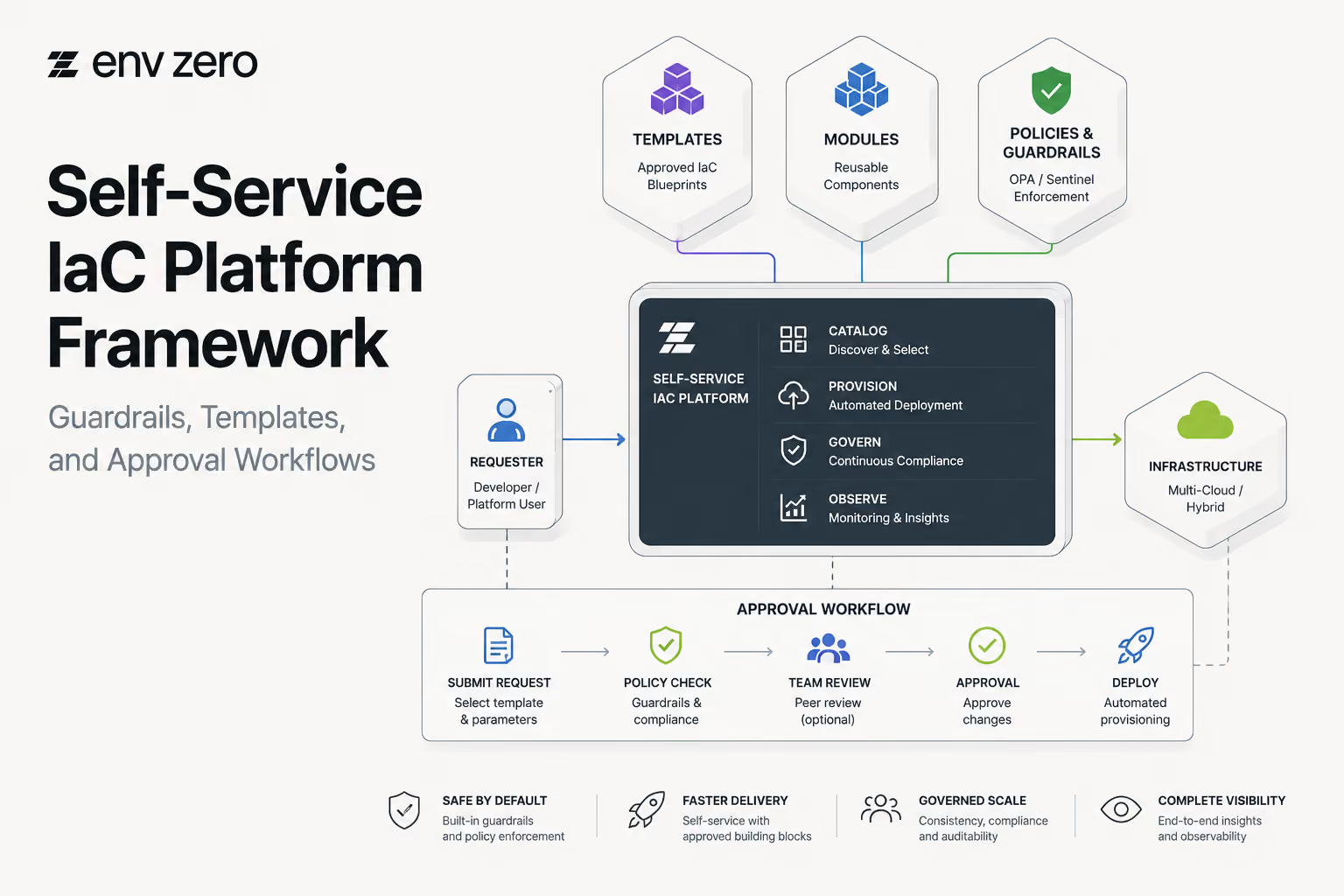
Self-Service IaC Platform Framework: Guardrails, Templates, and Approval Workflows
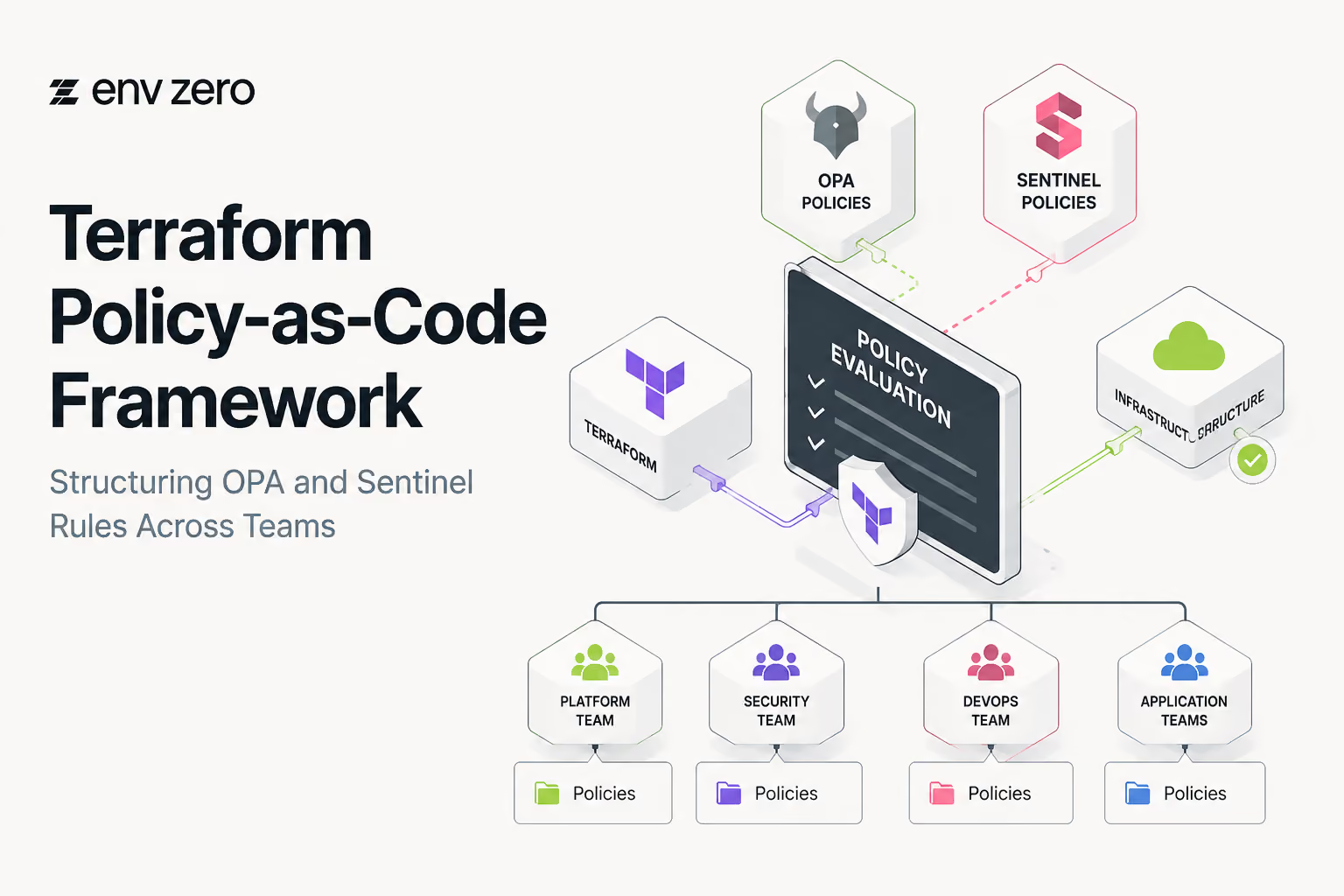
Terraform Policy-as-Code Framework: Structuring OPA and Sentinel Rules Across Teams
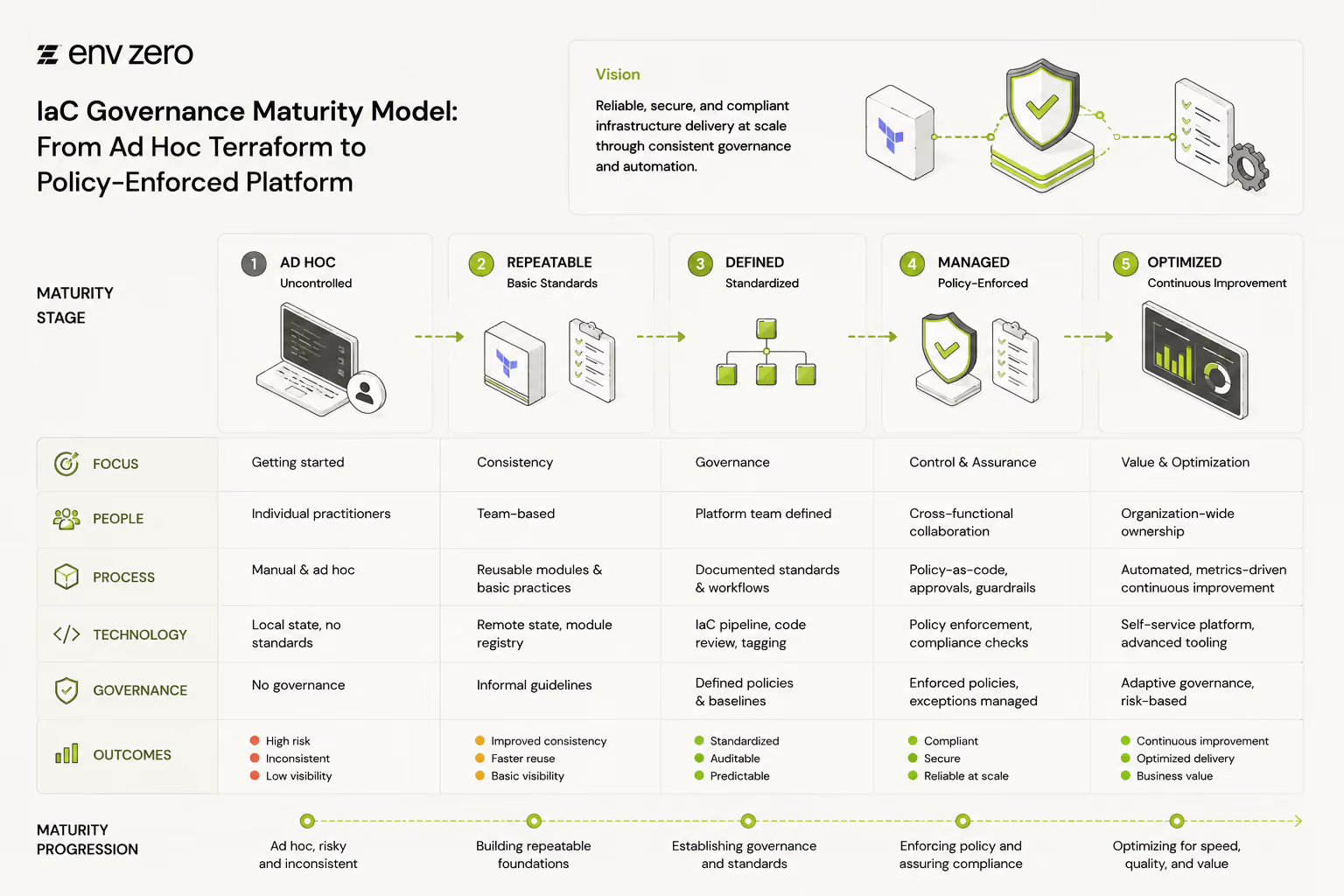
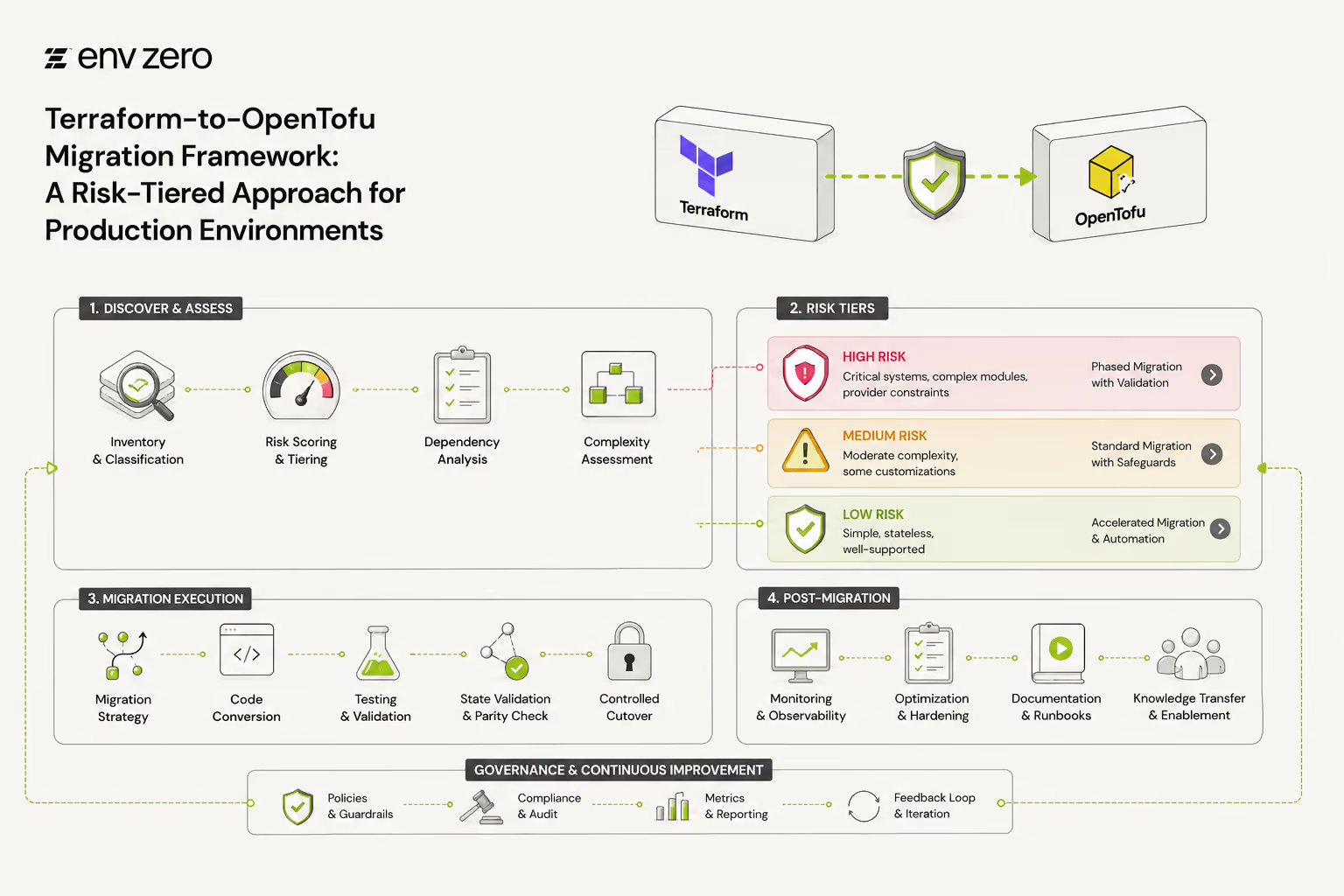
Terraform-to-OpenTofu Migration Framework: A Risk-Tiered Approach for Production Environments
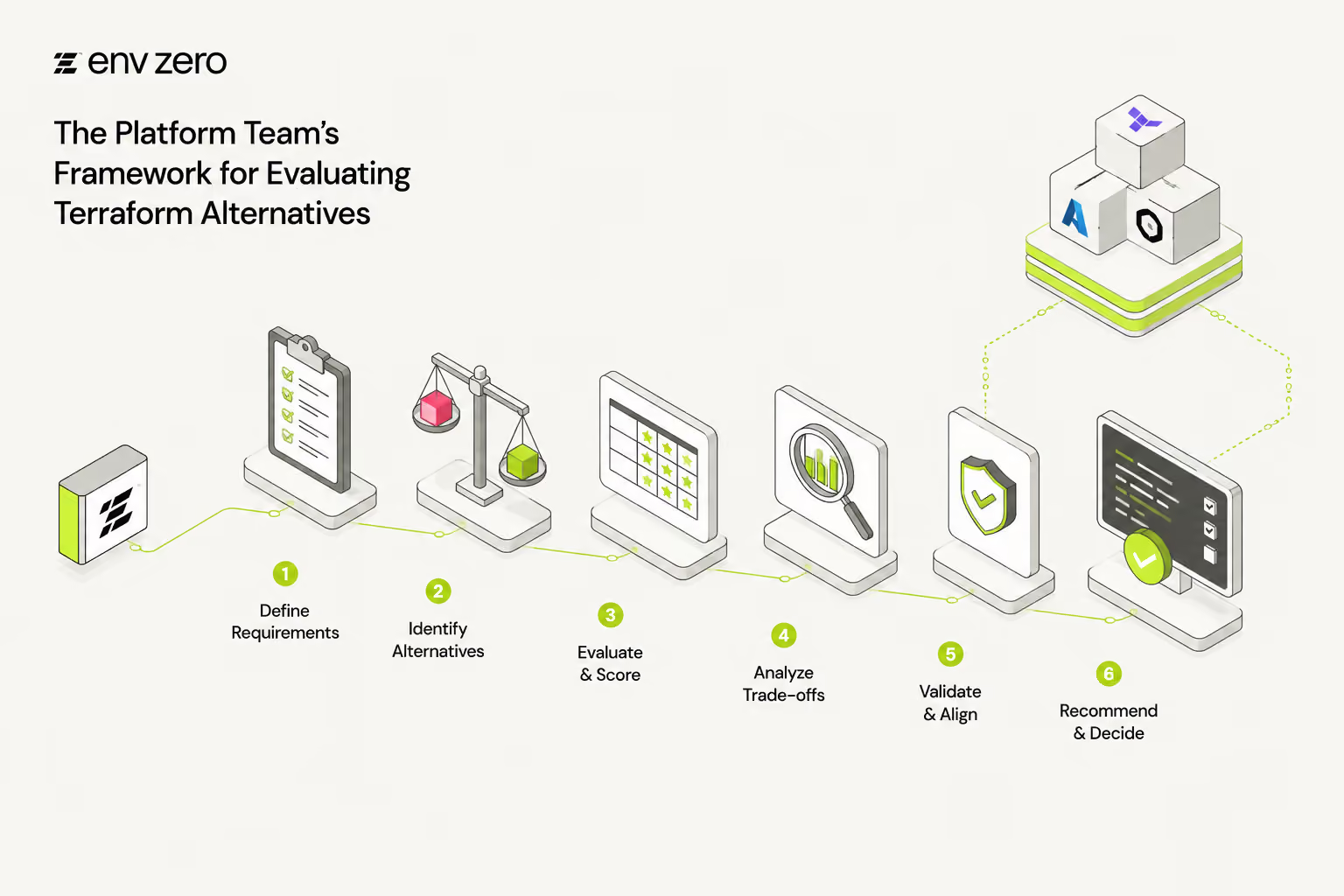


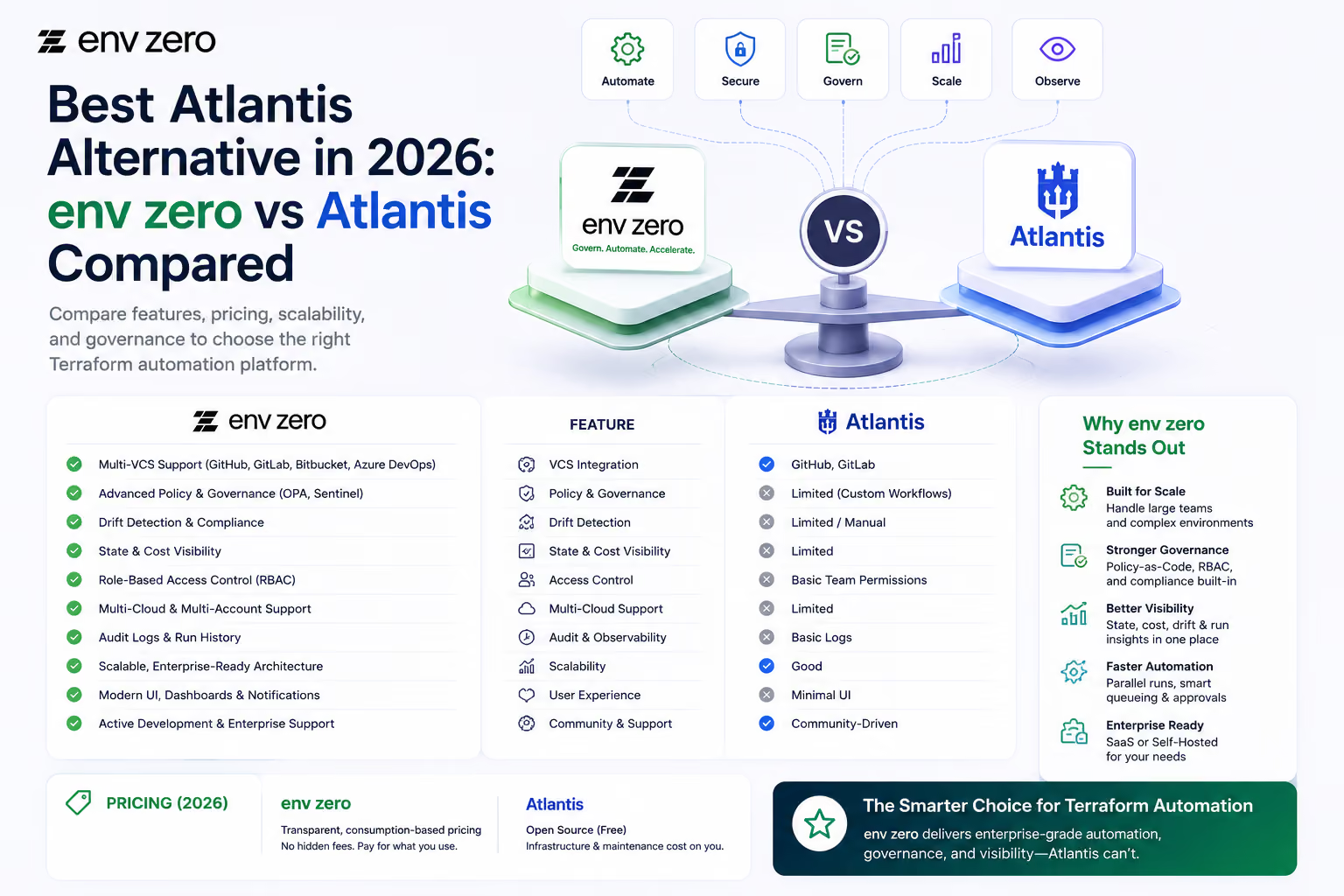






Policy Checkpoint Framework: Enforcing Consistent and Scalable Governance Across Deployments

Audit Trail Governance Framework: Ensuring Transparency, Compliance, and Accountability Across Infrastructure
Release Governance Framework: Structuring Controlled and Compliant Infrastructure Releases

Environment Drift Detection Model: Maintaining Consistency Across Infrastructure Environments
Pipeline Visibility Framework: Structuring Transparent and Controlled Deployment Workflows