.svg)


Developer autonomy with governance is one of the most important challenges modern platform engineering teams face. As organizations scale cloud infrastructure, DevOps practices, and Infrastructure as Code (IaC), they must strike a balance between empowering developers and maintaining control over security, compliance, and costs.
Giving developers full freedom without structure can lead to inconsistencies, security risks, and operational inefficiencies. On the other hand, overly restrictive processes slow down innovation and create bottlenecks. Platform teams must design systems that enable autonomy while enforcing governance.
What Is Developer Autonomy in Platform Engineering?
Developer autonomy refers to the ability for developers to provision infrastructure, deploy applications, and manage resources independently without relying on centralized teams for every action.
In modern cloud environments, this often includes self-service infrastructure, automated workflows, and access to pre-approved templates. Developers can move faster because they are not waiting for manual approvals or support from operations teams.
However, autonomy does not mean unrestricted access. It must be paired with governance to ensure safe and consistent operations.
What Does Governance Mean in This Context?
Governance in platform engineering refers to the policies, controls, and processes that ensure infrastructure and application deployments follow organizational standards. This includes:
- Security policies
- Compliance requirements
- Cost controls
- Access management
- Audit and monitoring
Governance ensures that while developers have the freedom to act, they do so within defined boundaries that protect the organization.
Why Balancing Autonomy and Control Is Critical
Organizations that fail to balance autonomy and control face one of two problems:
- Too much control: when processes are overly restrictive, developers must rely on ticket-based systems or manual approvals. This slows down development cycles and reduces productivity.
- Too much autonomy: when developers have unrestricted access, it can lead to inconsistent configurations, security vulnerabilities, and uncontrolled cloud spending.
The goal is to create a system where developers can move quickly without introducing risk. This balance is essential for scaling cloud operations effectively.
How Platform Teams Enable Developer Autonomy With Governance
Platform teams play a central role in designing systems that enable autonomy while enforcing control. They achieve this through a combination of tools, processes, and best practices.
Self-Service Infrastructure With Guardrails
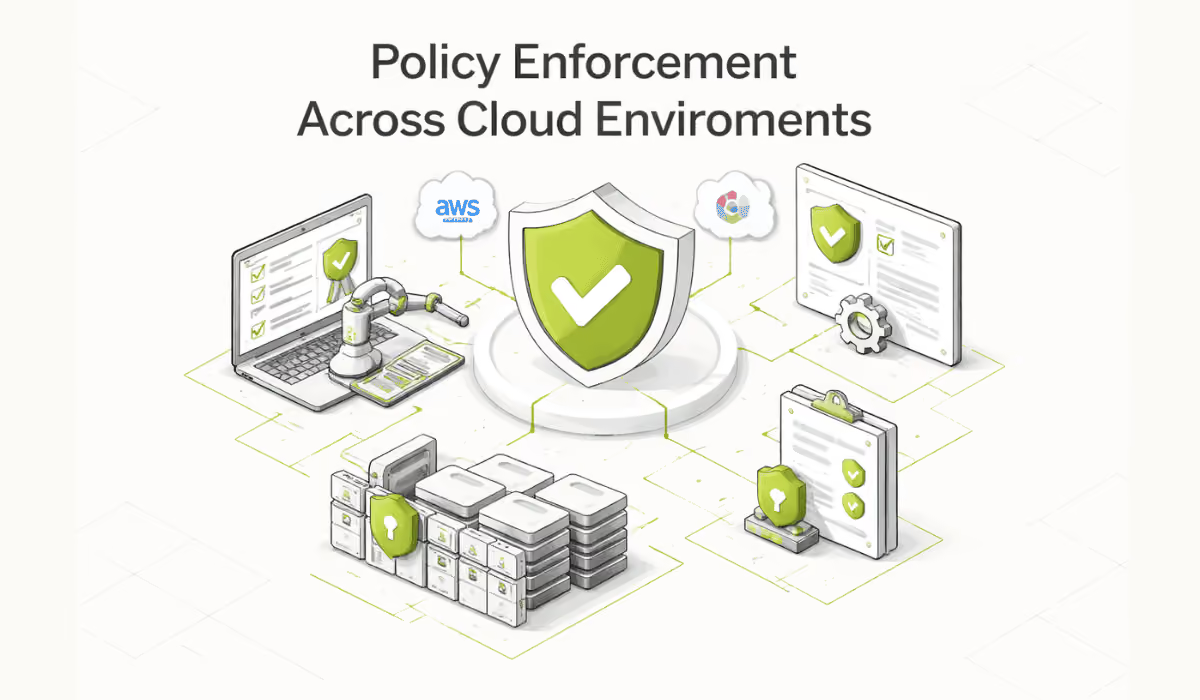
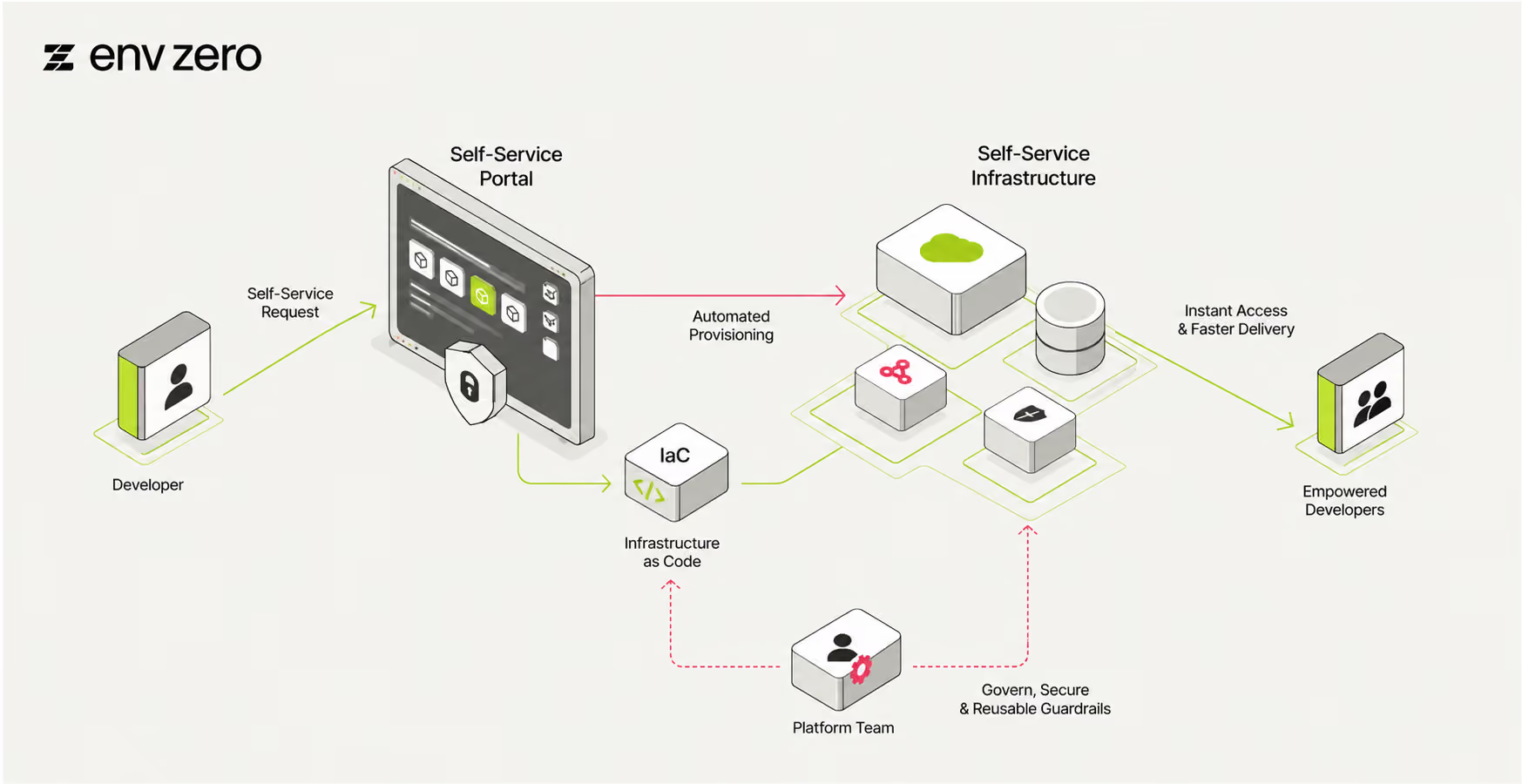
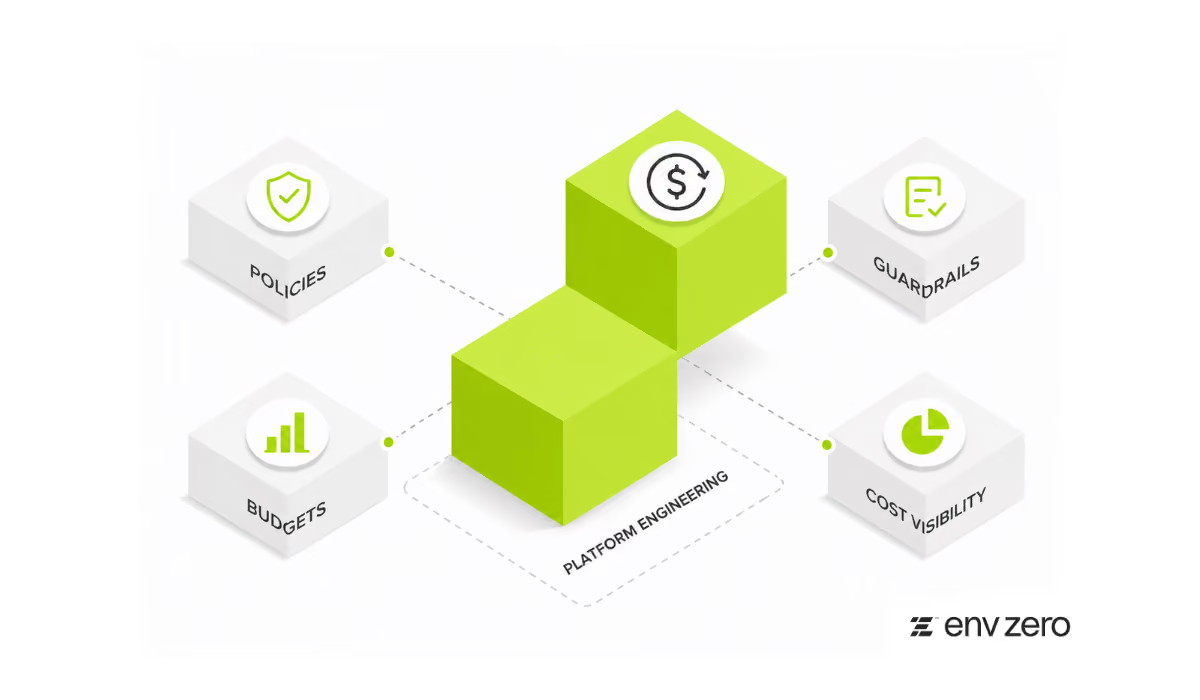
Platform teams provide developers with self-service capabilities that allow them to provision infrastructure independently. Guardrails ensure that all actions comply with security, compliance, and cost policies.
Self-service infrastructure with guardrails is a key component of this model, allowing developers to provision resources independently while staying within defined policies.
For a deeper understanding, see What Is Self-Service Infrastructure With Guardrails? A Practical Guide for Platform Teams, which explains how organizations balance speed with governance in modern cloud environments.
A few other mechanisms round out the model:
- Golden paths: predefined workflows and templates guide developers toward best practices, reducing complexity and ensuring consistency.
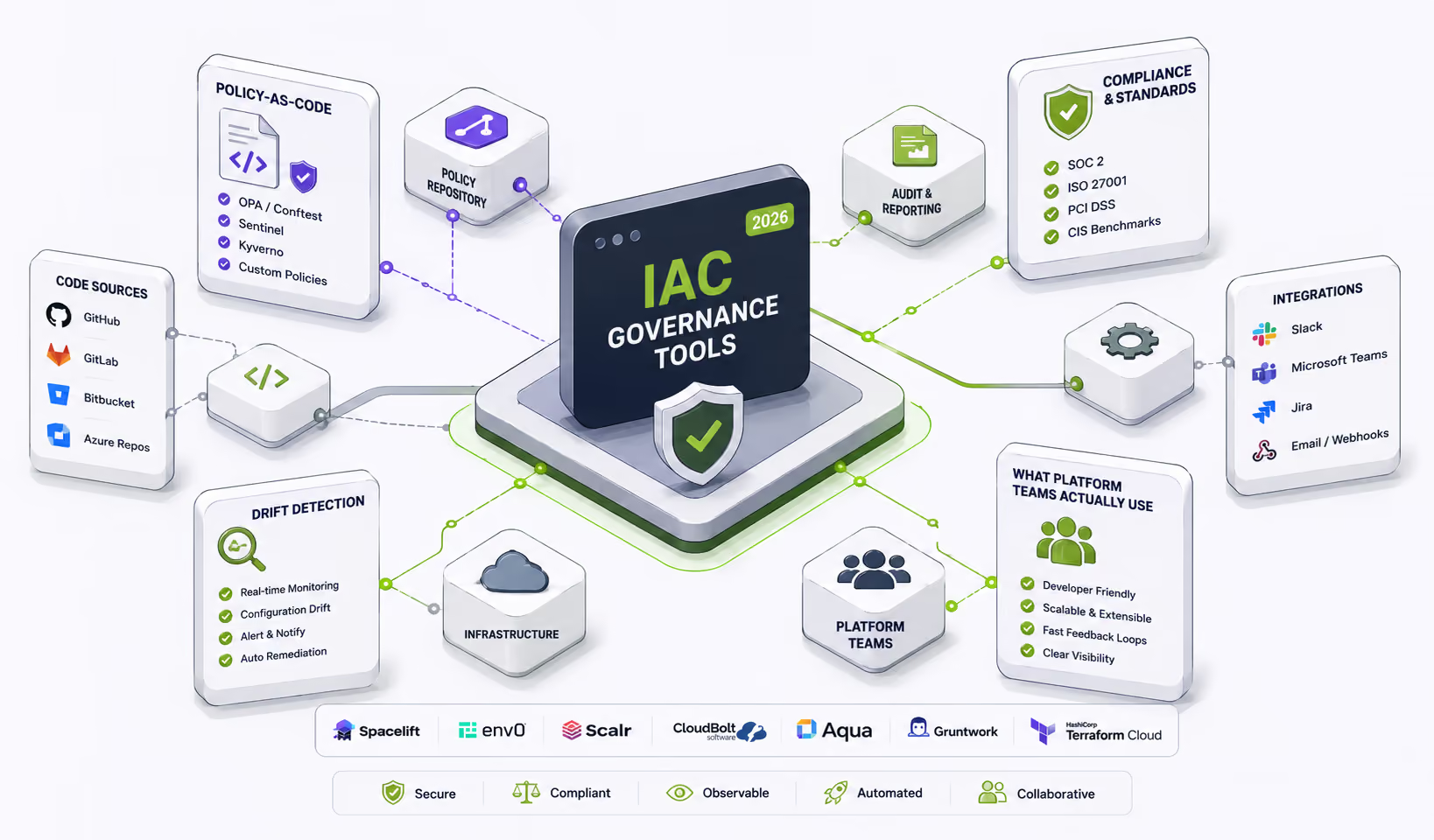
- Policy as code: policies are defined and enforced automatically using code, ensuring that governance is applied consistently across all environments.
- Centralized platforms: a unified platform provides visibility, control, and automation for infrastructure operations, and developers interact with this platform to provision and manage resources.
- Role-based access control (RBAC): RBAC ensures that developers have access to the resources they need without exposing sensitive systems or environments.
Benefits of Developer Autonomy With Governance
- Faster deployment cycles: developers can provision infrastructure and deploy applications without delays.
- Improved developer experience (DevX): reduced friction leads to higher productivity and better job satisfaction.
- Consistent infrastructure: standardized workflows ensure that deployments follow best practices.
- Enhanced security and compliance: automated policies reduce the risk of misconfigurations and ensure compliance.
- Better cost control: built-in cost visibility and controls help manage cloud spending effectively.
Real-World Example
In a large enterprise with multiple development teams, traditional processes often create bottlenecks. Developers must submit tickets for infrastructure requests, leading to delays and frustration.
By implementing self-service infrastructure with guardrails, the organization enables developers to provision resources instantly. Golden paths guide them toward best practices, while policy guardrails enforce governance.
This approach reduces provisioning time from days to minutes, improves productivity, and ensures consistent, compliant deployments.
Common Challenges and How to Address Them
- Over-engineering governance: too many policies can slow down developers. Focus on essential controls that provide value without creating friction.
- Lack of standardization: without standardized templates, autonomy can lead to inconsistency. Implement golden paths to guide developers.
- Resistance to change: teams may resist new systems. Provide training and demonstrate the benefits of autonomy with governance.
- Tool fragmentation: using multiple tools can create complexity. Adopt a centralized platform that integrates key capabilities.
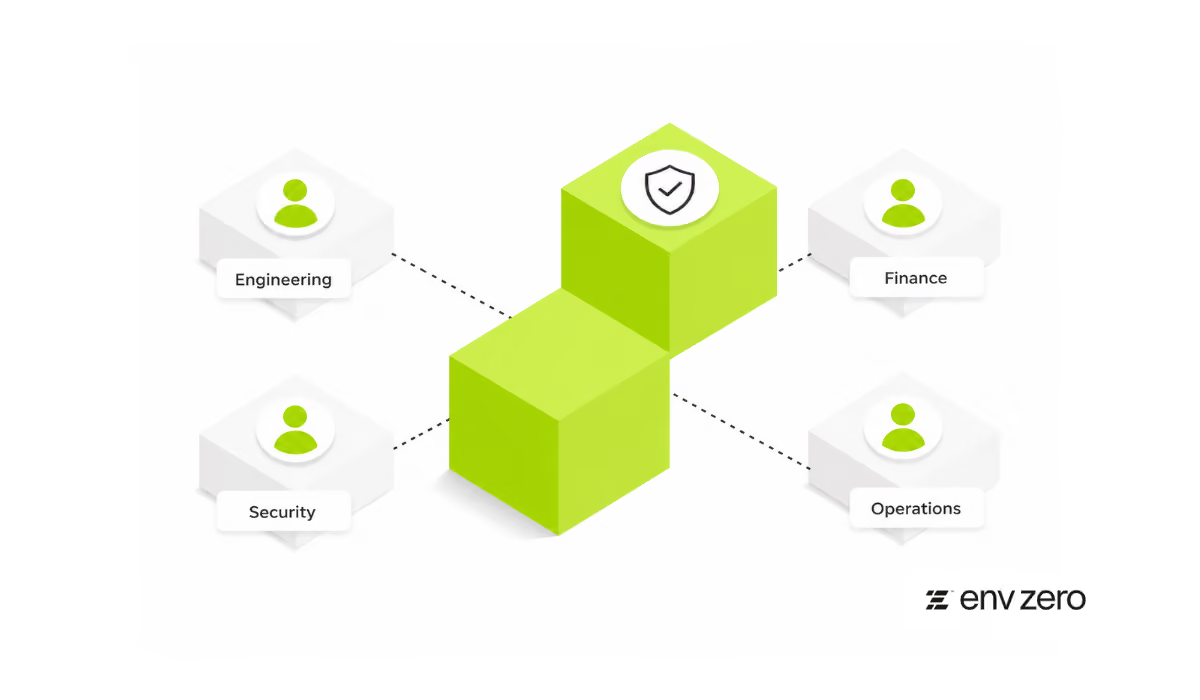
Developer autonomy with governance is closely connected to self-service infrastructure, golden paths, policy guardrails, and infrastructure orchestration. env zero provides a centralized platform that enables platform teams to deliver autonomy while maintaining control through policy enforcement, automation, and visibility.
Best Practices for Platform Teams
- Start with a clear strategy: define what autonomy means for your organization and identify the necessary governance controls.
- Build an internal developer platform: provide a centralized platform that enables self-service and automation.
- Embed governance into workflows: use policy as code and guardrails to enforce standards automatically.
- Continuously improve: gather feedback from developers and refine systems over time.
Conclusion
Developer autonomy with governance is essential for modern platform engineering. It enables organizations to scale efficiently while maintaining control over infrastructure and operations.
Empower your developers with autonomy while maintaining control using env zero. Enable self-service infrastructure, enforce governance, and scale your cloud operations with confidence.
FAQs
How do platform teams enable developer autonomy without losing control?
Platform teams enable developer autonomy by providing self-service infrastructure, golden paths, and automated policy guardrails that allow developers to operate independently while enforcing security, compliance, and cost controls. For the structured, implementation-ready version of this model, see Developer Autonomy Maturity Model for Enterprise Teams.
What is developer autonomy in DevOps?
Developer autonomy allows developers to manage infrastructure and deployments independently, improving speed and productivity while reducing reliance on operations teams.
How can organizations maintain control with autonomous developers?
Organizations use governance mechanisms such as policy guardrails, RBAC, and centralized platforms to ensure that all actions follow predefined standards.
What are the risks of too much autonomy?
Excessive autonomy can lead to security vulnerabilities, inconsistent configurations, and uncontrolled costs if not properly governed.
How does env zero support developer autonomy?
env zero provides self-service infrastructure, policy enforcement, and centralized management, enabling developers to move quickly while maintaining full governance.






.avif)